
Introduction to Happy Parenting
Fostering happiness in children is a vital component of effective parenting, as it creates a foundation for their emotional and psychological well-being. A positive upbringing greatly influences a child’s overall development, with research consistently showing that children raised in joyful environments exhibit higher levels of self-esteem, resilience, and social skills. When parents prioritize happiness, they lay the groundwork for their children to navigate life’s challenges confidently and positively.
The benefits of nurturing an atmosphere of joy extend beyond immediate emotional responses; they manifest in long-term outcomes, including improved academic performance and healthier interpersonal relationships. Children who feel happy and supported are more likely to engage in learning and develop secure friendships that serve them throughout their lives. Additionally, happy children tend to exhibit lower levels of anxiety and depression, contributing positively to their mental health and future stability.
Throughout this guide, readers can expect to explore several key areas that contribute to cultivating happiness in children. We will examine practical strategies for creating a meaningful connection with children, the importance of emotional validation, and how to model positivity in everyday interactions. Furthermore, the guide will provide insights into establishing routines that promote joy and security, as well as techniques for fostering resilience in the face of adversity.
By embracing the principles of happy parenting outlined in this guide, caregivers can significantly improve their children’s quality of life, paving the way for a brighter future where they feel appreciated, understood, and joyful. Emphasizing happiness within the family unit, therefore, holds the potential to enhance not merely individual experiences but also the shared moments that enrich family dynamics.
Understanding Your Child’s Needs
Recognizing and comprehending the fundamental emotional and physical requirements of children is crucial for effective parenting. At each developmental stage, children exhibit distinct needs comprising love, attention, and security, which significantly enhance their personal growth and foster a healthy parent-child relationship. Understanding these varying needs is integral to supporting children as they navigate the complexities of their formative years.
In the early stages of childhood, infants and toddlers primarily need a nurturing environment that prioritizes their emotional security. Responsive parenting that involves consistent affection and physical closeness helps establish a sense of safety. For instance, attentive caregiving ensures that the child feels valued and understood. As they transition into preschoolers, their social needs emerge, necessitating interactions that promote emotional intelligence and cooperation with peers, which are essential for their development.
As children grow into school-age and adolescence, their need for independence becomes more pronounced. During this time, offering support while allowing autonomy is vital. Parents should engage in open communication, fostering an environment where children can express their thoughts and feelings without fear of judgment. This approach not only validates their experiences but also enhances their self-esteem and problem-solving skills.
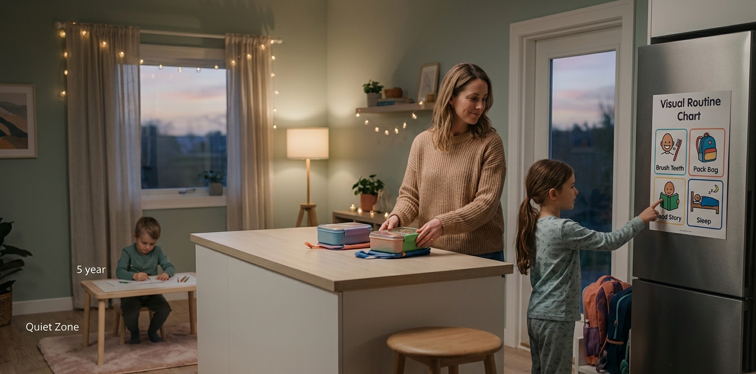
Moreover, ensuring a stable and secure home life is essential throughout all stages. A consistent daily routine and clear boundaries provide children with a framework for understanding expectations and making sense of their surroundings. This structure contributes to a sense of security, allowing them to thrive emotionally and academically.
In conclusion, understanding your child’s needs is paramount in nurturing their overall well-being. By actively engaging with their emotional and physical requirements, parents can forge stronger connections, promoting happiness and resilience in their children.
Effective Communication Styles
Effective communication plays a critical role in developing a strong relationship between mothers and their children. By implementing various communication styles, mothers can foster an environment conducive to open dialogue and self-expression. One of the most important aspects of communication with children is being an active listener. This involves not only hearing their words but also understanding their emotions and viewpoints. Making eye contact and using affirming responses can encourage children to share freely, knowing their thoughts are valued.
Additionally, establishing a routine for discussions can enhance communication. Set aside time each day for family conversations, allowing an opportunity for children to express their feelings, thoughts, and concerns. This practice reinforces that their opinions matter and helps nurture emotional intelligence by making them aware of their own feelings and those of others.
Positive reinforcement is also key in effective communication. Complimenting children when they articulate their thoughts can motivate them to continue expressing themselves. Furthermore, it is essential to model appropriate communication behaviors. By demonstrating how to express oneself respectfully and listening attentively, mothers can teach these vital skills to their children.
Moreover, it is important to adapt communication styles according to the child’s age and developmental stage. Younger children may require simpler language and direct questions, while older children might appreciate more complex discussions and the opportunity to engage in debates. By recognizing these differences, mothers can ensure that their communication is effective and age-appropriate.
In conclusion, prioritizing effective communication styles not only enhances the mother-child bond but also equips children with essential skills for navigating their emotional landscape. Nurturing an environment of open dialogue fosters their ability to express themselves, leading to improved emotional intelligence and overall well-being.
Setting Boundaries and Discipline
Establishing boundaries and consistent discipline strategies is crucial in effective parenting. Boundaries create a safe environment for children, helping them understand the expectations set by their parents. This clarity offers children a framework within which they can explore, learn, and grow. Consistent discipline reinforces these boundaries and aids in teaching respect, responsibility, and self-control, essential qualities for well-rounded individuals.
Various approaches to discipline can be adapted based on a child’s developmental stage. For toddlers, simple strategies such as time-out or removing access to a toy may be effective. These methods help introduce the concept of consequences in a straightforward manner. As children grow into preschoolers, engaging in discussions about emotions and choices becomes vital. This dialogue encourages children to reflect on their behavior and recognize its impact on themselves and others.
For school-aged children, the introduction of logical consequences becomes more relevant. If a child neglects their homework, an appropriate response might be limiting leisure time until responsibilities are tended to. This form of discipline not only addresses the behavior but also fosters accountability. As children enter adolescence, parents may shift towards more collaborative methods, seeking input from their teens while maintaining necessary boundaries. It is essential to communicate that while freedom comes with choices, each choice carries its own set of consequences.
It’s important to note that discipline should never be punitive but instead constructive, guiding children toward better decision-making. Parents should strive to remain calm and measured, allowing for discussions that help children analyze their actions. Overall, a balanced approach to setting boundaries combined with age-appropriate disciplinary methods fosters an environment conducive to raising happy, responsible kids.
Encouraging Independence and Responsibility
Fostering independence in children is a crucial aspect of parenting that not only helps in their personal development but also instills a sense of responsibility. As children grow, they should be given opportunities to make choices and take on age-appropriate tasks. This process is fundamental in building their confidence and decision-making skills.
Assigning responsibilities that match a child’s developmental stage is a practical approach to nurturing independence. For instance, toddlers can be encouraged to tidy up their toys, while school-aged children can be responsible for their homework or helping with simple household chores. As children engage in these activities, they learn to manage their time and understand the value of their contributions to the family.
Additionally, allowing children to make choices—whether in the food they eat, the clothes they wear, or how they spend their free time—supports their growing autonomy. Providing them with options empowers them to express their preferences and reinforces their ability to make decisions. It is important for parents to strike a balance between guidance and freedom, as this will lead to better outcomes in helping children develop independence.
Positive reinforcement is another key element when encouraging independence. Acknowledging and praising children for their efforts in completing tasks fosters a positive attitude towards responsibility. This recognition not only boosts their self-esteem but also encourages them to tackle more complex tasks in the future.
In nurturing independence, parents must be patient and understanding. Children will make mistakes along the way, and it is essential to approach these learning experiences constructively. By fostering an environment where making choices is supported, children can grow into confident individuals capable of taking responsibility for their actions.
Fostering a Positive Family Environment
Creating a nurturing home atmosphere is essential for fostering happiness and togetherness among family members. One effective strategy is to establish family traditions that promote a sense of belonging and unity. These traditions can range from simple weekly dinners to more elaborate annual trips, providing everyone with shared experiences to cherish. By regularly engaging in these rituals, families strengthen their bonds, which is critical for the emotional well-being of children.
Quality time spent together is equally important in developing a positive family environment. Setting aside dedicated time for family activities—whether it be game nights, outdoor adventures, or movie marathons—helps to create lasting memories that children carry into adulthood. These shared moments not only foster communication and collaboration but also promote feelings of safety and security within the family unit. Regularly scheduled family time can serve as a reminder of the importance of prioritizing interpersonal relationships.
Engaging in activities that promote bonding further enhances the family dynamic. Options such as volunteering together, participating in community projects, or even simple cooking sessions allow family members to work towards a common goal. These collaborative experiences not only strengthen relationships but also instill values such as empathy and altruism in children. Encouraging open dialogue and active participation from each family member fosters an environment where everyone feels valued and heard.
In order to cultivate a positive family environment, it is vital to focus on the emotional needs of each family member. An atmosphere where children feel accepted, loved, and respected greatly contributes to their overall happiness. By investing time in family traditions, prioritizing quality time, and engaging in meaningful activities, families can create a solid foundation that supports the well-being of every member.
Promoting Emotional Intelligence
In today’s world, the importance of emotional intelligence in children cannot be overstated. Emotional intelligence encompasses a child’s ability to recognize, understand, and manage their emotions, as well as empathize with others. Teaching children these skills is crucial for their development and can significantly impact their relationships with peers, family, and themselves.
One practical strategy for promoting emotional intelligence is to encourage children to identify and label their own emotions. By using age-appropriate language, parents can help their children articulate feelings such as happiness, sadness, frustration, or anxiety. Activities like emotion charades can make this process enjoyable and engaging. Discussing scenarios that evoke various emotions, whether through stories or everyday experiences, reinforces their ability to recognize and name their feelings.
To further enhance their emotional regulation, parents can teach coping strategies such as deep breathing, visualization techniques, or the use of a calm-down corner. These methods empower children to manage overwhelming emotions in healthier ways, allowing them to express themselves appropriately rather than resorting to outbursts or withdrawal.
Developing empathy is another critical component of emotional intelligence. Parents can foster this trait by encouraging children to consider different perspectives during discussions or when resolving conflicts. Role-playing exercises can serve as effective tools in illustrating how others might feel in specific situations, helping children internalize the importance of compassion. Discussions about fairness, kindness, and the impact of their words and actions can deepen their understanding of relationships.
Establishing open lines of communication is vital for nurturing emotional intelligence. Children should feel safe sharing their feelings, and parents can support this by actively listening and validating their emotions. By normalizing conversations about feelings and providing a supportive environment, parents lay the groundwork for children to build healthy relationships throughout their lives.
Balancing Screen Time and Playtime
The integration of technology into children’s lives has become prevalent, and understanding its impact is critical for parents. While digital devices provide opportunities for learning and entertainment, excessive screen time can lead to negative effects on physical health, social skills, and emotional well-being. Therefore, striking a balance between screen time and playtime is crucial for promoting a healthy lifestyle for children.
One effective strategy for managing screen time is to set clear guidelines that establish limits on daily usage. The American Academy of Pediatrics recommends that children aged 2 to 5 years should spend no more than one hour each day on high-quality educational programming. This approach ensures that children benefit from valuable content while minimizing sedentary behavior. Parents should take the time to curate suitable educational material that aligns with their child’s interests and developmental needs.
In addition to monitoring screen time, it is essential to encourage physical play and creative activities. Engaging in outdoor play fosters physical development, enhances social interaction, and stimulates creativity. Scheduling regular outdoor activities can keep children active, allowing them to explore their surroundings, learn new skills, and develop friendships. Moreover, incorporating creative play, such as arts and crafts, music, or storytelling, encourages cognitive growth and emotional expression.
Interactive play is another avenue that aids in balancing screen time with other activities. Parents can join in on games that require collaboration and problem-solving, both online and offline. When children participate in educational games that promote critical thinking and teamwork, they are not only entertained but also developing essential skills. This engagement can reinforce family bonding and facilitate discussions about the content they encounter during screen time.
Ultimately, finding the right equilibrium between screen time and playtime is vital for a child’s overall development. By following these guidelines, parents can ensure that technology serves as a beneficial tool, supporting growth rather than hinder it.
Conclusion and Final Thoughts
As we conclude this guide on effective parenting strategies, it is important to reflect on the key elements discussed that contribute to raising happy and well-adjusted children. Throughout this parenting journey, various insights have been shared which aim to enhance your ability to nurture your child in a supportive and loving environment. Embracing your unique parenting style while integrating the suggested methods can empower you to create a fulfilling environment for both you and your children.
The primary focus of this guide has been to encourage parents, especially moms, to understand that there is no one-size-fits-all approach to parenting. Tailoring your methods to suit your family’s dynamics is vital. Whether it is implementing effective communication techniques, fostering emotional intelligence, or encouraging independence, each aspect plays a significant role in developing your child’s overall well-being and happiness.
Consider the importance of self-care and ensuring that you, as a parent, are supported. Recognizing that happy parents often lead to happy children is a fundamental truth that cannot be overstated. Make time for yourself, keep in touch with your support network, and don’t hesitate to reach out for help when needed.
Finally, we invite you to reflect on your experiences and share any tips that have proven beneficial in your parenting journey. Every story shared fosters community and connection among parents who strive for the same goal: raising healthy, happy children. Let us continue to support one another, learning and growing together on this exciting adventure of parenthood.