Understanding Respectful Parenting
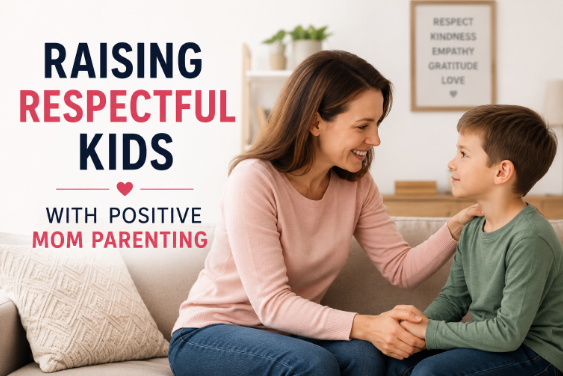
Respectful parenting is an approach that prioritizes treating children with consideration and dignity. It embodies the belief that children, like adults, are deserving of respect and that their thoughts, feelings, and perspectives should be acknowledged. This method of parenting fosters an environment where children feel valued and heard, which is crucial for their emotional and social development. By implementing respectful parenting practices, parents assist their children in recognizing the importance of kindness and empathy toward others, instilling these values from an early age.
The significance of respectful parenting extends beyond the immediate familial context; it plays a vital role in shaping a child’s character and interpersonal relationships. When children are raised in an environment that emphasizes respect, they learn how to interact positively with their peers, teachers, and other community members. This foundational understanding can dramatically enhance their social skills, enabling them to communicate effectively and resolve conflicts amicably. As a result, children who practice respect within their households often exhibit the same consideration in various social scenarios, establishing a pattern of healthy interactions that benefits them throughout their lives.
Moreover, the principles of respectful parenting contribute to a nurturing atmosphere that encourages exploration and independence. Children who feel respected are more likely to express themselves freely and engage in critical thinking. They become adept at understanding diverse perspectives, fostering a culture of thoughtfulness and acceptance. Thus, the practice of respectful parenting not only nurtures individual growth and self-esteem but also shapes a generation who values compassion, respect, and harmony in their relationships with others.
The Role of Positive Parenting in Child Development
Positive parenting encompasses a range of techniques aimed at promoting healthy and respectful interactions between parents and children. Central to this approach is the concept of positive reinforcement, which involves acknowledging and rewarding good behavior rather than simply punishing inappropriate actions. By recognizing the efforts and achievements of children, parents can cultivate an environment where respect is not only expected but also intrinsic.
Another fundamental principle of positive parenting is active listening. This practice encourages parents to engage with their children by paying close attention to their thoughts and feelings. By validating a child’s emotions and demonstrating genuine interest, parents foster a sense of security and respect. When children feel heard, they are more likely to reciprocate that respect in their interactions with others.
Empathetic communication is equally essential in developing respectful behaviors. By modeling empathy, parents teach their children how to understand and appreciate different perspectives. Encouraging children to verbalize their feelings and thoughts contributes to their emotional intelligence, fostering a more respectful attitude towards themselves and others. This open line of communication not only nurtures mutual respect but also strengthens the bond between parent and child.
The integration of these techniques within positive parenting strategies can significantly enhance child development. As children learn to navigate their emotions and relationships through the lens of respect, they are better equipped to face challenges in social settings. Ultimately, positive parenting paves the way for children to become respectful individuals, capable of forming healthy relationships built on mutual regard and understanding.
Modeling Respectful Behavior as a Parent
As parents, one of the most impactful ways to cultivate respectful behavior in children is through modeling. Children learn by observing the adults in their lives. Therefore, demonstrating kindness, patience, and respect in daily interactions can lead to lasting impressions on their developing characters.
To be effective role models, parents should consistently exhibit respectful behavior not only towards their children but also towards family members, friends, and even strangers. This can include simple acts such as saying “please” and “thank you,” listening actively without interrupting, and addressing conflicts calmly and thoughtfully. These actions convey to children that respect is fundamental in all relationships.
Furthermore, patience is a crucial aspect of respectful behavior that parents can exemplify. In challenging situations, such as handling disagreements or addressing children’s mistakes, remaining calm and composed shows children the importance of responding respectfully, even when faced with frustration. This patience not only nurtures a respectful atmosphere at home but also teaches children how to manage their emotions and interactions with others in a myriad of situations.
Another effective strategy is to engage children in conversations that highlight the importance of respect. Discussing scenarios where respect was or wasn’t shown can lead to deeper understanding and insights. Encourage them to share their feelings about respectful versus disrespectful behavior they observe in their surroundings.
By providing consistent examples of respectful interactions, parents can effectively teach their children to value and prioritize respect in their own lives. When parents embody these principles, children are likely to emulate these behaviors, laying the foundation for positive relationships and respectful engagements throughout their lives.
Setting Boundaries and Expectations
Establishing clear boundaries and expectations within the home environment is vital for nurturing respectful behavior in children. Boundaries serve not only as a framework for appropriate conduct but also as a protective mechanism that fosters healthy emotional development. Children thrive when they understand the limits set by their parents, as it provides them with a sense of security and predictability.
To begin setting effective boundaries, parents should involve their children in the rule-making process. Engaging children in conversations about acceptable behaviors and the rationale behind particular rules encourages a sense of ownership and responsibility. For instance, parents might ask their children for input on household guidelines, thus allowing them to express their thoughts and feelings. This open dialogue cultivates mutual respect and helps children grasp the importance of adhering to agreed-upon rules.
Furthermore, it is essential to delineate the consequences of violating these boundaries clearly. Consequences should be age-appropriate and designed to teach rather than punish. When children understand that their actions have repercussions, they are more likely to consider their behavior thoughtfully. For example, if a child interrupts during family discussions, a suitable consequence might involve a brief timeout from the discussion to reflect on the importance of waiting for one’s turn to speak.
Additionally, creating an environment that nurtures emotional openness is critical. Encouraging children to communicate their feelings allows them to express themselves without fear of retribution. This not only promotes respect for others but also fosters self-respect and empathy. By encouraging children to share their emotions and teaching them how to navigate their feelings, parents create a stable platform where respectful interactions can thrive.
In an environment where boundaries are clear and communication is encouraged, children are more likely to develop into respectful individuals. Establishing structured rules and allowing for emotionally open dialogue helps foster an atmosphere conducive to the growth of respect both within the family and in broader social contexts.
Encouraging Empathy and Understanding
Empathy is a vital skill that plays a significant role in fostering respect among individuals, especially children. To cultivate a sense of empathy within kids, parents can initiate various activities and discussions that encourage them to consider the feelings and perspectives of others.
One effective method is through role-playing scenarios where children can act out different situations. For example, parents could create a setting where one child has to advocate for their viewpoint while another listens attentively. This exercise allows children to see situations from multiple angles and highlight the importance of understanding different perspectives. Additionally, discussing books and movies can be instrumental; when characters face challenges, parents can guide their children in analyzing the emotions and decisions of those characters.
Daily conversations about feelings also significantly contribute to building empathy. Parents can ask open-ended questions such as, “How do you think your friend felt when that happened?” or “What would you do if you were in their shoes?” These discussions not only promote emotional awareness but also reinforce the idea that understanding others’ feelings is important for respectful interactions.
Moreover, encouraging children to engage in community service or volunteer work can deepen their understanding of the struggles faced by others. This real-life exposure broadens their horizons and provides a genuine sense of understanding and compassion for different social groups.
Incorporating compassionate communication within the family dynamic is essential as well. Parents should model respectful discussions, showing how to express disagreements while valuing others’ emotions. By modeling these behaviors, children are more likely to mirror them in their interactions.
Therefore, through structured activities, meaningful conversations, and opportunities for service, parents can effectively nurture empathy and understanding in their children, reinforcing the foundational aspect of respect in their upbringing.
Communication Skills for Raising Respectful Kids
Effective communication is essential in nurturing respect within children. By equipping them with solid communication skills, parents can foster an environment that encourages positive interactions and mutual respect. One critical aspect is teaching active listening, which requires children to engage fully with the speaker. Active listening involves not just hearing the words but also understanding the emotions and intentions behind them. Techniques such as maintaining eye contact and asking clarifying questions can enhance this skill, allowing children to show respect for others’ perspectives.
Moreover, non-verbal communication plays a vital role in conveying respect. Children must learn to recognize and use body language, facial expressions, and tone to complement their spoken words. For instance, an open posture and calm demeanor can signal receptiveness and consideration, while a stern expression might convey disinterest or disrespect. Teaching kids to be aware of their non-verbal cues encourages them to communicate genuinely and respectfully, both in interpersonal relationships and group settings.
Another vital part of respectful communication is guiding children on how to express their thoughts and feelings appropriately. Parents should encourage them to articulate their emotions in a constructive manner, using ‘I’ statements to convey their feelings without placing blame. For example, saying “I feel upset when you interrupt me” is a respectful way to communicate feelings, as opposed to accusing, which may incite defensiveness and conflict.
Creating a safe space where children feel comfortable to share their thoughts freely is equally important. Encouraging open dialogue and validating their feelings will promote trust and respect for different opinions. Parents should ensure that every conversation is an opportunity for learning, thus reinforcing the importance of communication in building a foundation of respect for others and themselves.
Positive Discipline Techniques
Positive discipline techniques are essential for fostering respectful behavior in children while maintaining a supportive and nurturing environment. Rather than relying on punitive measures, these techniques emphasize understanding, guidance, and appropriate responses to misbehavior. One effective method is the implementation of natural consequences. This approach allows children to experience the results of their actions directly, which can lead to a deeper understanding of responsibility. For example, if a child repeatedly forgets to bring home their homework, rather than scolding them, a parent might let them face the consequences at school, encouraging the child to take ownership of their actions.
Time-outs can also be beneficial when utilized as a positive discipline technique. Rather than being a punishment, time-outs should be viewed as an opportunity for the child to calm down and reflect on their behavior. A well-structured time-out provides a quiet space for children to regain control, fostering self-regulation. It’s important that during a time-out, parents communicate clearly the reason for the intervention, reinforcing the concept that the goal is to encourage respectful behavior, not to shame or isolate the child.
Collaborative problem-solving is another powerful tool in positive discipline. This strategy invites children to participate in discussions regarding their behavior and consequences, which empowers them and promotes respect. By working together to identify the root cause of a behavioral issue, parents can help their children develop critical thinking skills and learn the importance of effective communication. Encouraging children to contribute to the solution enhances their sense of responsibility and promotes a respectful relationship between parent and child. These techniques create an environment where respectful behavior can thrive, ultimately leading to a healthier family dynamic.
Encouraging Independence and Responsibility
Fostering independence in children is a vital aspect of positive parenting that contributes significantly to their development of respect towards themselves and others. Encouraging children to make their own decisions empowers them and instills a sense of responsibility, which is essential for respectful behavior. Here are several practical strategies that parents can adopt to nurture this vital independence.
Firstly, allow children to make age-appropriate choices. Simple decisions, such as picking their clothes or selecting their breakfast, can provide them with a sense of agency. Gradually, parents can introduce more significant choices, such as deciding how to manage their homework or which extracurricular activities to pursue. By doing this, children learn the consequences of their choices, which reinforces their understanding of responsibility.
It is also important to establish a routine that gives children specific tasks to complete independently. Assigning them age-appropriate household chores not only teaches them accountability but also demonstrates the importance of contributing to the family unit. As they complete these tasks, children begin to recognize how their actions affect their surroundings and those who share their space, fostering a deeper respect for both people and property.
Additionally, fostering an environment where mistakes are viewed as learning opportunities rather than failures is crucial. When children feel safe to fail and learn from their experiences, they develop resilience and self-respect. Parents should guide their children in reflecting on their decisions, exploring how to make better choices in the future while emphasizing the value of respect for oneself and others.
Ultimately, by encouraging independence and responsibility through choice-making, task management, and constructive feedback, parents can help their children cultivate self-esteem and a genuine respect for both themselves and those around them. This foundation sets the stage for respectful interactions and fulfilling relationships in their lives as they grow.
Celebrating Respectful Achievements
Celebrating respectful achievements in children is paramount in cultivating an environment that encourages continued positive behavior. Recognizing and rewarding instances where a child demonstrates respect, kindness, or empathy can significantly influence their understanding of these values. Children often seek affirmation from their parents or caregivers, making it crucial to provide them with acknowledgment for exhibiting respectful actions.
Praise can take various forms, from verbal acknowledgment to small rewards that reinforce the behavior. For instance, when a child shares toys with siblings or exhibits good manners during family gatherings, acknowledging such behavior with specific praise like “I am proud of you for sharing your toys today; it shows how considerate you are” can create a lasting impact. This form of positive reinforcement not only boosts the child’s self-esteem but also associates respectful behavior with positive outcomes.
Creating a ritual around celebrating these moments can further enhance this practice. For instance, establishing a weekly family meeting where accomplishments, particularly respectful actions, are highlighted can create an atmosphere of gratitude and recognition. This not only motivates children to continue their respectful behavior but also fosters a sense of community and belonging within the family.
Additionally, incorporating creative methods such as reward charts or respect tokens can serve as tangible acknowledgments of respectful conduct. These tools can encourage children to strive for and recognize the importance of respectful behavior consistently. As they accumulate tokens or stickers, they could be rewarded with a special outing or activity, reinforcing the notion that respect is not only valued but also celebrated.
Ultimately, by intentionally acknowledging and celebrating respectful achievements, parents can nurture a culture where children feel valued for their behavior, thereby motivating them to continue developing these essential values.