
Introduction to Healthy Eating in Children
Healthy eating plays a vital role in the overall development of young children. As they grow, their bodies and minds require proper nutrition to ensure healthy growth, physical strength, emotional well-being, and cognitive functionality. The foundations for establishing healthy eating habits are often laid during early childhood. By promoting nutritious food choices and balanced meals, caregivers can significantly influence a child’s lifelong eating behaviors.
In the formative years, children are particularly susceptible to developing preferences for certain flavors and food types. Introducing a variety of healthy foods, such as fruits, vegetables, whole grains, and lean proteins, not only encourages them to make better dietary choices but also fosters an appreciation for diverse flavors. These good eating habits, once established, can help mitigate the risk of chronic diseases such as obesity, diabetes, and heart issues as children transition into adulthood.
Moreover, nutrition has profound implications for emotional and cognitive development. Studies suggest that a balanced diet rich in essential nutrients can enhance mood, reduce behavioral problems, and improve attention span. Young children who enjoy healthy eating habits often display better learning outcomes in school settings, as proper nutrition is intricately tied to brain development. In contrast, diets high in sugar and low in vital nutrients can lead to issues such as fatigue, irritability, and difficulty concentrating, which may adversely affect a child’s performance and social interaction.
In conclusion, instilling healthy eating habits in young children is crucial for promoting physical health, emotional stability, and cognitive abilities. By prioritizing nutrient-dense foods from an early age, caregivers can set the stage for a lifetime of health and well-being.
Understanding Children’s Nutritional Needs
Young children require a variety of essential nutrients to support their growth and development effectively. These nutrients play crucial roles in various bodily functions and contribute significantly to children’s overall health. Among the most critical nutrients are proteins, carbohydrates, fats, vitamins, and minerals.
Protein is essential for building and repairing tissues, and it plays a pivotal role in growth. For young children, age-appropriate protein sources include lean meats, eggs, dairy products, legumes, and nuts. It’s vital that protein intake is balanced according to the child’s age, enhancing muscle growth and supporting immune function.
Carbohydrates are the body’s primary energy source, making them essential for active children. Providing whole grains, fruits, and vegetables ensures they receive adequate amounts of carbohydrates while also delivering necessary fiber, which promotes digestive health. It is essential to limit the intake of refined sugars, as they can lead to energy spikes followed by crashes.
Fats are equally important, particularly healthy fats found in avocados, nuts, and olive oil. They are crucial for brain development and help in the absorption of fat-soluble vitamins, such as A, D, E, and K. While it may be tempting to minimize fat intake, it’s vital for children to consume good quality fats in moderation.
Vitamins and minerals are essential for a myriad of physiological functions, including bone health, blood clotting, and immune system support. Foods rich in vitamins A, C, D, calcium, iron, and zinc should regularly be part of a child’s diet for optimal health and development.
As for portion sizes, they should be tailored to a child’s specific age and energy needs. Generally, younger children need smaller portions, while older children might require larger servings. Encouraging children to listen to their hunger cues can foster healthy eating habits early on. By understanding and addressing these nutritional needs, caregivers can lay the foundation for a lifetime of healthy eating.
Creating a Positive Eating Environment
A supportive mealtime atmosphere plays a critical role in shaping a child’s relationship with food. Children are sensitive to their surroundings, and mealtime experiences significantly impact their willingness to try new foods and develop healthy eating habits. By creating a positive eating environment, parents can pave the way for a lifetime of healthy habits.
One of the key aspects of a favorable mealtime setting is to ensure that meals are enjoyed in a distraction-free zone. This means minimizing interruptions from electronic devices such as televisions, smartphones, or tablets, which can divert attention away from the food. Instead, choosing a calm, comfortable space where family members can focus on their meals and engage in conversation fosters an atmosphere of connection and enjoyment. Additionally, sitting down together as a family encourages children to view mealtimes as a shared, enjoyable experience rather than a chore.
Involving children in the meal preparation process is another effective strategy to cultivate their interest in food. When children participate in selecting ingredients, helping to cook, or even setting the table, they are more likely to feel a sense of ownership and excitement about the meals they consume. This hands-on approach can also serve as an educational opportunity, teaching them about nutrition and the importance of various food groups. Simple tasks such as washing vegetables, stirring ingredients, or arranging plates can instill confidence and spark curiosity.
Moreover, creating a positive mealtime routine—such as enjoying meals at consistent times each day—helps children establish expectations about eating and food variety. Parents can also introduce fun elements, like themed dinners or colorful plates, to make mealtimes more appealing. By addressing these components, families can ensure a pleasurable and supportive eating environment that promotes healthy eating habits among young children.
Modeling Healthy Eating Behaviors
Parents and caregivers play a critical role in shaping the dietary habits of young children. As primary role models, their eating behaviors significantly influence the food choices that children make. When adults consistently choose nutritious foods, children are more likely to adopt similar habits. Research indicates that a child’s attitudes toward food and eating are often formed by observing the behaviors of adults around them. This highlights the importance of modeling healthy eating practices.
To effectively demonstrate good eating habits, caregivers should prioritize a balanced diet rich in fruits, vegetables, whole grains, and lean proteins. This not only provides an array of nutrients essential for growth and development but also exposes children to a variety of flavors and textures. Encouraging meal preparation together can further enhance children’s understanding of healthy foods, making the experience fun and educational.
Incorporating family meals into the daily routine is another impactful way to model healthy eating. Eating together allows children to see their caregivers engage in mindful eating, showcasing the importance of savoring each bite and enjoying meals without distractions. Additionally, discussing food choices and their nutritional benefits at the table can foster an environment of open dialogue, reinforcing positive attitudes toward healthy habits.
Moreover, avoiding negative language around food is crucial. Instead of labeling foods as ‘good’ or ‘bad,’ it is beneficial to emphasize moderation and the value of diverse eating. When children observe their caregivers making nutritious choices and enjoying them, they learn to appreciate healthy foods rather than develop aversions to them.
Overall, the role of parents and caregivers in modeling healthy eating behaviors cannot be overstated. By actively demonstrating and participating in positive food choices, adults effectively lay the groundwork for lifelong healthy eating habits in young children.
Incorporating Variety and Fun in Meals
Encouraging young children to enjoy healthy eating habits can be achieved through the incorporation of variety and fun in their meals. A diverse selection of foods not only provides essential nutrients but also exposes children to different flavors and textures, fostering a more adventurous palate. Introducing a rainbow of fruits and vegetables can make meals visually appealing, painting plates with vibrant colors that entice children to eat. When meals are fun and exciting, children are more likely to participate in the process of choosing and enjoying a range of healthy foods.
One effective strategy for parents and caregivers is to create themed meals. For instance, a “Taco Night” can allow children to customize their tacos with various healthy options such as beans, grilled chicken, avocado, and colorful salsas. This hands-on approach encourages children to explore different ingredients while taking an active role in their food choices. Similarly, incorporating food games, such as a “Taste Test Challenge” where children blindfold each other and guess the names of fruits and vegetables, can be an engaging way to introduce new flavors without pressure.
Moreover, creatively arranging food can spark children’s curiosity. For example, making faces out of different fruits and vegetables or using cookie cutters to create fun shapes encourages children to eat what they might otherwise avoid. By transforming healthy meals into a playful experience, children can develop positive associations with nutritious foods, making it easier for them to adopt healthy eating habits in the long run.
In summary, by incorporating variety and fun into meals, caregivers can help foster a positive relationship between young children and healthy foods, ultimately encouraging lifelong healthy eating habits.
Addressing Picky Eating and Food Refusal
Picky eating is a common phenomenon among young children, characterized by their reluctance to try new foods or accept a diverse range of items on their plates. To effectively address this behavior, it is vital for caregivers to embrace a patient and persistent approach. Understanding the reasons behind picky eating can help parents and guardians to devise strategies that encourage healthier eating habits.
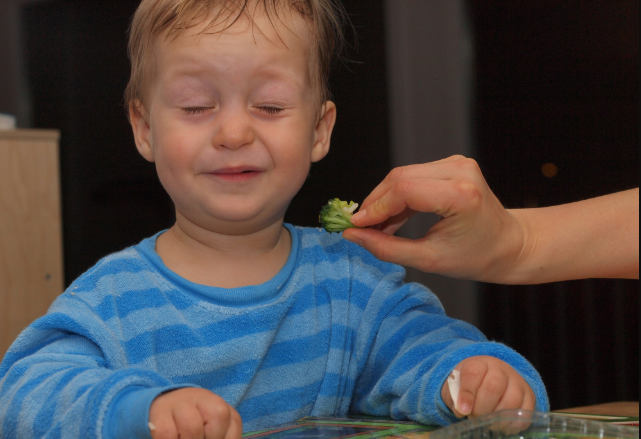
One effective technique is positive reinforcement. By providing praise or rewards when children try new foods, caregivers can create a more encouraging environment for culinary exploration. For example, if a child tries a bite of broccoli, offering enthusiastic compliments can reinforce the behavior and make it more likely that they will attempt other new items in the future.
Another essential strategy is repeated exposure. Research indicates that children may require multiple encounters with a new food before developing an acceptance or preference for it. Introducing a variety of fruits and vegetables multiple times throughout the week, without pressure for immediate acceptance, can gradually acclimate children to these healthier options.
It is also important to lead by example. Children are likely to mimic the eating habits of their parents and caregivers. If they see adults enjoying a range of nutritious foods, they may be more inclined to follow suit. Family meals should emphasize shared dishes that include a variety of healthy items, allowing children the opportunity to experiment with different tastes in a supportive context.
Lastly, creating a fun and relaxed mealtime atmosphere can significantly influence a child’s willingness to try new foods. Innovative plating, for instance, can turn a meal into an attractive presentation. Using cookie cutters to shape sandwiches or serving fruits and vegetables in colorful arrangements can pique a child’s interest, making them more excited to taste unfamiliar items.
Educating About Nutrition Through Cooking
Involving young children in cooking can serve as an effective method for teaching them about nutrition. When children participate in preparing meals, they not only learn essential cooking skills but also gain a practical understanding of the ingredients that contribute to a balanced diet. This hands-on experience can stimulate their interest in various foods, making them more likely to taste and enjoy healthy options.
Cooking with children provides an excellent opportunity to discuss nutrition in an engaging and relatable way. For instance, while measuring ingredients, parents can explain the importance of portion sizes and how different foods fuel our bodies. Using colorful fruits and vegetables can help children visualize the range of nutrients available in natural foods, making it easier for them to comprehend the values of healthy eating habits.
Moreover, culinary activities foster a sense of accomplishment in young children. When they actively contribute to the creation of a meal, it builds their confidence in trying new foods and encourages them to take ownership of their eating choices. As children see the direct outcome of their efforts, they are more likely to take pride in choosing nutritious foods for themselves.
In addition to teaching kids about nutrition, cooking can also enhance their fine motor skills and cognitive abilities. Chopping, mixing, and measuring require focus and hand coordination, which are essential developmental skills. Therefore, integrating cooking into family routines not only promotes healthy eating but also aids in overall childhood development.
By incorporating fun cooking activities into everyday life, parents and caregivers can effectively educate children about nutrition, empowering them with the knowledge and skills to make healthier food choices now and in the future.
Healthy Snack Ideas for Young Children
Encouraging healthy eating habits in young children can be greatly supported through the introduction of appealing and nutritious snack options. Parents and caregivers can prepare snacks that are both fun and fulfilling, ensuring young ones receive essential nutrients while enjoying the process of eating. Here are some practical and tasty ideas that are easy to prepare and sure to delight children.
One of the most popular choices is fruit skewers. Simply combine a variety of colorful fruits such as strawberries, bananas, and grapes on a stick. This not only makes the snack visually appealing but also encourages children to explore different fruit flavors. Pairing fruits with a small amount of yogurt for dipping can add an extra layer of taste and texture.
Vegetable sticks are another great option. Carrot, cucumber, and bell pepper sticks can be served with hummus or a light ranch dip. This combination provides a satisfying crunch along with valuable vitamins and minerals. Integrating dips makes vegetables more enticing and can introduce children to diverse flavors.
Nut butters, such as almond or peanut butter, can be spread on whole-grain crackers or apple slices. These snacks are rich in protein and healthy fats which are essential for a child’s growth and development. Just ensure that there are no allergies to consider before including nut-based products.
Finally, consider oatmeal energy bites. These homemade snacks can be made with rolled oats, honey, and add-ins like mini chocolate chips or dried fruit. They are simple to prepare, easily stored, and offer a nutrient-dense option that children will likely enjoy. With such a variety of healthy snacks available, instilling good eating habits in young children becomes a more manageable and enjoyable process.
Encouragement and Consistent Reinforcement
Encouraging healthy eating habits in young children requires continuous reinforcement and a structured approach. Ongoing encouragement plays a crucial role in helping children develop positive attitudes toward nutritious foods. When children are praised for trying new fruits or vegetables, they are more likely to repeat those behaviors in the future. Positive reinforcement can take various forms, including verbal praise, sticker charts, or small rewards, creating a motivating environment that fosters their willingness to explore healthy options.
Establishing a consistent routine is another effective strategy in promoting healthy eating habits. By incorporating regular meal and snack times, children can learn to expect nutritious food as part of their daily lives. This consistency not only helps children feel secure but also sets clear expectations about food choices. Parents can involve children in meal preparation, which not only teaches them about nutrition but also enhances their interest in healthy eating. Making meals a family event encourages children to participate and take pride in what they eat.
To further support the development of healthy eating habits, parents should offer a variety of nutritious options and allow children to select what they would like to consume. This approach helps children feel more in control of their choices and increases the likelihood of them trying new foods. It is essential to model healthy eating behaviors themselves; children often mimic the actions of adults, so demonstrating enjoyment of healthy meals can be immensely beneficial. Furthermore, making healthy foods more accessible—such as cutting fruits and vegetables into fun shapes or providing dips—can stimulate children’s interest in these options.