
Introduction to Parenting Stress
Parenting stress is a term used to describe the physical and emotional burden that caregivers often feel while tending to the needs of their children. This form of stress can arise from various sources, including the constant demands of child care, emotional expectations, and the challenge of balancing personal responsibilities with parenting duties. Many parents experience overwhelming feelings of anxiety and fatigue, which can significantly impact their overall well-being.
Common causes of parenting stress can be attributed to a multitude of factors. These may include sleepless nights, behavioral challenges posed by children, financial pressures, and the integration of parenting with professional obligations. Furthermore, the social and cultural expectations of being a perfect parent can add to this pressure, often leading to a feeling of inadequacy or failure. As the responsibilities pile up, caregivers may struggle with feelings of frustration and loneliness, resulting in a cycle of stress that seems never-ending.
The emotional toll of parenting stress can manifest in numerous ways, from irritability and mood swings to more severe mental health issues such as depression and anxiety disorders. Physically, the toll can result in symptoms such as fatigue, headaches, and an overall decline in health. These consequences underscore the importance of finding strategies to manage stress effectively.
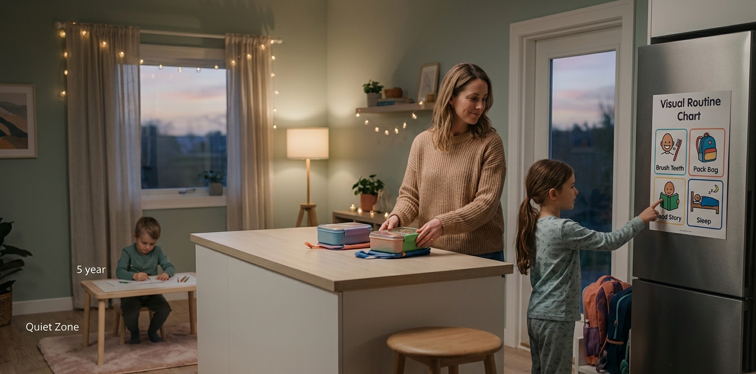
One effective approach to reducing parenting stress is the establishment of routines. By implementing structured daily activities, caregivers can create predictability in their home environment. Routines can streamline daily tasks, reduce decision fatigue, and offer children a sense of security, all of which play a vital role in alleviating stress. By prioritizing consistency and organization, parents may find themselves better equipped to handle the challenges of parenting and reclaim a sense of control over their lives.
The Importance of Routines for Families
Establishing effective routines is foundational to creating a balanced family environment. Routines provide structure for daily life, allowing both parents and children to navigate their responsibilities with greater ease. Predictable patterns, whether it involves morning rituals, meal times, or bedtime practices, cultivate a sense of stability. When family members know what to expect from their day, it inherently reduces feelings of uncertainty and anxiety.
The psychological benefits of routines are profound. Children, in particular, thrive in environments where their expectations are met consistently. This predictability nurtures a sense of security, which is crucial for their emotional development. Research indicates that children who grow up in structured surroundings tend to exhibit less anxiety and more resilience under stress. Additionally, predictable routines facilitate smoother transitions throughout the day, minimizing conflicts and promoting cooperation among family members.
Moreover, routines enhance family dynamics by fostering opportunities for connection. Meal times, story times, and other shared activities become moments of bonding, where open communication is encouraged. These interactions enable family members to express their feelings and experiences, fostering a supportive atmosphere. When routines are established collaboratively, each family member feels valued and involved, strengthening their relationships.
Furthermore, routines can mitigate parenting stress. By adhering to a schedule, parents can allocate time effectively for various tasks while also ensuring they are present for their children. Balance is achieved as families learn to prioritize together, ultimately leading to more fulfilling experiences. This harmonious structure not only strengthens individual roles within the family but also enhances collective well-being.
Parenting, while rewarding, can often manifest various stress triggers. Identifying these stress triggers is a crucial first step towards mitigating their impact. Every parent experiences unique challenges that may lead to heightened anxiety or frustration. Thus, understanding personal stressors can greatly enhance one’s ability to manage parenting stress effectively.
Self-reflection is a valuable tool in this process. Parents should take a moment to assess which specific scenarios consistently provoke feelings of stress. For instance, do school drop-offs lead to anxiety? Are dinner times chaotic, resulting in frustration? By pinpointing these moments, it becomes easier to devise strategies to tackle them. Keeping a journal can be beneficial; by documenting daily experiences and emotional responses, parents can uncover patterns that emerge over time.
Observation plays a vital role in this identification process as well. Parents can observe their interactions with children and note the reactions that follow. It is essential to evaluate not only the external circumstances but also personal emotional responses. Recognizing the physical sensations associated with stress can facilitate the identification of triggers. For example, tightness in the chest or feelings of irritability can indicate increasing stress levels during certain parenting situations.
Furthermore, seeking feedback from partners or family members can provide additional insights. Sometimes, those close to us might notice stress triggers that we overlook. An open dialogue about parenting experiences can foster a supportive environment, enabling parents to share concerns and observations regarding stressful interactions.
Ultimately, understanding personal stress triggers is paramount in developing effective parenting routines. Once identified, parents can take proactive steps to either avoid these stress-inducing situations or prepare for them better, thereby enhancing their overall parenting experience.
Creating Daily Routines That Work
Establishing effective daily routines is essential for reducing parenting stress and promoting a sense of order within the household. A structured approach to daily activities not only benefits the parents but also cultivates a predictable environment for children, ultimately enhancing their well-being. To create routines that cater specifically to individual family needs, it is crucial to consider the distinct personalities, preferences, and schedules of each family member.
Morning routines can set a positive tone for the day, particularly when they are organized and engaging. For instance, parents can develop a morning checklist that includes key tasks such as waking up, brushing teeth, and preparing a healthy breakfast. Involving children in the creation of this checklist allows them to feel a sense of ownership and responsibility. By assigning them specific duties, like packing their school bags or choosing breakfast options, children may be more inclined to adhere to the routine.
Evening routines are equally important as they provide a transition to the end of the day, promoting relaxation and readiness for sleep. Engaging in calming activities, such as reading together or discussing the day’s events, can help children wind down. A structured plan, detailing tasks like bathing, homework, and family dinner times, ensures that everyone is aligned and minimizes potential conflicts over time management.
Additionally, creating a designated time for homework and chores can instill a sense of discipline and accountability in children. Parents might consider setting aside a time block after school for homework, allowing older children to manage their own responsibilities while younger siblings can tackle age-appropriate chores. This practice cultivates teamwork and reinforces the idea that everyone contributes to the family.
In summary, effective daily routines designed with family involvement can alleviate parenting stress significantly. By customizing these routines to address unique family dynamics, parents can create a well-structured environment that encourages cooperation and ease of daily living.
Flexible vs. Rigid Routines: Finding the Balance
Establishing routines is an essential part of parenting, as they add structure to daily life and can reduce stress for both parents and children. However, there is a significant difference between rigid and flexible routines. Rigid routines are those that adhere strictly to time and activity, leaving little room for adjustment. While they can provide a sense of stability, they may inadvertently increase stress levels in families when unexpected events arise.
On the contrary, flexible routines allow for adaptability and offer parents the ability to modify their schedules to accommodate unforeseen circumstances, such as a last-minute appointment or a child’s sudden illness. This flexibility helps maintain a sense of order without escalating stress in the household. It fosters an environment where children learn that while routines are helpful, adjustments are part of life, teaching them resilience and adaptability.
It is important for parents to recognize when to hold firmly to routines and when to allow modifications. Setting designated times for meals, homework, and bedtime provides a framework that children can rely on. However, if a family outing unexpectedly overruns, or a school event shifts, it’s vital to approach these changes with a flexible mindset. This could mean altering meal plans or bedtimes without spiraling into stress over the disruption.
Ultimately, finding the right balance between flexibility and rigidity in routines is key. Encouraging healthy flexibility within family practices allows for a more positive and stress-free environment for both parents and children. This adaptability not only helps to alleviate daily pressures but also enhances family bonding, making each day a unique opportunity for connection and growth.
Incorporating Self-Care Into Routines
In the fast-paced world of parenting, it’s easy to overlook the importance of self-care. However, integrating self-care practices into daily routines can significantly reduce parenting stress, ultimately benefiting both the parent and child. Self-care is not simply a luxury; it is a necessity that nourishes one’s physical, emotional, and mental well-being.
One effective way to incorporate self-care is by scheduling short, intentional breaks throughout the day. These breaks can be as simple as taking five minutes to enjoy a cup of tea, engaging in a brief mindfulness exercise, or stepping outside for fresh air. By setting aside dedicated time for these activities, parents can recharge their energy and maintain a healthier perspective amidst the demands of daily parenting.
Additionally, enlisting the help of family members can create opportunities for self-care within existing routines. For example, parents can alternate childcare responsibilities with their partner or enlist older children to engage in activities that allow for a moment of solitude. Sharing responsibilities can cultivate a supportive environment where self-care becomes a shared value within the household.
Small changes in routine can also make a significant impact. Integrating self-care practices like exercise, journaling, or reading into established routines—such as during meal preparations or while waiting for appointments—can enhance personal well-being without overwhelming one’s schedule. Making self-care a priority sends a powerful message: that taking care of oneself is essential for a balanced family life.
Moreover, recognizing that self-care contributes to improved parenting performance is crucial. When parents prioritize their well-being, they are better equipped to handle challenges, demonstrate patience, and provide a nurturing environment for their children. By weaving these practices seamlessly into everyday life, parents can experience reduced stress while promoting a more harmonious family dynamic.
Managing Screen Time and Family Activities
In the current digital age, managing screen time in the family is essential to foster meaningful interactions. Too much screen exposure can lead to increased stress and disconnect among family members. To mitigate these effects, it’s crucial to establish a healthy balance between screen use and quality family time. This not only enhances relationships but also encourages positive communication.
One effective strategy for managing screen time is to set clear boundaries. Families can create a daily schedule that designates specific times for device usage, ensuring that screen time does not intrude upon valuable family interactions. For instance, limiting screen time during meals or before bedtime can promote conversations and bonding. In addition to providing boundaries, the implementation of tech-free zones, such as the dining room or bedrooms, can encourage families to engage with one another without distractions.
Incorporating meaningful activities into daily routines can significantly reduce stress and strengthen family bonds. Engaging in outdoor activities, such as hiking, biking, or simple walks in the park, offers families an opportunity to connect while enjoying nature. Board games and puzzles are excellent indoor alternatives that can stimulate conversations and laughter. Furthermore, cooking together can serve as a fun and educational family activity. This encourages teamwork and enables parents to teach children valuable life skills.
By actively promoting screen-free family activities, parents can create an environment that prioritizes connection and emotional support. While technology can be a beneficial tool for learning and communication, finding a balance is key to fostering a nurturing family atmosphere that ultimately reduces stress. Encouraging healthy discussions about the role of screens allows for a more mindful approach, further enhancing family dynamics.
Establishing a Support System
Establishing a support system is essential for parents seeking to reduce stress and navigate the complexities of child-rearing. The presence of a robust network of support comprising family, friends, and community resources can significantly enhance a parent’s ability to cope with daily challenges. This framework not only provides emotional support but also offers practical assistance that can alleviate some of the burdens of parenting.
To build an effective support system, parents should first identify individuals in their circle who can contribute positively. Family members often play a crucial role, as they may already have a vested interest in the well-being of both the child and the parents. Additionally, enlisting the help of friends who understand parenting challenges can create a reliable network that offers both social interaction and practical aid.
Community resources are another vital aspect of establishing a support framework. Local parenting groups, child care co-ops, and online forums can provide invaluable information and emotional reinforcement. Engaging with these resources allows parents to share experiences and solutions, thus improving their coping strategies and overall parenting journey. Participating in community programs can also introduce parents to others in similar situations, fostering relationships that can lead to collaborative childcare solutions.
Sharing responsibilities is a critical element of an effective support system. Parents should feel comfortable asking for help when necessary, whether it involves childcare, advice on managing specific challenges, or simply having someone to talk to. By recognizing that seeking help is not a sign of weakness but rather a proactive approach to managing stress, parents can better navigate their roles. Ultimately, an established support system equips parents with the tools necessary to foster a nurturing environment, reducing stress for everyone involved.
Conclusion: Sustaining Routines for Long-Term Benefits
In the journey of parenting, establishing effective routines serves as a crucial pillar for reducing stress and promoting a harmonious family environment. Throughout this blog post, we have explored how tailored routines can significantly improve daily life for both parents and children. When families adopt structured schedules, they enhance predictability, which not only diminishes stress levels but also fosters a sense of security among children. This predictability is essential for their emotional well-being and overall development.
Moreover, the implementation of these routines should be adaptive; as families grow and evolve, so too should their schedules. Parents are encouraged to regularly assess their routines to accommodate changing circumstances, activities, and developmental stages in their children’s lives. An effective routine is not static; rather, it evolves to reflect the unique dynamics of a family. Maintaining flexibility allows parents to better manage transitions and challenges, further mitigating potential sources of stress.
In essence, the long-term benefits of effective routines extend beyond mere time management. They create an atmosphere of stability and trust, which can lead to improvements in behavioral outcomes and emotional resilience in children. Parents who actively engage in and uphold these routines are likely to experience increased satisfaction in their parenting roles, as well as enhanced relationships with their children. This positive impact contributes to a nurturing environment that promotes growth and well-being.
As you reflect on the strategies covered, consider integrating and refining your family routines. By taking proactive steps to manage stress through well-structured daily practices, you pave the way for a more fulfilling parenting experience, one that promotes the health and happiness of both parents and children alike.