
Few pieces of clothing work as hard as a good dress. One garment gives you a complete outfit, and with a change of shoes or a light jacket it can move from a morning meeting to an evening out. Yet standing in front of a crowded rail of options, whether in a shop, a market or on a screen, it is easy to feel unsure. Which cut suits you? Which fabric will stay comfortable through a hot afternoon? And how do you avoid buying something that looks lovely on the hanger but never leaves the wardrobe?
This guide walks through the essentials: the main dress styles, how to dress for your shape, what to wear for different occasions, and how to shop, fit and care for your pieces so they last. The aim is not to follow every trend, but to understand why certain dresses feel right on you and others do not. Once you know that, every shopping trip becomes quicker, calmer and far less likely to end in regret. It also means you can buy fewer pieces and wear each of them more often, which is kinder to both your budget and your wardrobe space.
Know the Main Dress Styles
Understanding the basic silhouettes makes shopping far easier, because you learn to recognise what works for you at a glance. Knowing the names also helps you describe exactly what you want to a shop assistant, a seller or a tailor, and to spot a well-made version of a style you already love, whether you are shopping in person or online. Before you commit to a purchase, browsing current offers of dresses for ladies lets you compare cuts, fabrics and prices side by side and get a feel for what is available in your size. Here are the styles worth knowing:
- Shift dress: a straight, loose cut that falls from the shoulders without a defined waist. Clean, easy and ideal for work.
- A-line dress: fitted at the top and gently widening towards the hem, like the letter A. Widely flattering.
- Wrap dress: one side crosses over the other and ties at the waist, creating a V-neckline and an adjustable fit.
- Bodycon dress: close-fitting, usually in a stretch fabric, designed to follow the body’s lines.
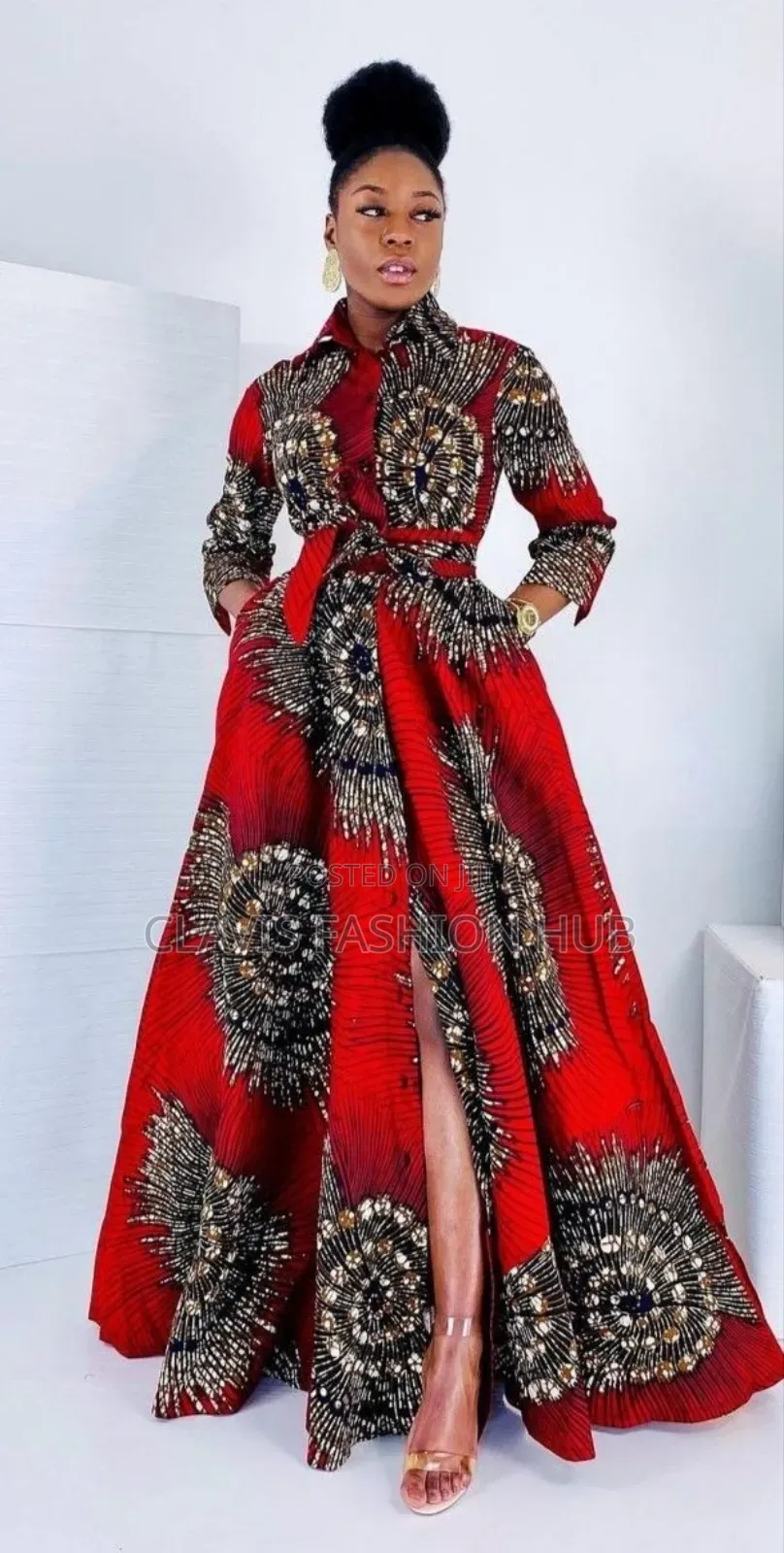
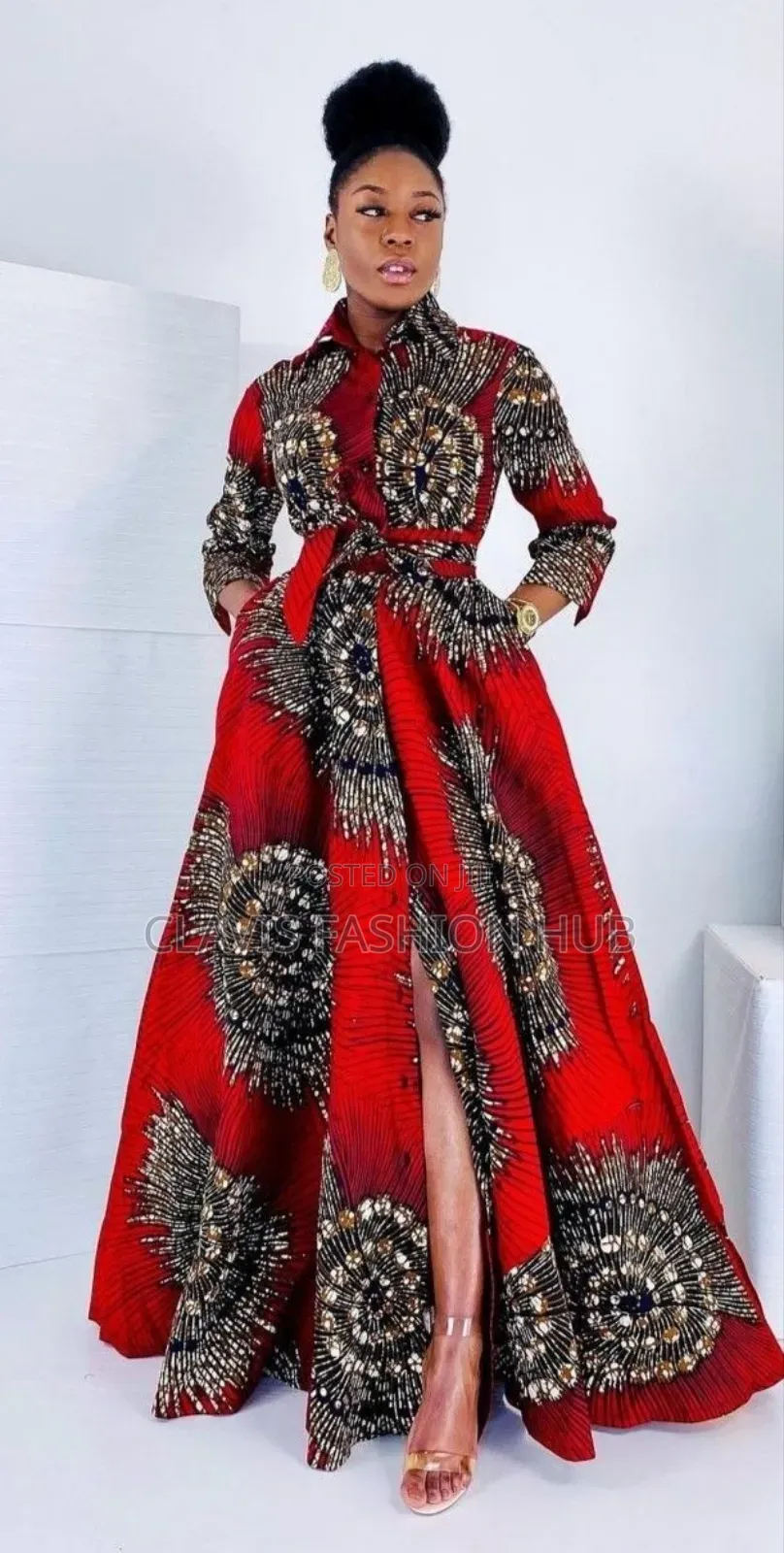
- Maxi dress: reaches the ankle or floor. Relaxed in cotton, elegant in chiffon or satin.
- Midi dress: ends somewhere between the knee and the ankle. A versatile length that suits almost any setting.
- Mini dress: sits above the knee. Fun and youthful.
- Shirt dress: borrows the collar and button front of a shirt. Smart-casual and easy to belt.
- Slip dress: a simple, bias-cut style with thin straps, often in satin. Works alone or layered over a T-shirt.
- Fit-and-flare dress: fitted through the bodice and waist, then flaring into a fuller skirt. Feminine and forgiving.
- Kitenge and Ankara print dresses: bold African wax-print fabrics that can be cut into almost any of the styles above. They bring colour and personality, and look equally good at a celebration or on a relaxed weekend.
Dressing for Your Body Shape
There is no such thing as a wrong body, only styles that make you feel more or less like yourself. Thinking about shape is simply a way to highlight what you love and feel comfortable.
- If you have a defined waist, wrap, fit-and-flare and belted shirt dresses show it off beautifully.
- If your hips are fuller than your shoulders, A-line skirts skim gracefully, while detail at the neckline or sleeves draws the eye upwards.
- If your shoulders are broader than your hips, V-necks and fuller skirts create balance.
- If you have a straighter frame, shift dresses look sleek, and a belt or peplum can add curves if you want them.
- If you prefer a softer fit around the middle, empire waists and flowing fabrics such as jersey and viscose feel easy and look polished.
Choosing a Dress by Occasion
The office
Shift, sheath, shirt and A-line dresses in solid colours or subtle prints are reliable choices. Aim for knee length or longer, sleeves or a jacket, and fabrics that do not crease easily.
Church and religious services
Modest lengths, covered shoulders and comfortable fabrics are usually appreciated. A midi or maxi in a cheerful print, paired with a light shawl, is both respectful and stylish.
Weddings and ceremonies
This is the time for richer fabrics, statement prints and tailored shapes. Avoid white unless the couple has requested it, and check whether there is a colour theme.
Dates and evenings out
Bodycon, slip and wrap dresses shine here. Highlight one feature and keep the rest simple.
Casual weekends
Cotton shirt dresses, jersey T-shirt dresses and relaxed maxis work well for errands, brunch and visiting friends.
Holidays at the coast
Light, breathable fabrics in bright colours are ideal. Maxi and midi dresses in cotton or linen double as beach cover-ups and dinner outfits.
Fabrics for Warm Days and Cooler Evenings
Fabric decides whether a dress feels pleasant or uncomfortable after a few hours. For warm weather, look for:
- Cotton: breathable, soft and easy to wash.
- Linen: very cool and airy, though it creases.
- Chiffon: light and floaty, good for special occasions, usually lined.
- Viscose or rayon: drapes nicely and feels cool against the skin.
- Jersey: stretchy and comfortable, great for travel and casual wear.
- Satin: smooth and glossy, perfect for evening, though it can feel warm in the midday sun.
In places where evenings turn chilly, such as Nairobi, layering keeps your summer dresses in use all year. A denim or leather jacket adds edge, a fine-knit cardigan keeps things soft, and a flowing kimono adds colour without much weight.
Colours and Prints
Neutral shades such as black, navy, beige and olive are easy to style and ideal for work. Bright colours lift the mood and photograph well at celebrations.
With prints, scale matters. Small patterns tend to look refined, while large, bold prints make a statement.
Accessorising Your Dress
- Shoes: block heels and wedges are practical on uneven pavements; flat sandals and trainers suit casual looks; slim heels add polish in the evening.
- Bags: a structured tote for work, a crossbody for errands and a small clutch for events cover most needs.
- Jewellery: match the scale to the neckline. High necks suit earrings; open necklines leave room for a pendant or statement piece.
- Belts: an easy way to define the waist on shift and shirt dresses, or to change the look of a dress you wear often.
Finding the Right Size
Sizes vary widely between manufacturers and countries, so the number on the label is only a starting point. Imported and second-hand pieces may follow UK, US, European or Asian sizing. Take your own measurements with a soft tape and keep them on your phone:
- Bust: around the fullest part of the chest.
- Waist: around the narrowest part of the torso.
- Hips: around the fullest part of the hips and bottom.
- Length: from the shoulder to where you want the hem to fall.
Compare these numbers against the seller’s measurements rather than the size label. If you fall between sizes, choose the one that fits the widest part of your body, since taking a dress in is easier than letting it out.
Smart Buying Tips
- Second-hand and mitumba: pre-owned clothing can offer quality fabrics and unique finds. Check seams, zips, underarms and hems carefully, look for stains in good light, and wash everything before wearing.
- Tailor-made: a skilled tailor can create a dress that fits you precisely, in the fabric and style you choose. Bring reference photos, agree on the details and allow time for a fitting.
- Buy with intention: before purchasing, think of at least three ways you would wear the dress.
Caring for Your Dresses
Good care keeps dresses looking new for longer. Always follow the care label. Wash delicate fabrics such as chiffon and satin by hand or in a mesh bag on a gentle cycle, and use cool water to protect colours, especially bright prints. Dry dresses in the shade, as strong sun fades fabric. Hang woven dresses on padded hangers and fold knits to prevent stretching.
Building a Small, Versatile Dress Wardrobe
You do not need dozens of dresses to feel well dressed. A small, thoughtful collection can cover almost every situation:
- A neutral shift or sheath dress for work.
- A wrap or fit-and-flare dress that moves from day to evening.
- A comfortable cotton or jersey dress for weekends.
- A flowing maxi for holidays and warm days.
- A statement print dress, such as a kitenge or Ankara design, for celebrations.
- An elegant evening option, such as a slip or bodycon dress.
Add a jacket, a cardigan and two or three pairs of shoes, and you have dozens of outfits.
The bottom line
The best dress is the one that fits well, suits the occasion and makes you feel confident. Learn the main silhouettes, know your measurements, choose fabrics that suit the weather and invest in a few versatile pieces rather than many you rarely wear. Whether you buy new, hunt for second-hand treasures or have something made to measure, a little planning turns every dress into an outfit you will reach for again and again.