The price tag on a piece of clothing is only part of what it actually ends up costing you. A jacket that fits poorly doesn’t just sit awkwardly in photos; it often gets worn a handful of times before disappearing to the back of the closet, replaced eventually by something else, while the original purchase quietly becomes money spent for almost nothing in return. Multiply that pattern across a few pieces a year, and the real cost of buying without checking fit properly adds up to far more than most people realize.
This guide breaks down where that hidden cost actually comes from in dollars, in closet space, and in the pieces you end up buying twice, and what tends to prevent it. The goal isn’t to spend more upfront, but to spend more deliberately, so the things you buy actually get worn.
The Cost No One Calculates at Checkout
At the moment of purchase, cost usually means one number: the price on the tag. What that number doesn’t include is how often the item will actually get worn, whether it will need alterations, or whether it will eventually get replaced by something that fits the way the original should have.
A $150 jacket worn fifty times costs three dollars a wear. The same jacket worn three times before being abandoned costs fifty dollars a wear, and that’s before factoring in whatever eventually replaces it. Fit is usually the deciding factor in which of those outcomes you end up with.
Where the Money Actually Goes
The hidden cost of poor fit tends to show up in a few predictable places.
Clothes You Buy but Rarely Wear
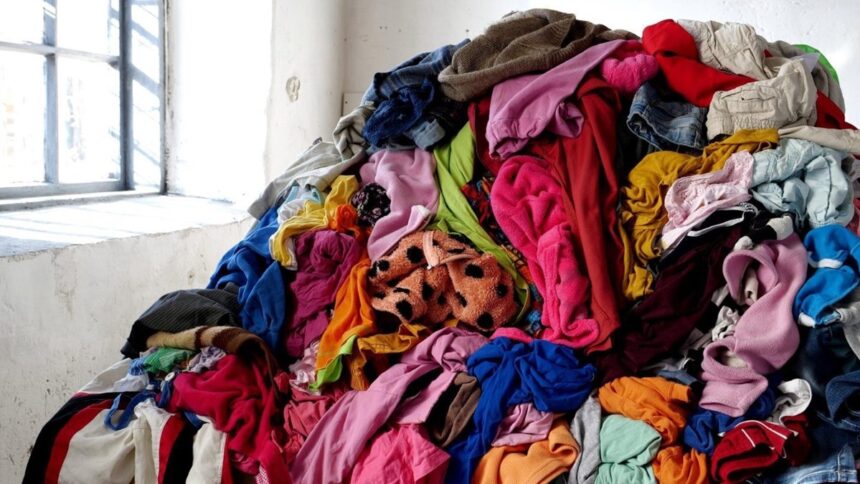
Almost everyone has at least one item hanging in their closet that looked fine in a fitting room mirror but never quite worked once they actually wore it out. Ill-fitting clothes are one of the most common reasons for this. A jacket that pulls slightly across the shoulders or sleeves that run too long becomes something you reach for less and less, even if you can’t always articulate why, until it’s essentially unused money hanging in your closet.
The Tailoring Bill You Didn’t Plan For
Alterations aren’t inherently a bad thing, but they add up quickly when they become a routine fix for items that should have fit closer to correctly from the start. Shortening sleeves, taking in a waist, or adjusting a hem can each cost a meaningful fraction of the item’s original price, and those costs rarely get factored into the decision to buy in the first place.
Replacing the Same Item Twice
The most expensive version of this pattern is buying a category of item a jacket, a pair of trousers, a coat getting the fit wrong, and then buying essentially the same category of item again once the first one proves unwearable. This effectively doubles the cost of a single purchase without doubling the value received from it.
Fit-Related Costs That Aren’t About Money
Not every cost shows up on a receipt. Clothes that don’t fit properly tend to get worn with visible self-consciousness, which affects how confident and comfortable someone actually feels in them, regardless of how much the piece cost. There’s also a time cost: sorting through a closet full of items that don’t quite work takes longer than getting dressed from a smaller wardrobe of pieces that reliably fit.
Outerwear Is Where This Adds Up Fastest
Jackets and coats tend to be where the hidden cost of poor fit shows up most clearly, largely because they’re worn over everything else and are the first thing anyone notices. A jacket bought slightly too big “to layer under” or slightly too small “to save for when I lose weight” rarely gets the wear its price is justified for, and buying a second, better-fitting jacket afterward means paying for the same category of item twice.
This is especially true for structured pieces like leather jackets, where fit issues are more visible than they would be in a looser knit or a casual pullover. Taking the time to properly try on a men’s hooded leather jacket before buying, rather than ordering based on a general size guess, tends to prevent exactly the kind of unworn-jacket-in-the-closet outcome that drives up the real cost of the purchase.
How to Avoid Paying the Hidden Cost
A few habits consistently reduce the odds of an expensive fit mistake:
- Try before you buy whenever possible. Online returns work, but they add friction, and friction is often the reason an ill-fitting item never gets sent back.
- Check a brand’s specific size guide, not just the size you usually wear. Sizing varies enough between brands that assumptions cost real money.
- Budget for basic tailoring on key pieces, but only if the core fit. shoulders, in particular is already close to correct.
- Track how often you actually wear recent purchases. A pattern of low wear on certain items is a clear signal to change how you’re buying that category going forward.
Where to Start If You Want to Break the Cycle
Breaking the pattern usually starts with being more selective about where and how you buy structured pieces like jackets, rather than defaulting to whichever option is fastest or most familiar. Specialty retailers that focus specifically on one category tend to offer more detailed sizing information than general clothing stores. The Leather Coats provides fit and sizing guidance specific to leather outerwear, which is useful given how differently leather behaves compared to other materials once it’s actually worn.
FAQ
FAQ 1: How much does poor fit actually cost over time?
It varies, but the real cost includes the original purchase price, any alterations, and the eventual replacement item, which together often exceed what a single well-fitted piece would have cost upfront.
FAQ 2: Is it worth paying for tailoring on cheaper clothes?
It depends on the fit issue. Minor adjustments are often worth it if the core fit, especially the shoulders on a jacket, is already close to correct. If the base fit is significantly off, tailoring costs add up without solving the underlying problem.
FAQ 3: Why do jackets seem to have more fit problems than other clothing? Jackets are structured and worn over other layers, which makes fit issues in the shoulders and sleeves far more visible than they would be in a looser, more forgiving garment like a T-shirt.
FAQ 4: How can I tell if I’m buying clothes that don’t fit before it becomes a wasted purchase?
Try the item on and move naturally: raise your arms, sit down, walk around, rather than just checking it in a static mirror pose. Items that feel restrictive or loose during movement usually end up unworn.
FAQ 5: Does buying more expensive clothing prevent this problem?
Not on its own. Price reflects materials and construction more than fit accuracy, so a higher price tag doesn’t guarantee the item will actually fit your specific proportions.
Final Thought
The real cost of clothing that doesn’t fit rarely shows up at checkout — it shows up months later, in the form of unworn pieces, unplanned tailoring bills, and items quietly replaced by something that should have fit the first time correctly. Slowing down at the point of purchase, checking fit properly rather than guessing at a size, and being selective about where you buy structured pieces like jackets pays for itself far faster than most people expect.