Understanding the Milestones of Crawling and Walking
The journey of development in infants is a remarkable process, particularly regarding crawling and walking, as these milestones are crucial indicators of physical and cognitive growth. Typically, most babies begin to crawl between the ages of 6 and 10 months. Crawling helps strengthen their muscles, improve coordination, and enhance spatial awareness. During this phase, babies might adopt various crawling styles, such as the traditional crawl or the belly crawl. Each method is part of their exploration and adaptation to their surroundings.
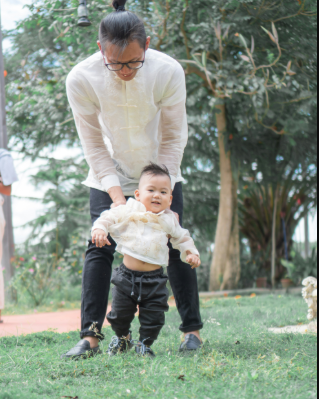
As infants approach their first birthday, many will transition to standing and eventually walking. The average age for walking is around 11 to 14 months. However, some babies may take their first steps as early as 9 months, while others may continue to develop their strength and balance, taking a little longer. During this period, you may observe a progression of skills like pulling up to a standing position, cruising along furniture, and finally, taking independent steps.
These milestones not only represent physical achievements but also play a vital role in cognitive and emotional development. As babies learn to crawl and walk, they gain a better understanding of their environment, fostering independence and confidence. Engaging with their surroundings enhances their curiosity and encourages problem-solving skills, as they navigate different terrains and obstacles. Furthermore, witnessing these milestones can significantly impact the emotional bond between the child and caregivers, often filled with joy and encouragement.
Overall, crawling and walking are essential components of early childhood development. Supporting your baby through these stages allows them to develop critical skills that will benefit them throughout their lives. Encouraging exploration in a safe and nurturing environment will empower them to reach these milestones at their own pace.
Creating a Safe Environment for Movement
Creating a safe environment for babies to crawl and walk is essential for their development, as it allows them to explore their surroundings and build their motor skills. A well-designed space decreases the risk of accidents and fosters a sense of independence. The first step in ensuring a safe environment is to thoroughly baby-proof your home. This involves identifying potential hazards that could pose risks to a baby’s safety.
Begin by securing heavy furniture, such as bookcases and dressers, to the wall to prevent tipping. Additionally, cover sharp edges and corners of furniture with protective bumpers designed specifically for this purpose. Electrical outlets should also be blocked or covered with safety plugs to keep curious little fingers away from potential danger. It is important to remove any small objects or choking hazards from the floors and surfaces that an infant might access.
In addition to securing the home, creating spacious and soft areas for babies to explore is vital. Designate a play zone filled with soft rugs or thick play mats, which can cushion falls. Keeping enough space allows babies the freedom to move, as crawling and walking require room for practice. Ensure that this area is well-lit, as good visibility helps both infants and caregivers monitor safe play. Consider using gates to restrict access to areas with more hazards, like staircases or kitchens.
Furthermore, supervising babies during their exploration is crucial. While baby-proofing reduces risks, vigilance remains necessary as infants may still encounter unforeseen dangers. By fostering a safe environment that encourages movement, parents and caregivers can provide an ideal setting for babies to crawl, walk, and develop essential skills with confidence.
Encouraging Crawling through Play
Encouraging crawling in infants is pivotal for their physical development, and one of the most effective ways to promote this necessary skill is through engaging play activities. Various interactive games not only entertain but also motivate babies to crawl, enhancing their strength and coordination. For instance, playing peek-a-boo from a distance can stimulate a baby’s curiosity and urge them to move towards their caregiver, facilitating crawling in an enjoyable manner.
Crawling aids, like tunnels, provide an exciting environment for babies to explore. These toys are designed to entice infants to navigate through, thereby practicing their crawling skills in a safe and playful setting. Tunnels can effectively create a sense of adventure, encouraging babies to crawl as they chase after toys or family members on the other side. Such activities not only boost crawling proficiency but also inspire a sense of accomplishment.
The significance of supervised playtime cannot be overstated, as it ensures that the crawling sessions are safe and beneficial. Parents and caregivers should provide an appropriate range of surfaces for crawling, such as soft mats or carpets, which are ideal for minimizing potential injuries. An encouraging environment where babies can experiment with different textures and resistance levels can enhance their crawling experience. Moreover, engaging with infants during playtime—by clapping, cheering, or providing verbal cues—greatly motivates them to keep moving. Doing so significantly increases their desire to crawl further, enhancing not just their physical capabilities, but also their cognitive and emotional development.
In summary, integrating purposeful play activities and utilizing crawling aids while ensuring supervised playtime on diverse surfaces are essential strategies for fostering crawling in infants. These methods create a dynamic space for babies to thrive, encouraging them to explore their world while developing essential motor skills.
The Role of Tummy Time in Developing Crawling Skills
Tummy time is a critical component of a baby’s development, particularly in the realm of crawling. This activity involves placing the infant on their stomach while they are awake and supervised, which helps to strengthen the muscles in their neck, shoulders, arms, and back—muscles that are essential for crawling. Engaging in tummy time not only aids physical development but also enhances motor skills, providing babies with the necessary foundation to explore their surroundings more independently.
To effectively incorporate tummy time into a daily routine, it is recommended to start with short intervals. Newborns may only tolerate a few minutes at a time, so begin with 3-5 minutes of tummy time several times a day. Gradually increase the duration as the baby becomes more comfortable and stronger. It is important to choose a safe, comfortable space for tummy time, such as a clean play mat or blanket on the floor, ensuring that the area is free of any hazards.
Making tummy time enjoyable is essential to encourage participation. Parents and caregivers can engage the baby by getting down on the floor with them, using toys that encourage reaching, or singing to them. Mirroring the baby’s movements can also promote interaction and make the experience more enjoyable. Additionally, changing the scenery can help keep the baby’s interest peaked—consider placing a mirror or colorful toy just out of reach.
Ultimately, incorporating tummy time into a baby’s daily activities is essential for developing the strength and coordination necessary for crawling. Establishing a consistent routine not only supports physical health but also fosters a stronger bond between the caregiver and the child through interactive play.
Techniques to Promote Walking Once Crawling is Established
Once babies have mastered crawling, the next developmental milestone is learning to walk. Several techniques can effectively encourage this transition, promoting mobility and confidence in their newfound skills. The following strategies can be adopted to facilitate this progression.
Standing support is one of the most effective techniques. Parents can help their children by providing sturdy furniture or even their own bodies for support. Encouraging babies to pull themselves up to a standing position helps strengthen their leg muscles. Additionally, it fosters balance and coordination, essential components for walking. Parents should ensure that the surrounding area is safe, minimizing the risk of injury during these early attempts.
Another practical method involves the use of push toys. These toys are specifically designed to give babies stability as they transition from crawling to walking. Push toys often feature a sturdy base and are easy to grasp, allowing babies to practice walking while feeling secure. Parents can guide their children as they push the toys around the room, enhancing their walking skills and providing an enjoyable play experience.
Creating safe practice locations is also paramount in promoting walking. Designating a spacious area with a low, padded surface encourages babies to explore their abilities without the constant worry of hazards. Soft flooring, such as rugs or play mats, can provide a safer environment for practicing standing and cruising, which is when babies walk while holding onto furniture for support.
Ultimately, blending these techniques can significantly ease the transition from crawling to walking. Patience and encouragement play vital roles in ensuring that babies feel secure as they embark on this exciting journey of growth and development.
Monitoring Your Baby’s Progress and When to Seek Help
Tracking your baby’s developmental milestones, specifically in crawling and walking, is crucial for any parent. As your infant grows, their physical abilities typically progress through specific stages, and being aware of these can help you monitor their progress effectively. Most babies begin to crawl between 7 to 10 months of age and typically start walking between 10 to 14 months. However, variations exist, and some children may begin these skills earlier or later than the typical range.
One of the primary ways to assess your baby’s progress is by observing their physical activities and mobility. You can encourage crawling by providing safe spaces where they can explore and enhancing their motivation through toys placed at a distance. Observing how your infant moves across the floor or pulls themselves up on furniture can indicate their progress in crawling. For walking, watch for signs of independent standing and cruising along furniture.
While most babies develop at their own pace, certain red flags may indicate a need for concern. If your baby is not crawling by 12 months, or not walking by 18 months, it may be time to consult with a pediatrician. Other signs that may warrant a professional opinion include a noticeable lack of interest in movement or difficulty in maintaining balance while standing. Additionally, if your baby does not respond to stimuli or seems excessively stiff or floppy, seeking medical advice is advisable.
Regular pediatric check-ups are crucial as they provide an opportunity for parents to discuss their child’s developmental progress with a healthcare professional. The pediatrician can offer guidance, reassurance, and if necessary, recommend further assessments or resources to support your child’s growth. Remember, early intervention is key to addressing potential developmental delays.
The Importance of Encouragement and Praise
During the crucial phases of crawling and walking, the psychological development of a baby plays a vital role in nurturing their newfound skills. Encouragement and praise are fundamental elements that contribute to a child’s confidence and willingness to explore their environment. When caregivers actively provide positive reinforcement, it creates an atmosphere where babies feel safe and motivated to engage in physical activities.
Positive reinforcement serves to validate a baby’s efforts and achievements, no matter how small. Verbal affirmations, such as “Great job!” or “Look how far you crawled!” instill a sense of accomplishment in children. This reinforcement not only boosts their confidence but also encourages them to take further risks, such as attempting to crawl further or take their first steps. Moreover, the tone and enthusiasm in a caregiver’s voice can significantly impact a baby’s emotional response, making them more excited to continue practicing their motor skills.
Creating a supportive atmosphere also extends beyond verbal praise. Caregivers can facilitate safe spaces for exploration without overwhelming distractions, allowing babies to focus on crawling and walking. By minimizing hazards in their environment, parents can foster an atmosphere where children are encouraged to explore freely without fear of injury. This balance of safety and encouragement is paramount for healthy psychological development and promotes a spirit of perseverance in children as they master new skills.
Ultimately, the role of encouragement and praise goes beyond mere physical achievements. It is about fostering a love for movement, exploration, and independence in children. As they receive ongoing support, babies learn to associate their efforts with positive outcomes, which shapes their overall ability to tackle challenges in their lives ahead.
Common Safety Concerns When Babies Start to Move
As babies begin to crawl and walk, they encounter numerous development milestones that come with a range of safety concerns. The inquisitive nature of infants means they explore their surroundings, leading to potential hazards that caregivers must address. Understanding and mitigating these risks is crucial for ensuring a safe environment for active learners.
One of the most common dangers is falling. When babies crawl and attempt to stand, they are often unsteady and may lose their balance. Consequently, sharp corners of furniture, stairs, or uneven flooring can pose serious threats. To reduce this risk, parents should use corner guards on furniture, ensure stairways are gated, and keep floors free of obstacles. Regularly checking the baby’s play area for hazardous items also helps create a safer environment.
Another concern is the accessibility of choking hazards. As babies crawl and explore, they may find small objects that can be swallowed or choked on. It is vital for caregivers to perform regular sweeps of living spaces, removing small items like coins, small toys, or parts that can fit in a baby’s mouth. Keeping toys that are age-appropriate and too large to swallow can significantly reduce the risk of choking.
Additionally, household chemicals or potentially poisonous substances need to be stored securely. Babies are naturally curious, which means they might reach for and attempt to put into their mouths anything they can find, including cleaning supplies and medications. Locking cabinets and utilizing child-proof locks can help prevent access to these dangerous items.
Being vigilant about these concerns will not only protect babies from injuries but will also promote their independence and exploration safely. Ensuring a secure environment is vital for encouraging mobility and growth, allowing babies to learn and thrive as they develop their crawling and walking skills.
Celebrating Mobility Milestones: Ideas for Parents
As your baby reaches significant mobility milestones such as crawling and walking, it is important to celebrate these achievements in ways that foster joy and encourage further development. There are numerous creative ideas that can help parents mark these precious moments, creating a positive atmosphere for their little ones. One simple way to celebrate is to organize a mini photo shoot during your baby’s first crawl or walk. Capturing these milestones not only provides lasting memories but also makes your child feel special.
Parents can also create a sensory-themed play area that highlights different materials and textures to encourage exploration. This can be particularly rewarding as babies become mobile, allowing them to experience their environment in new ways. Integrating fun toys or obstacles can enhance their crawling or walking experience, making the journey enjoyable while also providing a reason to celebrate their progress.
Family gatherings can also serve as an excellent platform to acknowledge these milestones. Inviting close family members to a small celebration fosters a supportive environment, where everyone can encourage and cheer on the little one. Providing a special treat or gift that symbolizes mobility—such as a customized walker or a soft toy—can imbue the occasion with added significance.
Lastly, instilling a sense of achievement can be accomplished through praise and encouragement. Sharing your child’s progress on social media not only keeps loved ones updated but often leads to positive comments that reinforce the child’s accomplishments. Meaningful interaction around mobility milestones helps motivate babies, encouraging them to continue exploring their world. Remember, celebrating these transitions fosters a loving connection and affirms your child’s growth and development, establishing a foundation for lifelong learning and exploration.