
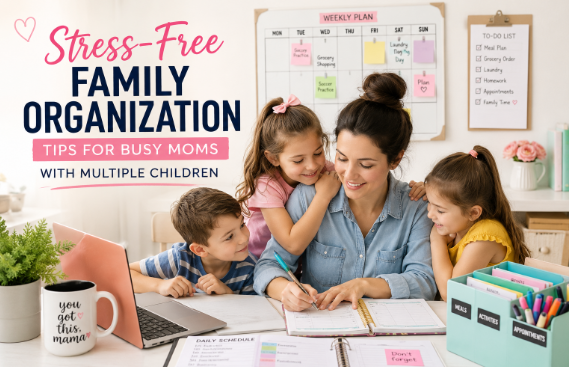
Understanding the Unique Challenges of Busy Moms
Busy moms with multiple children often face a distinct set of challenges that can significantly impact their daily lives and overall family organization. One of the primary hurdles is managing time efficiently. With various commitments such as school runs, extracurricular activities, and household chores, finding adequate time for each task can be quite daunting. The constant juggling of schedules can lead to a feeling of being overwhelmed, as it requires meticulous planning and coordination.
Moreover, competing schedules among siblings add another layer of complexity. Each child may have their own activities, appointments, and social obligations, making it challenging for moms to streamline family duties. This can create a chaotic environment where one child’s needs may overshadow another’s, leading to an imbalance in attention and care. Consequently, it becomes essential for busy moms to seek strategies to harmonize their children’s schedules without sacrificing personal time or well-being.
The emotional toll of balancing multiple responsibilities should not be underestimated. Many mothers experience feelings of guilt for not being able to devote equal time to each child or for needing to prioritize certain tasks over others. This emotional strain can affect a mother’s mental health and overall energy levels, leading to burnout if adequate support and organization are not in place. Additionally, the stress associated with juggling these duties can ripple through the family unit, impacting children’s behavior and family dynamics.
In summary, understanding the unique challenges faced by busy moms with multiple children is crucial for developing effective family organization strategies. By recognizing these difficulties, moms can better navigate their roles and seek solutions that promote a more structured and harmonious family environment.
The Importance of Prioritization and Planning
In the realm of managing a busy household, particularly for mothers with multiple children, prioritization and planning serve as essential pillars for achieving a stress-free family environment. Effective prioritization allows parents to discern which activities and responsibilities require immediate attention while identifying those that can be handled later or delegated. This strategic approach not only alleviates stress but also contributes significantly to the overall well-being of the family unit.
To establish a foundation of prioritization, it is advisable to regularly sit down together as a family to discuss upcoming events, obligations, and individual commitments. This collective engagement fosters a sense of shared responsibility and allows for the identification of top priorities that should take precedence. Recognizing what truly matters enables families to channel their time and energy efficiently, focusing on activities that enhance their relationships and create lasting memories.
Another critical aspect of effective family organization is the implementation of a planning routine. This can be achieved through the development of a family calendar, either digital or physical, where important dates, such as appointments, school events, and extracurricular activities, are recorded. By having a visual representation of upcoming events, family members can better coordinate their schedules and avoid potential conflicts. Incorporating a weekly planning session can also prove beneficial; during this time, family members can review the week’s agenda, make adjustments, and ensure that no essential tasks are overlooked.
Moreover, fostering the habit of using checklists for daily tasks can enhance accountability and productivity within the household. This approach not only streamlines daily routines but also allows busy moms to track progress and celebrate accomplishments, no matter how small they may seem.
Creating a Family Command Center
Establishing a family command center is an effective strategy for busy moms managing multiple children. A dedicated space in the home serves as a centralized point for family organization, enhancing communication and ensuring that all members are aligned with their daily responsibilities. The design of the command center can vary, but it should ideally include a message board, calendar, and a supply station to meet the unique needs of the family.
To initiate this process, first, select a location that is easily accessible to all family members. This could be a wall in the kitchen, a hallway, or even a specific area at the entrance of your home. The space should be large enough to accommodate the necessary components without feeling overcrowded, as a serene environment promotes better organization.
Next, introduce a message board to facilitate quick updates. You could opt for a simple whiteboard or a corkboard where family members can pin important notes, reminders, or messages. This board becomes an essential tool for communication among family members, ensuring that everyone stays informed about activities, appointments, and special events.
A family calendar is another crucial element of your command center. It can be either a physical wall calendar or a digital version accessible through family devices. Marking school events, extracurricular activities, and important family dates will help in visualizing the month ahead, thus minimizing the likelihood of overlooked commitments.
Additionally, incorporate a supply station equipped with essential organizational tools such as stationery, post-it notes, pens, and folders. This station should be stocked regularly, making it easy for family members to access materials needed for school projects, art activities, or even grocery lists.
Implementing a family command center not only streamlines organization but also fosters a sense of collaboration and accountability among family members, making day-to-day life smoother for busy moms overseeing multiple children.
Incorporating Routine into Daily Life
Establishing a routine can bring numerous benefits to both parents and children, creating a more organized and stress-free environment. A well-structured routine allows families to navigate daily activities with increased efficiency while promoting a sense of security and stability in children. Parents can overcome chaotic mornings and evenings by prioritizing a consistent framework for daily tasks.
When developing a morning routine, it is essential to account for the varying ages and needs of children. For younger children, a visual schedule featuring pictures can help them understand what comes next, such as brushing teeth, getting dressed, and having breakfast. Meanwhile, older children may benefit from a checklist that allows them to take responsibility for their own tasks, enhancing their sense of autonomy. A well-timed morning can set a positive tone for the entire day, reducing stress and increasing productivity for everyone in the household.
Evening routines are equally important as they facilitate a smooth transition from daytime activities to bedtime. Incorporating calming practices such as reading or doing relaxation exercises can help signal the end of the day for children. Designated family time, perhaps involving a brief conversation about the day or planning for tomorrow, can foster communication and connection, reinforcing the family unit.
For larger families, integrating a shared family calendar can effectively coordinate schedules, ensuring that all members are informed and involved. Setting a specific time for communal activities, such as dinner preparations, can provide an opportunity for bonding while preparing for the next day. With thoughtful planning and consistent routines, busy families can experience significant reductions in chaos, allowing for more intentional family interactions and enjoyable moments together.
Utilizing Technology to Stay Organized
In today’s fast-paced world, technology has become an invaluable asset, particularly for busy moms managing familial responsibilities. To effectively streamline daily routines, integrating technological tools can make a significant difference in organization and communication. There are numerous applications specifically designed for task management, scheduling, and collaborative planning, which can aid families in staying on track.
One of the most popular types of applications is family calendar apps. These platforms, such as Google Calendar and Cozi, allow for synchronized schedules. Each family member can add and view appointments, activities, and events, ensuring that everyone stays informed. Features like reminders and notifications further enhance usability, enabling families to manage their time effectively.
Task management apps, like Todoist or Trello, are also excellent resources for maintaining order amidst chaos. By creating shared lists, mothers can delegate chores and responsibilities among family members, fostering a sense of teamwork. This not only lightens the load for busy moms but also teaches children about accountability and responsibility.
In addition to calendar and task apps, communication tools such as WhatsApp or GroupMe facilitate real-time discussions and updates. By creating family groups, communication becomes centralized and simplistic, which is particularly beneficial for coordinating pickups, outings, or addressing last-minute changes.
To seamlessly integrate these technologies into daily life, it is essential to establish a routine that incorporates their use. Setting aside a specific time each week to review the upcoming schedule or tasks can help reinforce organization habits. Ultimately, by embracing technology, busy moms can create a cohesive family structure, significantly reducing stress associated with managing multiple schedules and responsibilities.
Engaging Children in Family Organization
Involving children in the process of family organization can be incredibly beneficial for both the family as a whole and the individual children. By assigning age-appropriate chores and responsibilities, busy moms can not only alleviate their workload but also provide their children with the opportunity to develop essential life skills. Engaging children in household duties teaches them accountability, time management, and the importance of teamwork, which can foster a sense of accomplishment and belonging within the family unit.
Begin by incorporating simple tasks that are suitable for each child’s age and capabilities. For younger children, chores can include sorting laundry by color, setting the table, or putting away toys. These tasks are manageable yet essential, instilling a sense of contribution in children while making them feel valued. As children grow and develop their skills, gradually increase their responsibilities to include more complex tasks, such as meal prep or cleaning their own rooms.
It is also helpful to make the chores enjoyable by introducing elements of fun and creativity. For instance, turning cleanup time into a game or playing music while organizing can significantly boost enthusiasm. Additionally, creating a chore chart that tracks each child’s contributions not only promotes accountability but also adds a visual element to the family organization process. This chart can help children grasp the concept of shared responsibilities and understand that maintaining an organized home is a collective effort.
Furthermore, acknowledging and celebrating children’s achievements, no matter how small, can motivate them to take ownership of their chores. This encouragement fosters their self-esteem and reinforces the value of their contributions. By engaging children in family organization, busy moms can cultivate a cooperative environment where their children learn valuable skills while also lessening the burden of daily household management.
Meal Planning and Preparation Strategies
For busy moms with multiple children, meal planning and preparation are crucial components for maintaining a smooth-running household. The act of planning meals in advance not only saves time but also minimizes the daily stress associated with cooking and feeding the family. One effective strategy is batch cooking, which involves preparing large quantities of food at once. This can significantly reduce the number of meals that need to be cooked on weekdays, allowing more time for family engagement and activities.
Batch cooking can take many forms, from cooking large pots of soups, stews, or pasta dishes that can be stored in the refrigerator or freezer, to preparing snacks and sides that can easily complement various meals throughout the week. Investing in high-quality storage containers can help maintain the freshness of these meals and make them readily accessible. This practice not only saves time but can also provide healthier meal options, especially if home-cooked meals are preferred over fast food or takeout.
Another practical solution is to utilize grocery delivery services. With many families working on tight schedules, the option of having groceries delivered can save precious time that would otherwise be spent navigating crowded stores. Moms can create shopping lists based on the planned meals for the week, ensuring they have all the necessary ingredients without the hassle of an in-person shopping trip.
Lastly, focusing on simple, healthy meals that children enjoy can further streamline the cooking process. Incorporating easy-to-make recipes that require minimal ingredients not only lightens the workload but also encourages children to participate in meal preparation. Engaging kids in cooking can foster a sense of involvement and create an opportunity for family bonding while teaching them valuable life skills.
Creating a Support Network
A solid support network is invaluable for busy moms managing the complexities of family organization, especially when juggling multiple children. Establishing relationships with family, friends, and fellow parents can significantly lighten the load by providing assistance, sharing advice, and exchanging resources. One of the key benefits of a support network is that it allows mothers to feel less isolated in their responsibilities. By connecting with other mothers who understand the challenges of raising children, one can foster a sense of camaraderie that alleviates stress.
The foundation of a strong support network often begins with family members. Engaging grandparents, aunts, uncles, and cousins not only offers emotional support but potentially practical help in daily tasks. This can range from babysitting during critical hours to assisting with errands. It is essential to communicate openly with these family members about your needs and expectations, ensuring that they feel appreciated and included in the family’s activities.
Additionally, building friendships with other parents can enrich your support system. Local community centers, parenting groups, or school events provide ideal opportunities to meet like-minded individuals who may be facing similar challenges. By exchanging contact information and arranging playdates, moms can create bonds that lead to mutual support. Furthermore, online forums and social media platforms can serve as excellent resources for connecting with parents, obtaining advice, and sharing experiences.
Maintaining these relationships requires effort and commitment; regular check-ins, group activities, or shared responsibilities can strengthen these connections. By prioritizing the development of a support network, busy moms can enhance their family organization skills and significantly reduce the stress associated with managing multiple children.
Embracing Flexibility and Self-Care
For busy moms with multiple children, embracing flexibility in their organizational strategies can significantly contribute to maintaining family harmony. The demands of managing a household often come with unexpected challenges; thus, the ability to adapt plans and expectations is essential. Rather than adhering rigidly to a schedule, moms can benefit from creating a framework that allows for adjustments as necessary. This might mean prioritizing activities that are most important for the family, while remaining open to shifting smaller tasks as required.
In tandem with flexibility, the practice of self-care cannot be overlooked. Finding time for oneself is crucial to alleviating stress and preventing burnout. Even in the busiest of days, moms should carve out moments that focus solely on their well-being. This could be as simple as enjoying a quiet cup of coffee in the morning, indulging in a brief hobby, or taking a rejuvenating walk. By prioritizing such self-care rituals, mothers can recharge their emotional and physical batteries, which, in turn, enhances their capacity to care for their children effectively.
Additionally, investing in small acts of self-care can create lasting positive effects on both personal well-being and family dynamics. For instance, involving children in these activities can provide valuable bonding time while modeling healthy habits. Whether through cooking a meal together or taking part in a family exercise routine, such practices not only alleviate stress but also foster a sense of connection within the family unit.
Ultimately, the key for busy moms lies in balancing the needs of the family with their own self-care. By remaining flexible and prioritizing personal well-being, mothers can manage stress more effectively, leading to a more harmonious family environment.