
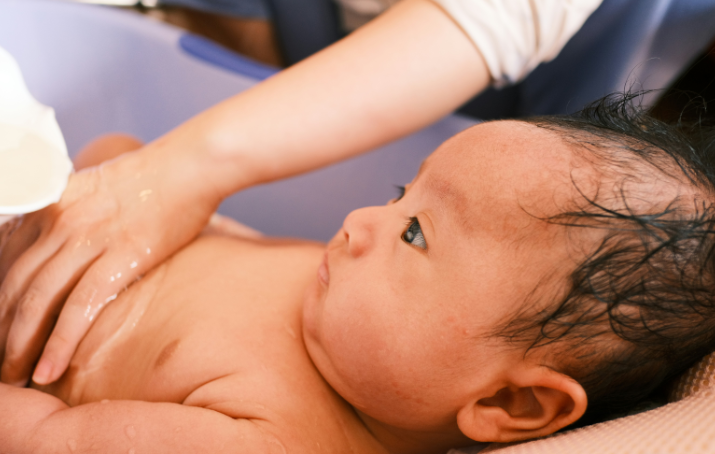
Understanding Infant Skin
Infant skin is remarkably different from adult skin in several key aspects, primarily due to its unique structure and development phase. One of the most notable characteristics is the thinness of baby skin, which is significantly more delicate and permeable than that of older children and adults. This increased thinness makes infant skin more susceptible to various environmental factors, including temperature fluctuations, humidity, and exposure to irritants.
The epidermis, which is the outermost layer of skin, is still maturing in infants. This immaturity means that new parents must be particularly vigilant about maintaining the integrity of their baby’s skin. For example, babies have a thinner stratum corneum, which is the outer barrier protecting the skin from water loss and harmful microorganisms. As a result, this means that infants can easily suffer from dryness and irritation. Using gentle cleansing products and natural moisturizers can help maintain skin hydration and prevent discomfort.
Moreover, the sebaceous glands, responsible for oil production, are underdeveloped in infants, leading to less natural moisture on their skin. Consequently, it is imperative to choose suitable products that will not strip the skin of its already limited natural oils. It is also essential to keep an eye out for common skin issues, such as diaper rash, eczema, and seborrheic dermatitis, which can arise more easily in infants due to their skin’s sensitivity.
Overall, understanding these characteristics is crucial for parents and caregivers. By recognizing that infant skin requires special attention and care, they can take proactive steps toward nurturing and protecting their baby’s skin health effectively. Regular assessments for dryness, rashes, or other irritations can aid in formulating a suitable skincare regimen that caters to the unique needs of their little one.
The Importance of Maintaining Baby Hygiene
Ensuring proper hygiene for infants is crucial for their overall health and well-being. A baby’s skin is delicate and susceptible to various irritations, infections, and rashes, making it imperative for caregivers to adopt effective hygiene practices. The sensitive nature of baby skin means that even minor irritants can lead to discomfort and health issues.
One of the most significant benefits of maintaining baby hygiene is the prevention of skin irritations. When infants are clean, the risk of diaper rash and other skin conditions diminishes considerably. Regular cleaning helps remove sweat, milk residue, and other bodily fluids that may cause irritation when left on the skin for extended periods. Furthermore, frequent bathing with suitable products can help maintain the skin’s natural balance, ensuring that it remains healthy and vibrant.
Additionally, proper hygiene for infants plays a vital role in preventing infections. Germs and bacteria can pose serious health risks to babies, whose immune systems are still developing. Regular handwashing, clean feeding bottles, and sterilized pacifiers contribute to creating a safe environment for your child. Grooming routines, which include cleaning their nares, ears, and nails, also help eliminate potential sources of infection.
Moreover, a consistent hygiene regimen can promote greater comfort for infants. Babies often express discomfort when they experience skin troubles, which can affect their overall mood and sleeping patterns. When caregivers prioritize hygiene, babies are likely to be more at ease, leading to better rest and a more content disposition.
When it comes to ensuring the health and well-being of infants, the choice of hygiene products plays a pivotal role. Utilizing natural products for baby hygiene not only promotes healthy skin but also minimizes the risk of irritation due to harsh chemicals commonly found in commercial products. Organic soaps, lotions, and oils are considered some of the safest options for nurturing delicate infant skin.
Organic soaps, often derived from plant-based ingredients, are free from synthetic fragrances and harmful additives. These soaps provide a gentle yet effective way to cleanse the baby’s skin without stripping it of its natural oils. Parents can choose products containing soothing ingredients like chamomile or calendula, which are known for their calming properties. It is advisable to look for soaps that are pH-balanced to match a baby’s skin, ensuring that the product is as gentle as possible.
Natural lotions and creams are similarly important for maintaining optimal skin hydration. Formulated with organic oils such as coconut, almond, or jojoba, these lotions provide moisture and create a protective barrier against environmental irritants. Furthermore, many natural lotions for baby hygiene are designed to be absorbed easily without leaving a greasy residue. This is particularly beneficial for infants who are prone to diaper rashes or dry patches, as these formulas can help restore skin’s natural balance.
Moreover, oils are essential for baby massage, promoting bonding and relaxation. Safe options like organic olive oil or avocado oil can nourish and hydrate the skin while providing numerous benefits during massage routines. The use of high-quality, chemical-free oils can also enhance the overall softness and elasticity of an infant’s skin.
In summary, opting for natural products for baby hygiene fosters a nurturing environment for an infant’s skin, supporting its overall health while minimizing exposure to potentially harmful substances. By choosing organic soaps, lotions, and oils, parents can effectively care for and protect their baby’s sensitive skin.
Daily Bathing Tips for Infants
Bathing an infant is an important part of maintaining their hygiene and overall skin health. However, it is essential to approach this task with care and consideration, as baby skin is delicate and sensitive. The frequency of bathing an infant can vary based on individual needs, but generally, it is recommended to bathe babies two to three times a week during their first year. Frequent bathing may lead to dryness, as the natural oils on their skin are washed away.
When preparing for a bath, ensure that the water temperature is safe for the baby. Ideally, the water should be warm, typically between 98.6°F to 100°F (37°C to 38°C), which is comfortable to the touch. To avoid any fluctuations in temperature, it is advisable to fill the bath and then test the water with your wrist or elbow before placing the infant in.
The duration of a bath should be brief, ranging from 5 to 10 minutes, to ensure that the baby remains comfortable and does not become too chilled. During the bath, make certain to support the infant securely and always keep one hand on them to prevent slipping. Start by gently washing the baby’s face using a soft cloth and warm water, followed by the neck and other areas. Special attention should be given to the folds of skin, particularly behind the ears, under the arms, and in the diaper area, where moisture may accumulate.
When it comes to washing sensitive areas, use a mild, fragrance-free soap to minimize the risk of skin irritation. Rinse thoroughly to ensure no soap residue remains on the skin, as this could lead to discomfort. After the bath, gently pat the skin dry with a soft towel, being careful not to rub, which could cause irritation. Following these bathing tips will help maintain a healthy balance of moisture and cleanliness on your infant’s skin.
Diaper Care and Skin Protection
Ensuring proper diaper care is crucial in maintaining healthy skin for infants. To begin, changing diapers should occur regularly to minimize moisture accumulation and potential irritation. It is generally recommended to check a diaper every two to three hours, or immediately after a bowel movement, to assess whether it needs changing. Prompt changes can significantly decrease the likelihood of skin issues such as diaper rash.
Additionally, choosing the right diaper is fundamental. Opt for diapers that are breathable, made from hypoallergenic materials, and fit securely without being overly tight. Diapers that contain natural fibers can help reduce the risk of skin irritation. Consider using cloth diapers, as they can be gentler on the baby’s sensitive skin and often contain fewer chemicals compared to disposable ones.
Aside from choosing appropriate diapers, implementing protective measures is essential to shield the skin from irritants. It is advisable to apply a thin layer of barrier cream, which can consist of zinc oxide or petroleum jelly, during diaper changes. These products serve as a protective layer, preventing moisture and irritants from coming into direct contact with the skin.
Moreover, allow the skin to breathe whenever possible. During diaper-free time, lay the infant on a waterproof mat to let air circulate, which can promote healing and prevent further irritation. Keep the diaper area clean by using a gentle cleanser during bath time, followed by thorough drying before putting on a new diaper.
In summary, effective diaper care involves regular changes, selecting suitable diapers, and implementing skin protection strategies to maintain the health of the delicate skin in the diaper area. By adhering to these practices, caregivers can significantly reduce the risk of diaper rash and contribute to the overall well-being of their infants.
Managing Common Skin Conditions
Infants often experience a variety of skin conditions that can cause concern for new parents. Among the most common issues are cradle cap, eczema, and baby acne. Understanding these conditions and their natural management can help ensure healthy skin for infants.
Cradle cap, scientifically known as seborrheic dermatitis, typically appears as yellow or red scaly patches on a baby’s scalp. This condition is not harmful and normally resolves on its own. However, parents can aid its management by gently washing the baby’s hair with a mild, natural shampoo and using a soft brush to help remove the flakes. Additionally, applying a small amount of coconut oil may also help to moisturize the area before washing it off again.
Eczema, or atopic dermatitis, is another common skin issue characterized by red, itchy patches. It may be triggered by irritants such as soaps or detergents, or allergens like certain foods. To effectively manage eczema, it is advisable to keep your baby’s skin moisturized with a gentle, fragrance-free cream or ointment. Frequent bathing in lukewarm water can also help lock moisture in; however, it is important to avoid hot baths that can further dry out the skin. If home remedies do not yield improvement, consulting a pediatrician is recommended for potential prescription options.
Baby acne is typically seen as red bumps and is often a result of hormonal changes passed from the mother. This condition is generally harmless and will resolve on its own over time. To promote skin clarity, keeping the area clean and avoiding heavy creams or oils is essential. However, if the acne persists or is accompanied by signs of infection, it is vital to seek professional medical advice.
Sun Protection Tips for Babies
Protecting infant skin from harmful sun exposure is crucial, as babies have particularly sensitive skin that can easily be damaged by ultraviolet (UV) rays. Direct sun exposure can lead to painful sunburn and increase the risk of skin cancer later in life. Therefore, taking measures to shield your baby from the sun is paramount.
One of the most effective ways to protect infants from the sun is by dressing them in protective clothing. Parents should opt for lightweight, long-sleeved shirts, long pants, and tightly woven fabrics that guard against UV rays. Additionally, clothing specifically designed for sun protection is available, often labeled with an ultraviolet protection factor (UPF) rating. Fabrics with a higher UPF offer better protection, making them ideal for outdoor activities.
Incorporating a wide-brimmed hat into your baby’s outfit is an excellent strategy to shield their face, neck, and ears from direct sunlight. When selecting a hat, it is advisable to choose one that fits securely and has a brim that extends at least 3 inches. This accessory not only offers sun protection but can also keep your baby cool on warm days.
For infants older than six months, the use of natural sunscreens can be a viable option for extra sun protection. Look for sunscreens specifically formulated for babies, which should contain mineral-based ingredients like zinc oxide or titanium dioxide. These active ingredients reflect UV rays and are less likely to irritate delicate skin compared to chemical alternatives. It is essential to apply the sunscreen generously and to reapply it every two hours, especially if your baby is sweating or has been in water.
By adopting these sun protection tips, parents can help maintain their baby’s skin health and ensure they enjoy safe outdoor experiences. Remember that while sun exposure is enjoyable, it should always be enjoyed cautiously, especially for infants.
Maintaining Skin Hydration
Ensuring that an infant’s skin remains well-hydrated is pivotal for overall skin health and comfort. Baby skin is particularly delicate and can lose moisture quickly, making it essential to adopt effective hydration practices. Maintaining skin hydration not only helps prevent dryness and irritation but also supports the skin’s natural barrier function, which is crucial for protecting against external factors.
A key aspect of keeping your baby’s skin moisturized is the strategic use of natural moisturizers. Products with organic ingredients such as coconut oil, shea butter, and almond oil are excellent choices. These natural moisturizers are rich in beneficial nutrients, fatty acids, and antioxidants, allowing them to effectively nourish the skin without introducing harmful chemicals or additives. Ideally, a natural moisturizer should be free from parabens, artificial fragrances, and other irritants that can compromise skin health.
When applying these moisturizers, timing is vital. The most effective moment to hydrate your baby’s skin is immediately after a bath when the skin is still slightly damp. This practice helps to lock in moisture and promotes better hydration. To apply, use gentle, circular motions, ensuring the moisturizer is thoroughly absorbed, particularly in areas prone to dryness, such as elbows, knees, and the cheeks.
Furthermore, maintaining a consistent moisturizing routine is essential. It is advisable to apply the moisturizer at least once daily or more frequently as needed, especially during dryer seasons or environments. By following these practices, parents can help maintain their baby’s skin hydration naturally, promoting healthy skin that is soft, supple, and less prone to irritation.
Establishing a Consistent Hygiene Routine
Creating a consistent hygiene routine for your baby is essential to maintain their skin health and overall well-being. This routine should include regular bathing, moisturizing, and timely diaper changes. Implementing a schedule not only aids in preventing skin irritations and infections but also fosters a sense of security and comfort for your infant.
A suggested bathing schedule for infants is two to three times a week, depending on various factors such as skin type and daily activities. Using a gentle, hypoallergenic baby cleanser ensures that the delicate skin barrier remains intact. Bath time should be a soothing experience, allowing the baby to relax while also facilitating a careful cleansing process. Furthermore, it’s beneficial to adopt a quiet and calming atmosphere during bath time, which can help in establishing a positive association with the routine.
After bath time, moisturizing is vital in maintaining hydration in your baby’s skin. Opt for natural and fragrance-free moisturizers to safeguard against any potential allergic reactions. Applying moisturizer while the skin is still slightly damp enhances absorption, thereby locking in moisture effectively. Regularly moisturizing can help to prevent dry patches and irritation, contributing to the overall health of your baby’s skin.
Diaper changes should be frequent, ideally every two to three hours, or immediately after soiling. This not only minimizes the chances of diaper rash but also ensures cleanliness. When changing diapers, gently cleanse the area with a soft cloth or baby wipes and take care to apply diaper cream as a protective barrier. This proactive approach in maintaining hygiene can significantly reduce instances of skin irritation.
Overall, establishing a consistent hygiene routine is beneficial for both parents and infants. It simplifies caregiving while assuring meticulous attention to the baby’s skin health, ultimately contributing to a positive developmental environment.