
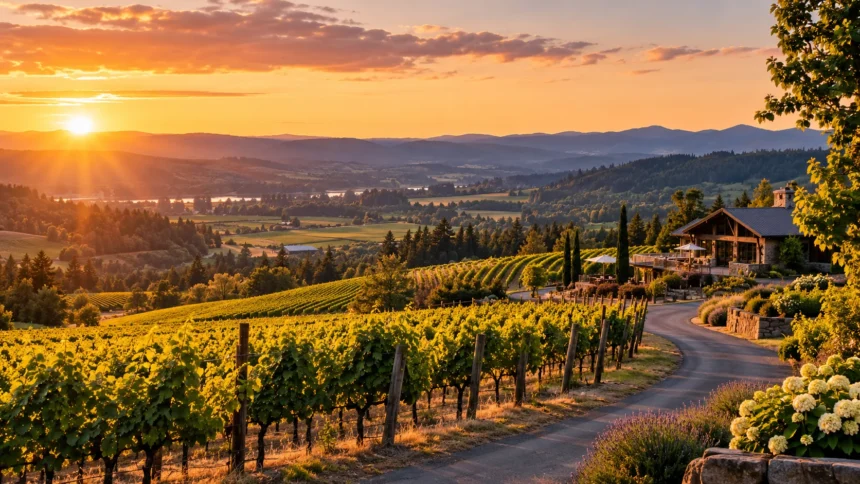
Willamette Valley is one of Oregon’s most beautiful travel destinations, offering a remarkable combination of scenic countryside, charming small towns, breathtaking waterfalls, and peaceful outdoor attractions. Located between the Coast Range and the Cascade Mountains, this fertile region is known for its rolling hills, rivers, farms, and rich agricultural heritage. Whether you enjoy exploring natural landscapes, discovering historic communities, or experiencing local culture, Willamette Valley offers something memorable for every traveler.
Planning a trip to Willamette Valley is exciting because the region includes numerous destinations worth exploring throughout the year. From the impressive waterfalls of Silver Falls State Park to the lively streets of Eugene and historic downtown McMinnville, visitors can experience Oregon’s natural beauty and welcoming communities. This Willamette Valley travel guide covers the best things to do and see, popular attractions, seasonal activities, and practical tips for planning a rewarding vacation.
Why Should You Visit Willamette Valley, Oregon?
Willamette Valley attracts travelers with its beautiful landscapes, peaceful countryside, and interesting combination of cultural and outdoor experiences. The region stretches through western Oregon and features productive farmland, forested hills, rivers, and historic towns. Visitors can explore scenic roads, discover charming communities, and enjoy natural attractions that showcase the distinctive geography of the Pacific Northwest.
Another reason to visit Willamette Valley is the variety of attractions available for different travel interests. Nature lovers can discover impressive waterfalls, hiking trails, and wildlife refuges, while history enthusiasts can explore museums and historic districts. Families can enjoy public gardens, agricultural attractions, and educational experiences that introduce visitors to local traditions and the environment.
The region also offers a relaxed travel atmosphere compared with busier metropolitan destinations. Small-town restaurants, farmers markets, independent shops, and scenic countryside routes encourage visitors to explore at a comfortable pace. Its convenient location near Portland and Eugene makes Willamette Valley suitable for weekend trips, family vacations, and longer journeys through western Oregon.
Explore Silver Falls State Park and Its Famous Waterfalls
Silver Falls State Park is one of the most spectacular natural attractions in Willamette Valley, located east of Salem near Silverton. The park is famous for its beautiful waterfalls, forested landscapes, and scenic walking trails. Visitors can explore lush surroundings filled with towering trees, flowing streams, and dramatic rock formations that create unforgettable opportunities for photography and outdoor recreation.
The Trail of Ten Falls is the park’s best-known hiking route, passing a series of impressive waterfalls through a forested canyon. South Falls is particularly remarkable because an established trail allows visitors to walk behind the falling water when conditions permit. The surrounding scenery provides beautiful viewpoints and a memorable experience for travelers who enjoy exploring Oregon’s natural landscapes.
Visitors should select hiking routes according to their abilities, available time, and current trail conditions. Some sections contain stairs, uneven surfaces, and slippery areas, especially after rainfall. Comfortable footwear, drinking water, and weather-appropriate clothing can make the experience more enjoyable, while checking park notices before departure helps visitors avoid unexpected closures or access restrictions.
Discover McMinnville and Its Charming Downtown
McMinnville is one of Willamette Valley’s most attractive small towns, known for its historic downtown, independent businesses, and welcoming atmosphere. Located southwest of Portland, the town features tree-lined streets, attractive storefronts, and beautifully preserved buildings. Visitors can enjoy exploring its compact center while discovering local restaurants, bookstores, art galleries, and specialty shops.
Historic Third Street is a popular destination for travelers who appreciate walkable neighborhoods and distinctive architecture. The area features cafés, locally owned stores, and gathering spaces that reflect the town’s community character. Seasonal events and cultural activities contribute to the lively atmosphere, making McMinnville an interesting destination throughout different periods of the year.
McMinnville is also home to the Evergreen Aviation & Space Museum, an important attraction for visitors interested in aircraft and space exploration. The museum features historic aviation exhibits, educational displays, and the famous Hughes H-4 Hercules aircraft. Combining downtown sightseeing with a museum visit creates an enjoyable itinerary that balances local culture, history, and educational experiences.
Visit Salem: Oregon’s Historic State Capital
Salem is Oregon’s state capital and one of the main urban destinations in Willamette Valley. The city offers an interesting combination of government landmarks, museums, public parks, and historic neighborhoods. Visitors can explore its walkable downtown areas while learning about Oregon’s political history and discovering attractions that appeal to families, students, and cultural travelers.
The Oregon State Capitol is one of Salem’s most recognizable landmarks, featuring distinctive architecture and surrounding landscaped grounds. Visitors can also explore Riverfront City Park, which provides walking areas, open green spaces, and views of the Willamette River. Depending on seasonal operations, nearby attractions and public events offer additional opportunities to experience the city’s community atmosphere.
Salem serves as a convenient base for exploring other parts of the central Willamette Valley. Silver Falls State Park, local gardens, and agricultural communities can be reached through surrounding regional roads. Travelers may choose to spend a full day exploring Salem or include the city as part of a broader itinerary focused on nature, history, and scenic landscapes.
Explore Eugene and Its Cultural Attractions
Eugene is a lively city in the southern Willamette Valley, known for its university atmosphere, outdoor recreation, and creative community. Located along the Willamette River, the city provides easy access to green spaces, scenic walking routes, and cultural attractions. Its relaxed environment makes it appealing to visitors interested in exploring Oregon beyond traditional tourist destinations.
The University of Oregon contributes significantly to Eugene’s cultural identity through its campus, educational attractions, and sporting traditions. Visitors can explore public areas around the university and discover museums such as the Museum of Natural and Cultural History. Downtown Eugene also features independent shops, cafés, and local gathering places that showcase the city’s creative character.
Outdoor enthusiasts can enjoy walking and cycling routes along the Willamette River, including sections of the Ruth Bascom Riverbank Path System. Nearby parks provide opportunities to appreciate forested landscapes and peaceful natural surroundings. Eugene is also a useful starting point for exploring southern Willamette Valley attractions, making it a practical destination for longer regional vacations.
Discover Corvallis and Its Natural Beauty
Corvallis is a beautiful college town situated along the Willamette River, offering a combination of cultural attractions and outdoor experiences. Home to Oregon State University, the city features welcoming neighborhoods, historic buildings, and an active community atmosphere. Visitors can explore its compact downtown while enjoying the surrounding hills, forests, and agricultural landscapes.
The Oregon State University campus provides attractive walking areas and opportunities to appreciate the town’s educational and cultural identity. Downtown Corvallis includes independent businesses, local restaurants, and public spaces that encourage relaxed exploration. Seasonal farmers markets also introduce visitors to regional produce and handcrafted products from surrounding agricultural communities.
Nature lovers can explore nearby parks and established trails that showcase the Willamette Valley’s diverse environment. Bald Hill Natural Area is a popular destination for walking and enjoying views of open landscapes and surrounding hills. Travelers should remain on designated trails and follow posted regulations to protect natural habitats while appreciating the peaceful scenery.
Visit The Oregon Garden in Silverton
The Oregon Garden is a beautiful botanical attraction located in Silverton, a charming town near Salem. The garden features landscaped spaces, seasonal flowers, native plants, and scenic walking paths. Its variety of themed areas makes it an appealing destination for visitors interested in horticulture, nature photography, and relaxing outdoor experiences.
Visitors can explore different garden sections featuring colorful plants, water features, and thoughtfully designed landscapes. Educational displays offer opportunities to learn about gardening, plant conservation, and regional ecosystems. Families and nature enthusiasts can enjoy walking through the grounds while observing how different plants change throughout the seasons.
Silverton itself is also worth exploring because of its historic downtown, murals, and welcoming small-town atmosphere. Visitors can combine a garden excursion with local shopping or a nearby restaurant visit. Checking current admission details, opening hours, and seasonal garden conditions before traveling can help ensure a comfortable and rewarding experience.
Discover Historic Covered Bridges Around Willamette Valley
Willamette Valley is known for its historic covered bridges, which reflect an important period in Oregon’s transportation and architectural history. These wooden structures were constructed to protect bridge components from weather exposure while allowing vehicles and travelers to cross waterways. Today, many surviving bridges are appreciated for their craftsmanship, rural scenery, and historical significance.
The Cottage Grove area is particularly famous for its collection of covered bridges and scenic countryside roads. Travelers can explore designated routes that connect several historic structures with surrounding forests, rivers, and small communities. Some bridges remain accessible to vehicles, while others are preserved for pedestrian use or historical interpretation.
Covered bridge sightseeing is especially attractive for photography enthusiasts and travelers who enjoy exploring quieter destinations. Autumn provides colorful foliage, while spring brings green landscapes and flowing streams. Visitors should respect bridge restrictions, avoid obstructing local traffic, and check accessibility before planning stops, as maintenance work may temporarily affect certain locations.
Enjoy Scenic Cycling Through Willamette Valley
Willamette Valley offers beautiful cycling opportunities through farmland, historic towns, and gently rolling countryside. The Willamette Valley Scenic Bikeway is a designated route that passes through agricultural landscapes and several communities. Its largely moderate terrain attracts cyclists interested in exploring Oregon’s rural scenery while experiencing the region at a slower pace.
The route extends approximately 135 miles and passes through areas associated with Salem, Albany, and Brownsville. Cyclists can choose shorter sections rather than completing the entire route during one journey. Along the way, views of fields, rivers, historic buildings, and distant mountains create a rewarding experience for travelers who appreciate scenic outdoor activities.
Cycling conditions depend on weather, traffic, route selection, and individual experience. Because portions of the bikeway share roads with motor vehicles, riders should follow traffic regulations and use appropriate safety equipment. Planning rest stops, carrying water, and reviewing official route information can make cycling excursions more comfortable and suitable for different abilities.
Explore Willamette Valley Wildlife Refuges
Wildlife refuges are among the region’s most peaceful destinations, offering opportunities to observe birds, wetlands, and native habitats. Several protected areas support migratory species and local wildlife throughout the year. Visitors interested in nature photography, environmental education, and quiet outdoor activities can discover remarkable ecosystems within relatively short distances of major Willamette Valley towns.
William L. Finley National Wildlife Refuge, near Corvallis, protects important wetland, prairie, and woodland habitats. The refuge is especially notable for seasonal bird activity and its role in conserving native ecosystems. Designated observation areas and accessible visitor routes provide opportunities to appreciate the landscape while minimizing disturbance to animals.
Ankeny National Wildlife Refuge, located south of Salem, is another valuable destination for birdwatching and nature exploration. Seasonal wetlands attract waterfowl and other bird species, particularly during migration periods. Visitors should check current access restrictions and remain within designated public areas because certain sections may close seasonally to protect sensitive wildlife habitats.
Experience Local Farms and Farmers Markets
Agriculture is an important part of Willamette Valley’s identity, with fertile land supporting diverse crops and farming communities. The region produces hazelnuts, berries, vegetables, and numerous other agricultural products. Exploring local farms and farmers markets allows visitors to discover fresh regional foods while learning about the traditions that shape Oregon’s agricultural landscape.
Seasonal markets in towns such as Eugene, Salem, Corvallis, and McMinnville offer opportunities to meet local growers and explore regional products. Visitors may discover fresh produce, baked goods, flowers, and handmade items depending on the market and season. These experiences provide insight into the region’s food culture and encourage appreciation for locally produced ingredients.
Some farms also offer seasonal activities such as fruit picking, educational visits, and family-friendly agricultural experiences. Availability varies according to harvest schedules and operating conditions, so advance planning is helpful. Respecting farm rules, staying within visitor areas, and supporting local producers can create enjoyable experiences while contributing to rural communities.
Best Time to Visit Willamette Valley
The best time to visit Willamette Valley depends on your preferred weather, outdoor activities, and travel interests. Late spring and summer generally offer pleasant conditions for sightseeing, hiking, and exploring public gardens. Longer daylight hours provide additional opportunities to enjoy scenic drives, outdoor attractions, and the region’s beautiful countryside.
Autumn is particularly attractive because changing leaves create colorful landscapes throughout forests, farms, and small towns. Seasonal harvest activities and cooler temperatures provide a different atmosphere from the summer months. September and October can be appealing for travelers who enjoy photography, farmers markets, and scenic drives through peaceful agricultural communities.
Winter is generally cooler and wetter, with frequent rain across much of the valley. Some outdoor activities may be affected by muddy trails, reduced daylight, or temporary closures. However, indoor museums, historic downtown areas, and cultural attractions remain interesting options, making year-round visits possible when travelers prepare for seasonal weather conditions.
How to Get to Willamette Valley and Travel Around
Willamette Valley is accessible through major transportation connections in western Oregon, including airports serving Portland and Eugene. Interstate 5 runs through the region and connects several important cities. Travelers arriving by air can continue toward towns and attractions using available rental vehicles, selected public transportation services, or other established transportation options.
Driving is a convenient way to explore rural attractions because many waterfalls, farms, and small towns are located outside major transit corridors. Scenic roads provide beautiful views of countryside landscapes and surrounding mountains. However, visitors should check weather forecasts and road conditions, especially during winter when rain, fog, or occasional freezing conditions may affect travel.
Public transportation can be useful for travel between selected cities, but it may not provide direct access to every natural attraction. Planning transportation before departure helps reduce unnecessary delays and missed connections. Travelers should also allow additional time when visiting remote parks or communities where services and mobile reception may be limited.
How to Plan a Willamette Valley Travel Itinerary
A short Willamette Valley itinerary can begin with exploring Salem and nearby Silver Falls State Park. Visitors can spend time discovering historic landmarks, enjoying riverside parks, and walking through beautiful forest landscapes. Including Silverton and The Oregon Garden creates a balanced trip featuring nature, local culture, and relaxing outdoor attractions.
Travelers with additional time can continue toward McMinnville, Corvallis, and other central valley communities. McMinnville offers historic downtown sightseeing and aviation exhibits, while Corvallis provides parks, university attractions, and nearby natural areas. Organizing destinations geographically helps reduce driving time and allows visitors to appreciate each location without rushing between distant attractions.
A longer vacation may include Eugene, Cottage Grove’s covered bridges, scenic cycling routes, and wildlife refuges. These destinations highlight the diversity of experiences available beyond the region’s larger towns. Travelers should check attraction schedules, consider seasonal weather, and maintain flexibility so that their itinerary remains enjoyable even when outdoor conditions change.
Conclusion
Willamette Valley is a beautiful Oregon destination offering an impressive mixture of scenic landscapes, historic towns, outdoor recreation, and cultural experiences. From the waterfalls of Silver Falls State Park to the charming streets of McMinnville and the lively atmosphere of Eugene, the region provides attractions for different interests. Its countryside scenery and welcoming communities make it especially appealing for relaxed exploration.
Planning a memorable Willamette Valley vacation involves choosing suitable destinations, understanding regional transportation, and considering seasonal weather conditions. Visitors can enjoy hiking trails, botanical gardens, wildlife refuges, historic bridges, and farmers markets throughout the region. Combining natural attractions with small-town sightseeing provides a balanced experience that showcases the valley’s history and agricultural heritage.
Whether you are planning a weekend getaway or a longer Oregon road trip, Willamette Valley offers countless opportunities for discovery. Its peaceful rivers, green hills, beautiful waterfalls, and historic communities create memorable experiences throughout the year. With thoughtful preparation and a flexible itinerary, travelers can appreciate the natural beauty and cultural character that make Willamette Valley worth exploring.
Frequently Asked Questions (FAQs)
1. What Is Willamette Valley Famous For?
Willamette Valley is famous for its fertile farmland, beautiful countryside, historic towns, and Oregon’s agricultural heritage. Popular attractions include Silver Falls State Park, scenic cycling routes, covered bridges, and local farmers markets.
2. What Are the Best Things to Do in Willamette Valley?
Popular activities include exploring Silver Falls State Park, visiting McMinnville, discovering Salem and Eugene, hiking scenic trails, and exploring botanical gardens. Wildlife refuges and historic covered bridges are also worthwhile attractions.
3. What Is the Best Time to Visit Willamette Valley?
Late spring through early autumn generally offers pleasant conditions for outdoor sightseeing. Summer is popular for hiking and gardens, while September and October provide colorful landscapes and seasonal harvest activities.
4. How Many Days Do You Need to Explore Willamette Valley?
Three to five days can provide time to visit several towns and popular natural attractions. Travelers interested in exploring the wider region, including Eugene and rural countryside destinations, may prefer a full week.
5. Is Willamette Valley Worth Visiting for Families?
Yes, Willamette Valley offers family-friendly experiences such as waterfalls, gardens, museums, farmers markets, and accessible parks. Choosing age-appropriate trails and checking seasonal attraction schedules can help families plan enjoyable visits.


