
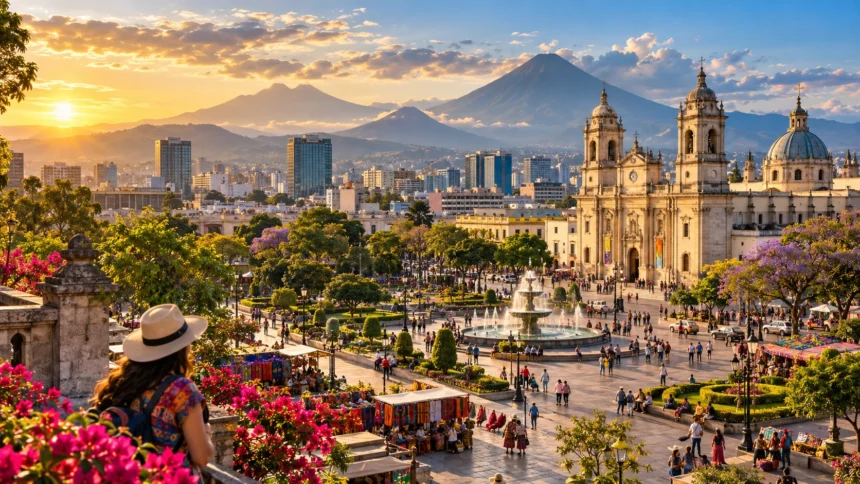
Guatemala City is a fascinating destination filled with historic landmarks, colorful markets, beautiful architecture, and rich cultural traditions. As the capital and largest city of Guatemala, it offers travelers an exciting combination of modern attractions and centuries-old heritage. Whether you enjoy exploring museums, discovering local food, or visiting historical sites, there are plenty of things to do in Guatemala City that make a trip memorable.
Many travelers visit Guatemala City while traveling to Antigua, Lake Atitlán, or other famous destinations across the country. However, the capital deserves attention because it offers unique experiences that reveal Guatemala’s history, art, and everyday culture. From the impressive National Palace to lively public squares and fascinating museums, visitors can discover something interesting in nearly every part of the city.
In this guide, we will explore the best attractions in Guatemala City, including historic buildings, cultural landmarks, museums, parks, and shopping destinations. You will also find useful travel tips, transportation advice, and recommendations for planning an enjoyable sightseeing experience.
Why Guatemala City Is Worth Visiting
Guatemala City is an exciting destination because it combines historical attractions with modern urban experiences. Visitors can explore beautiful colonial-era landmarks, learn about ancient Maya civilizations, and discover colorful neighborhoods filled with restaurants and local shops. The city’s cultural diversity makes it an interesting place for travelers who want to understand Guatemala beyond its famous natural attractions.
One of the biggest reasons to explore Guatemala City is its impressive collection of museums and historical sites. These attractions provide insight into the country’s ancient civilizations, independence, artistic traditions, and contemporary identity. Travelers can admire traditional clothing, archaeological discoveries, historic architecture, and artwork representing different periods of Guatemalan history.
The city also offers numerous opportunities to enjoy traditional food, shopping, and entertainment. Visitors can explore local markets, discover modern commercial districts, and spend time in attractive public spaces. With thoughtful planning, Guatemala City can provide a rewarding cultural experience for both first-time visitors and returning travelers.
Visit the National Palace of Culture
The National Palace of Culture, known locally as Palacio Nacional de la Cultura, is one of the most impressive historical landmarks in Guatemala City. Located in the historic center, this grand building features beautiful architectural details, spacious courtyards, and decorative artwork. Its distinctive green exterior makes it one of the most recognizable buildings in the capital.
Construction of the palace began in 1939, and the building officially opened in 1943. Originally associated with government administration, it now serves important cultural and ceremonial purposes. Visitors may have opportunities to explore selected interior spaces and learn about the building’s architecture, artwork, and historical significance through organized visits.
The palace stands beside Plaza de la Constitución, making it convenient to combine both attractions in one sightseeing trip. Photography opportunities are particularly attractive around the surrounding historic square. Since access may be affected by official activities, travelers should check current visiting arrangements before planning an interior tour.
Explore Plaza de la Constitución
Plaza de la Constitución is one of the most important public spaces in Guatemala City and serves as the heart of its historic center. Often called Parque Central, the square is surrounded by significant government and religious buildings. Its open spaces and central location make it an excellent starting point for exploring the city’s historical attractions.
The square provides beautiful views of the National Palace of Culture and the Metropolitan Cathedral. Visitors can appreciate the surrounding architecture, observe everyday city life, and enjoy the lively atmosphere. Cultural activities, public gatherings, and civic events sometimes take place here, adding to the square’s importance in local life.
Exploring Plaza de la Constitución also provides convenient access to nearby streets, shops, and restaurants. Travelers interested in photography will find several attractive architectural details around the square. Visiting during daylight hours and remaining aware of personal belongings can help make the sightseeing experience more comfortable.
Discover the Metropolitan Cathedral
The Metropolitan Cathedral of Guatemala City is an important religious and architectural landmark located beside Plaza de la Constitución. Officially known as the Metropolitan Cathedral of Santiago of Guatemala, it reflects the city’s colonial history and religious traditions. Its impressive stone facade and prominent position make it a memorable attraction in the historic center.
Construction of the cathedral began in the late eighteenth century, and the building developed over several decades. Its interior contains religious artwork, decorative elements, and spaces used for worship and ceremonies. Visitors interested in architecture can appreciate the cathedral’s neoclassical design and its significance within Guatemalan history.
The cathedral remains an active religious site, so travelers should respect worshippers and follow any visitor guidelines. Quiet exploration provides an opportunity to appreciate the building’s atmosphere and craftsmanship. Combining the cathedral with the nearby National Palace and central square creates a convenient introduction to Guatemala City’s historical heritage.
Visit Museo Popol Vuh
Museo Popol Vuh is one of the most interesting cultural attractions in Guatemala City for visitors who want to learn about ancient Maya civilizations. Located at Universidad Francisco Marroquín, the museum contains archaeological objects and artwork representing different periods of Guatemalan history. It offers a valuable introduction to the country’s rich cultural heritage.
The museum’s collections include ceramics, sculptures, and other objects that illustrate the artistic and cultural achievements of ancient civilizations. Visitors can learn about the historical development of Maya communities and the traditions that influenced the region. The exhibits provide opportunities to understand Guatemala’s past through carefully preserved archaeological materials.
Museo Popol Vuh is particularly rewarding for history enthusiasts, students, and travelers interested in archaeology. Visitors should allow enough time to explore the collections without rushing. Checking current opening hours and admission arrangements before arriving helps ensure the museum fits comfortably into a Guatemala City sightseeing itinerary.
Explore Museo Ixchel del Traje Indígena
Museo Ixchel del Traje Indígena is a fascinating museum dedicated to Guatemala’s traditional textiles and Indigenous clothing. Located at Universidad Francisco Marroquín, it provides insight into the creativity and cultural identity of different Maya communities. The museum is especially interesting for visitors who appreciate traditional craftsmanship, clothing, and textile design.
Its collections highlight weaving techniques, regional clothing styles, decorative patterns, and the cultural meanings associated with traditional garments. Visitors can discover how textiles communicate community identity and preserve artistic knowledge across generations. The museum also helps explain the importance of weaving within Guatemala’s living cultural traditions.
Exploring Museo Ixchel alongside Museo Popol Vuh can create an educational afternoon focused on Guatemala’s heritage. Both attractions are located within the same university campus area, making them convenient to visit together. Travelers should review exhibition information and visiting arrangements before arriving, as museum schedules may vary.
Visit the National Museum of Archaeology and Ethnology
The National Museum of Archaeology and Ethnology is another important destination for visitors interested in Guatemala’s ancient civilizations. Located in Zone 13, the museum is known for archaeological collections representing the country’s cultural development. It offers an opportunity to explore the achievements and traditions of pre-Hispanic societies.
Visitors can discover archaeological artifacts, stone sculptures, ceramics, and exhibits connected with Maya history. These collections help explain ancient settlements, religious practices, artistic traditions, and everyday life across different historical periods. The museum provides useful context for travelers who plan to explore archaeological destinations elsewhere in Guatemala.
A visit is particularly worthwhile for people interested in understanding the significance of Guatemala’s archaeological heritage. Travelers may wish to spend several hours exploring exhibits and learning about the objects on display. Confirming current opening arrangements is recommended because public museum schedules and exhibition access can change.
Explore La Aurora Zoo With Family
La Aurora Zoo is one of the most popular family-friendly attractions in Guatemala City. Located in Zone 13 near La Aurora International Airport, the zoo provides opportunities to observe different animal species in landscaped surroundings. Its accessible location makes it convenient for visitors traveling with children or looking for a relaxed daytime activity.
The zoo features animal exhibits, walking paths, shaded areas, and educational experiences related to wildlife. Families can spend time exploring different sections while learning about animal habitats and conservation. The grounds also provide opportunities to enjoy outdoor surroundings without traveling far from the city’s main urban districts.
Visitors should allow enough time for walking and exploring the available exhibits comfortably. Comfortable shoes, drinking water, and sun protection are helpful, particularly on warm afternoons. Checking admission prices, opening hours, and visitor guidelines before traveling can make the experience easier to organize.
Discover the Relief Map of Guatemala
The Relief Map of Guatemala, known as Mapa en Relieve, is one of the city’s most unusual historical attractions. Located in Zone 2, this enormous three-dimensional representation of Guatemala’s geography offers a fascinating perspective on the country’s landscapes. It was inaugurated in 1905 and remains an impressive example of early geographical engineering.
The map illustrates Guatemala’s mountains, valleys, rivers, and other geographical features using a detailed physical model. Visitors can appreciate the country’s diverse terrain and understand how different regions relate to one another. Its unusual scale and historical construction make it an interesting attraction for geography enthusiasts and curious travelers.
Exploring the Relief Map is particularly useful before visiting Guatemala’s mountains, lakes, and volcanic regions. It provides a broader understanding of the country’s landscape and geographical diversity. The surrounding grounds also offer opportunities for sightseeing, making this attraction a worthwhile addition to a cultural itinerary.
Shop at Mercado Central
Mercado Central is one of the most interesting places to experience everyday shopping and local culture in Guatemala City. Located near the historic center, this busy market features stalls selling handicrafts, clothing, souvenirs, and traditional products. Its colorful atmosphere makes it a rewarding destination for visitors interested in discovering local commerce.
Travelers can browse woven fabrics, handmade accessories, decorative items, and products associated with Guatemalan craftsmanship. The market also offers opportunities to discover local ingredients and traditional foods. Exploring different stalls gives visitors a closer look at the creativity and commercial traditions that shape daily life in the capital.
Visitors should take their time browsing and compare products before purchasing souvenirs. Carrying small amounts of local currency can be convenient, although payment arrangements vary between vendors. As with other busy markets, keeping personal belongings secure and remaining attentive to the surroundings are sensible precautions.
Experience Paseo Cayalá
Paseo Cayalá is one of Guatemala City’s most attractive modern lifestyle destinations. Known for its distinctive architecture, pedestrian-friendly spaces, shops, and restaurants, the development offers a different experience from the historic center. Its light-colored buildings and landscaped streets create a pleasant setting for walking, dining, and photography.
Visitors can explore boutiques, enjoy meals at restaurants, and spend time in open public areas. The district is particularly popular for casual outings and meeting friends or family. Its architectural design combines contemporary development with visual elements inspired by traditional urban styles, creating a distinctive atmosphere within the city.
Paseo Cayalá is a convenient destination for travelers interested in modern shopping and entertainment. Visiting during the afternoon allows time to explore the streets before enjoying dinner nearby. Restaurant availability, special events, and operating hours can vary, so checking arrangements in advance may be helpful.
Discover the National Theater and Cultural Center
The Miguel Ángel Asturias Cultural Center is one of Guatemala City’s most impressive architectural and artistic landmarks. The complex includes the country’s National Theater and serves as an important venue for performing arts. Its distinctive design was created by Guatemalan artist and architect Efraín Recinos, whose work reflects elements of national culture.
The cultural center hosts performances, concerts, theatrical productions, and artistic activities when events are scheduled. Visitors can appreciate the building’s striking exterior and its importance within Guatemala’s creative community. The complex also demonstrates how architecture can express cultural identity through shape, color, and symbolism.
Travelers interested in theater, music, or architecture may find this attraction especially rewarding. Attending a scheduled performance can provide a memorable cultural experience during a Guatemala City visit. Checking the current event calendar and ticket arrangements is recommended because performances and public access vary throughout the year.
Explore Zona 4 and Cuatro Grados Norte
Zona 4 is one of Guatemala City’s interesting urban neighborhoods, known for its creative atmosphere and growing collection of restaurants and cafes. The Cuatro Grados Norte area features pedestrian-oriented streets, murals, and contemporary spaces. It offers travelers an opportunity to experience a different side of the capital’s urban culture.
Visitors can explore local cafes, admire street art, and discover independent businesses throughout the district. The neighborhood is especially appealing to travelers interested in photography, design, and modern city life. Different establishments offer opportunities to sample local food and appreciate the creative character of the surrounding streets.
Zona 4 can be an enjoyable destination for a relaxed afternoon exploring cafes and neighborhood attractions. However, conditions vary between streets and throughout the day, so travelers should plan transportation carefully. Visiting established public areas and using reputable transport services can help make exploration more convenient.
Best Time to Visit Guatemala City
The best time to visit Guatemala City is generally during the dry season, which typically runs from November through April. During these months, visitors often experience more dependable conditions for walking, sightseeing, and exploring outdoor attractions. Temperatures are usually comfortable compared with many lower-elevation tropical destinations.
The rainy season generally extends from May through October, with showers frequently occurring during the afternoon or evening. Although rainfall can affect outdoor plans, mornings may still provide opportunities for sightseeing. The surrounding landscape often appears greener during wetter months, creating attractive scenery in parks and nearby natural areas.
Travelers should consider accommodation prices, holiday periods, and local events when choosing travel dates. Popular celebrations may increase visitor numbers around certain attractions. Bringing comfortable walking shoes, light layers, and rain protection can help visitors prepare for changing weather conditions throughout the year.
How to Get Around Guatemala City Safely
Getting around Guatemala City requires planning because attractions are spread across different neighborhoods and traffic can be heavy. Taxis, reputable ride-hailing services, and arranged transportation are common options for visitors. Choosing transportation based on your destination and travel schedule can help reduce unnecessary delays between attractions.
The city is divided into numbered zones, including Zone 1 for the historic center and Zone 10 for many hotels and commercial establishments. Zone 13 contains the airport and several major attractions. Understanding these districts makes it easier to organize sightseeing routes and avoid spending excessive time traveling across the city.
Travelers should remain aware of their surroundings and review current local safety guidance before visiting unfamiliar neighborhoods. Using established transportation services and avoiding isolated areas after dark are sensible precautions. Hotels and reputable local guides can also provide useful advice about transportation arrangements and areas suitable for sightseeing.
How Many Days Do You Need in Guatemala City?
Two days can provide enough time to explore several major attractions in Guatemala City. Visitors can dedicate one day to the historic center, including the National Palace, Metropolitan Cathedral, and Plaza de la Constitución. A second day can focus on museums, cultural landmarks, or modern shopping districts.
Travelers with three days can enjoy a more relaxed itinerary and include additional destinations such as La Aurora Zoo or the Relief Map. Having extra time also allows opportunities to visit local restaurants and explore neighborhoods without rushing. The ideal duration depends on personal interests and the pace of the trip.
Guatemala City can also serve as a starting point for exploring other destinations within the country. Travelers often continue toward Antigua, Lake Atitlán, or additional cultural and natural attractions. Organizing transportation and accommodation in advance can make a multi-destination Guatemala vacation easier to manage.
Conclusion
Guatemala City offers an exciting combination of historical landmarks, cultural museums, vibrant markets, and modern attractions. From the National Palace of Culture and Metropolitan Cathedral to Museo Popol Vuh and La Aurora Zoo, visitors can discover a wide range of memorable experiences. The city’s rich heritage makes it a rewarding destination for travelers interested in history, architecture, and local traditions.
Exploring Guatemala City’s different neighborhoods provides opportunities to appreciate both its historical character and contemporary lifestyle. The historic center introduces important national landmarks, while areas such as Paseo Cayalá and Zona 4 showcase modern city life. Combining these experiences creates a balanced itinerary that highlights the capital’s cultural diversity.
Before visiting, plan your transportation, check attraction opening hours, and consider the seasonal weather. Staying aware of local travel guidance and allowing enough time between destinations can make sightseeing easier. With thoughtful preparation, Guatemala City can become an enjoyable and meaningful part of your Guatemala travel experience.
Frequently Asked Questions
What is Guatemala City best known for?
Guatemala City is known for its historical landmarks, museums, cultural heritage, and modern urban attractions. Popular destinations include the National Palace of Culture, Metropolitan Cathedral, Museo Popol Vuh, and Plaza de la Constitución.
Is Guatemala City worth visiting for tourists?
Yes, Guatemala City offers fascinating museums, historic buildings, traditional markets, and cultural experiences. It is especially worthwhile for travelers interested in learning about Guatemala’s history, architecture, and contemporary urban life.
How many days are enough to explore Guatemala City?
Two to three days are generally enough to visit major attractions and explore popular neighborhoods. Travelers interested in museums, food, and local culture may prefer a longer stay.
What is the best month to visit Guatemala City?
December through March is often a pleasant period for sightseeing because it falls within the dry season. However, Guatemala City can be visited throughout the year with suitable weather preparation.
What are the best free things to do in Guatemala City?
Popular free activities include exploring Plaza de la Constitución, admiring historic architecture, and walking through accessible public areas. Some museums, cultural events, and other attractions may require admission fees.