
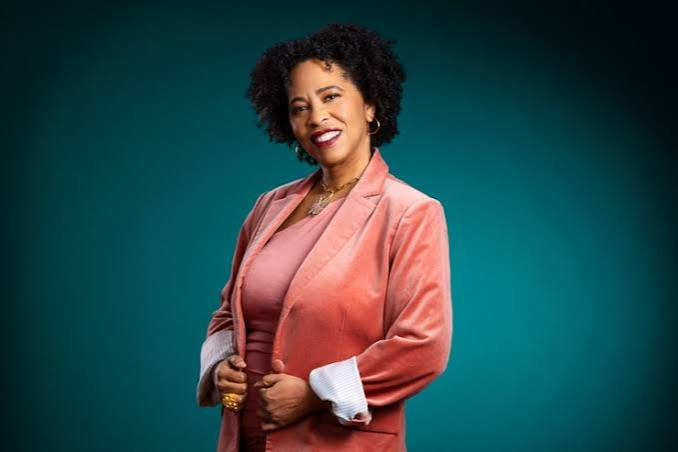
A LinkedIn profile with a blurry phone selfie or an outdated photo from a decade ago sends a message before a single word of a bio gets read. In a community the size of Charlottesville, where professional and personal networks overlap constantly, that first impression tends to travel further than people expect.
It’s a small enough shift in behavior that most professionals never stop to question it, updating a bio, refreshing a website, polishing a pitch, while leaving the same headshot in place for years. That gap between how much time goes into the words on a page and how little goes into the photo next to them is worth closing, especially given how disproportionately much weight a photo carries in someone’s first few seconds of forming an impression.
The first thing people see is rarely your resume
Before a potential client, employer, or referral partner reads anything about your experience, they see your photo. That’s true on LinkedIn, on a company website’s team page, on a real estate listing, on a conference speaker roster, and increasingly on the “meet the team” section that almost every local business now includes. A photo that looks professional, current, and genuinely like you does real work before anyone has read a word about what you actually do.
This matters more, not less, in a smaller professional community. Charlottesville’s business, healthcare, legal, and university-adjacent networks are tight enough that people frequently recognize each other from professional contexts before meeting in person, and a headshot that looks nothing like you in real life, or that clearly hasn’t been updated in years, creates a small but real credibility gap the moment you actually meet.
Who this matters for most
Certain professions feel the impact of a strong headshot especially directly. Real estate agents are marketing themselves as much as any property, and a dated or amateur photo on a listing or a yard sign undercuts trust before a potential client ever picks up the phone. Attorneys, financial advisors, and healthcare providers are selling trust and competence, and a genuinely professional headshot signals attention to detail that carries over, at least in a client’s first impression, to how they expect the actual service to be delivered. Entrepreneurs and consultants, especially those building a personal brand around themselves rather than a larger company name, are often the entire visual identity of their business, which makes their headshot one of the most-used single assets in their entire marketing effort.
Executives and senior leaders benefit in a different way: a strong headshot on an “About” page, in a press mention, or accompanying a public speaking engagement signals a level of polish that matches the seniority of the role, which matters for how a leader is perceived by both clients and their own team.
What separates a professional headshot from a good photo
A technically good photo and an effective professional headshot aren’t automatically the same thing. A headshot needs to work at small sizes, since it’s frequently viewed as a thumbnail on LinkedIn, a business card, or a directory listing, which means clean composition and strong, even lighting matter more than they would in a large printed portrait. It needs to represent a specific version of you: approachable but credible, warm but competent, which is a narrower target than a general portrait session and depends heavily on direction during the shoot itself, not just technical skill behind the camera.
It also needs to age reasonably well. A headshot with a very trend-driven styling choice, an outfit, a background, or an editing style that feels current now, can look dated within a couple of years in a way that a more classic, well-lit headshot doesn’t. Most professionals get more genuine value out of a timeless, well-executed headshot they can use for three to five years than a trendier option that needs replacing sooner.
The return on investment is easy to underestimate
A headshot session costs a fraction of what most other business marketing expenses run, and it gets used constantly: on every social platform, every proposal, every speaking bio, every piece of collateral with a photo requirement. Compared to almost any other marketing spend, a good headshot has an unusually long shelf life and an unusually wide range of uses, which makes it one of the more cost-effective updates a working professional can make.
There’s also a less tangible but real effect on confidence. Clients consistently describe feeling more comfortable putting themselves forward, whether that’s updating a LinkedIn profile, submitting a speaking application, or simply showing up to a networking event, once they have photos they actually feel good about. That confidence shows up in how people present themselves in professional settings generally, not just in the photo itself.
What to expect from a session
A well-run headshot session typically starts with a short conversation about how the images will actually be used, since a headshot for a corporate website often calls for a different look than one for an individual entrepreneur’s personal brand. From there, expect real direction throughout the shoot: guidance on posture, expression, and angle, since very few people naturally know how to hold themselves in a way that reads as both relaxed and professional on camera. A good Charlottesville photographer working in this space will also typically capture a range of expressions and angles within the session, giving you options for different platforms and contexts rather than a single, one-size-fits-all image.
Updating your headshot isn’t vanity, it’s maintenance
It’s worth thinking about a professional headshot the way you’d think about any other piece of business infrastructure: something that needs periodic updating rather than a one-time purchase. A significant career change, a shift in role or title, or simply enough time passing that the photo no longer looks like you are all reasonable triggers to update. For most working professionals in the Charlottesville area, a current, well-executed headshot is one of the simplest, most widely used investments they can make in how they’re perceived, and it’s one that keeps paying off every time someone looks them up before a first meeting.