Window replacement often involves replacing the entire existing window unit, including the sashes, tracks, and frame. In some cases, repairing worn hardware addresses the issue, while other problems require replacing the window itself. Understanding the difference between these options helps clarify the project’s scope and expected timeline.
Choosing Between Repairs or Replacements
Broken glass or faulty locks often require a targeted repair, such as replacing damaged hardware or installing a new pane. These repairs leave the original frame and surrounding casing in place. Minor damage requires less extensive work, so the repair process focuses on restoring the window’s function without disturbing nearby drywall. Replacing a cracked pane addresses the immediate problem while preserving the rest of the window unit.
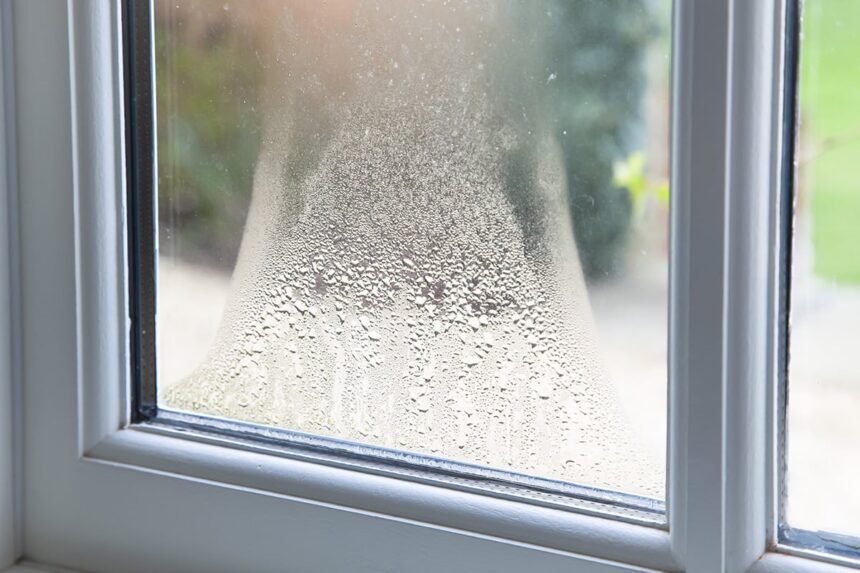
Widespread frame warping often indicates that the entire unit needs a window replacement. Long-term moisture exposure also affects the frame and surrounding materials, so removing the window allows workers to inspect the area for related damage. Deteriorated components are removed before the new unit is installed. Addressing these conditions promptly helps limit additional issues associated with prolonged exposure. Some projects combine replacement and repair because each window has different needs; this approach addresses severely damaged units while retaining windows that require only minor repairs.
Refreshing the Frames
Older homes often feature thick window frames and heavily divided panes that occupy a noticeable portion of the wall. Replacing these windows with newer designs creates slimmer sightlines and larger expanses of clear glass. Larger panes change the way daylight enters a room, while updated window styles give the exterior a refreshed appearance. Clear glass with minimal tinting also provides a brighter visual quality indoors.
Removing old storm windows reveals cleaner architectural lines, and narrower frames place greater emphasis on outdoor views. Updated materials and simpler profiles also reduce the visual presence of peeling paint, worn surfaces, and other signs of age around the window. These changes work together to create a more streamlined appearance throughout the interior and exterior. The result is a cleaner window design that complements the surrounding architecture without requiring extensive changes to the room.
Window replacement also provides an opportunity to update the window’s moving parts. Some homeowners replace painted-shut sashes with tracks designed for smoother operation. Newer track systems support easier movement, while updated locking mechanisms often operate with a simple turn of a lever.
Updating the Shapes and Sizes
Changing the size or shape of a window opening affects the room’s layout and overall design. A standard rectangular double-hung window could be replaced with an arched window for a different architectural profile. Larger designs, such as picture windows, often require modifications to the surrounding wall. Contractors might remove sections of drywall, adjust the framing, or install a new header as part of the project. Custom window sizes and shapes also give a property a more distinctive architectural appearance. Circular and trapezoidal windows introduce different geometric elements; these designs add visual interest to otherwise plain exterior walls. A circular window in a stairwell or bathroom also introduces daylight into areas with limited wall space. The shape you select affects the angles and installation requirements for the custom unit. Because each design has different dimensions and structural factors, the surrounding opening needs to match the selected window.
Explore Window Replacement Services
The condition of your existing windows helps determine the scope of the project. Your preferred aesthetic and the dimensions of the new windows also influence the work involved. A qualified professional will review the building’s layout and discuss your project goals, which helps clarify the labor and installation requirements. Schedule an evaluation with a qualified professional to determine whether your property needs window replacement, repairs, or a combination of both.