
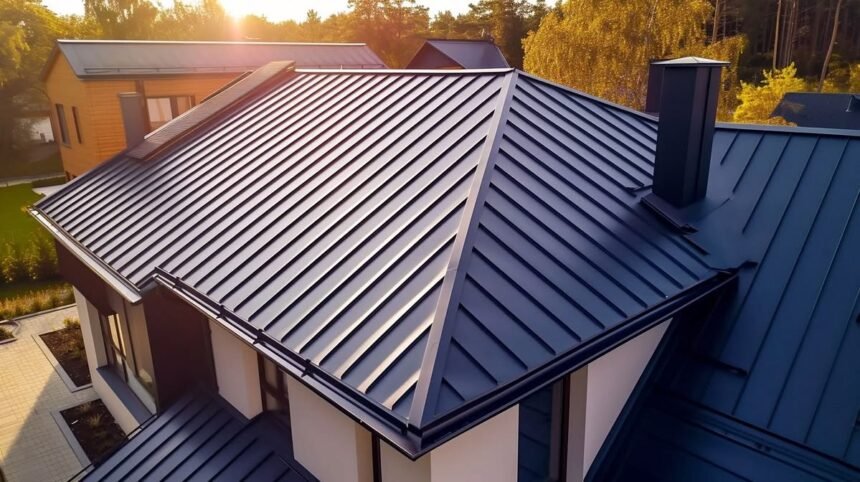
Roofs made with metal offer numerous benefits over traditional materials, like asphalt. Some roofing companies provide different design options. This material helps provide durability and energy efficiency for your home, and it may require fewer repairs than other roofs. Here are a few benefits to help you decide if metal roofing is right for your home:
Durability and Longevity
Metal roofing uses an interlocking system that helps prevent cracking and being torn off, which can happen with asphalt, clay, slate, or wooden shingles. Because metal systems resist breaking or cracking from hail or fallen tree limbs, water is less likely to get under the metal shingles and damage the underlayment. Heavy snowfall can add up to 20 pounds to a roof, with the added weight causing the structure to bend. Because a metal roof is smooth, ice, snow, and rain shed quickly instead of pooling. Metal roofs don’t absorb moisture, so they are less likely to create ice dams in cold weather. Ice dams form when water seeps under the shingles as snow melts and refreezes, which causes the wooden structures to rot.
Since metal is a durable material, a roof can last many years with fewer repairs. Metal roofs have a lifespan of up to 70 years if they are maintained, compared to an average of 15 to 20 years for other roof types. The material maintains its structure through temperature fluctuations, and this helps reduce the risk of warping. Metal roofs utilize different materials, such as aluminum and steel. Using lightweight materials, such as aluminum, places less pressure on the underlying home structure.
Energy Efficiency
Metal is an efficient material for roofs because it reflects the sun’s rays. It keeps the house cooler in summer, which can help your HVAC not work as hard to maintain the desired temperature. In the winter, metal roofs act as insulation to keep your home warmer, making your furnace more efficient.
Maintenance and Repairs
Unlike other roofing materials, metal roofs may require few repairs. Durable materials help prevent damage to flashing; this is a waterproof material placed around vents, chimneys, and skylights to direct water away. Metal roofs also protect seals, preventing water from seeping under the roof. These roofs may require only simple maintenance, such as:
- Keeping gutters clean
- Replacing worn seals
- Replacing cracked flashing
- Maintaining attic ventilation to prevent moisture from warping the roof
Metal roofs should still be inspected regularly. A roof inspector will look for loose fasteners, and they check for seams that aren’t secure. After a storm, the roof company can check for dents in the roof from hail. Even if the metal is dented by large hailstones, the strong metal material helps prevent the underlayment from being damaged. A heavier-gauge metal is more resistant to dents than thinner panels, and any dents that occur after a hailstorm are cosmetic and repairable.
Modern Design
There are a variety of designs for metal roofs; these help complement your home’s architecture. Some metal roofs look like wood shingles for a traditional look, while others have the appearance of slate or clay shingles. Interlocking panels create a seamless appearance, and fasteners remain hidden. Metal roofs may prevent algae and mold growth because of the interlocking system. Textured coatings help prevent corrosion and protect the roof from the sun’s UV rays, so the color doesn’t fade. The roof design adds to your home’s curb appeal, which brings attention to buyers when you’re ready to sell.
Learn More About Metal Roofing
If a metal roof appeals to you, discover the different designs and coatings available. A professional roofing company can answer questions about how metal roofs benefit homes in your area. Choose a company that specializes in metal roofs for proper installation, and ask for a quote to replace your roof.


