
Introduction
Buying a used car can be an excellent way to find a suitable vehicle without paying the price of a brand-new model. However, the decision involves more than checking the mileage, comparing prices, and taking a test drive. A vehicle’s accident history can have a significant influence on its condition, market value, and future maintenance costs.
Some cars show clear signs of previous damage, while others have been repaired so carefully that an ordinary visual inspection reveals very little. Fresh paint, replaced panels, and polished bodywork can make a vehicle appear attractive even when its repair history deserves closer attention.
For buyers and sellers alike, reliable vehicle damage documentation can make the difference between an informed transaction and an expensive mistake. Understanding how vehicle assessments and repair estimates work is therefore an important part of evaluating a used car.
Why Accident History Matters When Buying a Used Vehicle
Not every accident makes a car unsuitable for purchase. A vehicle may have experienced a minor collision, received professional repairs, and continued to perform reliably for years. The important question is not simply whether an accident occurred, but what was damaged and how the repairs were completed.
A minor scratch or small dent is very different from damage involving structural components, suspension parts, airbags, or important electronic systems.
Previous accident damage may affect several aspects of a vehicle:
- Safety: Poorly repaired structural areas or improperly restored safety components can create concerns.
- Reliability: Hidden mechanical or electrical problems may appear after the purchase.
- Market value: A documented accident history can influence what buyers are willing to pay.
- Future repair costs: Incomplete repairs may lead to additional expenses.
- Insurance discussions: Previous damage can become relevant when evaluating a later incident.
Buyers should therefore look beyond the vehicle’s appearance and ask for information that helps establish its condition.
Visible Repairs Do Not Always Tell the Complete Story
A freshly painted bumper or replacement door may suggest that a vehicle has been repaired. However, the appearance of the exterior does not necessarily explain the full extent of the original accident.
For example, a front-end collision might involve the bumper cover, headlight assembly, mounting brackets, radiator support, and other components. Some of these parts may be difficult to evaluate without closer inspection.
Similarly, a side impact could affect doors, pillars, suspension components, or nearby electronic equipment, depending on the severity and location of the collision.
There are several signs that may justify further investigation:
- Uneven gaps between doors, bonnet, and body panels.
- Differences in paint shade between adjacent sections.
- Overspray around rubber seals or trim.
- Misaligned headlights or tail lights.
- Unusual noises during driving.
- Warning messages on the dashboard.
- Doors or windows that do not operate smoothly.
- Evidence of replacement parts or recent bodywork.
None of these signs independently proves that a car has serious accident damage. They simply indicate that a buyer should ask additional questions and consider an appropriate professional inspection.
What Information Should Buyers Request From a Seller?
A responsible seller should be prepared to explain known accident history and provide available records. Buyers should not rely exclusively on verbal assurances, particularly when a vehicle has undergone visible repairs.
Useful documents may include:
- Previous damage assessment reports.
- Repair cost estimates.
- Workshop invoices.
- Photographs taken before and during repairs.
- Records of replaced components.
- Available maintenance and inspection history.
- Relevant insurance correspondence.
These records can help establish what happened, which areas were repaired, and whether the work was documented.
A repair invoice, for instance, may show that a particular bumper or headlight was replaced. Photographs from before the repair may provide additional context about the original impact.
However, documentation should be interpreted carefully. A missing report does not automatically mean a vehicle has been involved in a serious accident, and an available report does not guarantee that every repair was completed correctly. Buyers should consider the documents alongside an independent inspection.
Understanding the Role of a Vehicle Damage Report
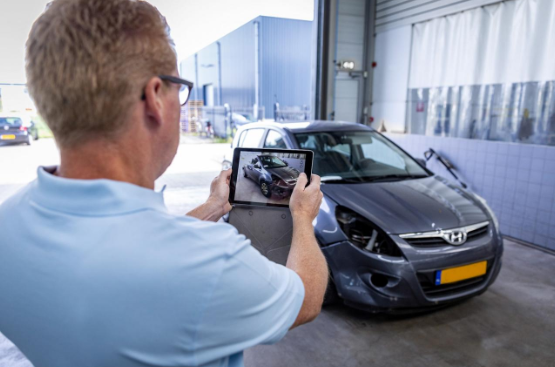
A vehicle damage report can provide structured information about damage following an accident. Depending on the assessment and its scope, it may document affected areas, describe visible damage, and address relevant repair considerations.
For someone purchasing a previously damaged vehicle, this type of documentation can be useful when evaluating the history of the car.
A professional assessment may help answer questions such as:
- Which vehicle areas were affected?
- What damage was visible during the inspection?
- Were additional components identified for examination?
- What repair work may be necessary?
- Are there financial consequences that should be considered?
Where a buyer is reviewing an older accident, the timing and purpose of the report matter. A report prepared immediately after the incident may describe the original damage, whereas a later inspection may focus on the vehicle’s current condition.
An online service such as Kfz online Gutachten offers a digital starting point for initiating a vehicle damage assessment. This can be useful when someone needs to organise information about vehicle damage without beginning with an in-person appointment.
The appropriate assessment method depends on the vehicle’s condition and the questions that need to be answered. Photographs can support an initial review, but they cannot always reveal structural problems, mechanical faults, or hidden damage.
How Repair Estimates Help Buyers Evaluate Financial Risk
A used car’s asking price may look attractive, but the purchase decision should also account for possible repair expenses.
Imagine that a buyer is considering a vehicle with a damaged rear bumper and a cracked tail light. The seller claims that the repairs will be inexpensive. However, the buyer has no reliable breakdown of the expected costs.
A repair estimate can help provide a more organised financial picture.
An online Kostenvoranschlag can provide a digital starting point for obtaining a repair cost estimate. This may help a vehicle owner or buyer understand the anticipated financial scope of identified damage.
A repair estimate may consider factors such as:
- Replacement parts.
- Repair labour.
- Painting and finishing.
- Removal and installation work.
- Additional operations required for the repair.
- Relevant technical procedures.
The final cost can vary depending on the vehicle model, parts availability, workshop rates, and the actual condition of the damaged components.
A preliminary estimate should therefore not be treated as a guaranteed final invoice. Its value lies in helping the buyer understand the potential financial commitment before making a decision.
Accident Damage and Its Effect on Resale Value
A vehicle’s accident history can influence its resale value even after repairs have been completed. Buyers often compare two otherwise similar cars and prefer the one with a clearer history and no recorded accident damage.
The extent of the impact on value depends on several factors:
Severity of the accident: A minor cosmetic repair may have a different effect from damage involving major structural components.
Quality of repairs: Properly documented professional repairs can provide greater transparency than work with no supporting records.
Vehicle age and mileage: The importance of accident history may vary depending on the car’s age, mileage, and overall market position.
Brand and model: Some vehicles retain their value differently depending on demand and availability.
Documentation: Clear records can help future buyers understand the history instead of relying on assumptions.
This is particularly relevant for sellers. A person who has retained accident photographs, reports, and repair invoices may be in a stronger position to explain the vehicle’s history honestly.
Documentation does not automatically remove the financial effect of an accident, but it can make the information more transparent.
Why an Independent Inspection Still Matters
Online tools and historical reports can be useful, but buyers should not depend on them as the only method of checking a used vehicle.
An independent inspection can help assess the car’s present condition. A qualified professional may examine the body structure, suspension, braking system, engine, transmission, electrical equipment, and other relevant components.
A diagnostic check may also identify stored fault information or electronic problems that are not immediately visible.
During an inspection, buyers can ask the professional to pay particular attention to areas associated with previous damage. If the car has undergone front-end repairs, for example, the inspection may include relevant mounting points, cooling components, and safety-related systems.
A road test may also be appropriate when the vehicle is considered safe to drive. Unusual vibrations, steering behaviour, braking performance, and noises can provide additional information.
The purpose is to establish the vehicle’s current condition rather than simply repeat what an old accident report says.
A Practical Checklist Before Purchasing a Repaired Car
Before agreeing to buy a vehicle with a known accident history, consider following these steps:
- Ask about previous accidents. Request a clear explanation of what happened and which parts were affected.
- Examine the exterior carefully. Look for inconsistent paintwork, uneven panel gaps, and signs of replacement components.
- Request available documents. Review reports, photographs, invoices, and repair records.
- Understand the expected repair costs. If damage remains, obtain a suitable estimate before negotiating the purchase price.
- Arrange an independent inspection. Ask a qualified professional to assess the vehicle’s current condition.
- Check electronic systems. Make sure relevant warning messages and safety features receive appropriate attention.
- Compare the asking price. Consider the vehicle’s mileage, condition, repair history, and market value.
- Keep transaction records. Retain written details of the vehicle’s condition and any disclosures made by the seller.
These steps can help reduce uncertainty and make negotiations more informed.
Why Transparency Benefits Both Buyers and Sellers
Accident documentation is not only useful for people purchasing vehicles. Sellers also benefit from maintaining accurate records.
A seller who can explain the nature of previous damage, provide repair invoices, and show available assessment documents can give prospective buyers a clearer understanding of the vehicle.
This approach can reduce misunderstandings and make discussions about price more realistic. It also helps distinguish between a vehicle that received a documented minor repair and one whose history remains unclear.
For dealerships and professional vehicle traders, consistent documentation can support internal vehicle evaluations and customer communication. For private sellers, it provides a practical way to answer questions about previous damage.
Honest disclosure is especially important when the accident involved significant components or repairs that may influence the vehicle’s safety or value.
Conclusion
Buying a used car requires careful consideration of its history as well as its present appearance. A vehicle that looks excellent from the outside may still have an accident history worth investigating, while a previously damaged car with properly documented repairs may remain a reasonable purchase.
Damage reports, repair estimates, photographs, and workshop invoices can help buyers understand what happened and assess potential financial risks. Digital services make it easier to begin organising damage assessments and repair cost information, while independent inspections remain important for checking the vehicle’s actual condition.
The best purchasing decision is based on evidence rather than assumptions. By examining accident history, understanding repair costs, and requesting appropriate documentation, buyers and sellers can approach used-car transactions with greater transparency and confidence.