
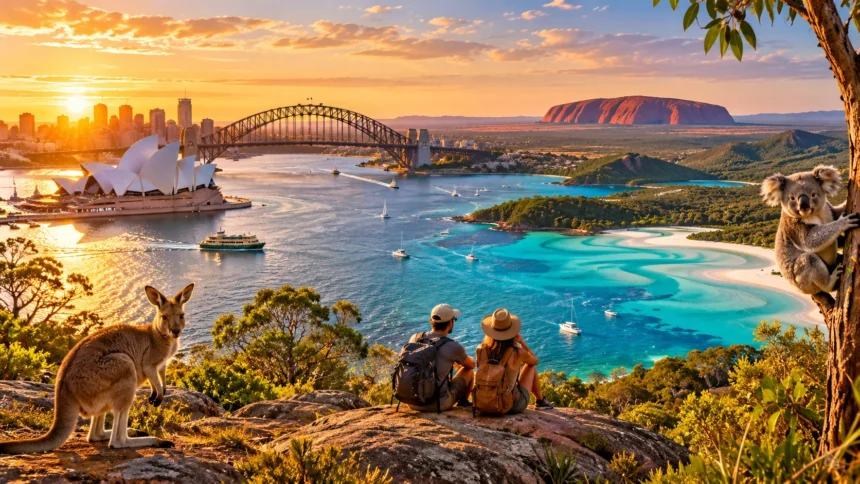
Australia is one of the world’s most exciting travel destinations, offering breathtaking natural landscapes, beautiful beaches, fascinating wildlife, and vibrant cities. From the famous Sydney Opera House to the colorful underwater world of the Great Barrier Reef, the country is filled with unforgettable attractions. Whether you enjoy outdoor adventures, cultural experiences, scenic road trips, or relaxing coastal holidays, Australia offers something for every traveler.
Exploring Australia allows visitors to experience modern cities, tropical rainforests, spectacular coastlines, and vast desert landscapes. Each region has its own distinctive character, with unique wildlife, local traditions, and natural wonders. Travelers can discover beautiful national parks, explore historic neighborhoods, visit famous landmarks, and learn about Aboriginal and Torres Strait Islander cultures.
This Australia travel guide explores the best things to do in Australia, including famous tourist attractions, must-visit destinations, natural wonders, and memorable experiences. You will also find practical advice about transportation, the best time to visit Australia, and planning an enjoyable vacation.
Explore Sydney and Its Famous Tourist Attractions
Sydney is one of Australia’s most popular destinations, known for its beautiful harbor, iconic architecture, and lively coastal atmosphere. The Sydney Opera House is among the city’s most recognizable landmarks, attracting visitors with its distinctive design and waterfront location. Nearby, the Sydney Harbour Bridge provides impressive views of the surrounding area. Exploring these attractions offers a memorable introduction to Australia.
Circular Quay is an excellent starting point for discovering Sydney’s waterfront attractions. Visitors can enjoy harbor ferries, waterfront walks, and scenic viewpoints overlooking the Opera House. The historic Rocks neighborhood is nearby and features charming streets, heritage buildings, shops, and local markets. Walking through this area provides an interesting combination of cultural history and modern city life.
Sydney is also famous for its beaches, including Bondi Beach and Manly Beach. Bondi attracts visitors with its coastal scenery, lively atmosphere, and nearby walking trails. The Bondi to Coogee coastal walk is particularly popular for its ocean views and beautiful landscapes. Spending several days in Sydney allows travelers to explore both its urban attractions and coastal surroundings.
Visit the Great Barrier Reef in Queensland
The Great Barrier Reef is one of Australia’s most extraordinary natural attractions and the largest coral reef system in the world. Located off the coast of Queensland, it contains colorful coral formations, tropical fish, sea turtles, and diverse marine ecosystems. Its remarkable underwater environment attracts visitors interested in marine life and conservation. Experiencing the reef is a highlight of many Australian vacations.
Cairns and Port Douglas are popular starting points for guided reef excursions. Visitors can choose from snorkeling experiences, glass-bottom boat tours, and other organized marine activities. These options allow travelers with different interests and swimming abilities to appreciate the underwater scenery. Selecting reputable operators who follow environmental guidelines helps protect this fragile ecosystem.
The reef faces environmental challenges, including coral bleaching and rising ocean temperatures, making responsible tourism especially important. Visitors should avoid touching coral, disturbing marine animals, or leaving waste behind. Weather and marine conditions can influence tour availability and visibility. Planning activities with experienced operators helps create a memorable experience while supporting conservation efforts.
Discover Melbourne’s Culture, Art, and City Attractions
Melbourne is one of Australia’s most interesting cities for travelers who enjoy art, architecture, sports, and cultural experiences. The city is famous for its creative laneways, historic buildings, and diverse neighborhoods. Federation Square is a central gathering place surrounded by cultural attractions and modern architecture. Visitors can easily spend several days exploring Melbourne’s unique urban atmosphere.
The National Gallery of Victoria is an excellent destination for art enthusiasts, featuring collections and exhibitions from different artistic traditions. The Royal Botanic Gardens provide peaceful green spaces for walking and relaxation. Travelers can also visit Queen Victoria Market to experience local shopping and food culture. These attractions offer a balanced combination of entertainment, culture, and outdoor recreation.
Melbourne’s laneways are particularly popular for their street art, cafés, and distinctive character. Hosier Lane is one of the most recognizable locations for exploring colorful urban artwork. The city’s tram network also makes many central attractions convenient to visit. Exploring different neighborhoods reveals why Melbourne is considered one of Australia’s major cultural destinations.
Experience the Great Ocean Road and Twelve Apostles
The Great Ocean Road is one of Australia’s most famous scenic driving routes, stretching along the southern coastline of Victoria. The journey features dramatic cliffs, beautiful beaches, charming coastal towns, and impressive ocean viewpoints. Travelers can discover changing landscapes while stopping at different attractions along the route. It is particularly appealing to visitors who enjoy photography and coastal scenery.
The Twelve Apostles are among the most recognizable landmarks along the Great Ocean Road. These limestone formations rise from the ocean near towering coastal cliffs, creating a dramatic natural landscape. Visitors can admire the scenery from designated viewing platforms. Nearby attractions such as Loch Ard Gorge provide additional opportunities to appreciate the coastline’s geological features.
Travelers can also explore coastal communities such as Lorne and Apollo Bay during the journey. These towns offer accommodation, restaurants, and access to nearby natural attractions. Allowing two or three days provides more flexibility than attempting to complete every stop in one day. Following road conditions and staying within designated viewing areas supports a safer experience.
Discover Uluru and Australia’s Red Centre
Uluru is one of Australia’s most significant natural and cultural landmarks, located in the Northern Territory’s Red Centre. The enormous sandstone formation is especially striking during sunrise and sunset when changing light influences its appearance. Uluru holds deep cultural and spiritual importance for the Anangu Traditional Owners. Visiting the region provides an opportunity to appreciate both its landscape and living cultural heritage.
Uluru-Kata Tjuta National Park contains walking routes, cultural interpretation areas, and remarkable desert scenery. Visitors can explore designated trails around Uluru and learn about its significance through appropriate guided experiences. Kata Tjuta, another impressive group of rock formations, is located within the same national park. Respecting cultural restrictions and staying on approved routes is essential.
The Red Centre experiences extreme temperatures during warmer months, so seasonal planning is particularly important. Cooler periods generally provide more comfortable conditions for walking and sightseeing. Travelers should carry sufficient drinking water, wear suitable clothing, and follow park safety guidance. Spending several days in the area allows time to experience its landscapes without rushing.
Explore the Blue Mountains Near Sydney
The Blue Mountains are among the best places to visit in Australia for natural scenery, forest walks, and impressive viewpoints. Located west of Sydney, the region is known for its eucalyptus forests, sandstone cliffs, waterfalls, and deep valleys. Its landscapes provide a refreshing contrast to the busy city. The area is popular for both day trips and longer nature-focused visits.
The Three Sisters rock formation near Katoomba is one of the region’s most famous attractions. Visitors can admire the formation from Echo Point and enjoy views across the surrounding Jamison Valley. Scenic World offers additional ways to experience the landscape through its visitor attractions. These experiences make the Blue Mountains accessible to travelers with different interests.
The region also contains walking trails, gardens, scenic villages, and peaceful natural areas. Leura is particularly popular for its charming streets, shops, and surrounding greenery. Travelers should choose walking routes that match their abilities and check current trail conditions. Spending time in the Blue Mountains is an excellent way to experience Australia’s distinctive natural environment.
Relax on the Gold Coast and Sunshine Coast
Queensland’s Gold Coast is famous for its long sandy beaches, warm coastal atmosphere, and family-friendly attractions. Surfers Paradise is one of the area’s most recognizable destinations, featuring ocean views, shopping areas, and entertainment options. Nearby beaches provide additional opportunities for relaxing walks and coastal sightseeing. The Gold Coast is especially appealing to travelers seeking an energetic beach vacation.
Beyond its beaches, the Gold Coast offers theme parks, nature reserves, and scenic hinterland landscapes. Springbrook National Park is known for its rainforest environments and impressive waterfalls. Tamborine Mountain provides additional countryside scenery, walking areas, and local attractions. These destinations allow visitors to enjoy a combination of coastal relaxation and nature exploration.
The Sunshine Coast offers a different coastal experience with beautiful beaches, relaxed towns, and surrounding natural attractions. Noosa Heads is popular for its attractive coastline and nearby national park. Travelers can explore coastal walking routes and enjoy local cafés and markets. Combining the Gold Coast and Sunshine Coast provides varied experiences along Queensland’s southeastern coastline.
Discover Tasmania’s Wildlife and Natural Beauty
Tasmania is one of Australia’s most appealing destinations for travelers interested in wilderness, wildlife, and peaceful landscapes. The island state features rugged mountains, beautiful coastlines, forests, and charming historic towns. Its relatively compact geography makes it suitable for scenic road trips. Visitors can explore several distinctive natural environments while enjoying the region’s relaxed atmosphere.
Cradle Mountain-Lake St Clair National Park is among Tasmania’s most famous natural attractions. The park offers beautiful mountain scenery, lakes, walking trails, and opportunities to observe native wildlife. Dove Lake is particularly popular for its scenic surroundings. Visitors should choose suitable walking routes and prepare for changing mountain weather conditions.
Freycinet National Park is another highlight, known for its dramatic coastline and the beautiful Wineglass Bay. Hobart, Tasmania’s capital, offers historic neighborhoods, waterfront attractions, and cultural experiences. The Museum of Old and New Art is a distinctive destination for contemporary art enthusiasts. Exploring Tasmania combines natural beauty with interesting cultural discoveries.
Explore Perth and Western Australia’s Natural Wonders
Perth is a beautiful city on Australia’s western coast, known for its sunny climate, scenic riverfront, and attractive beaches. Kings Park and Botanic Garden provide impressive views of the city skyline and Swan River. Visitors can explore walking paths, gardens, and natural areas within the park. Perth offers a relaxed urban atmosphere compared with some larger Australian cities.
Rottnest Island is a popular destination located offshore from Perth, famous for its beautiful beaches and native quokkas. Visitors can explore the island through designated walking and cycling routes or local transportation services. The coastal landscapes and clear waters create excellent sightseeing opportunities. Wildlife should always be observed respectfully without feeding or disturbing animals.
Western Australia also contains remarkable destinations beyond Perth, including Margaret River and Ningaloo Reef. Margaret River is known for coastal scenery, forests, caves, and local food experiences. Ningaloo Reef offers opportunities to observe diverse marine ecosystems through responsible guided activities. Because distances can be considerable, travelers should plan transportation and accommodation carefully.
Visit Adelaide, Kangaroo Island, and South Australia
Adelaide is the capital of South Australia and offers an appealing combination of cultural attractions, gardens, museums, and nearby natural landscapes. The city center is relatively easy to explore, with historic buildings and green spaces surrounding important districts. Visitors can discover local markets and art collections. Adelaide is also a convenient starting point for exploring the wider region.
Kangaroo Island is one of South Australia’s most distinctive natural destinations, known for its coastal scenery and native wildlife. Visitors may encounter kangaroos, koalas, and other animals in suitable habitats. Flinders Chase National Park features remarkable geological formations, including the famous Remarkable Rocks. Guided experiences can provide valuable insights into the island’s ecosystems.
The Adelaide Hills provide another worthwhile excursion, featuring scenic countryside, historic towns, and attractive gardens. Hahndorf is particularly recognizable for its German-influenced heritage and traditional architecture. Travelers can explore local shops and enjoy the surrounding rural landscape. South Australia is well suited to visitors who prefer combining cultural sightseeing with wildlife and outdoor experiences.
Experience Darwin, Kakadu, and Tropical Northern Australia
Darwin is the capital of the Northern Territory and serves as a gateway to Australia’s tropical northern landscapes. The city offers waterfront attractions, cultural experiences, markets, and access to remarkable national parks. Its tropical climate creates a different atmosphere from southern Australian destinations. Darwin is particularly useful as a starting point for nature-focused trips.
Kakadu National Park is one of Australia’s most significant natural and cultural landscapes. The park contains wetlands, dramatic escarpments, wildlife habitats, and important Aboriginal rock art sites. Visitors can explore accessible areas through established routes and authorized guided tours. Seasonal weather influences which roads and attractions remain open throughout the year.
Litchfield National Park is another popular destination near Darwin, known for waterfalls, natural scenery, and distinctive termite mounds. Some designated swimming areas may be accessible when officially declared safe. Visitors must follow current park notices because flooding and dangerous wildlife can affect conditions. Exploring northern Australia responsibly requires careful preparation and attention to local advice.
Best Time to Visit Australia and Essential Travel Tips
The best time to visit Australia depends on which regions you want to explore because the country’s climate varies significantly. Southern destinations generally experience warmer summers from December to February and cooler winters from June to August. Northern tropical areas typically have wet and dry seasons. Choosing travel dates based on specific destinations provides a more comfortable experience.
Australia is a large country, so traveling between major attractions can require substantial time. Domestic flights are useful for reaching distant cities, while road trips provide opportunities to explore regional landscapes. Trains and public transportation are convenient in selected urban areas. Travelers should avoid planning too many distant destinations within a short itinerary.
Before traveling, check passport validity, visa requirements, and entry conditions for your nationality. Pack appropriate clothing, sun protection, and comfortable walking shoes based on planned activities. Follow beach safety signs, wildlife guidance, and national park regulations. Purchasing suitable travel insurance and planning transportation in advance can make your Australian holiday more enjoyable.
Conclusion
Australia offers an extraordinary range of attractions, from the Sydney Opera House and Great Barrier Reef to Uluru, tropical rainforests, and spectacular coastal landscapes. Each destination provides different opportunities to experience the country’s natural beauty, cultural heritage, and distinctive wildlife. Whether you enjoy cities, beaches, mountains, or national parks, there are countless things to do in Australia.
Planning your trip around regional attractions, seasonal weather, and available travel time can help create a more comfortable experience. Exploring Sydney and Melbourne provides exciting urban adventures, while destinations such as Tasmania and the Red Centre offer memorable natural surroundings. Allowing enough time for each region makes the journey more rewarding.
The best Australian travel experiences often combine famous landmarks with quieter destinations and meaningful cultural discoveries. Respecting the environment, following local safety advice, and choosing responsible tourism experiences can enhance your journey. With thoughtful preparation, Australia provides unforgettable opportunities to explore remarkable scenery and create lasting travel memories.
Frequently Asked Questions
What Are the Best Things to Do in Australia?
Popular activities include exploring Sydney, visiting the Great Barrier Reef, discovering Uluru, driving along the Great Ocean Road, and exploring Tasmania’s national parks. Australia also offers beautiful beaches and cultural experiences.
What Is the Most Famous Tourist Attraction in Australia?
The Sydney Opera House is one of Australia’s most recognizable landmarks. Other famous attractions include the Great Barrier Reef, Uluru, Sydney Harbour Bridge, and the Twelve Apostles along the Great Ocean Road.
How Many Days Do You Need to Visit Australia?
A trip of 10 to 14 days allows travelers to explore a few major destinations. Three to four weeks provides more flexibility for experiencing different regions, although Australia is too large to explore completely in one vacation.
What Is the Best Month to Visit Australia?
September through November and March through May can offer comfortable conditions across many destinations. However, northern tropical regions and central desert areas have different weather patterns, making regional planning important.
Is Australia Expensive for Tourists?
Australia can be relatively expensive, particularly for accommodation, domestic flights, and organized activities. Travelers can manage costs by booking early, using public transportation, choosing budget accommodation, and focusing on fewer destinations.


