
Introduction
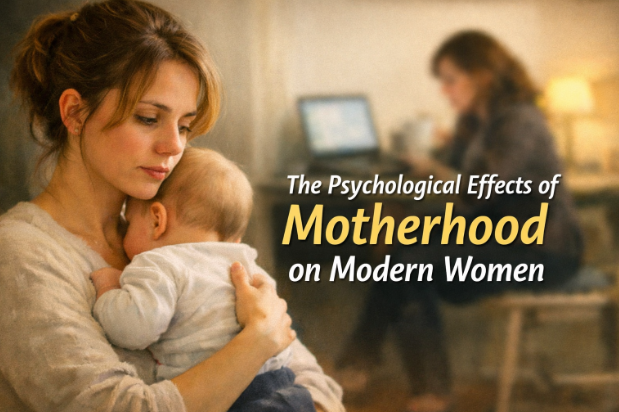
Motherhood is a profound life experience that significantly shapes a woman’s identity, emotional landscape, and overall psychological well-being. In contemporary society, modern women face a unique set of challenges and expectations that can have remarkable implications for their mental health during and after the transition to motherhood. From balancing career aspirations to nurturing familial bonds, the responsibilities associated with motherhood are increasingly complex and often overwhelming.
In recent years, societal norms have evolved, leading to heightened expectations regarding parenting roles. Mothers today are expected to excel not only in their caregiving duties but also in their professional lives. This dual commitment often leads to heightened stress levels, which can amplify feelings of inadequacy and anxiety. The need to fulfill these expectations may foster a sense of guilt when mothers perceive themselves as falling short, which can exacerbate psychological distress.
Furthermore, many modern mothers feel pressure to maintain an optimal image of motherhood, often influenced by social media portrayals that idealize parenting roles. This can contribute to unrealistic comparisons and exacerbate mental health issues such as depression and anxiety. It is crucial to acknowledge the emotional transitions that accompany motherhood, including the joy and fulfillment that comes from nurturing a child, as well as the challenges and pressures that may arise from evolving societal standards.
As we delve deeper into the various psychological effects of motherhood on contemporary women, we must explore the ways in which cultural context, support systems, and individual experiences shape maternal mental health. Understanding these dynamics is essential to fostering a supportive environment for mothers, enabling them to navigate the complexities of motherhood with resilience and empowerment.
The Shift in Societal Expectations
Over the past few decades, societal expectations surrounding motherhood have undergone significant transformation. In contemporary society, there is a marked emphasis on the ideals of independence and career achievement, which often conflict with traditional views of motherhood. This shift has led to a more complex landscape for women who navigate the dual roles of caregiver and professional. Historically, motherhood was often viewed primarily as a woman’s primary identity, placing emphasis on nurturing and homemaking. However, modern values challenge this notion, pushing for the equal recognition of women as career contributors.
As women increasingly pursue professional success, they often encounter societal pressures to embody an idealized version of motherhood, which includes being a hands-on parent while successfully managing their careers. This creates a delicate balancing act that many mothers find difficult to navigate. The concept of the “supermom,” who seamlessly juggles work responsibilities and family life, has become a prevalent standard that many women feel pressured to meet. This expectation can lead to feelings of inadequacy and stress when the reality of motherhood, with its challenges and demands, contrasts starkly with societal ideals.
Moreover, social media platforms have further complicated the discussion of motherhood by idealizing specific lifestyles and parenting techniques. Women may feel compelled to curate a public persona that aligns with these perceived standards, leading to additional pressure and potential conflict in their daily lives. The stress stemming from these conflicting expectations can exacerbate feelings of guilt or failure, ultimately impacting mental health. It is crucial to recognize that while individual aspirations for career and personal fulfillment are valid, the societal push for an all-encompassing ideal of motherhood needs reevaluation. Addressing these pressures can help create a more supportive environment for modern women navigating the multifaceted role of motherhood.
Emotional Changes During Pregnancy
Pregnancy marks a significant transition in a woman’s life, encompassing profound emotional changes influenced by various factors such as hormonal fluctuations, physical health, and social expectations. The onset of pregnancy triggers a cascade of hormonal changes, primarily involving estrogen and progesterone, which can lead to notable mood swings. These hormonal surges may contribute to heightened emotions ranging from joy and excitement to anxiety and irritability.
Many women experience a phenomenon known as “pregnancy brain,” which includes difficulties in focus and memory. This cognitive shift can sometimes amplify feelings of stress, as expecting mothers grapple with the demands of preparing for a new child while managing their personal uncertainties. Such emotional turbulence is common in the first trimester, where uncertainty about the pregnancy and the physical changes can lead to anxiety levels that fluctuate unpredictably.
On the other hand, pregnancy can also invoke a sense of profound connection and anticipation towards motherhood, fostering feelings of nurturing and love. Many women report experiencing heightened awareness of their body and emotions, leading to moments of introspection about life choices and values. This positive emotional shift can create a foundation of resilience, preparing expectant mothers for the challenges that lie ahead.
However, not all emotional changes during pregnancy are positive. Some women may face significant mood disorders such as prenatal depression or anxiety, exacerbated by factors like a lack of support, previous traumatic experiences, or existing mental health conditions. Understanding these emotional changes is essential for seeking appropriate support and interventions, facilitating a healthier emotional adjustment to impending motherhood.
Postpartum Mental Health Challenges
Motherhood, while often a joyful experience, can also be accompanied by significant mental health challenges, particularly in the postpartum period. One of the most prevalent conditions is postpartum depression (PPD), which affects approximately 15% of new mothers. Symptoms often include persistent sadness, fatigue, changes in sleep and appetite, and difficulty bonding with the baby. It is essential to recognize that experiencing these feelings does not mean a mother is unfit or failing in her role; rather, it underscores the need for support and care.
Postpartum anxiety is another common condition that may manifest following childbirth. Similar to PPD, postpartum anxiety can create intense feelings of worry, panic, and fear regarding one’s ability to care for the newborn or the baby’s health. These feelings can be overwhelming and may lead to avoidance behaviors that further compound the mother’s stress and isolation. Recognizing the signs and symptoms of both conditions is crucial, as these challenges can negatively impact both the mother and child if left untreated.
Despite the prevalence of postpartum mental health challenges, stigma still surrounds these conditions. Mothers often feel ashamed or embarrassed to admit they are struggling, fearing judgment from peers or family. This stigma can lead to underreporting of symptoms and a reluctance to seek help, exacerbating the situation. Nevertheless, it is vital to acknowledge that seeking help is a sign of strength, not weakness. Professional support, including therapy and medication, can offer relief and facilitate recovery.
Potential treatment options vary based on individual needs. Cognitive-behavioral therapy (CBT), support groups, and psychoeducation are effective treatments for postpartum depression and anxiety. In some cases, medication may also be beneficial, but it is essential to consult a healthcare professional for personalized guidance. Addressing postpartum mental health early can significantly improve outcomes for mothers and their families.
The Impact of Motherhood on Identity
Motherhood has a profound influence on a woman’s identity, often leading to a complex interplay between personal aspirations and caregiving responsibilities. The transition into motherhood can bring about significant emotional and psychological changes, prompting many women to reevaluate their self-image and life goals.
One of the notable transformations occurs in how women perceive themselves. Before motherhood, many women may define their identity through personal achievements, career aspirations, or hobbies. However, once they become mothers, there often arises a shift in focus towards the nurturing and caregiving aspects of their role. This can create a psychological conflict as they seek to balance their individual ambitions with the demands of motherhood. The redefinition of identity is often a challenging process; women may experience feelings of guilt when prioritizing their personal needs over their children’s, leading to an internal struggle.
Moreover, societal expectations can exacerbate this conflict. Women are frequently faced with pressures to embody the ideal mother, fostering a sense of inadequacy when they feel they are not meeting these benchmarks. This pressure can significantly affect their mental well-being, as they navigate the complexities of self-identity in the wake of motherhood. Many women find themselves grappling with questions about their worth and contributions outside of their maternal roles.
In addition, the journey of motherhood can also forge a new sense of identity. For many women, the act of caregiving can enhance feelings of purpose and fulfillment, reshaping their self-concept in positive ways. The complexity of identity in motherhood encompasses both the challenges and rewards of embracing this new role, underscoring the multifaceted nature of maternal experiences.
The Influence of Support Systems
Motherhood presents a unique set of psychological challenges, often compounded by societal expectations and personal aspirations. A crucial factor influencing how women navigate these challenges is the presence of robust support systems. Support systems can include immediate family, close friends, community organizations, or even online groups, all of which can substantially impact a mother’s mental well-being.
Research indicates that a solid network of support can buffer against feelings of isolation and stress that often accompany motherhood. For example, mothers who have access to familial support—from parents, siblings, or co-parents—are more likely to experience improved mental health outcomes. Such families can offer emotional reassurance, practical assistance, and a sense of community that is essential during the intense phases of early motherhood.
Moreover, support from friends can also play a significant role in alleviating the psychological burden. Close friends provide not just companionship but also a safe space for mothers to express their feelings and concerns, encouraging open conversations about the challenges they face. This social interaction is vital for normalizing the ups and downs of motherhood and promoting positive coping mechanisms.
Community resources, such as parenting classes and support groups, further enhance the network of assistance available to modern mothers. They not only provide valuable information and practical advice but also foster a sense of belonging among participants. This can be particularly advantageous for new mothers navigating unfamiliar territory.
In essence, the integration of strong support systems plays a pivotal role in mitigating the psychological effects of motherhood. When women are surrounded by a network of supportive individuals, they are better equipped to manage stress and thrive in their roles as mothers. Understanding and prioritizing these support systems can lead to improved mental health outcomes for mothers in today’s increasingly complex environment.
Work-Life Balance and Stress
In contemporary society, the concept of work-life balance has become increasingly complex, especially for modern mothers who often find themselves navigating the demands of career and family simultaneously. The dual responsibilities of being a professional and a parent can lead to significant stress, as mothers strive to meet the expectations of their workplaces while also fulfilling their roles at home. This struggle to maintain a harmonious balance can take a toll on their mental health.
Research indicates that the conflicting demands of work and parenting can result in heightened levels of stress, anxiety, and even depression among mothers. The pressure to excel in both domains can create feelings of inadequacy and guilt, particularly when they believe they are not devoting enough time or energy to either their job or their children. This internal conflict not only affects their emotional well-being but can also ripple through their family dynamics and workplace relationships.
Furthermore, the stress associated with achieving work-life balance can manifest physically. It has been documented that chronic stress can lead to a variety of health issues, including headaches, fatigue, and gastrointestinal problems. Mothers may also experience a decrease in overall life satisfaction as they grapple with the competing priorities of their roles. The societal expectation of “doing it all” can leave mothers feeling overwhelmed and isolated, complicating their ability to thrive in both areas of their lives.
Addressing the challenge of work-life balance requires a multifaceted approach. Support systems, both in the workplace and at home, can play a pivotal role in alleviating stress. Organizations that offer flexible working conditions, such as remote work options and parental leave policies, can contribute positively to a mother’s ability to manage her responsibilities. Finally, fostering open communication and understanding within familial structures can also provide necessary emotional support, which is instrumental in promoting a healthier work-life balance.
Coping Strategies for Modern Mothers
Motherhood can bring about a range of psychological challenges, and it is crucial for modern mothers to develop effective coping strategies. These strategies can help them navigate the complexities of motherhood while also ensuring their own mental well-being.
One effective approach is to prioritize self-care. Mothers often put their children’s needs ahead of their own, which can lead to burnout. Allocating time for personal interests or simply relaxing can significantly enhance emotional health. Activities such as reading, engaging in hobbies, or taking short walks can serve as valuable breaks from parenting duties.
Incorporating mindfulness techniques into daily routines can also provide considerable benefits. Practices such as meditation or yoga can help mothers center their thoughts and reduce anxiety. Even brief mindful moments, such as deep breathing exercises or a few minutes of quiet reflection, can create a sense of calm amidst the chaos of motherhood. These moments encourage mental clarity and better emotional management.
Seeking professional help is another viable strategy for managing the psychological effects of motherhood. Consulting with therapists who specialize in motherhood-related issues can offer mothers valuable insights and coping mechanisms tailored to their unique experiences. This proactive approach in seeking mental health support can mitigate feelings of isolation or overwhelm.
Additionally, building a solid support network is crucial. Engaging with other mothers, whether through formal groups or informal gatherings, can foster community and provide a sense of belonging. Sharing experiences and parenting challenges with others can alleviate feelings of inadequacy and encourage mothers to seek help when needed.
In summary, by adopting these coping strategies—self-care, mindfulness practices, professional support, and community engagement—modern mothers can effectively manage the psychological effects of motherhood, leading to enhanced well-being for themselves and their families.
Conclusion and Reflection
Throughout this blog post, we have explored the myriad psychological effects that motherhood can have on modern women. The journey of motherhood is multifaceted, encapsulating a range of emotions from unparalleled joy to deep-seated anxiety. Our examination highlighted the significant pressures women face, including societal expectations, personal aspirations, and the challenges of balancing family and career. Understanding these psychological impacts is essential not only for mothers themselves but also for the support systems surrounding them.
Moreover, recognizing the changes in identity and the extensive emotional labor involved in parenting is vital. Mothers often navigate feelings of guilt and inadequacy, which can affect their mental health and overall well-being. As we reflect on these dynamics, it is important to acknowledge that the experience of motherhood is unique to each individual. Thus, fostering open dialogues about these challenges plays a critical role in promoting mental wellness among mothers.
Additionally, addressing the psychological effects of motherhood can pave the way for healthier approaches to parenting in future generations. By dismantling societal stigmas and encouraging supportive environments, we can help women embrace their roles without compromising their identities. As we conclude this exploration, we encourage readers to reflect on their own experiences as mothers or to consider the experiences of mothers in their lives. Understanding the complexities of motherhood allows for greater empathy and connection, ultimately leading to a more supportive community for all mothers.