
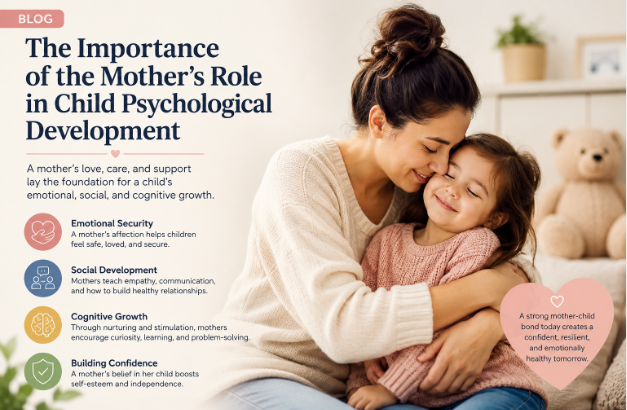
Introduction to Maternal Influence
The role of a mother in a child’s life is profoundly significant, particularly in the realm of psychological development. From the moment of birth, mothers are pivotal in shaping their children’s emotional and psychological landscapes. The attachment that forms between a mother and her child in the early stages of life not only influences the child’s immediate comfort and security but profoundly impacts their long-term psychological health.
Maternally influenced attachments provide a foundation for social behavior, emotional regulation, and resilience. Studies have shown that children who experience consistent emotional support and nurturing from their mothers tend to develop healthier self-esteem and better coping mechanisms when faced with adversity. This bond creates a safe environment where children feel free to express themselves and explore their surroundings, which are essential components of healthy cognitive and emotional development.
Moreover, a mother’s responsiveness to a child’s needs lays the groundwork for social understanding and interpersonal relationships. Her ability to recognize and validate her child’s emotional states fosters a sense of security and belonging, teaching the child how to manage emotions, build friendships, and navigate social contexts later in life. In this sense, a mother’s influence extends beyond basic caregiving, encompassing lessons in empathy and cooperation, which are crucial for successful interactions in broader society.
The emotional bonds forged during early childhood often continue to influence the individuals that these children become. The significance of maternal influence is further underscored during moments of stress or trauma, wherein a compassionate and providing mother can serve as a stabilizing force for her child’s mental health. Understanding these dynamics illuminates why maternal involvement is essential for healthy psychological development and highlights the importance of nurturing maternal practices for optimized child outcomes.
The Early Bond: Attachment Theory
Attachment theory, pioneered by John Bowlby, emphasizes the profound impact that early relationships, particularly between a mother and her child, have on psychological development. This theory posits that the bonds formed during infancy serve as a framework for future emotional and social interactions. Secure, avoidant, and anxious are three primary attachment styles identified within this theory, each significantly influencing a child’s emotional growth and relationships.
A secure attachment occurs when a mother is consistently responsive to her child’s needs. Children with a secure attachment tend to feel safe in exploring their environment and are more likely to develop healthy relationships in adulthood. Such children find comfort in knowing that their mother will be there to support them, fostering a sense of trust and emotional resilience.
On the contrary, avoidant attachment arises when a mother is emotionally unavailable or unresponsive. Children with this attachment style often learn to suppress their emotional needs, leading to difficulty in forming intimate relationships later in life. They may exhibit independence at a young age but often struggle with emotional intimacy and connection as they grow older.
Anxious attachment develops from inconsistent maternal responsiveness. Children who experience this attachment style tend to worry about the availability of their mother, leading to clinginess and anxiety when separated. In adulthood, these individuals may grapple with trust issues and heightened sensitivity to perceived rejection, which can affect their capacity to form stable, healthy relationships.
The mother’s responsiveness is thus critical in shaping these attachment styles, ultimately influencing a child’s emotional development and social competencies. Understanding these dynamics can guide both parents and professionals in fostering healthier attachment relationships that support emotional well-being throughout life.
The Role of Mothers in Emotional Regulation
Mothers play a fundamental role in shaping their children’s emotional development, particularly in the realm of emotional regulation. Emotional regulation refers to the ability to manage and respond to one’s emotional experiences in a healthy manner. This crucial skill begins to form in early childhood, heavily influenced by maternal interactions and behaviors.
One of the primary ways mothers facilitate emotional regulation is through comfort and reassurance. When mothers respond sensitively to their children’s distress, they provide a secure base from which children can explore their feelings. For instance, a mother who recognizes when her child is upset and offers comfort not only helps alleviate the child’s immediate distress but also teaches the child how to seek and accept support in times of emotional turmoil. This nurturing behavior instills a sense of safety and assurance, forming a critical foundation for emotional intelligence.
Additionally, validation of children’s feelings is a crucial aspect of a mother’s role. When a mother acknowledges her child’s emotions—be it happiness, sadness, or frustration—she communicates that it is normal to experience a range of feelings. This validation teaches children that their emotions are legitimate and worthy of expression, encouraging them to articulate their feelings rather than suppress them. Through discussions about various emotional states, mothers can help children learn to identify and label their emotions, enhancing their capacity for emotional understanding and regulation.
Moreover, effective communication is key to fostering emotional regulation. Mothers who model healthy communication skills enable their children to express their feelings openly and constructively. By guiding children in problem-solving during conflicts or emotional dilemmas, mothers contribute to their children’s ability to navigate challenges while maintaining emotional balance. Overall, the maternal influence on emotional regulation is pivotal in shaping resilient, emotionally adept individuals.
Cognitive Development and Learning Opportunities
The role of a mother in promoting cognitive development in her child is multifaceted, encompassing various aspects that combine to create a nurturing and stimulating environment. A mother’s support is pivotal, particularly through engaging activities that foster learning and cognitive growth. One of the fundamental aspects of this support involves reading aloud to children. Research shows that regular reading sessions not only enhance vocabulary but also stimulate imagination and critical thinking. Through discussions about the story, children learn to express their thoughts and develop their comprehension skills.
Engaging in conversation is another critical avenue through which mothers can promote cognitive development. By discussing daily experiences, asking open-ended questions, and encouraging children to articulate their thoughts, mothers lay the groundwork for enhanced verbal skills and cognitive capabilities. This conversational engagement is essential as it challenges children to think critically and offers them learning opportunities that may not arise in structured educational settings.
Moreover, providing challenges that encourage problem-solving and creativity is vital for cognitive achievement. Mothers can introduce puzzles, games, or activities that require strategic thinking and creativity. Such challenges allow children to explore their problem-solving abilities while fostering resilience when faced with setbacks. By encouraging exploration and experimentation, mothers also help children develop their capacity for independent thinking and creativity.
Incorporating a variety of learning experiences, such as art projects, science experiments, and outdoor exploration, significantly contributes to cognitive development as well. This diversity in activities captures a child’s attention and keeps them engaged while promoting curiosity and a love for learning. Therefore, the supportive involvement of a mother in these stimulating activities plays an essential role in shaping a child’s cognitive abilities and psychological development.
Social Skills and Relationships
The role of mothers is pivotal in shaping children’s social skills and the formation of healthy relationships. Mothers frequently serve as the first socializing agents in a child’s life, teaching them essential skills that enable successful interaction with others. From an early age, mothers can demonstrate how to communicate effectively, showing their children how to express feelings appropriately, share experiences, and engage in cooperative play.
Through day-to-day interactions, mothers provide children with the knowledge needed to navigate social cues and expectations. For example, guiding children through scenarios where they must take turns, share toys, or express gratitude builds a foundation for friendships. Consequently, children learn the value of empathy and listening, recognizing that forming bonds with others requires mutual respect and consideration. This foundational understanding is crucial in establishing long-lasting friendships.
Conflict resolution is another area where mothers play a significant role in developing necessary skills. By modeling appropriate responses to disagreements and demonstrating problem-solving techniques, mothers equip their offspring with the tools to handle conflicts constructively. Children observe how their mothers address misunderstandings, learning that open dialogue and compromise are vital for resolving disputes. These experiences are particularly valuable as they help children understand that differences can be managed effectively, fostering resilience in social contexts.
Additionally, by facilitating playdates and encouraging social interactions, mothers actively promote engagement with peers, further enhancing their children’s capacity to build and maintain relationships. This early exposure prepares children for the complexities of adult social interactions. Ultimately, the maternal influence on social skills is profound, establishing a firm basis in developing healthy relationships throughout life.
The Impact of Maternal Mental Health
The mental health of a mother plays a crucial role in her child’s psychological development, shaping their emotional and social skills from infancy through adolescence. When a mother experiences issues such as stress, depression, or anxiety, it can significantly affect her parenting practices. These mental health challenges can lead to difficulties in providing responsive caregiving, which is essential for fostering a secure attachment between a mother and her child. A lack of emotional availability can hinder a child’s ability to trust their caregiver, ultimately impacting their emotional security and well-being.
Moreover, maternal mental health issues can manifest in various ways, including irritability, withdrawal, or inconsistent caregiving. Such behaviors may contribute to a chaotic environment where children find it challenging to feel safe and nurtured. As a consequence, these children may exhibit signs of emotional and behavioral problems, including issues with self-regulation, social skills, and anxiety. Long-term exposure to an unhealthy parental mental state can increase the likelihood of developing their own mental health issues in later life.
The implications of maternal mental health extend beyond immediate behavioral patterns. Research has shown that children of mothers who suffer from depression or severe anxiety are at a heightened risk of developing mood disorders, attention-deficit hyperactivity disorder (ADHD), and other psychosocial challenges. Thus, it is imperative that mothers facing mental health challenges seek appropriate support and treatment. By doing so, they can not only improve their well-being but also create a more stable and positive environment for their child’s growth and emotional development.
Cultural Variations in Maternal Roles
The role of a mother is significantly influenced by cultural contexts, offering a rich tapestry of beliefs, practices, and expectations that shape maternal behaviors. Different cultures have distinct understandings of motherhood, which in turn affects the psychological development of children. In many indigenous cultures, for instance, motherhood is often viewed as a communal role, where extended family and community members play a vital part in child-rearing. This collective approach not only provides emotional support but also fosters a sense of belonging and security in children.
In contrast, Western cultures often emphasize individualism, leading mothers to take on more solitary responsibilities in childcare. This can strengthen the mother-child bond but may also create added pressure on mothers to fulfill multiple roles, such as being both a caregiver and provider. The varying expectations can have profound implications for a child’s self-esteem, social skills, and emotional regulation. These differences can lead to diverse outcomes in children’s psychological growth, illustrating the necessity of understanding cultural perspectives on motherhood.
Moreover, cultural values heavily influence the methods of discipline, education, and emotional expression in maternal roles. For instance, in some cultures, strict discipline is the norm, whereas others may prioritize emotional warmth and permissiveness. Such approaches can significantly affect a child’s behavioral outcomes and coping strategies throughout life. Additionally, cultural narratives surrounding motherhood can impose specific gender roles that limit maternal expressions and reinforce traditional norms, thereby affecting the dynamics within family structures.
Ultimately, recognizing these cultural variations in maternal roles is essential for appreciating the broader context within which children develop psychologically. By understanding how different cultural values shape maternal behaviors, we gain insight into the complex interplay between culture, motherhood, and child psychological development.
Case Studies: Real-Life Examples of Maternal Influence
Understanding the nuanced role that mothers play in their children’s psychological development can be illustrated through real-life case studies. These narratives provide tangible examples of how maternal influence shapes children’s emotional and cognitive growth. One compelling case is that of Sarah, a single mother who dedicated an immense amount of time to her son, Daniel, who struggled with autism. Sarah’s unwavering support through patient communication and consistent routines significantly improved Daniel’s social skills and emotional regulation. Studies show that maternal responsiveness, like Sarah’s, fosters a secure attachment which is crucial for children with developmental challenges.
Another noteworthy case is that of Maria, a working mother with a demanding job who faced challenges in balancing her professional and personal responsibilities. Maria implemented a structured weekly family night, ensuring that she connected with her children despite her busy schedule. This decision dramatically improved her children’s self-esteem and emotional stability, showcasing that even short, quality interactions can lead to positive psychological outcomes. Research indicates that mothers who prioritize emotional availability can help children cultivate resilience and adaptability in their lives.
Finally, consider the example of Aisha, whose nurturing parenting style embraced open communication. She encouraged her daughter Maya to express her feelings freely. As a result, Maya developed strong emotional intelligence, enabling her to navigate social relationships effectively. This case emphasizes the idea that maternal engagement in emotional discussions not only solidifies the mother-child bond but also equips children with tools to manage their emotions and foster healthy relationships.
These examples highlight the reality that each mother’s approach, whether through direct support, structured engagement, or emotional openness, plays a fundamental role in shaping children’s psychological development. The diverse experiences depicted in these case studies underline the significance of maternal influence across various contexts and challenges.
Conclusion: Nurturing Future Generations
The importance of a mother’s role in child psychological development cannot be overstated. Throughout this exploration, we have highlighted how maternal engagement, emotional support, and nurturing behaviors significantly influence a child’s mental health and social skills. Mothers act as primary caregivers who not only provide physical needs but also the emotional and psychological scaffolding essential for shaping the child’s future. Their role extends beyond mere caregiving; it includes modeling behaviors, fostering resilience, and cultivating emotional intelligence.
Research shows that children who experience consistent affection, responsive interactions, and emotional validation from their mothers are more likely to develop strong self-esteem and adaptive coping mechanisms. The foundations laid in early years often dictate social relationships in adulthood, making a mother’s influence pivotal. Furthermore, the stressors faced during parenting can also be acknowledged; however, support systems and community resources can aid mothers in their journey, enabling them to focus on their vital role.
For mothers seeking to enhance their relationships with their children, several practical approaches can be beneficial. Firstly, open communication is crucial; allowing children to express their thoughts and feelings fosters an environment of trust and security. Secondly, engaging in shared activities, whether educational or recreational, strengthens bonds and creates lasting memories. Lastly, practicing mindfulness can enable mothers to respond empathetically to their children’s needs, promoting emotional understanding.
In conclusion, a mother’s role in nurturing future generations is not just influential; it is foundational. As mothers continue to inspire and empower their children, they play an irreplaceable part in shaping a healthier, more resilient society. Recognizing and appreciating this invaluable contribution is essential for both family well-being and societal progress.