
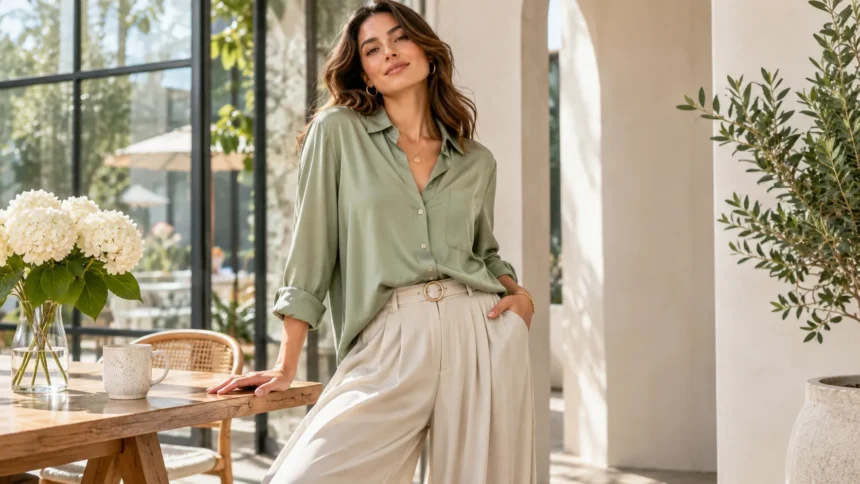
What Is Tencel Fabric?
Tencel fabric is a soft, breathable textile known for its smooth texture, comfortable feel, and elegant appearance. It is commonly used in everyday clothing, sleepwear, activewear, and home textiles. Many people choose Tencel because it feels gentle against the skin while offering a lightweight alternative to several traditional fabrics. Its versatility also makes it useful for different seasons and personal styles.
TENCEL is a trademark of Lenzing, an Austrian company that produces branded lyocell and modal fibers. These fibers are made using cellulose obtained from wood sources. Although people often describe Tencel as a single fabric, the name actually covers different fiber types with distinct properties. Understanding this difference helps shoppers choose clothing that suits their comfort and lifestyle preferences.
One reason Tencel clothing has become popular is its ability to combine casual comfort with a polished appearance. The fabric often drapes naturally, creating relaxed silhouettes without looking untidy. Depending on the weave and garment construction, it can feel silky, smooth, or slightly structured. This flexibility makes it suitable for everything from comfortable weekend outfits to smart casual clothing.
How Is Tencel Fabric Made?
Tencel fibers begin with cellulose extracted from wood pulp. The manufacturing process transforms this natural material into fibers that can be spun into yarn and eventually woven or knitted into fabric. TENCEL Lyocell and TENCEL Modal use different production methods. Both are designed to provide softness, flexibility, and dependable performance in a wide variety of garments.
TENCEL Lyocell is produced using a solvent-spinning process that recovers and reuses most of the processing solvent. This closed-loop approach can reduce waste compared with less efficient manufacturing methods. However, the environmental impact of a finished garment also depends on dyeing, finishing, transportation, and manufacturing conditions. Looking at the entire production process provides a more accurate understanding of its sustainability.
TENCEL Modal is commonly made from beechwood cellulose through a modified viscose production process. Modal fibers are particularly valued for their softness and comfortable flexibility. Manufacturers often blend these fibers with cotton, elastane, or other materials to achieve specific characteristics. As a result, two garments labeled Tencel may feel noticeably different depending on their fiber composition.
Why Is Tencel Fabric So Comfortable?
Comfort is one of the biggest reasons people appreciate Tencel fabric. Its smooth fiber surface can feel gentle against the skin, making it attractive for daily clothing. The material often has a soft, flowing drape that moves naturally with the body. These qualities make Tencel especially appealing for relaxed shirts, dresses, pajamas, and comfortable trousers.
Another useful feature is moisture management, particularly in garments made with lyocell fibers. The fibers absorb moisture, helping reduce the damp feeling associated with certain synthetic fabrics. However, actual breathability depends on fabric thickness, construction, and additional materials. Lightweight woven Tencel may feel cooler than a thick knitted version made from similar fibers.
Tencel can also offer a pleasant balance between softness and durability when properly manufactured. The fabric generally maintains a comfortable texture through regular wear and suitable washing. Nevertheless, certain delicate constructions may wrinkle, stretch, or develop surface wear over time. Choosing well-made garments and following their care instructions helps preserve their appearance and comfort.
Tencel Fabric vs Cotton: Which Is Better?
Tencel and cotton are popular clothing materials, but they have different characteristics. Cotton is a natural plant fiber valued for its familiar texture, absorbency, and versatility. Tencel fibers are regenerated cellulose fibers manufactured from wood pulp. Both materials can produce comfortable garments, although their finished feel depends heavily on weaving, knitting, weight, and finishing techniques.
Tencel lyocell often has a smoother surface and more fluid drape than conventional cotton fabrics. This makes it useful for flowing dresses, relaxed trousers, and elegant casual shirts. Cotton, meanwhile, can provide a crisp appearance in structured clothing such as poplin shirts. Neither material is automatically better because different outfits require different fabric characteristics.
When comparing Tencel vs cotton, consider your climate, activities, and washing preferences. A lightweight Tencel blouse may work beautifully for warm-weather styling, while a sturdy cotton shirt may suit repeated everyday use. Both fabrics can absorb moisture and feel breathable. The best choice ultimately depends on garment quality, personal comfort, and how you plan to wear it.
Tencel Fabric vs Linen and Viscose
Linen is famous for its airy texture, visible weave, and naturally relaxed appearance. Tencel often feels smoother and drapes more fluidly, although individual fabrics vary considerably. Linen typically creates a slightly structured silhouette, while lightweight Tencel can produce a softer outline. Both materials can work well for summer wardrobes, depending on garment construction and personal comfort.
Viscose, sometimes called rayon, is another regenerated cellulose material commonly used in fashion. Like Tencel lyocell, it can feel soft and provide an elegant drape. However, viscose and lyocell use different manufacturing processes and may behave differently when wet. Fabric strength, shrinkage, and washing requirements also depend on how each garment is manufactured and finished.
Choosing between these materials becomes easier when you consider the intended outfit. Linen works nicely for textured summer shirts and relaxed tailoring, while Tencel suits softer, flowing silhouettes. Viscose can provide a similar fluid appearance in dresses and blouses. Always check the fabric label and care instructions rather than relying on the fiber name alone.
How to Style Tencel Shirts for Everyday Wear
Tencel shirts are versatile wardrobe pieces that can create casual or polished outfits. Their smooth finish often gives even simple designs an attractive appearance. For everyday styling, pair a relaxed Tencel button-down shirt with straight-leg jeans and comfortable sneakers. This combination feels effortless while remaining suitable for casual meetings, shopping trips, and weekend activities.
For a smarter look, tuck a fitted Tencel shirt into tailored trousers. Add loafers, a simple belt, and understated accessories to create a balanced outfit. Neutral shades such as cream, navy, olive, and beige work particularly well for versatile wardrobes. These colors also make it easier to combine one shirt with several trousers and jackets.
Oversized Tencel shirts offer another comfortable styling option. Wear one open over a plain T-shirt, or use a half-tuck to create a relaxed shape. Rolling the sleeves can make the outfit feel more casual without requiring extra accessories. Choose the shirt length and fit according to your preferred silhouette and how comfortably it moves.
How to Wear Tencel Dresses for Different Occasions
Tencel dresses are popular because the fabric often creates soft movement and natural-looking folds. Shirt dresses, midi dresses, and relaxed wrap styles can all benefit from this flowing quality. For daytime activities, combine a simple Tencel dress with flat sandals and a lightweight crossbody bag. The result is comfortable, practical, and easy to wear.
For work or smart casual occasions, choose a Tencel midi dress in a solid color. Layer it with a structured blazer or a lightweight cardigan for additional coverage. Simple leather shoes and minimal accessories help maintain a polished appearance. Selecting a well-fitting dress also allows the fabric to drape comfortably without excessive pulling or bunching.
Evening styling can be equally straightforward with the right design. A dark Tencel dress paired with elegant flats, a small handbag, and subtle jewelry creates a refined look. Dresses with interesting necklines or thoughtful tailoring may need very few accessories. Focus on the overall outfit balance rather than adding unnecessary details that distract from the fabric.
How to Style Tencel Pants and Trousers
Tencel trousers can provide a comfortable alternative to more rigid everyday pants. Wide-leg designs are particularly useful because the fabric often hangs naturally and creates a relaxed silhouette. Pair them with a simple cotton T-shirt and low-profile sneakers for a casual outfit. This combination works well for travel, weekend plans, and comfortable daily wear.
For office styling, select tailored Tencel trousers with a clean waistband and suitable length. Combine them with a tucked-in blouse or a lightweight knit top. Loafers, flats, or simple ankle boots can complete the outfit depending on the weather. Darker neutral colors often make these trousers easier to incorporate into a practical work wardrobe.
When styling loose Tencel pants, experiment with different top shapes to create your preferred proportions. A shorter jacket can complement wide-leg trousers, while a longer cardigan creates a relaxed layered look. Avoid choosing pieces based only on appearance without checking their comfort. The goal is an outfit that supports natural movement throughout the day.
Best Ways to Wear Tencel Fabric in Summer
Summer outfits often require lightweight materials that feel comfortable during warm weather. Tencel lyocell can be a useful option because its fibers absorb moisture and many garments have an airy construction. Loose shirts, relaxed shorts, and lightweight dresses are practical choices. However, thick Tencel fabrics may still feel warm, especially in humid conditions.
For casual summer styling, pair a breathable Tencel blouse with cotton shorts or relaxed linen trousers. Comfortable sandals and a lightweight bag complete the look without adding unnecessary layers. Lighter colors can also be practical for sunny days. Consider the fabric weave and garment fit because these factors strongly influence airflow and overall comfort.
Tencel clothing can also work for summer travel when easy styling is important. A simple shirt dress or coordinated trouser set can create several outfits with minimal effort. Choose garments that are easy to wash and suitable for your itinerary. Since some styles wrinkle during packing, test the fabric beforehand instead of assuming every Tencel item is wrinkle-free.
How to Layer Tencel Clothing in Cooler Weather
Although Tencel is often associated with lightweight clothing, it can also work during cooler months. Long-sleeved tops, knitted garments, and heavier woven fabrics offer useful layering options. A Tencel shirt under a cardigan creates a comfortable everyday combination. The key is choosing appropriate fabric weights rather than expecting lightweight material to provide substantial insulation.
For autumn styling, combine a Tencel blouse with straight-leg jeans and a soft knitted sweater. Add ankle boots or comfortable closed-toe shoes to complete the outfit. Neutral layers make the combination easy to repeat with different pieces. The smooth surface of many Tencel garments also helps them sit comfortably beneath jackets and other outerwear.
Winter outfits may benefit from Tencel base layers blended with suitable insulating fibers. These garments can feel soft against the skin while heavier outer layers provide warmth. However, Tencel itself is not a replacement for proper cold-weather insulation. Combine breathable inner clothing with weather-appropriate sweaters, coats, and accessories for reliable seasonal comfort.
How to Wash and Care for Tencel Fabric
Proper care helps Tencel garments maintain their softness, shape, and appearance. Start by reading the clothing label because different fabric blends require different washing methods. Many washable Tencel items benefit from cool water and a gentle wash cycle. Turning delicate pieces inside out may also help reduce friction during laundering.
Use a mild laundry detergent and avoid harsh treatments unless the garment manufacturer recommends them. Excessive heat can cause shrinkage, distortion, or damage to certain fabrics and finishes. Air-drying is often a suitable approach for delicate pieces. When drying knitted garments, laying them flat may help prevent unwanted stretching and preserve their original shape.
Some Tencel garments may develop wrinkles after washing or storage. If ironing is permitted, use the temperature recommended on the care label and test a small area first. A garment steamer may help remove light creases from suitable fabrics. Consistent care can extend clothing life and reduce the need for frequent replacements.
Is Tencel Fabric Sustainable and Worth Buying?
Tencel is frequently discussed as a potentially more sustainable textile option. Branded TENCEL Lyocell fibers are produced through a process designed to recover and reuse processing solvent. Lenzing also applies wood-sourcing requirements to its branded fibers. However, fiber production is only one part of a garment’s overall environmental impact.
A finished Tencel garment may include synthetic blends, dyes, chemical finishes, and additional manufacturing processes. These factors influence durability, recyclability, and environmental performance. Therefore, describing every Tencel product as completely eco-friendly would be misleading. Consumers can make more informed choices by checking fiber composition, manufacturer information, and garment quality.
Whether Tencel clothing is worth buying depends on how frequently you will wear it. A comfortable, well-made garment that fits your existing wardrobe may provide excellent long-term value. Choose versatile styles and follow the recommended care instructions to maximize use. Thoughtful purchasing decisions are often more practical than buying clothing based entirely on sustainability claims.
Common Mistakes to Avoid When Wearing Tencel
One common mistake is assuming every Tencel garment has the same texture and performance. Some pieces are lightweight and silky, while others feel thicker or more structured. Fabric blends can also change stretch, durability, and overall comfort. Checking the material composition and examining the garment before purchasing helps prevent disappointment.
Another mistake involves choosing overly delicate garments for activities that create frequent friction. Certain lightweight fabrics may show surface wear when repeatedly rubbed against rough bags or accessories. Selecting appropriate clothing for each activity can help protect its appearance. Well-constructed seams, suitable fabric weight, and comfortable movement are especially important for everyday wear.
Finally, avoid treating Tencel as a fabric that never requires maintenance. Improper washing, excessive heat, and careless storage can affect its texture and fit. Keep garments clean, follow their care labels, and repair minor damage when practical. These simple habits help maintain a versatile wardrobe while getting more use from individual pieces.
Conclusion
Tencel fabric offers a comfortable combination of softness, attractive drape, and versatile styling possibilities. Its smooth texture makes it suitable for shirts, dresses, trousers, and relaxed everyday outfits. Understanding the differences between lyocell, modal, and fabric blends helps you select clothing that meets your actual needs.
Wearing Tencel well does not require complicated fashion rules or expensive accessories. Simple combinations, thoughtful layering, and appropriate garment fits can create attractive outfits for different occasions. Whether you prefer casual clothing or polished everyday looks, Tencel can become a useful part of your wardrobe.
The best approach is to choose well-made pieces that suit your lifestyle and follow their care instructions. Consider comfort, durability, seasonal needs, and fabric composition before purchasing. With thoughtful styling and maintenance, Tencel clothing can remain a practical and enjoyable wardrobe choice for years.
Frequently Asked Questions
Is Tencel fabric good for hot weather?
Yes, lightweight Tencel garments can be comfortable in warm weather because the fibers absorb moisture and many fabrics allow airflow. However, breathability depends on fabric thickness, weave, and clothing design.
Does Tencel fabric shrink after washing?
Some Tencel garments can shrink, particularly when exposed to excessive heat or unsuitable washing conditions. Follow the manufacturer’s care instructions, use recommended temperatures, and choose gentle drying methods when appropriate.
Is Tencel better than cotton?
Neither fabric is universally better. Tencel often offers a smoother drape, while cotton provides many familiar textures and garment structures. The best option depends on comfort preferences, clothing quality, and intended use.
Can you wear Tencel fabric in winter?
Yes, Tencel can be worn during winter as part of a layered outfit. Long-sleeved tops and suitable blends work well beneath warmer clothing, although lightweight Tencel alone provides limited insulation.
Is Tencel fabric suitable for everyday clothing?
Yes, Tencel is suitable for many everyday garments, including shirts, dresses, trousers, and sleepwear. Choose an appropriate fabric weight, check the fiber blend, and follow care instructions to maintain comfort and durability.