
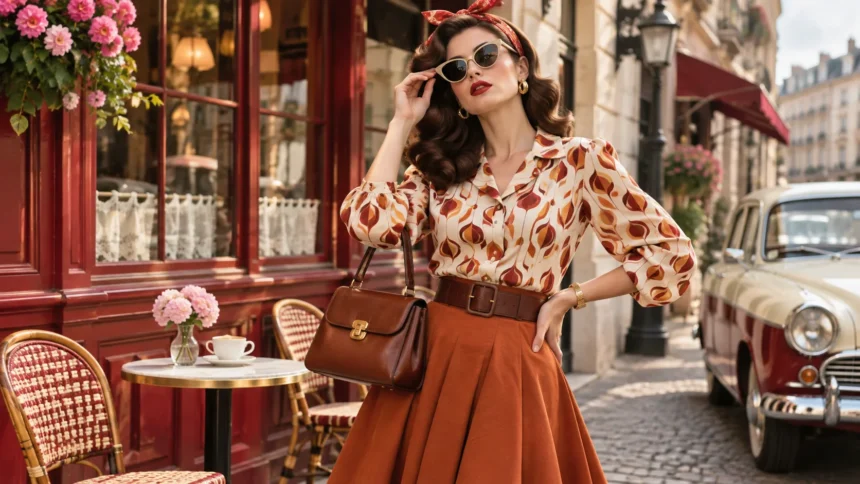
Retro fashion aesthetic brings the charm of past decades into modern everyday clothing. Inspired by recognizable styles from the 1950s through the 1990s, retro outfits often feature flared jeans, colorful shirts, patterned dresses, vintage-inspired jackets, and classic accessories. The appeal of retro fashion comes from combining nostalgic details with comfortable, practical clothing that still feels relevant today.
Unlike trends focused entirely on new designs, retro fashion draws inspiration from clothing that has already influenced fashion history. Bold prints, traditional denim, structured silhouettes, and distinctive accessories can create recognizable looks. However, wearing retro clothing does not mean copying an entire historical outfit. Modern pieces can easily complement vintage-inspired garments.
Getting started with the retro fashion aesthetic does not require expensive vintage collections or a completely new wardrobe. You can begin with familiar pieces and introduce details from your favorite decade. This guide explores retro fashion history, essential clothing items, popular colors, outfit ideas, seasonal styling tips, and practical ways to create a personal retro-inspired wardrobe.
What Is the Retro Fashion Aesthetic?
The retro fashion aesthetic is a clothing style inspired by trends, silhouettes, colors, and accessories associated with earlier decades. It commonly draws from fashion between the 1950s and 1990s, although inspiration can come from other periods. Retro styling recreates recognizable features of these eras while allowing room for modern interpretations.
Retro and vintage fashion are related, but they are not exactly the same. Vintage clothing generally refers to garments produced in an earlier period, while retro clothing may be newly manufactured to resemble older designs. For example, a new pair of 1970s-inspired flared jeans is retro rather than necessarily vintage.
The aesthetic is flexible because each decade offers different clothing influences. Some people enjoy classic 1950s dresses, while others prefer colorful 1980s jackets or relaxed 1990s denim. You can combine elements from different periods without following strict historical rules. The best retro outfits reflect personal preferences and everyday comfort.
Why Is Retro Fashion Still Popular?
Retro fashion remains popular because older clothing designs continue to influence contemporary trends. Familiar silhouettes such as flared trousers, denim jackets, and patterned shirts regularly appear in modern collections. These pieces connect current fashion with recognizable historical influences, making nostalgic styling accessible to different generations.
Another reason for its appeal is the opportunity for creative expression. Retro clothing includes a wide range of colors, textures, and decorative details that can make simple outfits more interesting. A patterned shirt or distinctive jacket can become the main feature of a look without requiring numerous accessories.
Retro fashion also works well with secondhand shopping and thoughtful wardrobe reuse. Older garments can be combined with modern basics, while newly made retro-inspired pieces provide additional options. However, buying vintage clothing is not automatically more sustainable in every circumstance. Choosing garments you will wear regularly is an important consideration.
Key Characteristics of Retro Fashion Style
One defining feature of retro fashion is its use of recognizable silhouettes from previous decades. A-line skirts, flared trousers, high-rise jeans, and structured jackets are common examples. These designs can create a historical influence without requiring a complete period-specific outfit. Their practicality depends on fabric, construction, and personal preference.
Colors and patterns also play important roles. Polka dots, gingham, geometric prints, stripes, and bold floral designs are associated with different retro trends. Some decades emphasized bright combinations, while others favored earth tones or muted shades. These differences provide plenty of styling possibilities for everyday clothing.
Accessories help complete many retro-inspired outfits. Cat-eye sunglasses, simple scarves, traditional belts, and classic footwear can introduce recognizable details. However, there is no need to wear every accessory associated with a particular period. Choosing a few complementary pieces often creates a more balanced and practical appearance.
Retro Fashion Colors and Prints
Retro fashion includes a wide variety of color palettes because clothing trends changed considerably between decades. Pastel pink, mint green, cream, and pale blue are often associated with certain 1950s-inspired looks. These gentle shades work naturally with simple dresses, traditional cardigans, and understated accessories.
The 1960s and 1970s introduced different combinations, including bright orange, yellow, brown, olive green, and bold geometric patterns. Earthy colors became particularly recognizable in many 1970s-inspired outfits. Pairing a rust-colored blouse with dark denim can create a subtle retro influence without requiring an elaborate outfit.
Later decades introduced additional possibilities, including vibrant 1980s colors and familiar 1990s neutrals. Black, denim blue, burgundy, and gray can create understated retro-inspired combinations. You do not need to restrict yourself to one historical palette. Choose colors that coordinate with your existing wardrobe and reflect your preferences.
Essential Clothing Pieces for Retro Outfits
A practical retro wardrobe can begin with familiar garments such as straight-leg jeans, flared trousers, patterned shirts, and comfortable knitwear. These pieces reflect different decades while remaining easy to incorporate into modern outfits. Neutral basics help balance more distinctive clothing and make everyday styling easier.
Vintage-inspired dresses and skirts provide additional options. A-line dresses, pleated skirts, and floral midi designs can introduce recognizable historical elements. These garments can be paired with modern shoes or simple cardigans. Choosing comfortable fabrics and suitable lengths makes them more versatile for daily activities.
Denim jackets, traditional blazers, and textured sweaters complete many retro combinations. Their familiar designs work across different seasons and occasions. However, owning every retro wardrobe essential is unnecessary. Start with pieces that naturally fit your lifestyle, and add others when they provide useful styling opportunities.
1950s Retro Fashion Outfit Ideas
Fashion inspired by the 1950s often features A-line dresses, full skirts, fitted cardigans, and traditional accessories. Polka dots, gingham patterns, and pastel colors are recognizable elements. These details create a nostalgic appearance, although everyday clothing during the decade was more varied than popular fashion imagery sometimes suggests.
A simple 1950s-inspired outfit can include a polka-dot midi dress and comfortable ballet flats. Add a lightweight cardigan when the weather requires another layer. A small handbag can complete the combination. This approach captures a recognizable vintage influence without needing elaborate accessories or historical clothing reproductions.
For a more casual interpretation, pair straight-leg trousers with a tucked-in blouse and simple loafers. A patterned scarf can introduce additional detail. These pieces can also be worn separately with modern clothing, increasing their versatility. The goal is to borrow useful elements from the period rather than recreate every detail.
1960s Retro Fashion Outfit Ideas
The 1960s introduced several influential clothing trends, including shift dresses, geometric prints, and streamlined silhouettes. Fashion varied throughout the decade, ranging from relatively traditional early styles to more experimental designs. Bright colors and bold patterns became especially recognizable in many later 1960s-inspired looks.
A simple outfit can include a geometric-print shift dress with comfortable flats. A plain cardigan or lightweight jacket provides an additional layer when necessary. Keeping accessories understated allows the pattern to become the main feature. This creates a recognizable retro appearance without overwhelming the outfit.
Another option pairs a colorful blouse with straight-leg trousers and simple shoes. A structured handbag may introduce a traditional finishing touch. These combinations work particularly well when modern basics balance the brighter clothing pieces. The 1960s provide useful inspiration for people who enjoy playful patterns and uncomplicated silhouettes.
1970s Retro Fashion Outfit Ideas
The 1970s are strongly associated with flared jeans, earth tones, patterned shirts, and relaxed clothing. However, the decade also included many different influences, from tailored outfits to disco fashion and casual denim. These varied trends provide numerous opportunities for modern retro styling.
A classic 1970s-inspired outfit can include flared jeans, a brown or cream blouse, and comfortable ankle boots. A simple belt may add another recognizable detail. This combination uses familiar clothing pieces while creating a nostalgic appearance. It can work for casual outings and relaxed social occasions.
For another interpretation, pair wide-leg trousers with a patterned shirt and lightweight jacket. Mustard, rust, and olive colors can create a traditional 1970s-inspired palette. However, choosing a single statement piece is often enough. Mixing vintage influences with simple modern garments helps make the outfit practical.
1980s Retro Fashion Outfit Ideas
The 1980s introduced recognizable fashion elements such as colorful jackets, bold patterns, statement accessories, and distinctive tailoring. Athletic clothing also influenced everyday fashion during the decade. However, not every 1980s outfit relied on bright colors or exaggerated proportions, and the period included many different styles.
A casual 1980s-inspired combination can include relaxed jeans, a colorful sweatshirt, and classic sneakers. Add a simple denim jacket when the weather requires another layer. This outfit creates a nostalgic streetwear appearance without using elaborate accessories. Comfortable clothing helps make the combination suitable for everyday activities.
For a slightly more structured look, pair a traditional blazer with plain trousers and a simple shirt. A colorful accessory can introduce an 1980s influence without dominating the outfit. The contrast between classic tailoring and playful details creates visual interest. This approach is useful for people who prefer understated retro fashion.
1990s Retro Fashion Outfit Ideas
The 1990s featured many different clothing influences, including minimalist fashion, casual denim, grunge-inspired outfits, and athletic streetwear. Straight-leg jeans, flannel shirts, simple sneakers, and relaxed jackets are recognizable examples. These pieces remain accessible because many are still common in modern wardrobes.
A classic 1990s-inspired outfit includes blue jeans, a plain white T-shirt, and a flannel overshirt. Comfortable sneakers complete the combination. This outfit works for casual outings, travel, and everyday activities. Its familiar pieces make it easy to recreate without purchasing specialized clothing.
Another option pairs relaxed trousers with a simple sweater and denim jacket. Neutral colors create an understated appearance, while a traditional backpack provides practical storage. These garments can also work within minimalist and casual fashion styles. The 1990s offer particularly versatile inspiration for people who prefer comfortable basics.
How to Wear Retro Fashion With Jeans
Jeans are among the easiest ways to introduce retro influences into an existing wardrobe. Different denim silhouettes are associated with various decades, including flared 1970s designs and relaxed 1990s styles. Classic blue denim provides a familiar foundation that can be paired with patterned tops and traditional accessories.
For a 1970s-inspired look, pair flared jeans with a simple blouse and comfortable boots. Add a brown belt for a subtle finishing detail. This combination emphasizes one recognizable silhouette while keeping the remaining pieces uncomplicated. It can be adapted to different seasons through suitable layering.
For a 1990s-inspired outfit, choose straight-leg jeans, a plain T-shirt, and a casual jacket. Sneakers maintain the relaxed appearance. A patterned shirt can introduce additional character when desired. These combinations demonstrate how denim can support retro styling without requiring an entirely new clothing collection.
Retro Dresses and Skirts for Everyday Wear
Retro-inspired dresses and skirts offer versatile options for people who enjoy classic fashion details. A-line dresses, pleated skirts, and floral designs can reflect different historical periods. These garments may be styled casually or for more polished occasions depending on footwear, accessories, and outerwear.
A floral midi dress paired with a simple cardigan creates an easy vintage-inspired combination. Comfortable flats or sandals keep the outfit practical for everyday activities. A neutral bag can provide useful storage. This look introduces retro charm without requiring elaborate styling or expensive accessories.
Skirts can also be combined with modern wardrobe essentials. A pleated skirt paired with a plain T-shirt and sneakers creates an understated nostalgic appearance. A denim jacket may provide another layer during cooler weather. Mixing familiar modern pieces with retro silhouettes helps keep outfits comfortable and versatile.
Best Shoes for Retro Fashion
Footwear contributes to retro fashion by reinforcing the overall historical influence of an outfit. Ballet flats, loafers, ankle boots, canvas sneakers, and platform-style shoes are associated with different periods. However, not every retro look requires period-specific footwear. Familiar shoes can complement vintage-inspired clothing effectively.
For 1950s-inspired outfits, simple flats or traditional loafers may work well with dresses and trousers. Ankle boots can complement 1970s-inspired flared denim, while classic sneakers suit many 1980s and 1990s combinations. The appropriate choice depends on the occasion and the clothing involved.
Comfort and practicality should remain priorities when selecting shoes. Certain historical designs may not provide the support or convenience needed for everyday activities. Modern alternatives can offer similar visual details with more practical construction. Retro fashion is flexible enough to accommodate footwear that suits your personal needs.
Retro Accessories That Complete the Look
Accessories can introduce nostalgic details without requiring an entire retro wardrobe. Scarves, traditional belts, simple jewelry, and vintage-inspired handbags are common choices. These items can complement modern clothing while creating a recognizable historical influence. Choosing one or two accessories is often enough.
Cat-eye sunglasses are associated with certain mid-century fashion looks, while colorful scarves and patterned bags can reflect other decades. A simple belt may also help define an outfit’s overall character. However, accessories do not need to be authentic vintage items to create the aesthetic.
Secondhand stores can provide distinctive accessories at different price points. Check condition, practicality, and comfort before purchasing. Modern accessories with traditional designs are another option. The most useful pieces are those that coordinate with several outfits rather than serving only one themed look.
Retro Fashion for Spring and Summer
Spring and summer provide opportunities to explore lightweight retro clothing and colorful patterns. Cotton dresses, patterned shirts, relaxed shorts, and comfortable sandals are practical options. Pastel colors and floral prints can create a mid-century-inspired appearance, while brighter patterns may reflect later decades.
A summer outfit might include a floral dress with simple flats and a lightweight cardigan. A small handbag provides a traditional finishing touch. This combination works for casual outings and relaxed gatherings. Breathable fabrics help maintain comfort during warmer weather.
Another option pairs a colorful short-sleeved shirt with straight-leg jeans or lightweight trousers. Simple sneakers complete the outfit. This approach creates an understated retro influence without requiring elaborate accessories. Seasonal comfort should guide your choices, especially when temperatures or humidity make heavy clothing impractical.
Retro Fashion for Autumn and Winter
Autumn and winter are suitable seasons for experimenting with retro knitwear, coats, and textured fabrics. Traditional sweaters, corduroy trousers, denim jackets, and wool-blend outerwear can create nostalgic combinations. Earth tones such as brown, rust, olive, and mustard work particularly well with many 1970s-inspired looks.
A classic autumn outfit includes corduroy trousers, a cream sweater, and comfortable ankle boots. Add a lightweight jacket when necessary. The contrasting textures create visual interest while maintaining a simple appearance. These pieces can also be combined with other wardrobe essentials.
Winter retro outfits may include traditional coats, knitted scarves, and relaxed trousers. Choose suitable insulation and weather-appropriate footwear rather than prioritizing historical accuracy. Layering allows different garments to work across changing conditions. Practical clothing makes retro fashion easier to enjoy throughout colder months.
Retro Fashion vs. Vintage Fashion
Retro and vintage fashion are closely related, but the terms describe different concepts. Vintage generally refers to clothing produced during an earlier period, although exact age conventions vary. Retro describes clothing or styling that deliberately draws inspiration from older trends. A newly manufactured dress inspired by the 1960s can therefore be retro without being vintage.
Authentic vintage garments may offer distinctive construction, fabrics, and historical details. However, older clothing can also require special care or adjustments to remain wearable. Retro-inspired modern garments may provide familiar designs with contemporary materials and sizing options. Both approaches offer useful styling possibilities.
You can combine vintage and retro pieces in one outfit. An older jacket may work with newly made flared trousers, while a modern dress can complement secondhand accessories. The distinction does not need to control your personal style. Comfort, practicality, and individual preferences should guide clothing decisions.
How to Build a Retro Capsule Wardrobe
A retro capsule wardrobe contains a manageable selection of clothing pieces inspired by different decades. Start with versatile jeans, patterned shirts, simple knitwear, and a traditional jacket. These essentials can create numerous combinations without requiring a large wardrobe. Additional pieces can reflect your favorite fashion period.
Choose a coordinated color palette to make mixing garments easier. Denim blue, cream, brown, black, and muted green can provide a practical foundation. One or two colorful pieces may introduce nostalgic character. Combining patterned garments with neutral basics helps maintain balance.
Review your existing wardrobe before purchasing anything new. Straight-leg jeans, familiar sweaters, or simple jackets may already suit the aesthetic. Add garments gradually when they complement pieces you regularly wear. A thoughtful wardrobe allows retro styling without unnecessary spending or clothing waste.
How to Create Retro Outfits on a Budget
Retro fashion can be created without expensive vintage collections or designer clothing. Many recognizable pieces, including flared trousers, patterned shirts, and traditional knitwear, are available at different prices. The aesthetic depends more on styling than on the age or cost of individual garments.
Secondhand shopping is a useful option for finding distinctive clothing. Thrift stores and resale platforms may offer older jackets, denim, dresses, and accessories. Inspect fabric condition, stitching, and care requirements before purchasing. Selecting items you will wear regularly can provide better value than buying clothing only for its nostalgic appearance.
Another affordable approach is experimenting with your existing wardrobe. A patterned shirt paired with familiar jeans and simple shoes may create a retro-inspired look immediately. Adding a traditional scarf or belt can introduce another detail. Thoughtful combinations reduce the need for unnecessary purchases.
Common Retro Fashion Mistakes to Avoid
One common mistake is assuming that every retro outfit must accurately reproduce clothing from a particular decade. Although historical inspiration can be enjoyable, strict accuracy is unnecessary for everyday styling. Combining one recognizable retro element with modern basics often creates a practical and balanced appearance.
Another mistake is incorporating too many patterns, colors, and accessories without considering how they work together. Bold prints and distinctive silhouettes can create strong visual interest individually. Pairing them with simpler clothing may make the overall outfit easier to coordinate. However, expressive combinations are also a valid personal preference.
Ignoring comfort and garment condition can create additional problems. Some older fabrics require careful maintenance, while certain vintage-inspired designs may not suit everyday activities. Choose clothing that allows comfortable movement and fits your routine. Retro style should remain enjoyable rather than becoming an inconvenient fashion requirement.
How to Make Retro Fashion Your Own
Personalizing retro fashion begins with identifying the decades and clothing elements you enjoy most. Some people prefer 1950s dresses, while others like 1970s flared jeans or casual 1990s outfits. You can borrow selected details without following one period exclusively. This flexibility encourages creativity.
Your lifestyle should influence the clothing you choose. Students may prefer comfortable denim and sneakers, while professionals might incorporate traditional blazers or patterned shirts. People living in warm climates can focus on breathable fabrics. Practical choices help make retro-inspired outfits suitable for regular activities.
Mixing retro influences with contemporary clothing creates additional possibilities. A 1970s-inspired blouse may work with modern trousers, while a traditional jacket can complement minimalist basics. These combinations help develop a personal aesthetic rather than a costume-like appearance. The best outfits reflect your comfort and individual preferences.
Conclusion
Retro fashion aesthetic celebrates the recognizable colors, silhouettes, patterns, and accessories of previous decades. From 1950s-inspired dresses to 1970s flared jeans and relaxed 1990s denim, the style offers numerous possibilities. Its flexibility allows older fashion influences to blend naturally with contemporary wardrobe essentials.
Creating retro outfits does not require expensive vintage garments or strict historical accuracy. Begin with familiar clothing, introduce one or two nostalgic details, and experiment with complementary colors. Comfortable fabrics and practical footwear help make the aesthetic suitable for everyday activities. Thoughtful styling matters more than following every retro trend.
Whether you prefer colorful patterns or understated vintage-inspired combinations, retro fashion provides opportunities for personal expression. Its familiar clothing pieces can be adapted across different seasons and occasions. By focusing on versatility, comfort, and creativity, you can build retro outfits that remain enjoyable beyond temporary fashion trends.
Frequently Asked Questions
What Is the Retro Fashion Aesthetic?
Retro fashion is a clothing aesthetic inspired by styles from previous decades, particularly the 1950s through the 1990s. It features recognizable silhouettes, colors, patterns, and accessories adapted for modern outfits.
What Clothes Are Considered Retro Fashion?
Common retro pieces include flared jeans, A-line dresses, patterned shirts, denim jackets, pleated skirts, traditional knitwear, and vintage-inspired accessories. Different clothing combinations reflect influences from different fashion decades.
What Is the Difference Between Retro and Vintage Fashion?
Vintage clothing generally refers to garments made in an earlier period, while retro clothing imitates or draws inspiration from historical styles. Newly manufactured clothing can therefore be retro without being genuinely vintage.
How Can You Dress Retro on a Budget?
Start with existing jeans, patterned shirts, sweaters, and jackets. Secondhand stores and affordable retro-inspired clothing can provide additional options without requiring expensive vintage collections or designer purchases.
Can You Mix Retro Fashion With Modern Clothes?
Yes, combining retro pieces with modern basics is an easy way to create practical outfits. Flared jeans, patterned blouses, or traditional jackets can complement contemporary shirts, trousers, and sneakers.


