
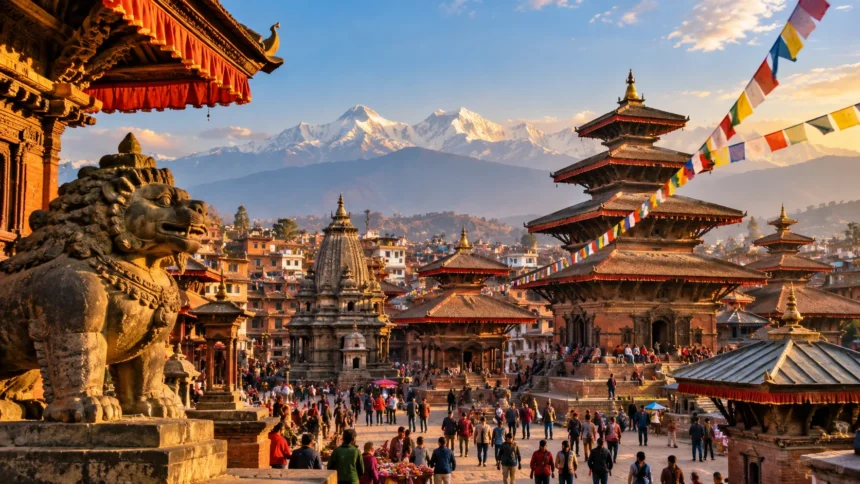
Kathmandu is one of South Asia’s most fascinating travel destinations, offering ancient temples, colorful markets, remarkable architecture, and breathtaking Himalayan scenery. As the capital of Nepal, the city combines centuries-old traditions with lively streets, welcoming communities, and unforgettable cultural experiences. From sacred Buddhist stupas to magnificent royal palaces, Kathmandu offers something special for history enthusiasts, adventure seekers, and curious travelers.
Whether you are planning a short city break, a cultural vacation, or the beginning of a Himalayan trekking adventure, there are plenty of exciting things to do in Kathmandu. Understanding its attractions, transportation, weather, and local customs can make your journey more enjoyable. This Kathmandu travel guide explores the best places to visit, must-see landmarks, traditional food, scenic day trips, and practical travel tips.
Why Is Kathmandu One of the Best Places to Visit in Nepal?
Kathmandu is an extraordinary destination because it combines Nepal’s spiritual heritage with fascinating historical landmarks and everyday cultural experiences. The city is located in the Kathmandu Valley, surrounded by hills and beautiful natural scenery. Visitors can explore centuries-old temples, traditional neighborhoods, bustling markets, and remarkable architectural sites within a relatively compact region.
One of Kathmandu’s biggest attractions is its concentration of important Hindu and Buddhist heritage sites. The Kathmandu Valley UNESCO World Heritage Site includes seven monument zones, featuring historic royal squares, ancient temples, and sacred stupas. These landmarks reflect the artistic achievements and religious traditions that have influenced the region for generations.
Kathmandu also serves as an important starting point for visitors exploring other parts of Nepal, including Pokhara and the Himalayan trekking regions. The city offers accommodation options, local restaurants, shopping areas, and travel services for different budgets. Whether you prefer peaceful cultural exploration or exciting outdoor adventures, Kathmandu provides a memorable introduction to Nepal.
Explore Kathmandu Durbar Square and the Historic Old City
Kathmandu Durbar Square is one of the most important historical attractions in Nepal, famous for its traditional architecture and former royal palace complex. Located in the historic heart of the capital, the square features beautifully carved wooden buildings, temples, courtyards, and monuments. Its architectural details offer fascinating insights into the artistic traditions of the Kathmandu Valley.
The Hanuman Dhoka palace complex is a major highlight, reflecting centuries of royal history and local craftsmanship. Visitors can also admire the Kumari Ghar, associated with Nepal’s living goddess tradition. Some buildings have undergone restoration following earthquake damage, so access to individual monuments and courtyards may vary during your visit.
Beyond the main square, Kathmandu’s old neighborhoods provide opportunities to explore narrow streets, traditional shops, and bustling local markets. The Asan market area is especially interesting for experiencing everyday commerce, spices, textiles, and household goods. Walking through these streets allows travelers to discover historic details and cultural experiences that are easily missed during rushed sightseeing tours.
Visit Swayambhunath Stupa for Panoramic Kathmandu Views
Swayambhunath Stupa, commonly known as the Monkey Temple, is one of the most recognizable Buddhist landmarks in Kathmandu. Situated on a hill overlooking the valley, the sacred complex features a white stupa, golden spire, colorful prayer flags, and surrounding shrines. Its elevated location provides impressive views across the capital, especially when the weather is clear.
Visitors can reach the main complex by climbing a long stone staircase or using alternative access routes closer to the summit. The site is known for monkeys that move freely around the surrounding structures and wooded areas. Travelers should avoid feeding or approaching these animals and keep food and personal belongings secure.
Swayambhunath is particularly enjoyable during the early morning or late afternoon, when the atmosphere can feel more peaceful. Visitors may observe worshippers walking clockwise around the stupa and turning prayer wheels as part of their devotional practices. Respectful behavior, suitable clothing, and attention to local customs help make this spiritual experience more meaningful.
Discover Boudhanath Stupa and Tibetan Buddhist Culture
Boudhanath Stupa is one of Kathmandu’s most impressive religious attractions and an important center of Tibetan Buddhist culture. The enormous white dome, golden tower, and painted Buddha eyes create one of Nepal’s most recognizable landmarks. Colorful prayer flags and surrounding monasteries contribute to the area’s peaceful yet lively spiritual atmosphere.
Visitors can walk around the stupa, explore nearby streets, and observe traditional Buddhist practices from appropriate public areas. Many worshippers perform kora, a clockwise walk around the sacred monument, while reciting prayers or turning prayer wheels. The surrounding neighborhood also contains handicraft shops, cafés, and restaurants influenced by Tibetan culture.
Boudhanath is especially beautiful during the late afternoon and evening when warm light highlights the monument’s architectural details. Rooftop cafés provide opportunities to enjoy tea while appreciating views of the stupa and surrounding activity. Travelers should avoid interrupting religious ceremonies and request permission before taking close photographs of worshippers or monks.
Experience Pashupatinath Temple and Hindu Traditions
Pashupatinath Temple is one of Nepal’s most sacred Hindu religious sites, dedicated to Lord Shiva and located beside the Bagmati River. The temple complex attracts pilgrims throughout the year and becomes particularly busy during major religious festivals. Its distinctive pagoda architecture, surrounding shrines, and spiritual significance make it an important destination for cultural travelers.
The main temple sanctum is restricted to Hindu visitors, although non-Hindu tourists can explore permitted surrounding areas and observe parts of the complex. The nearby riverbanks are associated with traditional Hindu cremation ceremonies and religious rituals. Visitors should approach these sensitive activities respectfully and avoid intrusive photography or behavior that may disturb grieving families.
Evening aarti ceremonies are another significant cultural experience, involving devotional music, lamps, and prayers along the river. Travelers can observe from designated areas while respecting religious customs and local instructions. A knowledgeable guide can help explain the temple’s history, symbolism, and traditions, making the experience more informative and culturally meaningful.
Explore Patan Durbar Square and Traditional Newari Art
Patan, also known as Lalitpur, is one of the most rewarding destinations to explore within the Kathmandu Valley. Its historic Durbar Square features beautifully preserved architecture, royal courtyards, temples, and intricate stone and metal craftsmanship. The area is especially attractive for travelers interested in Nepalese art, historic buildings, and traditional Newari culture.
The Patan Museum is a major attraction, offering exhibitions that explain religious art, historic sculpture, and regional craftsmanship. Visitors can also admire Krishna Mandir and explore the surrounding palace complex. The buildings reflect the artistic achievements of the Malla period and demonstrate why Patan has long been associated with skilled artisans.
Walking beyond the main square reveals traditional neighborhoods, workshops, small courtyards, and local cafés. Visitors may encounter craftspeople creating metal objects, decorative items, and traditional artworks using established techniques. Spending several hours in Patan allows travelers to experience a quieter historical atmosphere while discovering some of the Kathmandu Valley’s finest architectural details.
Take a Day Trip to Bhaktapur Durbar Square
Bhaktapur is one of the best day trips from Kathmandu, known for its historic streets, traditional architecture, and beautifully preserved cultural identity. Located east of the capital, the city was once an important royal center within the Kathmandu Valley. Its temples, courtyards, and distinctive brick buildings create a remarkable setting for historical exploration.
Bhaktapur Durbar Square contains impressive monuments associated with the city’s former royal heritage, including the famous 55-Window Palace. Nearby Taumadhi Square is known for Nyatapola Temple, an extraordinary multi-tiered pagoda. Visitors can also explore Pottery Square, where traditional clay craftsmanship remains an important part of the local cultural landscape.
Bhaktapur is particularly enjoyable when explored slowly, allowing time to wander through narrow streets and discover traditional shops. Local specialties such as juju dhau, a rich and creamy yogurt dessert, provide a delicious introduction to Newari food traditions. An early visit can make sightseeing more comfortable before the busiest afternoon tourist periods.
Explore Thamel for Shopping, Cafés, and Local Experiences
Thamel is Kathmandu’s most famous tourist neighborhood, offering a lively mixture of restaurants, accommodation, souvenir shops, and travel services. Its narrow streets are filled with colorful storefronts selling clothing, handicrafts, trekking equipment, and traditional Nepalese products. The area is especially convenient for travelers visiting Kathmandu for the first time.
Visitors can explore shops offering pashmina products, handmade jewelry, prayer flags, local artwork, and decorative souvenirs. Numerous cafés and restaurants serve traditional Nepalese dishes alongside international cuisine. The neighborhood also provides opportunities to meet other travelers, arrange guided excursions, and prepare for trekking adventures in different regions of Nepal.
Thamel becomes particularly lively during the evening when restaurants, music venues, and shopping streets attract visitors. Although the atmosphere can be exciting, traffic and crowded walkways require attention when moving through the neighborhood. Choosing accommodation on a quieter side street may provide a more comfortable stay while maintaining convenient access to nearby attractions.
Relax at the Garden of Dreams and Visit Kathmandu Museums
The Garden of Dreams offers a peaceful escape from Kathmandu’s busy streets, making it an attractive destination for visitors seeking relaxation. Located near Thamel, this restored historical garden features elegant pavilions, decorative ponds, landscaped pathways, and classical architectural elements. Its calm surroundings create a pleasant contrast to the energetic atmosphere found throughout central Kathmandu.
Visitors can spend time reading, enjoying the gardens, or relaxing in designated seating areas. The carefully maintained grounds provide attractive photography opportunities and a comfortable setting for a short sightseeing break. The garden is particularly enjoyable after exploring crowded markets or spending several hours visiting nearby historical monuments.
Kathmandu also offers museums that introduce visitors to Nepalese history, culture, and traditional artistic achievements. The National Museum of Nepal and Narayanhiti Palace Museum are notable options for travelers interested in historical exhibitions. Combining museums with relaxing garden visits provides a balanced itinerary that includes cultural learning without requiring an entire day of outdoor walking.
Try Traditional Nepali Food and Newari Specialties
Discovering traditional Nepalese cuisine is one of the most enjoyable things to do in Kathmandu because food reflects the country’s diverse cultural traditions. Local restaurants serve dishes featuring aromatic spices, lentils, rice, vegetables, and different types of meat. Exploring authentic neighborhood eateries allows travelers to experience flavors that form an important part of everyday life.
Dal bhat is one of Nepal’s most recognizable meals, commonly served with rice, lentil soup, vegetables, and flavorful accompaniments. Momos, which are steamed or fried dumplings filled with vegetables or meat, are another popular choice. Visitors can also try thukpa, a warming noodle soup associated with Himalayan food traditions.
Newari cuisine offers additional specialties, including bara lentil pancakes, chatamari rice-flour pancakes, and traditional snack combinations. Travelers with a sweet tooth may enjoy yomari, a filled steamed rice-flour delicacy often associated with festivals. Choose clean food establishments, consider your spice preferences, and drink properly treated water to reduce common travel-related stomach problems.
Enjoy Scenic Day Trips to Nagarkot and Shivapuri National Park
Kathmandu is surrounded by beautiful hills and natural landscapes, making it an excellent base for short outdoor adventures. Nagarkot is a popular hill destination northeast of the capital, famous for its scenic viewpoints and potential Himalayan mountain views. Visitors often travel there for sunrise experiences, peaceful accommodation, and opportunities to escape the city’s busy environment.
Clear autumn and spring mornings can offer particularly attractive mountain panoramas, although clouds and haze sometimes limit visibility. Travelers interested in photography may prefer staying overnight to improve their chances of experiencing favorable early-morning conditions. Local walking routes and countryside viewpoints provide additional opportunities to appreciate the region’s natural surroundings.
Shivapuri Nagarjun National Park offers another excellent option for travelers who enjoy forests, hiking, and outdoor recreation. Trails around the protected area provide opportunities to explore wooded hillsides and discover viewpoints overlooking the Kathmandu Valley. Visitors should confirm current entry requirements, trail conditions, and appropriate guide arrangements before undertaking longer hikes.
Discover Chandragiri Hills and Changu Narayan Temple
Chandragiri Hills is another popular attraction near Kathmandu, offering elevated viewpoints and opportunities to appreciate the valley’s surrounding mountain scenery. Visitors can reach the hilltop through a cable car service when operations and weather conditions permit. The destination attracts families, photographers, and travelers seeking a scenic experience without undertaking a demanding mountain trek.
At the summit, visitors can enjoy outdoor viewpoints, landscaped areas, and the Bhaleshwor Mahadev Temple. Clear weather may reveal distant Himalayan peaks, although mountain visibility varies throughout the year. The cable car journey itself provides beautiful views over forested slopes and surrounding settlements, creating an enjoyable experience before reaching the top.
Changu Narayan Temple provides a different experience for travelers interested in ancient architecture and Nepalese religious history. Located on a hill near Bhaktapur, the temple is associated with Lord Vishnu and is part of the Kathmandu Valley World Heritage Site. Its historic sculptures, carved stone monuments, and traditional surroundings make it an excellent cultural excursion.
Best Time to Visit Kathmandu and Essential Travel Tips
The best time to visit Kathmandu is generally during spring, from March to May, and autumn, from September to November. October and November often bring clearer skies and comfortable conditions for sightseeing and mountain viewpoints. Spring offers pleasant temperatures, while summer monsoon months bring heavier rainfall that can affect hiking and transportation.
Kathmandu is served by Tribhuvan International Airport, with taxis and other transportation options connecting travelers to popular districts. Traffic congestion can make relatively short journeys take longer than expected, so allow sufficient time between attractions and airport transfers. A three-to-five-day itinerary is a useful starting point for exploring the capital and nearby heritage destinations.
Travelers should check current visa requirements, attraction entrance fees, and local travel conditions before departure. Carry comfortable walking shoes, suitable clothing for religious sites, sunscreen, and a reusable bottle filled with safe drinking water. Respect local customs, plan transportation carefully, and allow flexibility for changing weather or busy streets to enjoy Kathmandu comfortably.
Conclusion
Kathmandu is a remarkable travel destination that combines ancient temples, historical architecture, colorful markets, and fascinating spiritual traditions. From Kathmandu Durbar Square to Swayambhunath and Boudhanath, the city offers numerous opportunities to discover Nepal’s rich cultural heritage. Its lively neighborhoods, traditional food, and surrounding natural scenery provide memorable experiences for different types of travelers.
The best things to do in Kathmandu include exploring sacred landmarks, visiting Patan and Bhaktapur, discovering local markets, and enjoying traditional Nepalese cuisine. Travelers interested in outdoor adventures can explore Nagarkot, Chandragiri Hills, or selected hiking trails around Shivapuri. Combining cultural attractions with scenic excursions creates a balanced and enjoyable Kathmandu itinerary.
Whether you are planning a short holiday, a family vacation, or the beginning of a Himalayan adventure, Kathmandu offers rewarding experiences throughout the year. Choosing suitable travel dates, respecting local traditions, and organizing sightseeing activities by location can make your visit more comfortable. With its extraordinary history, welcoming atmosphere, and beautiful surroundings, Kathmandu deserves a place on your Nepal travel itinerary.
Frequently Asked Questions (FAQs)
1. Is Kathmandu Worth Visiting for Tourists?
Yes, Kathmandu is worth visiting for its ancient temples, historic royal squares, Buddhist stupas, traditional markets, and cultural experiences. The city also provides convenient access to beautiful countryside destinations and Himalayan adventures.
2. How Many Days Are Enough to Explore Kathmandu?
Three to five days is a practical starting point for exploring Kathmandu’s major attractions and nearby heritage cities. Travelers planning additional hiking excursions or countryside adventures may benefit from a longer stay.
3. What Is the Best Time of Year to Visit Kathmandu?
Spring, particularly March through April, and autumn, especially October through November, are excellent for sightseeing. These periods generally provide comfortable temperatures and favorable conditions for exploring cultural landmarks and mountain viewpoints.
4. What Are the Best Things to Do in Kathmandu for First-Time Visitors?
First-time visitors should explore Kathmandu Durbar Square, Swayambhunath, Boudhanath, Pashupatinath, and Thamel. Day trips to Patan and Bhaktapur provide additional opportunities to discover Nepal’s remarkable history and traditional architecture.
5. Is Kathmandu Expensive for International Tourists?
Kathmandu offers accommodation, restaurants, and transportation options across different budgets. Travelers can manage expenses by choosing affordable guesthouses, enjoying local restaurants, and planning attraction visits and transportation arrangements carefully.


