
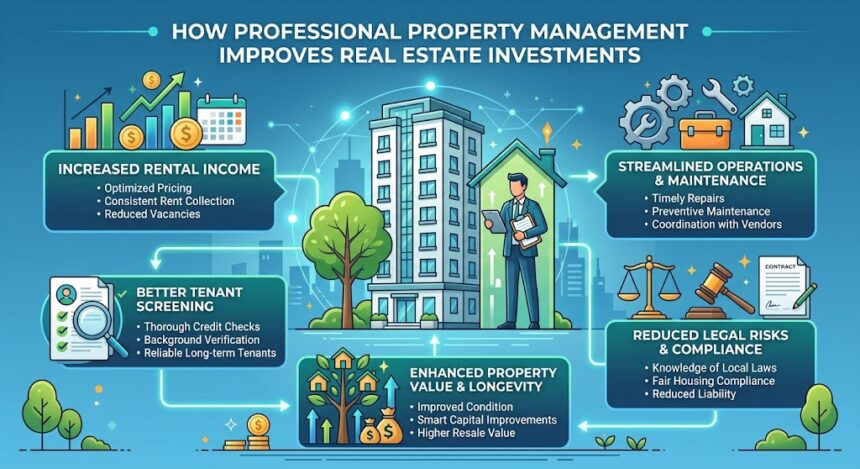
Owning real estate can be a rewarding investment, but managing properties requires time, organization, and consistent attention to detail. Admiral Property Management is an example of a professional service provider offering residential, commercial, homeowners association (HOA), condominium, and cooperative property management across New Hampshire. By managing leasing, tenant screening, rent collection, maintenance, emergency support, financial administration, and daily operations, the company helps property owners simplify their responsibilities, maximize investment income, and reduce the demands of overseeing real estate.
The Importance of Professional Property Management
Successful property ownership involves much more than purchasing a building and collecting rent. Property owners must maintain their buildings, respond to tenant concerns, manage expenses, comply with applicable regulations, and ensure that properties remain attractive to current and prospective tenants. Without an organized management strategy, these responsibilities can become overwhelming, particularly for investors who own multiple properties or live far from their investments.
Professional property management services provide the structure and expertise needed to handle these responsibilities efficiently. Experienced managers coordinate routine operations, communicate with tenants, schedule repairs, and monitor financial performance. Their involvement can help prevent minor problems from becoming expensive issues while allowing property owners to focus on long-term investment goals.
Residential and Commercial Property Management
Residential properties require consistent oversight to maintain tenant satisfaction and protect their long-term value. Management services may include advertising available rentals, screening applicants, preparing lease agreements, collecting rent, coordinating maintenance, and responding to tenant inquiries. Effective management also helps reduce vacancies by supporting positive tenant relationships and ensuring that properties remain well maintained.
Commercial property management involves additional considerations, including business tenant requirements, building operations, vendor coordination, operating budgets, and lease administration. Property managers help keep commercial spaces functional, address maintenance concerns, and coordinate services that support the needs of tenants and property owners. By maintaining organized records and proactive maintenance schedules, they can help protect commercial assets and support reliable property performance.
HOA, Condominium, and Cooperative Management
Community associations have unique management requirements that extend beyond individual rental properties. Homeowners associations, condominiums, and cooperative communities often need assistance with budgets, shared-area maintenance, vendor contracts, resident communication, and administrative responsibilities.
Professional management helps ensure that these tasks are handled consistently and transparently. Managers can coordinate landscaping, cleaning, repairs, insurance-related administration, and other shared services while helping association boards maintain organized financial records and operational procedures. Clear communication and dependable administration also help reduce misunderstandings among residents and support a better-managed community.
Essential Services That Simplify Property Ownership
A comprehensive property management approach brings several important responsibilities together under one coordinated system.
Leasing and tenant screening: Finding reliable tenants is essential to maintaining consistent rental income. Property managers can advertise vacancies, evaluate applications, verify relevant information, and coordinate lease documentation to help owners make informed decisions.
Rent collection and financial administration: Consistent rent collection, expense tracking, budgeting, and financial reporting help property owners understand how their investments are performing. Organized financial administration also makes it easier to identify unnecessary costs and plan for future expenditures.
Maintenance and repairs: Regular inspections and preventative maintenance help preserve property condition and reduce the likelihood of costly repairs. Property managers coordinate contractors, monitor repair requests, and help ensure that maintenance concerns receive appropriate attention.
Emergency support: Unexpected plumbing problems, heating failures, water damage, and other urgent issues can disrupt tenants and threaten property assets. A structured response process helps ensure that emergencies are addressed promptly and that appropriate repair services are coordinated.
Daily operational management: Lease administration, tenant communication, vendor scheduling, recordkeeping, and routine oversight all contribute to efficient property operations. Delegating these tasks to experienced professionals can significantly reduce the time owners spend managing their investments.
Choosing the Right Property Management Partner in New Hampshire
Selecting a property management provider is an important decision that can influence both the financial performance and day-to-day condition of a real estate investment. Owners should consider the provider’s experience with their property type, range of services, communication practices, fee structure, financial reporting procedures, and approach to maintenance and tenant relations.
For investors comparing options, finding the best property management company in New Hampshire means identifying a provider whose services align with their goals and operational needs. Some owners may prioritize residential leasing and vacancy reduction, while others may need comprehensive commercial oversight or specialized HOA and condominium administration.
It is also helpful to understand how a prospective manager handles tenant complaints, emergency requests, contractor relationships, and financial reporting. Clear service expectations and regular communication can establish a productive working relationship and help owners maintain greater visibility into their properties.
Maximizing Returns While Reducing Management Demands
Real estate profitability depends on more than rental rates alone. Vacancy periods, maintenance costs, tenant turnover, operating expenses, and the overall condition of a property can all influence its financial performance. Professional management helps owners address these factors through organized operations, timely maintenance, consistent rent collection, and informed financial planning.
Maintaining positive tenant relationships can also contribute to longer tenancies and lower turnover-related expenses. Meanwhile, preventative maintenance helps protect the property’s condition and may reduce the likelihood of expensive emergency repairs. Although professional management involves fees and cannot guarantee investment returns, effective oversight can help owners make better-informed decisions about their assets.
For individuals balancing real estate investments with other professional or personal commitments, delegating routine responsibilities can provide valuable flexibility. Owners can spend less time coordinating daily tasks and more time evaluating investment opportunities, planning improvements, and developing long-term property strategies.
Conclusion
Professional property management plays an important role in maintaining real estate assets, supporting tenants, and simplifying the responsibilities of property ownership. From residential and commercial buildings to HOAs, condominiums, and cooperative communities, experienced management can bring greater organization to leasing, maintenance, financial administration, and daily operations.
Providers such as Admiral Property Management demonstrate the broad range of services available to property owners across New Hampshire. By choosing a management partner that understands their property type and investment objectives, owners can improve operational efficiency, protect asset value, and work toward more sustainable long-term real estate performance.


