
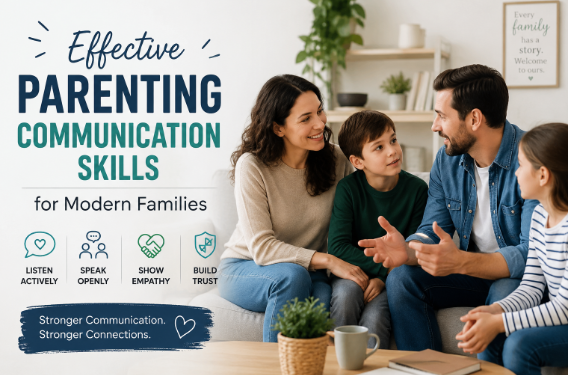
Introduction to Modern Parenting Communication
In the contemporary landscape of parenting, effective communication emerges as a cornerstone for nurturing strong relationships between parents and children. In our fast-paced and technologically driven world, the dynamics of family communication have evolved significantly. As parents strive to balance numerous responsibilities, it is essential to establish an open dialogue with children, fostering understanding and emotional connection.
Modern families often juggle work, school, and various activities, which can lead to fragmented communication. Consequently, parents must be intentional in how they convey messages, listening actively and responding thoughtfully. This proactive approach not only enhances understanding but also instills confidence in children, encouraging them to express their thoughts and feelings more openly.
Strong communication skills can also help parents navigate the complexities of digital interactions. With children frequently engaging in social media and other online platforms, maintaining an ongoing conversation about digital literacy and safety is crucial. By discussing boundaries, addressing concerns, and exploring online content together, parents can create an environment that promotes responsible technology use, reinforcing the value of communication as a tool for connection and guidance.
Furthermore, effective communication allows parents to set appropriate expectations, providing clarity about family dynamics and values. This clarity can be instrumental in minimizing misunderstandings and fostering a supportive home environment. When children feel heard and validated, they are more likely to adhere to family guidelines and exhibit positive behaviors, leading to a harmonious coexistence.
Ultimately, cultivating effective parenting communication skills is vital in creating lasting bonds within modern families. By prioritizing open dialogue and understanding, parents can promote healthy relationships that encourage growth and mutual respect, setting the foundation for a nurturing family environment.
Understanding the Importance of Active Listening
Active listening is a crucial communication skill that can significantly enhance the parent-child relationship. It goes beyond merely hearing the words spoken by a child; it requires parents to engage fully with their child’s thoughts and feelings. This practice enables parents to foster a deeper understanding of their children’s needs, emotions, and perspectives.
To effectively implement active listening, parents should make a concerted effort to give their full attention during conversations. This means eliminating distractions, such as smartphones or television, and focusing entirely on the child. By showing undivided attention, parents convey that the child’s words are valued, thus encouraging them to express themselves freely.
In addition to providing undivided attention, acknowledging and validating the child’s feelings is an essential component of active listening. Parents can achieve this by paraphrasing what the child has said and reflecting back their emotions. For instance, using phrases like “It seems like you’re feeling upset about that” can help the child feel understood and supported. This validation can encourage further dialogue and strengthen emotional bonds between parent and child.
Asking clarifying questions is another effective technique within the realm of active listening. Parents should not hesitate to inquire further to ensure that they comprehend the child’s viewpoint accurately. Questions such as “Can you tell me more about what made you feel that way?” or “What do you think would help in this situation?” can promote deeper discussion, allowing parents to grasp the underlying issues affecting their children.
Incorporating these strategies into daily conversations not only enhances communication but also cultivates a safe and open environment for children to express their thoughts and feelings. Therefore, mastering active listening can transform how parents interact with their children, ultimately leading to more constructive and meaningful relationships.
The Role of Nonverbal Communication in Parenting
Effective communication within families transcends mere words; nonverbal communication serves as a vital aspect of interactions between parents and children. This includes body language, eye contact, and tone of voice, all of which significantly influence the quality and clarity of conversations. Understanding these nonverbal cues is essential for fostering a healthy parent-child relationship.
Body language often conveys emotions more powerfully than words can. For instance, a parent’s crossed arms may signal defensiveness or disapproval, while open palms can signal receptiveness and support. Children are adept at picking up on these subtle signals, which can shape their responses during conversations. It is crucial for parents to remain mindful of their posture and gestures to ensure that their body language aligns with the intended message, thereby reducing the chances of miscommunication.
Eye contact plays a pivotal role in establishing a connection. Maintaining eye contact with children during discussions demonstrates attentiveness and respect, encouraging them to express their thoughts and feelings openly. However, overzealous staring can create discomfort, emphasizing the need for balance in this aspect of nonverbal communication. Parents should also be aware of their children’s eye contact; a lack of it may indicate discomfort or reluctance to engage.
Furthermore, tone of voice can greatly affect the meaning behind spoken words. A gentle tone can foster trust and encourage open dialogue, while a harsh tone may invoke fear or defensiveness. Parents should strive to use a calm and reassuring tone consistently, particularly in challenging situations, to nurture an environment where children feel safe to share their perspectives.
To enhance nonverbal connection in parenting, regular self-reflection and practice are essential. Parents can improve their awareness of body language, eye contact, and tone by actively participating in conversations, seeking feedback from their children, and adjusting their approach based on the responses received. Ultimately, by emphasizing nonverbal communication, parents can facilitate more meaningful interactions, supporting emotional development and building stronger relationships with their children.
Adapting Communication Styles to Age and Development
Effective communication is a cornerstone of healthy parent-child relationships. As children grow and develop, their communication needs and abilities change significantly. Thus, it is essential for parents to adapt their communication strategies according to the developmental stage of their children.
When engaging with toddlers, straightforward language, visual aids, and gestures are highly effective. At this stage, children have limited vocabulary and understanding, so using simple words and phrases helps to reduce confusion. Parents can utilize toys or picture books to convey messages, as these tools make interactions dynamic and relatable. Incorporating play in conversations allows toddlers to express themselves more freely, boosting their linguistic skills while fostering a secure attachment with caregivers.
As children transition into the school-age phase, communication should expand to include more complex ideas. Parents should encourage their kids to share their thoughts and feelings by asking open-ended questions. This promotes critical thinking and provides a safe space for children to articulate their experiences. Additionally, using storytelling can enrich conversations; discussing scenarios from stories that resonate with the child’s own experiences deepens their understanding and engagement.
Teenagers represent the most dynamic shift in communication style. During this phase, it is crucial to establish mutual respect and understanding. Parents should practice active listening, which involves not only hearing the words spoken but also understanding the emotions behind them. Encouraging adolescents to express their viewpoints fosters independence and promotes healthy self-expression. Utilizing technology—such as texting or social media—can also be a practical means of maintaining open communication with teens, as it fits into their digital-native lifestyle.
In conclusion, adapting communication styles to suit the developmental stage of children is vital for fostering clarity, trust, and connection. By applying appropriate strategies at each stage—from toddlers to teenagers—parents can navigate the complexities of modern family communication effectively.
Implementing Empathy and Emotional Intelligence
In the realm of effective parenting, the ability to implement empathy and emotional intelligence plays a crucial role in nurturing strong parent-child relationships. Empathy, the capacity to understand and share the feelings of another, allows parents to connect deeply with their children. This connection fosters a supportive environment where children feel safe to express their emotions.
To effectively utilize empathy, parents should practice active listening. This involves giving full attention to the child during conversations, ensuring they feel heard and valued. Instead of jumping to conclusions, parents can ask open-ended questions that encourage children to articulate their feelings. For example, instead of saying, “Don’t be sad,” a parent may ask, “Can you tell me what’s making you feel that way?” Such inquiries validate a child’s emotions and demonstrate that their feelings are recognized and important.
Moreover, emotional intelligence enables parents to express their feelings appropriately, creating a model for children to emulate. When parents communicate their own emotions, they set the stage for children to learn about healthy emotional expression. This can be as simple as sharing feelings about a difficult day or discussing joy over an achievement. By naming their emotions, parents teach children to identify and articulate their feelings as well.
In fostering a supportive environment, it is essential for parents to acknowledge the emotional states of their children without judgment. This not only helps in validating their experiences but also enhances the child’s emotional literacy. Children learn to process and manage their emotions better when they perceive that their parents understand them. Ultimately, the integration of empathy and emotional intelligence into parenting practices can significantly strengthen the parent-child bond, leading to healthier and more communicative relationships.
Navigating Difficult Conversations
Effective parenting communication skills are essential for addressing challenging topics such as failures, peer pressure, and mental health. Engaging in these conversations can often be daunting; however, with the right techniques, parents can navigate these discussions calmly and constructively. The goal is to maintain openness and trust in the dialogue, fostering a supportive environment where children feel valued and understood.
First, it is important for parents to set a suitable atmosphere for these discussions. Choosing an appropriate time and place where both parents and children feel comfortable is essential. This could be during a casual walk, a family meal, or any setting that encourages relaxation. Parents should approach the topic gently, ensuring their tone conveys care and concern rather than judgment.
Active listening plays a crucial role in navigating difficult conversations. Parents should practice acknowledging their child’s feelings and perspectives. This involves making eye contact, nodding in agreement, and summarizing what the child has said to demonstrate understanding. By validating their emotions, parents can create a safe space for children to express themselves openly without fear of reprimand.
Additionally, employing open-ended questions can stimulate deeper dialogue. Instead of asking yes or no questions, parents might inquire, “How did that situation affect you?” or “What do you think about the pressures you feel at school?” Such questions encourage children to elaborate on their thoughts and feelings, promoting a more meaningful exchange.
Moreover, when addressing challenging topics like failures or peer pressure, it is essential to focus on solutions rather than solely dwelling on the problem. This perspective allows children to learn problem-solving skills that contribute to their emotional resilience and growth.
In conclusion, the ability to navigate difficult conversations is an important aspect of effective parenting communication skills. Through active listening, open-ended questions, and a supportive approach, parents can foster trust and facilitate healthy discussions with their children.
Leveraging Technology for Communication
In today’s fast-paced digital world, technology plays a significant role in enhancing communication within modern families. Effective parenting often requires parents to bridge the gap between generations, and technology can serve as a valuable tool to facilitate these connections. By utilizing various applications and platforms, parents can engage in meaningful conversations with their children, ensure they are involved in their lives, and even address issues proactively.
One of the most effective ways to leverage technology for communication is through messaging apps. Platforms such as WhatsApp, Telegram, or even the built-in messaging features on smartphones allow parents and children to exchange messages instantly, share updates, and even send quick reminders. This kind of real-time interaction can help maintain a connection, especially in families where busy schedules might hinder face-to-face conversations.
Moreover, video conferencing tools like Zoom and Skype have become indispensable for families, particularly in times when physical gatherings may not be feasible. These apps allow families to engage in virtual family meetings or casual chats, making it easier to maintain relationships regardless of geographical distances. Parents can use these tools not only to communicate with their children but also to foster family bonds by involving extended family members in conversations.
Additionally, parental control apps such as Qustodio or Norton Family provide parents with the means to monitor their children’s online activities while encouraging open dialogue about internet safety and social interactions. By discussing their online experiences, parents can ensure their children feel comfortable sharing their thoughts and concerns, thus promoting a more navigable communication landscape.
In essence, embracing technology can significantly enhance communication in modern parenting. By integrating various tools and platforms into daily routines, parents can foster stronger relationships with their children, encouraging openness and understanding within the family unit.
Creating a Family Communication Plan
Establishing a family communication plan is essential for promoting healthy relationships among family members. This structured approach not only clarifies expectations but also helps in ensuring everyone is on the same page regarding various matters. A well-defined communication plan can serve as a foundation for discussing daily activities, emotional well-being, and conflict resolution.
The first step in creating a family communication plan involves outlining expectations. Family members should engage in open discussions to determine what each person considers essential for effective communication. For instance, discussing preferred communication styles, such as face-to-face conversations versus digital messages, can prevent misunderstandings. Encouraging each member to express their needs fosters an inclusive environment where everyone feels valued.
Regular check-ins are another vital component of a successful communication plan. Scheduling family meetings can guarantee that all members have dedicated time to share their thoughts, emotions, and experiences. During these meetings, it is important to allow everyone to speak freely, creating an atmosphere of trust. Structuring check-ins weekly or bi-weekly can also help in establishing a consistent habit of communication, enabling families to address issues promptly before they escalate.
Furthermore, setting communication norms is crucial to the effectiveness of this plan. Norms can include guidelines on active listening, responding respectfully, and avoiding interruptions. By agreeing to adhere to these norms, family members will cultivate an environment that encourages open dialogue and understanding. Such practices not only enhance individual relationships but also strengthen the family unit as a whole, fostering connections built on respect and empathy.
Conclusion: Building Lifelong Communication Skills
Effective communication constitutes the cornerstone of successful parenting and forms the foundation for healthy family dynamics. The ability to express thoughts, feelings, and expectations understandably lays the groundwork for nurturing relationships within the family unit. When parents engage in open dialogues with their children, it fosters an environment of trust, encouraging children to voice their opinions and concerns without fear of judgment. This trust is essential, as it cultivates emotional security and promotes collaborative problem-solving.
Moreover, developing strong communication skills is not merely a one-time effort but rather an ongoing journey. As families evolve, so do the challenges and dynamics that arise. Changes in technology, social interactions, and personal growth mean that what worked in the past may require adaptation to meet present needs. Parents must therefore remain receptive to continuous improvement in their communication abilities, striving to learn new strategies and techniques that resonate with their children’s development processes.
Additionally, practicing active listening is a vital aspect of effective communication. When parents genuinely listen to their children’s perspectives, it not only validates their feelings but also reinforces mutual respect. This practice strengthens familial bonds and enables deeper emotional connections. Regularly encouraging open conversations around various topics can demystify complex issues for children and enhance their emotional intelligence.
In summary, effective communication in parenting fosters a supportive and understanding atmosphere, which is crucial for raising well-rounded individuals. As such, investing time in refining these skills helps pave the way for a robust familial foundation. Continuous learning and adaptive communication practices will lead to improved interactions, ensuring families remain closely knit in an ever-changing world.