
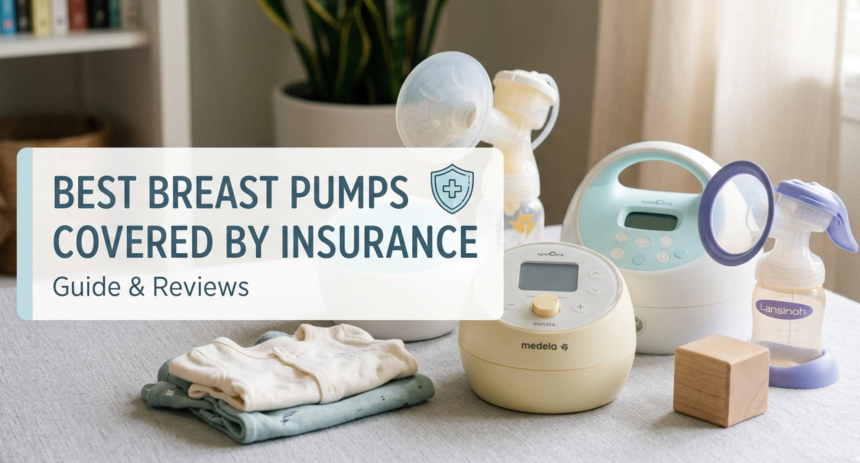
Introduction to Breast Pumps and Insurance Coverage
Breast pumps are essential medical devices that aid breastfeeding mothers in expressing, storing, and feeding breast milk to their infants. The significance of these devices cannot be overstated, as they provide not only convenience but also flexibility for mothers who might be returning to work or who need to manage their breastfeeding routine for various personal reasons. Most importantly, breast pumps facilitate continued breastfeeding, which is widely recognized for its numerous health benefits for both mother and child.
With the rising awareness of these advantages, many expectant and new mothers often inquire about the insurance coverage associated with breast pumps. Under the Affordable Care Act (ACA), health insurance plans are required to cover breastfeeding support, including the provision of breast pumps and lactation consultations. This mandate allows mothers to access necessary tools that can significantly enhance their breastfeeding experience without bearing a heavy financial burden.
It is important to note that the specifics of insurance coverage for breast pumps can vary widely among different insurers and policies. Factors such as the type of pump covered, the time frame for obtaining one, and whether a rental or purchase option is included can influence the overall experience. Therefore, it is advisable for mothers to familiarize themselves with their individual health plans. Checking with their insurance provider to understand the specifics, including any required documentation, can help streamline the process.
In conclusion, breast pumps play a crucial role in supporting breastfeeding mothers, and insurance coverage can significantly ease the financial aspects of acquiring these devices. Understanding the relationship between breast pump functionality and insurance policies is vital for ensuring that mothers can access the necessary resources to support their breastfeeding goals effectively.
Understanding Your Insurance Policy
Navigating your insurance policy can often feel overwhelming, especially when it comes to understanding coverage for essential items like breast pumps. To start, it is important to familiarize yourself with the specific terms and conditions outlined in your policy. Each insurance provider has different criteria regarding coverage for breast pumps, so it is essential to read through your plan documents carefully, paying special attention to sections that cover durable medical equipment (DME).
When reviewing your insurance policy, look for key terms such as “breast pump coverage,” “medical necessity,” and “in-network providers.” Knowing these terms can help you determine whether your insurance will cover a breast pump and to what extent. Policies may vary not only in terms of the types of breast pumps they cover but also in the rental versus purchase options available. Some insurance plans might fully cover the cost of a hospital-grade pump, while others may only cover standard electric models or manual pumps.
If you find yourself unclear about any part of your coverage, do not hesitate to contact your insurance provider directly. When calling, be prepared with your policy number and specific questions regarding breast pump coverage. You may want to ask about any requirements or documentation needed to access these benefits. Additionally, understanding your co-pay, deductible, or any cost-sharing provisions is crucial to avoid unexpected expenses. By proactively communicating with your insurance provider, you can clarify any ambiguities and ensure that you receive the benefits to which you are entitled. This initial effort can save time and reduce stress later on as you prepare for your breastfeeding journey.
When it comes to selecting the right breast pump, understanding the types covered by insurance can significantly ease the financial burden for new mothers. Generally, health insurance plans are required to cover certain types of breast pumps, which can be broadly categorized into three main types: manual pumps, electric pumps, and hospital-grade pumps.
Manual breast pumps are typically the most affordable option and are favored for their simplicity and portability. These pumps do not rely on electricity, making them ideal for occasional use or travel. However, due to their manual operation, they may not be suitable for mothers who require frequent pumping sessions. Most health insurance plans include coverage for select brands of manual pumps, allowing mothers to choose a model that meets their specific needs.
Electric breast pumps offer a more efficient pumping experience. They come in two varieties: single and double electric pumps. Double electric breast pumps can simultaneously extract milk from both breasts, significantly reducing pumping time, which can be advantageous for busy mothers. Insurance may cover several popular electric pump brands, such as Medela and Spectra, although this often depends on the specific insurance policy. It’s essential for mothers to check with their insurance provider for a list of approved brands.
Hospital-grade pumps, also known as multi-user pumps, are designed for multiple patients, making them ideal for mothers with special medical needs or those with low milk supply. While these pumps are generally considered the best in terms of efficiency and suction strength, coverage varies widely based on the insurance policy. Some plans may cover rental options for hospital-grade pumps, requiring the mother to consult their policy details for clarity on coverage and rental duration.
How to Obtain Your Breast Pump Through Insurance
Acquiring a breast pump through insurance can be a straightforward process, provided that you follow the necessary steps. First and foremost, it is crucial to consult with your healthcare provider. You will need to obtain a prescription for a breast pump, as this is typically required by insurance companies. During your visit, discuss your breastfeeding plans and inform your doctor about your need for a pump. They will evaluate your situation and write a prescription if appropriate.
Once you have secured the prescription, the next step is to identify a medical supply company that is approved by your insurance. Some insurance providers have specific suppliers with whom they work directly, so it is advisable to call your insurance company or check their website for a list of preferred vendors. After selecting an authorized supplier, you can place an order for your breast pump. Many suppliers offer the option to order online or via phone, which can simplify the process further.
When placing your order, you will need to provide the prescription from your healthcare provider as well as your insurance information. Additionally, be prepared to furnish any required documentation that may include a benefits verification form or a patient intake form specific to the supplier. Ensure that you clarify the type of breast pump covered by your insurance, as certain models or brands may not be included in your policy.
After your order is submitted, your supplier will typically handle the communication with your insurance provider regarding coverage and reimbursement. However, it is wise to keep track of your claims and any follow-up needed. By following these steps carefully, you should be able to obtain your breast pump through insurance without undue complications.
Top Insurance Providers and Their Policies on Breast Pumps
When navigating the landscape of breastfeeding support, understanding your insurance provider’s policies on breast pump coverage is essential. Major insurance providers each have their own distinct offerings which can significantly affect a mother’s experience. Below is a summary of some leading insurers and their respective breast pump coverage policies.
1. Aetna: Aetna covers breast pumps as part of their maternity benefits. Women can receive either a manual or electric breast pump, with coverage contingent upon obtaining a prescription from a healthcare provider. The selection of available models may vary by region, and it is advisable to verify specific brands covered under an individual plan.
2. UnitedHealthcare: UnitedHealthcare generally provides breast pump coverage as part of the preventative care services, thus allowing new mothers to obtain a pump at no additional cost, depending on their plan. Members are encouraged to consult directly with their provider for details about what types of pumps are included.
3. Anthem: Anthem offers breast pump coverage with a prescription, encompassing both rental and purchase options. The specific model and type of pump may differ based on the plan. Members should check with their plan administrator to clarify the details regarding model restrictions and necessary documentation.
4. Cigna: Cigna provides comprehensive coverage for breast pumps under their maternity benefits. Coverage typically includes both electric and manual pumps with no waiting period, provided proper documentation is submitted. It is beneficial for members to confirm the specifics with their individual plans, as nuances may exist.
5. Humana: Humana covers breast pump rental and purchase, provided that a prescription is obtained. The exact terms of coverage can vary between plans, so members should always verify the extent of their coverage to avoid unexpected costs.
It is crucial for expecting and new mothers to closely review their insurance plans and consult with their insurance administrators for any questions or concerns regarding breast pump coverage. Understanding the nuances of your insurance policy can greatly assist in making informed decisions about your breastfeeding journey.
Common Challenges and Solutions in Getting Covered
Acquiring coverage for breast pumps through insurance can often present several challenges for mothers. One of the most frequent issues faced is the denial of claims, which may occur due to a lack of understanding regarding what specific equipment is covered under a given plan or the eligibility criteria that must be met. Certain insurance companies may not disseminate clear information regarding coverage, leading to confusion and frustration for new mothers navigating this process.
To combat the issue of denied claims, it is vital for mothers to familiarize themselves with their insurance policy. A thorough review of the terms related to breast pump coverage can clarify what is included, whether rentals are allowed, and the duration for which coverage is available. Should a claim be denied, mothers should not hesitate to appeal the decision. Documenting conversations with insurance representatives and keeping written records of all interactions can be instrumental during the appeals process.
Another common challenge is the variation in coverage from one provider to another. This inconsistency can lead to disparities in what is deemed necessary or appropriate. To address this, mothers are encouraged to directly contact their healthcare providers and insurance representatives to confirm the details of their coverage before making any purchases. Additionally, engaging with support groups or forums where experiences are shared can provide insights and strategies from those who have successfully navigated similar challenges.
As a workaround for confusion over covered brands or models, mothers can consult with lactation specialists who are often well-versed in the nuances of insurance policies. They can recommend which pumps are typically covered and may assist in the paperwork needed for insurance claims. Ultimately, a proactive and informed approach can greatly enhance the likelihood of receiving adequate breast pump coverage.
User Reviews and Recommendations
Breast pumps have become essential tools for many mothers, and obtaining them through insurance can significantly alleviate the financial burden. Users frequently share their experiences regarding the various models available and the process of acquiring them via insurance. Here are some insights garnered from different testimonials that illustrate the effectiveness of various breast pump models.
One common piece of feedback highlights the Medela Pump In Style, which is often recommended for its efficiency and ease of use. Many women have praised its effective suction and portability, making it a viable option for busy mothers balancing work and breastfeeding. Users have noted that the customer support provided by Medela has been commendable, assisting them through any operational challenges they faced.
Similarly, the Spectra S1 has garnered positive reviews due to its quiet operation and customizable settings. Users have appreciated the ability to adjust suction levels according to their comfort, which can enhance the pumping experience. Several testimonials indicate that this model is particularly user-friendly, catering to the needs of first-time mothers who might be intimidated by the concept of breast pumping.
The claims process for obtaining these pumps through insurance can also significantly impact user satisfaction. Many mothers have shared their experiences with the transparency of the process, particularly when dealing with dedicated suppliers. For instance, some have noted that suppliers like Medela and Lansinoh have streamlined the paperwork, making it easier for mothers to access the necessary forms and initiate claims. Positive interactions with knowledgeable representatives have also been highlighted, emphasizing the importance of customer service in the journey to obtain insurance-covered breast pumps.
Understanding the legal rights associated with breast pump coverage is essential for breastfeeding mothers navigating their options. The Affordable Care Act (ACA) plays a pivotal role in ensuring that health insurance plans cover the cost of breast pumps. Under this federal mandate, insurance providers are required to cover breastfeeding support, supplies, and counseling for mothers. This includes coverage for breast pumps, which can be crucial for mothers who wish to express milk for their infants, particularly when returning to work or managing other commitments.
In addition to the ACA, several state laws further enhance protections for breastfeeding mothers. These laws can vary significantly from state to state, and some provide even broader coverage than federal mandates. Many states have implemented their policies that require health insurance plans to offer coverage for breast pumps, ensuring that new mothers can access this important resource without facing significant out-of-pocket expenses.
It’s also important to note the ways in which insurers can limit the type of breast pumps they will cover. Some plans may offer only manual pumps or elect to cover a specific brand or style. For this reason, it is advisable for mothers to familiarize themselves with their specific health insurance policy and consult directly with their insurance providers to clarify which products are eligible for coverage. Knowing one’s rights can empower mothers to make informed decisions about the breast pump options available to them.
In summary, legal protections supporting breast pump coverage are established at both federal and state levels. Breastfeeding mothers should take the initiative to understand their rights, explore the nuances of their insurance plans, and advocate for their needs to ensure they receive the necessary support for successful breastfeeding.
Conclusion: Making Informed Decisions
In this blog post, we explored the necessary details surrounding breast pumps covered by insurance, an integral aspect for new parents and caregivers. Understanding which breast pumps fall under insurance policies can significantly lessen the financial burden when purchasing this essential item. It is crucial to be aware of the coverage provided by various insurance plans, as options may vary widely based on providers, policies, and individual circumstances.
It is advisable for individuals to take the initiative in consultations with their insurance representatives to ascertain the specifics regarding breast pump coverage. This proactive approach can uncover not only the best options available but also personalized recommendations for models that fit specific needs. Furthermore, the availability of different breast pump types, including manual and electric models, can influence decisions based on factors such as efficiency, convenience, and usage frequency.
Advocating for oneself when navigating insurance claims and options helps ensure that individuals receive the coverage they rightfully deserve. It is also recommended to research the specifications and benefits of various breast pumps, as preferences can differ greatly from one user to another. Armed with knowledge and understanding, the process of selecting a breast pump that is both effective and beneficial becomes more manageable.
Ultimately, making informed decisions regarding breast pump selections and insurance options enhances the breastfeeding experience for mothers and their infants. By remaining informed and advocating for rightful claims, parents can optimize their breastfeeding journey, ensuring that financial constraints do not hamper accessibility to essential breastfeeding equipment.