
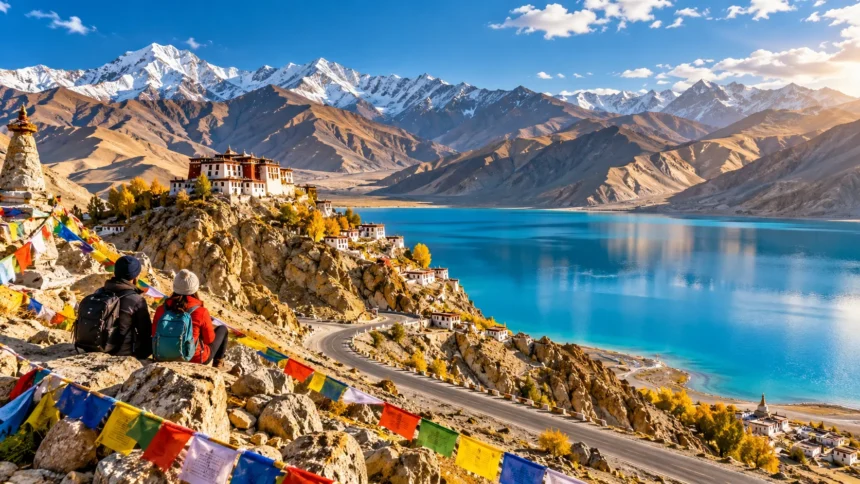
Ladakh is one of the most breathtaking travel destinations in northern India, known for its dramatic Himalayan landscapes, crystal-clear lakes, ancient monasteries, and peaceful mountain villages. Often called the Land of High Passes, this remarkable region attracts travelers seeking natural beauty, cultural experiences, and unforgettable mountain adventures. From the turquoise waters of Pangong Lake to the sand dunes of Nubra Valley, Ladakh offers a unique combination of scenery and heritage.
Planning a trip to Ladakh requires careful preparation because of its high altitude, changing weather conditions, and remote location. Visitors can explore historic Buddhist monasteries, discover traditional villages, admire snow-covered mountains, and experience the region’s distinctive culture. Choosing the right season and creating a realistic itinerary can make the journey more comfortable and enjoyable.
Whether you are visiting Ladakh for the first time or returning to explore more remote destinations, there are countless places worth discovering. This Ladakh travel guide covers the best things to do, must-visit attractions, seasonal weather, accommodation options, and essential travel tips. It will help you plan a memorable journey through one of the Himalayas’ most extraordinary regions.
Explore Leh: The Heart of Ladakh
Leh is the main tourism center of Ladakh and an excellent starting point for discovering the region. Surrounded by rugged mountains, the town combines traditional architecture, bustling markets, historic landmarks, and modern travel facilities. Many visitors arrive through Leh airport before gradually exploring nearby attractions and more remote valleys after adjusting to the altitude.
One of Leh’s most recognizable landmarks is Leh Palace, a historic royal residence overlooking the town. Its traditional architecture and elevated location offer impressive views of the surrounding mountains. Visitors can also explore the central market, where local shops sell handicrafts, woolen clothing, souvenirs, and products inspired by Ladakhi culture.
Leh offers a range of guesthouses, hotels, cafes, and restaurants catering to different travel budgets. Spending the first two days resting and adapting to the altitude is particularly important before taking longer mountain journeys. Once properly acclimatized, travelers can enjoy local sightseeing and use Leh as a convenient base for exploring Ladakh.
Visit Pangong Lake for Spectacular Mountain Views
Pangong Lake is one of the most famous tourist attractions in Ladakh, attracting visitors with its striking blue waters and surrounding barren mountains. Located at approximately 4,350 meters above sea level, the lake stretches across the India-China border region. Its colors appear to change throughout the day as sunlight and weather conditions shift.
The journey to Pangong Lake is an attraction in itself, passing through dramatic mountain landscapes and high-altitude roads. Visitors often stop at viewpoints to admire the scenery and photograph the contrasting colors of the mountains. Clear weather can create beautiful reflections on the water, making the lake especially appealing to nature photographers.
Accommodation near Pangong Lake is generally limited to seasonal camps and simple guesthouses, with availability depending on local conditions. Nights can become extremely cold, even during warmer months. Because of the altitude, travelers should visit only after proper acclimatization and avoid strenuous activity during their stay.
Discover the Sand Dunes of Nubra Valley
Nubra Valley is a fascinating destination where sandy desert landscapes meet towering Himalayan mountains. Located north of Leh, the valley is famous for its scenic villages, mountain views, and unusual cold-desert environment. Travelers commonly reach Nubra through mountain roads that pass near Khardung La, one of Ladakh’s best-known high-altitude passes.
Hunder is particularly popular for its impressive sand dunes and the opportunity to observe double-humped Bactrian camels. These animals are associated with the region’s historic trade routes and distinctive cultural heritage. Visitors can also explore nearby villages, enjoy landscape photography, and experience the peaceful atmosphere of the valley.
Diskit is another important stop because of its historic monastery and large Maitreya Buddha statue overlooking the surrounding landscape. The area offers memorable panoramic views and opportunities to learn about local Buddhist traditions. Staying overnight in Nubra Valley allows travelers to explore its attractions at a comfortable pace.
Explore Ladakh’s Ancient Buddhist Monasteries
Ladakh is home to numerous Buddhist monasteries that reflect centuries of spiritual traditions, artistic expression, and Himalayan culture. These religious sites are among the region’s most meaningful attractions. Their prayer halls, colorful murals, religious sculptures, and traditional architecture provide visitors with valuable insights into Ladakh’s cultural identity.
Thiksey Monastery is one of the most impressive places to visit near Leh. Built on a hillside overlooking the Indus Valley, it features multiple levels, prayer halls, and a prominent Maitreya Buddha statue. Hemis Monastery is another important religious center, known for its historical significance and traditional monastery festivals.
Other notable sites include Alchi Monastery, Lamayuru Monastery, and Spituk Monastery, each offering different architectural and cultural experiences. Visitors should dress respectfully, follow photography restrictions, and remain quiet during prayers. Taking time to understand the traditions behind these sites makes monastery visits more meaningful than simply admiring their appearance.
Experience the Beauty of Tso Moriri Lake
Tso Moriri is a beautiful high-altitude lake in Ladakh’s Changthang region, offering a quieter atmosphere than some of the more heavily visited attractions. Located at approximately 4,522 meters above sea level, the lake is surrounded by open landscapes, distant mountains, and remarkable natural scenery. Its remote setting makes it appealing to travelers interested in peaceful destinations.
The nearby village of Korzok provides an opportunity to experience local life and visit a traditional monastery. The surrounding landscape also supports distinctive wildlife and migratory birds, making the area interesting for nature enthusiasts. Visitors should observe animals from a respectful distance and avoid disturbing sensitive habitats.
Traveling to Tso Moriri requires careful planning because roads, accommodation, and other facilities are limited. Its elevation also makes proper acclimatization essential before visiting. Travelers who enjoy remote scenery and have sufficient time in their itinerary may find Tso Moriri among the most memorable destinations in Ladakh.
Discover the Hidden Charm of Ladakh’s Villages
Ladakh’s smaller villages offer visitors an opportunity to experience local traditions away from the busiest sightseeing routes. Settlements surrounded by mountains, farmland, and apricot orchards provide a different perspective on the region. Traditional homes, community gatherings, and local hospitality contribute to the distinctive character of rural Ladakh.
Turtuk is a particularly interesting village in the Nubra region, known for its Balti cultural heritage and scenic mountain setting. Its narrow lanes, traditional architecture, and agricultural surroundings create a memorable atmosphere. Visitors can learn about local customs while enjoying village scenery and carefully managed cultural experiences.
Villages such as Alchi and other settlements along the Indus Valley also offer rewarding opportunities for cultural exploration. Staying in locally operated guesthouses can help support community tourism while providing insight into everyday Ladakhi life. Respecting local customs, privacy, and the environment is essential when visiting these communities.
Enjoy Scenic Mountain Roads and Viewpoints
Traveling through Ladakh offers some of the most impressive mountain scenery in the Himalayas. Roads cross rocky valleys, winding mountain slopes, and dramatic landscapes that change with elevation. Even journeys between major destinations can become memorable experiences because of the surrounding views and distinctive high-altitude environment.
Popular routes include the roads connecting Leh with Nubra Valley, Pangong Lake, and the Indus Valley. Mountain passes such as Khardung La and Chang La are well-known landmarks along certain journeys. However, weather conditions, road closures, and altitude-related risks mean travelers should prioritize safety rather than attempting to reach every viewpoint.
Hiring an experienced local driver can make mountain travel more comfortable, especially for visitors unfamiliar with the terrain. Road conditions may change quickly because of snowfall, landslides, or maintenance work. Flexible scheduling and regular checks of official travel advisories help ensure safer and more enjoyable sightseeing journeys.
Best Time to Visit Ladakh
The best time to visit Ladakh for general sightseeing is usually between May and September, when temperatures are relatively comfortable and many tourist facilities operate. Summer provides opportunities to explore lakes, monasteries, villages, and mountain landscapes. However, road accessibility still depends on snowfall, maintenance, and changing weather conditions.
June through August is a popular period for tourism because many major routes are usually accessible and daytime temperatures are manageable. September can also be attractive, offering cooler weather, golden landscapes, and fewer visitors in some locations. Nights remain cold, particularly around remote lakes and high-altitude settlements.
Winter transforms Ladakh into a snow-covered landscape, but travel becomes significantly more challenging because of extreme temperatures and limited access. Some activities and facilities are unavailable during this period. First-time visitors generally benefit from choosing the warmer sightseeing season and checking road conditions before finalizing travel arrangements.
How to Reach Ladakh and Get Around
Leh’s Kushok Bakula Rimpochee Airport is the main air gateway for visitors traveling to Ladakh. Flights connect Leh with selected Indian cities, depending on airline schedules and seasonal operations. Flying is convenient, but the sudden increase in altitude makes the required acclimatization period especially important.
Road journeys from Srinagar and Manali are popular with travelers interested in Himalayan scenery. These routes typically operate seasonally because heavy snowfall can block mountain passes for extended periods. Travel times vary considerably depending on road conditions, traffic, weather, and the location of overnight stops.
Within Ladakh, visitors commonly use hired taxis, locally arranged transport, and organized sightseeing services. Public transportation may be available on selected routes, but schedules can be limited in remote areas. Planning transportation in advance is especially helpful when visiting Pangong Lake, Nubra Valley, or destinations requiring longer journeys.
Where to Stay and What to Eat in Ladakh
Ladakh offers accommodation options ranging from budget guesthouses and family-operated homestays to comfortable hotels and seasonal camps. Leh provides the widest selection of facilities, making it a practical base for first-time visitors. Accommodation in remote regions is generally simpler, with fewer amenities and more limited availability.
Traditional Ladakhi food reflects the region’s climate, agricultural practices, and cultural connections with neighboring Himalayan communities. Popular dishes include thukpa, a warming noodle soup, and momos, which are steamed dumplings filled with vegetables or other ingredients. Visitors may also encounter local breads and regional barley-based dishes.
Trying local cuisine adds an enjoyable cultural dimension to a Ladakh trip. Family-operated restaurants and homestays often provide opportunities to experience regional cooking traditions. During the first days at altitude, choose comfortable meals, maintain adequate hydration, and avoid overexertion while allowing your body to adjust.
Essential Ladakh Travel Tips and Budget Planning
Preparing for Ladakh involves more than booking transportation and accommodation because the region’s altitude and remoteness create special travel considerations. Visitors arriving in Leh should allow at least 48 hours for acclimatization before heading to higher-altitude destinations. Anyone experiencing concerning altitude-related symptoms should seek medical advice promptly rather than continuing upward.
Travelers should also check current permit requirements before visiting areas such as Nubra Valley, Pangong Lake, and other regulated regions. Rules may differ according to nationality and destination. Carry appropriate identification, sufficient warm clothing, sun protection, prescribed medication, and reliable means of communication where available.
A realistic travel budget should account for flights, accommodation, meals, local transport, permits, and unexpected changes to the itinerary. Shared transportation and modest guesthouses may help reduce expenses, although remote travel can still be costly. Keeping extra time and money available for weather-related disruptions makes a Ladakh journey easier to manage.
Conclusion
Ladakh is an extraordinary destination that combines dramatic mountain scenery, beautiful lakes, historic monasteries, and distinctive Himalayan culture. From the peaceful waters of Pangong Lake to the desert landscapes of Nubra Valley, the region offers unforgettable experiences for nature lovers and cultural travelers. Every destination reveals a different side of its remarkable geography and heritage.
Planning ahead is essential because Ladakh’s altitude, remote roads, and seasonal weather require flexibility and careful preparation. Choosing the right travel period, allowing sufficient acclimatization time, and organizing transportation can make a significant difference. Respecting local traditions and protecting fragile natural environments also helps preserve the region’s character.
Whether you prefer peaceful village stays, monastery visits, mountain photography, or scenic journeys, Ladakh provides a rewarding travel experience. A well-planned itinerary allows you to enjoy its major attractions without rushing between destinations. With thoughtful preparation, your journey through Ladakh can become one of your most memorable Himalayan adventures.
Frequently Asked Questions (FAQs)
What is the best time to visit Ladakh?
May to September is generally the best period for Ladakh sightseeing because temperatures are relatively comfortable and many routes operate. Actual road accessibility depends on snowfall, weather conditions, and maintenance schedules.
How many days are enough for a Ladakh trip?
A trip of seven to ten days can cover Leh, nearby monasteries, Nubra Valley, and Pangong Lake, including initial acclimatization time. Additional days are useful for remote destinations and weather delays.
What are the most famous places to visit in Ladakh?
Popular attractions include Pangong Lake, Nubra Valley, Leh Palace, Thiksey Monastery, Hemis Monastery, and Tso Moriri. Each destination offers different experiences involving mountain scenery, Buddhist heritage, traditional villages, and natural landscapes.
Is Ladakh safe for first-time travelers?
Ladakh can be visited safely with appropriate planning, but high altitude, remote roads, and changing weather require caution. Follow acclimatization guidance, use reliable transportation, check local advisories, and seek medical assistance when necessary.
Do tourists need permits to visit Ladakh?
Permit requirements depend on nationality and the areas being visited. Some restricted or protected destinations require special permissions. Travelers should verify current regulations before visiting locations such as Pangong Lake and Nubra Valley.