
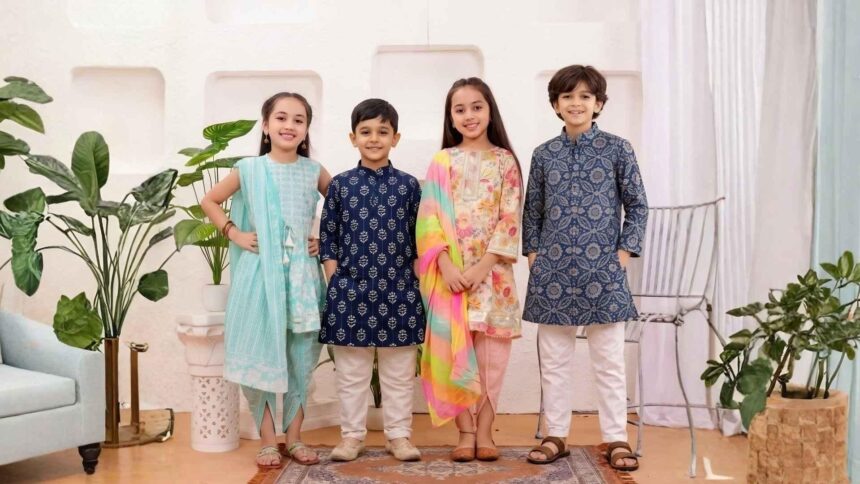
Shopping for ethnic wear online comes with a specific kind of uncertainty that everyday clothing doesn’t. The fabric, the embroidery, the fit, all of it has to be judged from a photo, and the gap between what a listing promises and what actually arrives can be significant. Knowing what separates a genuinely trustworthy brand from one that just photographs well is worth understanding before spending on anything.
Consistency Across Collections, Not Just One Good Piece
A single striking piece doesn’t tell you much about a brand’s overall reliability. What matters more is whether that same quality shows up consistently across different collections and price points. Brands that maintain consistent fabric quality, consistent stitching, and consistent color accuracy season after season are generally more trustworthy than ones where quality seems to vary depending on which piece happens to be trending that month.
How the Brand Handles Its Reputation Over Time
Brands that have been around long enough to build a genuine track record tend to be a safer bet than newer names with no real history to judge them against. Longevity in a market as visually driven and trend-sensitive as ethnic fashion isn’t accidental. It usually reflects a brand that’s kept its actual product close enough to its marketing that customers keep coming back, rather than one relying purely on aggressive advertising to offset a high return rate.
Transparency About Fabric and Construction
A trustworthy brand tends to be specific about what a piece is actually made from, fabric type, weight, care instructions, rather than relying on vague terms like “premium quality” that don’t actually describe anything concrete. This kind of transparency matters more in ethnic wear than in most other categories, since fabric behaves very differently depending on climate, and a piece that isn’t suited to the occasion it’s bought for tends to disappoint regardless of how good it looked in a photo.
Consistency Between Product Photos and What Arrives
One of the most common complaints about online ethnic wear shopping is the gap between a listing’s photos and the actual piece received, color that reads differently in person, embroidery that’s sparser than shown, fabric that drapes differently than expected. Brands worth trusting tend to have a track record of photos that match reality closely, which is often easier to judge from genuine customer reviews than from the brand’s own marketing images.
Established Names Carry Less Risk
For anyone newer to shopping ethnic wear online, leaning toward more established names initially tends to reduce risk considerably, since these brands have more public reviews, a longer track record, and generally more consistent sizing information to work from. Maria B is a good example of the kind of established name that’s built a reputation over years rather than a single viral season, which tends to make the shopping experience more predictable, both in terms of fabric quality and in how closely the finished piece matches what was shown online.
Sizing and Returns Policy as a Trust Signal
A brand confident in its own construction quality tends to offer clearer sizing guidance and a more reasonable returns policy, since it isn’t relying on customers simply keeping whatever arrives out of inconvenience. Vague sizing charts paired with restrictive return policies are often a signal worth taking seriously before committing to a purchase, particularly for anything bought for a specific occasion with no room for a fit issue to go unresolved.
Conclusion
Choosing a trustworthy ethnic wear brand online comes down to a handful of concrete signals rather than a single obvious tell: consistency across collections, transparency about fabric and construction, photos that hold up against real customer reviews, and sizing and return policies that reflect genuine confidence in the product. None of these require extensive research to check, just a bit more scrutiny than glancing at a well-lit product photo. Applied consistently, they tend to filter out the brands relying on marketing alone and point toward the ones actually worth building a wardrobe around. A little diligence at the point of purchase, checking a handful of reviews, reading the fabric description properly, comparing the returns policy against how the piece will actually be worn, saves considerably more frustration than sorting out a disappointing order after it’s already arrived.