
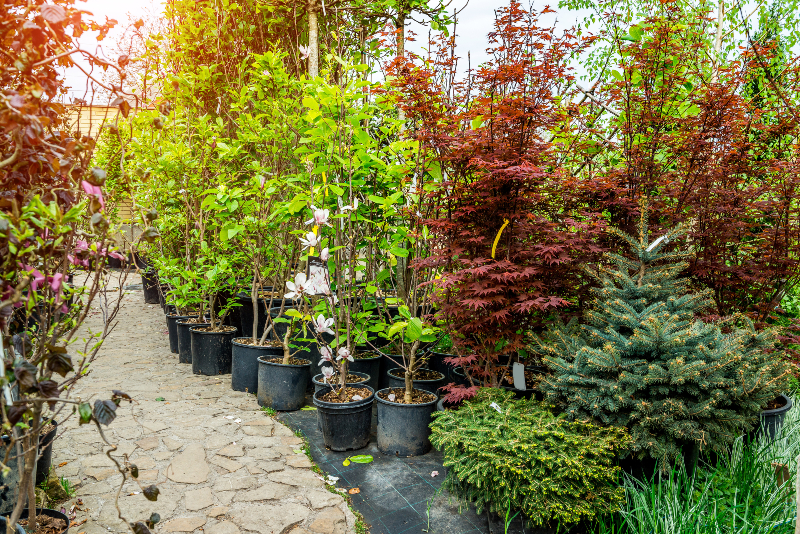
Purchasing and planting a tree can reshape residential or commercial landscapes. This process often involves selecting, transporting, and installing your chosen specimen. Knowing the terminology and logistical steps helps you prepare for the upcoming landscaping project, and it makes sure the tree suits your space. Here are some things to look for when buying trees for sale:
Evaluate Different Tree Species
Check the seller’s inventory to determine which tree species they grow locally. Trees cultivated in the region where they will eventually grow are able to develop traits suited to the local environment. They may tolerate the area’s specific soil compositions, which helps them withstand regional climate variations. Newly planted trees sometimes experience stress as they adapt to their new environment, so choosing the right species and using proper planting practices are key.
When exploring local trees for sale, review the species available and the outcome you want to achieve. If you want shade, suitable species can include:
- Live Oak
- Shumard Red Oak
- Cedar Elm
- Chinquapin Oak
- Lace Bark Elm
- Texas Ash
- Bur Oak
Other options provide seasonal color and ornamental interest, including Chinese Pistache, Autumn Blaze Maple, Crepe Myrtle, and River Birch. If you want privacy or evergreen foliage, certain species can also help achieve that goal. This includes Eastern Red Cedar, Spartan Juniper, Brodie Juniper, and Carolina Sapphire.
Review Other Characteristics and Requirements
Before purchasing a tree, find species that match the reality of your property. Some plants require full sun, while others may prefer partial shade. Soil drainage also affects which local trees thrive in a given yard; a Pond Cypress does well in wet conditions, while a Desert Willow is adapted to drier areas.
Some suppliers accept orders over the phone, but visiting a nursery lot in person lets you examine the trees more closely. Hand-selecting a specific tree provides an alternative to accepting a generic delivery. Trees may grow differently, developing unique branch structures and leaf patterns. By walking the lot, you’re able to physically inspect the foliage for health indicators and examine the bark for structural integrity.
Before this in-person inspection, gather spatial data about the final planting location. This information helps you conduct an informed consultation with representatives, allowing you to select the right tree species. Bringing photographs of the exact area where you plan to install the new plant allows experts to recommend species that suit the location. These images show the surrounding landscape and the space available for the new root system and expanding canopy. They help make sure the tree has enough room to grow successfully, and they allow you to identify potential obstacles that could affect its growth. This sometimes includes other trees, utility lines, or nearby buildings.
Assess Scheduling Practices
Some tree sellers offer installation services, and understanding their scheduling practices helps you plan for this key step. A well-organized provider may use a dispatch operator to schedule installations. Customers should receive a call a few days before installation to confirm the arrival. Lead times generally start at two to three weeks and can extend to four to six weeks during peak season. Knowing these timelines helps you plan the tree installation and coordinate other outdoor projects, which range from landscape renovations to irrigation work.
Find Trees for Sale
Adding trees to your property can enhance your yard’s appearance and functionality. A complete tree purchase also involves post-installation support; look for a supplier that offers detailed watering guidelines and seasonal care instructions. Experienced sellers may provide information on caring for trees during winter freezes and periods of summer heat. Contact a reputable supplier to ask about their current selection of trees for sale.