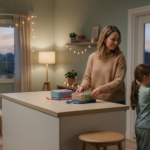

Introduction to Patience in Parenting
Patience is an essential quality for parents, particularly mothers, navigating the complexities of child-rearing. Parenting is often fraught with challenges, and the ability to remain calm and composed in stressful situations can significantly influence a child’s emotional and psychological development. At its core, patience in parenting encompasses understanding, tolerance, and the capacity to wait without frustration, which are crucial in fostering a nurturing environment.
The role of patience in successful parenting cannot be overstated. A patient mother is better equipped to handle the myriad of responsibilities that come with raising children, ranging from daily routines to addressing behavioral issues. When mothers exhibit patience, they model this virtue for their children, teaching them the importance of restraint and understanding in their own interactions. Children absorb these lessons and often emulate the attitudes displayed by their parents, thereby creating a cycle of patience that extends beyond their immediate family.
Moreover, patience contributes to emotional well-being for both parents and children. In high-pressure scenarios, maintaining composure allows mothers to make thoughtful decisions rather than reactive ones. This measured approach leads to more effective communication and helps strengthen the parent-child bond. It encourages a sense of security, as children are more likely to thrive in an environment where they feel understood and valued.
In conclusion, the significance of patience in parenting cannot be overlooked. By cultivating this quality, mothers can not only enhance their effectiveness as caregivers but also contribute positively to their children’s overall growth and emotional health. A patient approach nurtures a stable foundation for families to flourish, promoting resilience and connection within the family unit.
Understanding the Meaning of Patience
Patience is often defined as the ability to endure difficult circumstances, waiting without frustration, and maintaining a calm demeanor in the face of challenges. When applied to motherhood, patience takes on a more profound significance. It embodies the capacity to understand and respond to a child’s needs and behaviors, fostering a nurturing environment that allows for emotional and intellectual growth.
In the context of parenting, demonstrating patience can be particularly challenging. Mothers frequently encounter situations that test their resolve, from managing tantrums in public settings to coping with the endless questions that children pose as they seek to understand the world around them. Additionally, the day-to-day pressures of balancing work, household responsibilities, and personal needs can leave mothers feeling stretched thin. Hence, the concept of patience not only involves an internal self-regulation but also an outward expression of empathy and understanding towards children.
Despite these challenges, the rewards of cultivating patience are manifold. Practicing patience with children helps to create a secure attachment, where children feel safe and understood. It promotes effective communication, showing the child that their thoughts and feelings are valued. Moreover, this virtue encourages children to learn how to manage their own emotions and reactions, establishing a foundation for positive relationships. Thus, patience in motherhood is not simply about waiting; it is about engaging with children thoughtfully, allowing space for them to explore their individuality while guiding them through life’s complexities.
The Importance of Patience in Child Development
Patience is a fundamental quality that significantly influences child development. When mothers exhibit patience, it creates a nurturing environment conducive to effective communication and emotional growth. Children, while learning to navigate their world, often encounter challenges that require time and understanding. A mother’s patience allows children to express their thoughts and feelings without the fear of judgment, fostering open dialogue.
Moreover, a mother’s patient approach plays a vital role in the development of emotional regulation in children. When mothers calmly guide their children through frustrating situations, they model effective coping mechanisms. This teaches children how to manage their emotions, especially during stressful moments, constructing a foundation for healthy emotional responses in the future. As children experience compassion and understanding from their caregivers, they become more adept at processing their feelings and responding appropriately to various social situations.
In addition to emotional regulation, patience cultivates essential social skills. Children learn how to interact with peers, negotiate conflicts, and develop empathy when they observe their mothers demonstrating patience in daily interactions. The presence of a patient mother encourages children to take turns, listen actively, and express themselves effectively. These skills are integral in fostering positive relationships with others and enhancing social competence. Furthermore, the ability to stay calm in challenging situations is an invaluable life lesson that extends beyond childhood.
In summary, the importance of patience in child development cannot be overstated. It enhances communication, equips children with emotional regulation strategies, and fosters vital social skills. Mothers who embody patience not only support their child’s growth but also contribute to building a well-rounded individual prepared to face life’s complexities with resilience and understanding.
Common Parenting Challenges that Test Patience
Parenting is a complex journey filled with numerous challenges that can significantly test one’s patience. Among these challenges, tantrums frequently arise, particularly in young children. Tantrums can occur for various reasons, including frustration, overstimulation, or fatigue. Such moments often trigger strong emotional responses from caregivers, who may feel overwhelmed or even embarrassed in public settings. It is crucial for parents to recognize these triggers and adopt strategies to maintain their emotional composure. By practicing deep breathing, counting to ten, or taking a brief timeout, parents can manage their reactions and respond to their child with understanding rather than frustration.
Another challenge that often necessitates patience is navigating developmental milestones. Each child progresses at their own pace, leading to a wide range of experiences regarding speech, mobility, and social skills. While some parents may find their child quickly master these skills, others can find themselves in an ongoing struggle, leading to anxiety about their child’s development. Understanding that every child is unique can help alleviate some of the stress associated with these milestones. Fostering an environment of support and encouragement promotes a positive attitude in both the parent and child, easing the pressure on both parties.
Daily caregiving tasks further exemplify the need for patience in parenting. Activities such as feeding, bathing, or dressing may quickly become stressful, particularly with a reluctant child. Routine can break down when a child has their own agenda, resulting in frustration for the caregiver. Parents can benefit from setting realistic expectations and factoring in extra time for these tasks. By approaching daily chores with flexibility and humor, caregivers can create a more pleasant atmosphere that encourages cooperation from their children.
Strategies for Cultivating Patience as a Mom
Developing patience as a mother is a continuous journey, enriched by various strategies that foster inner calm and resilience. One effective approach is the practice of mindfulness. This involves dedicating time to focus on the present moment, which can help mothers to respond to their children’s needs with understanding rather than frustration. Mindfulness can be cultivated through meditation, deep-breathing exercises, or simply by taking a few moments each day to observe one’s surroundings, reducing stress and enhancing patience.
Another key aspect of cultivating patience is setting realistic expectations. Many mothers feel overwhelmed by societal pressures or self-imposed ideals of perfection. Acknowledging that it is okay to have limitations can significantly alleviate stress. Establishing attainable goals for the day can help mothers to manage their time effectively, reducing instances of impatience. For instance, rather than aiming to achieve an immaculate home or a fully completed to-do list, mothers can prioritize a few essential tasks and allow flexibility in their routines.
Incorporating self-care routines is equally vital for enhancing patience. When mothers prioritize their well-being, they are better equipped to handle the demands of motherhood. This may involve taking regular breaks, engaging in hobbies, or ensuring sufficient rest. Self-care is not a luxury; it is a necessity that recharges emotional and mental resources. Establishing a support network, whether through family, friends, or community groups, can also provide invaluable assistance during challenging moments of parenting.
Moreover, developing a positive mindset plays a crucial role in fostering patience. Embracing the idea that motherhood is a learning process, filled with both successes and setbacks, can help in approaching parenting challenges with a sense of grace. By cultivating these strategies, mothers can improve their capacity for patience, ultimately fostering a nurturing environment for their children.
The Ripple Effect of Patience on Parenting Dynamics
Patience plays a crucial role in parenting and significantly affects the dynamics within a family. When a mother demonstrates patience, it fosters a positive environment where children feel safe to express themselves. This nurturing atmosphere encourages open communication, allowing children to share their thoughts and feelings without fear of judgment. Consequently, this can strengthen the bond between a mother and her children, leading to enhanced emotional connections and trust.
Additionally, a mother’s patience can extend beyond her interactions with her children, positively influencing relationships with partners and siblings. When mothers approach challenging situations with patience, it sets a tone of understanding and calmness that permeates the household. Such an environment not only reduces conflict but also encourages cooperative behavior among all family members. For instance, when a mother calmly mediates disagreements between siblings, it teaches them valuable conflict resolution skills, nurturing their ability to manage their relationships effectively in the future.
The integration of patience within a family also results in a more harmonious home environment. The effects of a patient demeanor can help mitigate stress and anxiety, allowing family members to approach challenges as a team. This collective mindset can lead to increased problem-solving capabilities and an overall sense of unity. As parents model patience, they are more likely to cultivate similar traits in their children, creating a generational ripple effect of calmness and resilience.
Ultimately, a mother’s patience creates a foundation for improved family dynamics. By modeling and practicing patience, mothers not only enhance their relationships with their children but also contribute to a supportive and loving family atmosphere that benefits everyone.
Patience as a Tool for Conflict Resolution
In the dynamic environment of parenting, conflicts between parents and children are commonplace. Effective conflict resolution is crucial for fostering healthy relationships within the family unit. One of the most valuable tools a parent can wield in these situations is patience. Demonstrating patience during moments of disagreement allows for clarity of thought and prevents impulsive reactions that may exacerbate the conflict.
When a parent exercises patience, they set the stage for open communication. Rather than reacting with frustration or annoyance, taking the time to listen gives children the opportunity to express their feelings and perspectives. This listening process not only makes children feel heard but also aids parents in understanding the root cause of the conflict. By allowing situations to unfold instead of immediately intervening with accusations or judgments, parents can gain insights that may otherwise go unnoticed.
Furthermore, patience encourages a calm atmosphere where healthy dialogue can flourish. In high-stress scenarios, both parties can become overwhelmed, resulting in heightened emotional responses. By practicing patience, parents can remain composed, showcasing emotional regulation. This behavior, in turn, teaches children how to handle their emotions and address conflicts maturely. Parents who model patience provide their children with practical examples of how to resolve disagreements effectively, fostering critical thinking and reflection in these situations.
Ultimately, patience plays a vital role in conflict resolution within parent-child relationships. It allows for deeper understanding, enhances communication, and equips children with essential life skills for managing conflicts positively in their own interactions. Investing in patience as a conflict resolution technique is not merely beneficial but essential for nurturing resilient family bonds.
Real-Life Stories and Testimonials
Many mothers face unique challenges in their parenting journey, and those who embrace patience often find fulfillment and success. Here are a few narratives that illustrate the profound impact of patience on motherhood.
One mother, Sarah, recounts her experience with her son’s speech delay. Initially, she felt frustrated and overwhelmed, but she resolved to exercise patience. By engaging in daily exercises and reading together, she witnessed gradual improvement. Sarah shares that this journey taught her not only the importance of patience but also the value of being present. Her son’s eventual breakthrough in communication was not just a milestone for him, but a moment of triumph for both as they learned together.
Another mother, Lila, had a different situation when her teenage daughter began to withdraw from family activities. Lila implemented an approach centered on patience and open dialogue. Rather than pressuring her daughter to engage, she allowed her the space to express her feelings and return at her own pace. Through this experience, Lila learned that patience fostered trust and allowed her daughter to come to her own conclusions about re-engaging with family. This cultivated a deeper bond based on understanding and respect.
These testimonials resonate with many mothers who strive to create nurturing environments for their children. The stories of Sarah and Lila exemplify how patience can transform parenting experiences. By allowing themselves and their children the grace and time needed to navigate challenges, these mothers showcased the strength of patience, revealing it as a cornerstone of successful parenting.
Conclusion: Embracing Patience for a Fulfilling Parenting Experience
In the journey of motherhood, patience stands out as a critical virtue, influencing not only the relationship between mother and child but also the overall family dynamics. Throughout this discussion, we have explored how the practice of patience aids in fostering a nurturing environment where children can thrive. By allowing ourselves the grace to cultivate patience, we can better manage the myriad challenges that come with parenting, from sleepless nights to temper tantrums.
Furthermore, this essential quality encourages deeper connections between parents and children. When mothers respond to their children’s needs with patience and understanding, they create a safe space for open communication, emotional growth, and resilience. This nurturing approach not only benefits the children but also contributes positively to the well-being of the mothers themselves. Developing patience helps to mitigate stress, foster mindfulness, and cultivate a sense of fulfillment in daily parenting experiences.
Additionally, embracing patience equips mothers with the tools to model important life skills for their children, such as empathy, perseverance, and emotional regulation. As children observe their mothers practicing patience, they learn the value of remaining calm in the face of adversity and develop their own coping mechanisms for dealing with life’s challenges. This, in turn, establishes a foundation for lifelong learning and personal growth.
As you reflect on your own parenting journey, consider the moments that have tested your patience and the lessons learned through those experiences. Acknowledging these challenges can pave the way for personal development and can transform the parenting landscape into one that is more rewarding and enriching. By embracing patience, mothers can find not only the strength to endure but also the joy that comes with nurturing and guiding their children toward successful futures.