
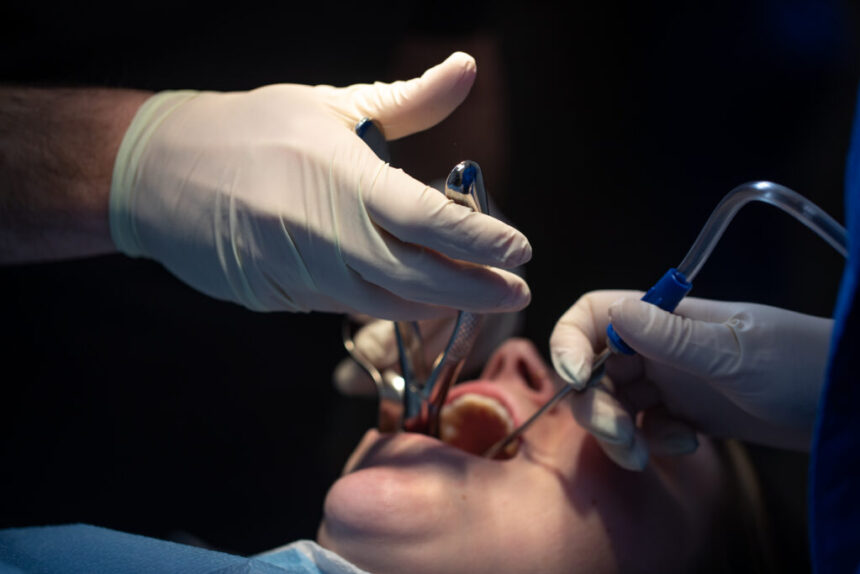
Patients often have several questions when they learn that their wisdom teeth need to be removed. While every patient has different dental needs, knowing what to expect during wisdom teeth extractions makes the experience more predictable. Here is some information about what to expect during wisdom teeth removal:
Initial Examination and Treatment Planning
Dentists begin wisdom teeth extractions by conducting a comprehensive dental examination. They review the patient’s overall oral health, which helps identify factors that may affect treatment planning and recovery. These include jawbone development, the position of nearby teeth, and the location of surrounding nerves. By reviewing these details, dentists can formulate a treatment plan that supports a safer approach to the extraction. They also use X-rays to determine whether the wisdom teeth are fully or partially erupted, or impacted beneath the gums. This helps them plan the procedure in advanced, improving patient safety.
During the initial exam, patients can discuss their symptoms. If they are experiencing swelling, discomfort, difficulty cleaning the area, or changes in neighboring teeth alignment, the dentist should be notified. This information helps determine whether removal is the appropriate course of action for the patient. Sometimes, treatments for infections or cavities must be addressed before wisdom teeth removal occurs.
Appointment Preparation
Dentists should tell patients how to prepare for the day of the procedure once the treatment plan has been established. Recommendations help reduce unnecessary complications during tooth extractions and healing, and they may include:
- Planning time away from work or school
- Wearing comfortable clothing
- Arranging transportation after the procedure
- Adjusting current medications
- Fasting before the appointment
Preparation instructions are individualized based on the planned procedure and the patient’s medical history. Patients should contact their dentist before the appointment if they experience changes in their health or are unable to follow any of the recommendations. Early communication allows the dental team to adjust the treatment plan or modify the appointment before the extraction.
Wisdom Teeth Extractions
Wisdom teeth removal is a surgical procedure, so sedation is often necessary to help patients stay comfortable. Dentists determine an appropriate sedation method by reviewing the extraction’s complexity and the patient’s individual needs. Before treatment begins, the dental team explains how sedation will be administered, what sensations the patient may experience, and how to prepare for recovery.
Removal is relatively straightforward when a wisdom tooth has fully erupted. The approach becomes more complex with impacted wisdom teeth because they are partially or completely beneath the gums. In these cases, dentists have to access the tooth by creating an opening in the gum tissue. They must also protect the surrounding tissue during the procedure, and this helps minimize excessive bleeding.
Throughout the extraction, dentists monitor the patient’s comfort and the surrounding tissues. After the tooth is removed, the area is cleaned, and the dentist may place gauze or provide instructions to help control bleeding and protect the extraction site. In some cases, dentists place stitches to close the incision to support healing.
Healing and Recuperation
Caring for the mouth after wisdom tooth removal helps prevent infection and complications. Patients receive instructions regarding oral hygiene, activity restrictions, and dietary recommendations. Mild swelling and limited jaw movement are common during the early recovery stages, but they improve as healing progresses. Patients are also limited to soft foods to reduce mouth strain and allow the surgical sites to heal. Patients should also attend follow-up appointments; these allow dentists to evaluate healing and address any patient concerns.
Find a Qualified Dentist
Knowing what to expect during wisdom teeth extractions helps the patient prepare for the procedure, from consultation to recovery. Qualified dentists further simplify the process by working closely with patients, explaining every step and offering support. Contact a local dentist today to schedule a wisdom tooth consultation.