
The Morning the Car Stopped Fitting
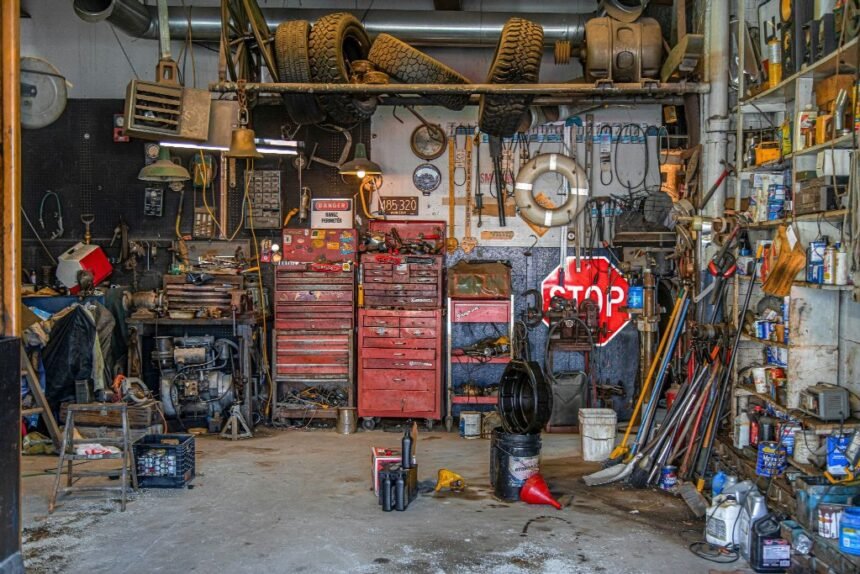
There is a morning most families recognise. It is raining, the school run is already late, and someone is standing in the garage doorway looking at a wall of boxes, a pram nobody uses and a pile of timber left over from a project that finished three years ago. The car sits on the driveway, getting wet, while the garage keeps everything else dry.
Nobody decided this. A garage fills so gradually that each addition seems reasonable at the time, and the day it stops fitting a car passes without anyone marking it. By then the job of clearing it feels bigger than any single weekend, which is why so many parents leave it for another season. The good news is that the work is more manageable than it looks once it has a plan.
How a Garage Fills Up Without Anyone Deciding It
A family garage collects things in layers. The bottom layer is usually the oldest: boxes from the last move that were never unpacked, furniture kept for a relative who never collected it, and paint tins from a renovation long finished. The middle layer is outgrown gear, such as bikes, scooters, prams, sports equipment and toys that were too good to throw away. The top layer is whatever arrived most recently, whether that was a broken lawnmower, a stack of garden pots or a bag of old clothes waiting for a donation run.
None of it feels like clutter on its own. Each item has a reason to be there, and each reason is mildly sensible. The trouble comes from the total, which grows slowly until the car loses its place. Knowing how this happens helps, because it explains why the solution is a single decisive session rather than a gradual tidy, which tends to fade after an hour.
A Plan the Whole Household Can Live With
Pick one weekend and tell everyone early. A garage clear-out goes better when it is on the calendar than when it is announced on the morning. Choose a day with decent weather, since you will want the doors open and space on the driveway to sort things.
Split the garage into zones, such as the left wall, the right wall, the back shelves and the floor in the middle. Work on one zone at a time and finish it before starting another, because a half-cleared garage is harder to face than an untouched one. Everything from each zone goes into one of four places: keep, donate, sell or dispose. Label them with tape or cardboard so nobody has to ask.
Give everyone a job that suits them. Older children can carry and sort their own outgrown gear, teenagers are often good at hauling and breaking down furniture, and younger children can match shoes and put toys in the donation box. A parent can make the final calls on anything unclear. Set a rule early that if nobody has used something in two years and nobody can name a plan for it, it goes.
Keep decisions quick. Spending ten minutes debating a single box is how a weekend turns into a month. If an item causes a long discussion, put it in a maybe box, tape it shut and write a date on it. If nobody opens it by then, it goes too.
Where the Rubbish Goes: Choosing the Right Bin
The sorted piles for keeping and donating tend to look after themselves. The disposal pile is the one that causes trouble, because broken furniture, old whitegoods, timber offcuts and mixed household debris are bulky, awkward and too much for a car boot. Trying to deal with them in a series of trips to the tip is how a weekend plan falls apart.
Hiring skip bins for a garage clean-out gives all of it a destination from the first hour, so nothing creeps back into the garage. Choosing the size is the main decision. A smaller bin suits a tidy-up of light items, while a mid-sized one handles most family garages, particularly when furniture and building leftovers are involved. Bins from the three cubic metre size upward come with a wheelbarrow door, which makes loading much easier. If you are unsure, go one size up, because a bin that fills halfway through the weekend causes exactly the delay you are trying to avoid.
Check what can and cannot be loaded before you start. Paint, solvents, gas bottles, chemicals and anything that might contain asbestos cannot go into a standard skip, and garages are where many of these items hide. Set them aside early and arrange separate drop-off through your local council or a hazardous waste service. Heavy materials such as bricks, tiles and concrete are better planned for in advance, since they reach a bin’s weight limit before the bin looks full.
Think about placement too. The driveway is the easiest spot, and you want the bin close enough to the garage door that nobody has to carry items far. Make sure there is room for the truck to deliver and collect. Booking takes a couple of minutes online, and bookings placed early in the morning can be delivered the same day, which means a Friday decision can still become a Saturday project.
Load carefully. Put heavy and flat items in first, break down furniture where you can and fill the gaps with softer items. A tidy bin holds more than a rushed one.
Keeping the Car Inside Afterwards
The satisfaction of a clear garage lasts only if the space stays clear. A few cheap changes make that much easier. Wall-mounted shelves and hooks lift bikes, tools and gardening gear off the floor, and labelled tubs give small items a home that everyone can find. Keep the most used items near the door and the least used at the back or high up.
Agree on one firm rule. The parking space is for the car, and nothing is stored in it overnight. That one line stops the slow creep that filled the garage in the first place, and it is easy to remember.
Build in a short reset. Ten minutes at the start of each season, with a box for donations and a bag for rubbish, keeps things under control, and it is far easier than a full weekend every few years. Teach the family to put things back where they belong, and to ask whether something is worth keeping before bringing it in.
The first morning the car rolls into its own garage is worth the effort. The driveway is clear, the windscreen is dry, and the family has a space that works again. Most parents say they wish they had done it years earlier.