
The Part of the Garden Nobody Explained to the Children
Most families who live with a septic system do not think much about it. The tank is buried, the pipes are hidden and the drain field looks like an ordinary patch of lawn. That is exactly why it is easy to forget, and why children and pets can wander into it without anyone noticing.
Children are drawn to the things adults tell them to avoid. A round lid in the grass is irresistible to a curious four-year-old, and soft, damp ground is an invitation to a dog or a child in gumboots. A calm explanation does far more than a stern warning. Showing children where the tank and field are, saying plainly that it is where the toilet water goes and that it is not a place for playing, gives them a reason to stay clear and a simple rule they can repeat.
Lids and Covers: The Spot That Must Stay Closed
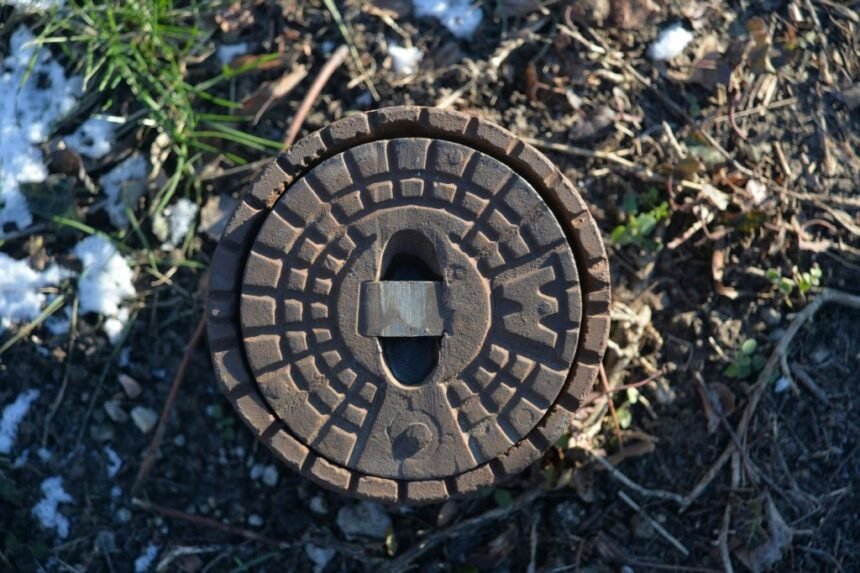
The most important safety point on any septic system is the lid. A tank is a deep, sealed chamber, and the covers are what keep people, pets and toys out of it. A missing, cracked or loose cover is a serious hazard, and the gases inside can be dangerous in a short time.
Walk the garden with the family and find every lid, including the main tank cover and any inspection or pump chamber openings. Check that each is intact, fastened and sitting flat. Many are held down with screws or bolts, and a quick look every season is enough to catch a problem early. If a cover is damaged, treat it as an emergency. Keep everyone well away, place a barrier or heavy object over the area if it is safe to do so and contact a licensed provider or your plumber straight away.
Make a firm rule that nobody lifts a lid, stands on one or lets children play on one. Never lean over or climb into a tank, and never allow anyone to retrieve a dropped toy or tool from inside. The gases in a tank can overcome a person quickly, and the danger has caught out people trying to help. Leave all work inside the system to trained professionals with the right equipment.
Wet Patches, Soft Ground and the Smell That Says Something’s Wrong
A healthy drain field looks like normal lawn. When something goes wrong, the ground tends to give the first warning. A patch of grass that stays boggy after dry weather, an area that is unusually green, standing water above the field or a sewage smell near the tank are all signs the system is struggling. Inside the house, slow drains, gurgling pipes or toilets that flush sluggishly point the same way.
Wet ground above a septic system is more than a nuisance. It can carry bacteria that cause illness, and children and pets are the most likely to come into contact with it. Keep everyone off the area as soon as you notice it. Ask children to stay out of the garden near the field, keep dogs on a lead or in a separate part of the yard and have everyone wash their hands thoroughly if they have touched wet ground.
Do not try to fix an overflow yourself. A licensed provider can pump out the tank, transport the contents to an approved facility and check the condition of the system. For many households, arranging a septic tank pump out Sydney residents can book on short notice is the practical response, and providers generally offer both routine and urgent service. When you call, describe what you have seen and smelled, and ask whether the system needs inspection as well as emptying, since an overflow can signal a deeper problem.
Regular servicing makes these emergencies less likely. A maintenance schedule suited to your tank size and household, with dates recorded, means the system is emptied before it becomes overloaded rather than after it fails.
Play Areas, Pets and Planting: Making the Garden Work Around the System
A drain field works because the soil above it is open and uncompacted, so the area needs protecting as much as the children do. Keep trampolines, cubby houses, sandpits, swing sets and heavy toys well away from the tank and field. The weight can crush pipes and compact the soil, and a damaged field is expensive and unpleasant to repair.
Mark the area clearly. A low fence, a row of garden stakes or a simple border of mulch and stones tells children and visitors where not to go. A sketch of the property on the fridge, showing the tank, lids and field, helps everyone in the family, including grandparents and babysitters, remember where the system sits.
Plants deserve some thought. Grass is the safest cover for a drain field, because its shallow roots do not interfere with the pipes. Trees and large shrubs send roots toward water and can block or crack the lines, so plant them well away from the area. Avoid vegetable gardens above or directly beside the field, and keep edible plants well clear of any wet patches.
Pets need watching. Dogs may dig near lids, roll in damp ground or drink from puddles, and cats treat soft soil as an invitation. Check your dog after outings in the garden and keep them out of the area if you notice wet ground. If a pet has contact with sewage, wash it with warm water and pet shampoo wearing gloves, and call your vet if it seems unwell.
Inside the House: Habits Families Can Share
Safety around the system starts inside the house, in the habits of everyone who uses the bathroom and kitchen. A simple rule helps: only toilet paper goes down the toilet. Wipes, cotton buds, sanitary products and nappies belong in the bin, and a small lidded bin beside the toilet makes that easy for children and visitors.
Spread out heavy water use. Several loads of washing in a single morning, or a long run of baths, sends a surge into the tank and pushes solids toward the field. Washing across the week keeps the flow gentle. Fix dripping taps and running toilets quickly, since a constant trickle of extra water overloads the system.
Keep chemicals out of the drains. Bleach, strong cleaners, paint, solvents and medications harm the bacteria the tank depends on, so dispose of them through a household hazardous waste program instead. Put cooking fat and food scraps in the bin rather than the sink.
Finally, make sure the whole family knows who to call. A note by the phone with the name of your provider and your plumber means anyone in the house can act quickly if a lid is damaged, a drain backs up or a wet patch appears. A septic system asks for very little attention, and a few shared habits keep children, pets and the garden safe around it.