
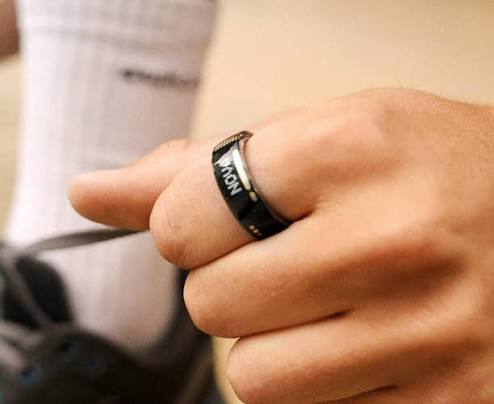
A healthy lifestyle begins with understanding your daily habits. Sleep, physical activity, stress, and recovery all influence how people feel throughout the day. Today, wearable technology makes it easier to monitor these habits without carrying large devices or checking a screen constantly. A ring health tracker is one example of a compact tool that helps users learn more about their wellness routines.
At the same time, people are looking for thoughtful sleep gifts that encourage relaxation and healthier nighttime habits. From smart rings to comfortable sleep accessories, these gifts can make bedtime more enjoyable and support a consistent sleep routine.
Whether you are shopping for a wellness enthusiast, a busy professional, or someone who wants better rest, combining useful technology with relaxing accessories can be a practical and meaningful choice.
What Is a Ring Health Tracker?
A ring health tracker is a wearable device designed to collect information about selected health and activity measurements. Unlike traditional wristbands or smartwatches, it fits around a finger and usually has a small, lightweight design.
Depending on the model, a smart ring may monitor sleep duration, nighttime movement, heart rate, heart rate variability, skin temperature trends, and daily activity. Some devices also provide estimates of recovery and readiness.
The ring collects data through built-in sensors and displays the results in a connected mobile application. Users can review their information to identify patterns and understand how their routines may affect rest and activity.
However, features vary between products. Before purchasing a ring health tracker, it is important to check its supported measurements, battery life, application compatibility, water resistance, and any subscription requirements.
How Does a Smart Ring Monitor Health?
Smart rings use miniature sensors to collect signals from the body. Optical sensors can measure changes in blood flow to estimate heart rate, while temperature sensors may track changes in skin temperature.
Movement sensors help detect activity and movement during sleep. Some devices combine these measurements to estimate sleep stages or calculate recovery scores.
The accompanying application organizes the information into understandable reports. For example, users might notice that their sleep duration decreases when they go to bed late or that their resting heart rate changes after an unusually active day.
These measurements are useful for observing general patterns, but they are not perfect. A consumer wearable cannot diagnose medical conditions, and its sleep-stage estimates may differ from clinical measurements.
Why Sleep Tracking Matters for Everyday Wellness
Sleep affects concentration, mood, energy, and physical recovery. Yet many people underestimate how their daily habits influence their nighttime rest.
A ring health tracker can make sleep patterns easier to understand by recording estimated sleep duration, bedtime, waking time, and nighttime movement. Some models also estimate how long users spend in different sleep stages.
Over several weeks, this information may help users identify habits associated with better rest. For example, they might discover that maintaining a regular bedtime or reducing late-night screen use makes it easier to wake up feeling refreshed.
The goal is not to achieve a perfect score every night. Instead, users should look for consistent patterns and make realistic adjustments that support healthier sleep habits.
Ring Health Tracker Features to Consider Before Buying
Choosing the right device requires more than comparing appearance or price. Different smart rings offer different features, so buyers should consider their personal needs.
Important features include:
- Sleep monitoring: Check whether the ring records sleep duration, nighttime movement, and estimated sleep stages.
- Heart rate tracking: Look for continuous or scheduled measurements that match your needs.
- Battery life: Compare how long the device operates between charges.
- Comfort: Select a design that feels comfortable during both daytime activities and sleep.
- Application support: Confirm compatibility with your smartphone and operating system.
- Data access: Check whether detailed reports require a paid subscription.
- Durability: Review water resistance and care instructions before wearing the ring during exercise or showering.
Sizing also matters. A ring that is too tight or too loose may be uncomfortable and can affect sensor contact. Whenever possible, use the manufacturer’s sizing kit before ordering.
Sleep Gifts That Encourage Better Nighttime Habits
Thoughtful sleep gifts can help people create a calmer and more comfortable bedtime routine. They do not need to be expensive or highly technical to be useful.
Some excellent options include a soft sleep mask, comfortable pillow, breathable bedding, a bedside reading light, or a relaxing journal. These items can help make the bedroom feel more inviting and reduce common distractions.
For someone interested in technology, a ring health tracker may be a more personalized choice. It combines a wearable accessory with information that can help the recipient understand their routines.
When choosing sleep gifts, consider the recipient’s preferences. A person who travels frequently might appreciate an eye mask and compact travel pillow, while someone who enjoys tracking personal goals may prefer a smart ring.
The best present is one that the recipient will use. Comfort, convenience, and personal relevance often matter more than adding extra features.
Smart Rings and Other Sleep Gifts: Which Is Better?
The right choice depends on what the recipient values most.
A smart ring is suitable for people who enjoy technology and want to explore their activity and sleep patterns. It can provide ongoing information, although users need to charge the device and review its reports.
Traditional sleep gifts focus more directly on comfort. A supportive pillow or quality sleep mask does not require an application, battery, or technical setup.
You can also combine both approaches. For example, a smart ring paired with a comfortable sleep mask creates a wellness-themed gift set. One item helps the recipient observe their habits, while the other supports a more relaxing bedtime environment.
If your budget is limited, start with a simple sleep accessory. If the recipient already enjoys wearable technology, a ring health tracker may offer greater long-term interest.
How to Build a Better Sleep Routine With a Health Tracker
Wearable technology is most useful when it supports practical changes rather than creating unnecessary pressure.
Start by using the device consistently for a few weeks. Review general trends instead of reacting to every daily fluctuation. A single night of poor sleep does not necessarily indicate a lasting problem.
Next, establish a regular bedtime and waking time. Keep the bedroom comfortable, reduce bright light before bed, and avoid consuming caffeine late in the day if it affects your sleep.
Use the ring’s reports as one source of information alongside your own experience. If the device reports poor sleep but you feel rested, avoid assuming that the score tells the complete story.
Some people become anxious when they focus too heavily on sleep data. If tracking makes you worry about bedtime, consider checking your reports less frequently.
A healthy routine should make life easier, not turn sleep into another daily competition.
Are Ring Health Trackers Suitable for Everyone?
Smart rings can appeal to people who want a discreet alternative to wrist-worn devices. They may be particularly convenient for users who prefer a minimal design while monitoring selected wellness trends.
However, they are not ideal for everyone. People who frequently lift weights or perform activities involving heavy gripping may find rings uncomfortable. Some may prefer a smartwatch with a larger display or a fitness band with different exercise features.
Users should also consider skin sensitivity, ring sizing, device compatibility, and ongoing costs. Anyone who needs medical-grade monitoring should consult a qualified healthcare professional rather than relying on a consumer wearable.
A ring health tracker is best viewed as a wellness tool. It can help users notice patterns, but it cannot replace professional medical advice or testing.
How to Choose the Best Sleep Gifts for Different People
Personal interests are a useful starting point when selecting a gift.
For technology enthusiasts, consider a smart ring with clear sleep reports and transparent subscription policies. For students or busy professionals, a sleep mask, bedside lamp, or comfortable pillow may be more practical.
Frequent travelers may appreciate compact accessories that make unfamiliar sleeping environments more comfortable. People who enjoy journaling could benefit from a notebook designed for recording bedtime routines, daily reflections, or morning goals.
Before buying electronic products, review return policies, warranty coverage, sizing instructions, and compatibility requirements. For traditional accessories, check material quality, comfort, and ease of cleaning.
A thoughtful gift does not need to promise perfect sleep. It should help the recipient build a routine that feels comfortable and sustainable.
Frequently Asked Questions
1. What does a ring health tracker measure?
Depending on the model, it may estimate sleep duration, heart rate, activity, nighttime movement, skin temperature trends, and other wellness measurements.
2. Can a smart ring improve sleep quality?
A smart ring does not directly improve sleep. However, its reports may help users identify habits and patterns that encourage better sleep routines.
3. Are smart rings comfortable to wear at night?
Many are designed for continuous wear, including during sleep. Comfort depends on the ring’s size, shape, material, and the user’s preferences.
4. Do ring health trackers require subscriptions?
Some offer most features without a recurring fee, while others require a subscription for detailed reports. Always check the current terms before purchasing.
5. What are some practical sleep gifts?
Useful options include sleep masks, supportive pillows, breathable bedding, bedside reading lights, journals, and wearable sleep trackers.
6. Is a ring health tracker a good gift?
It can be an excellent gift for someone interested in wellness technology. Check sizing, smartphone compatibility, privacy policies, and subscription costs first.
Conclusion
A ring health tracker offers a compact way to explore sleep patterns, activity, and selected wellness measurements. When used consistently, it can help users recognize trends and make more informed lifestyle choices.
Meanwhile, sleep gifts such as comfortable pillows, sleep masks, and relaxing bedroom accessories can make nighttime routines more enjoyable. The most suitable option depends on the recipient’s habits, interests, and budget.
Whether you choose a smart ring or a simple bedtime accessory, focus on comfort, usefulness, and realistic expectations. Combining thoughtful gifts with consistent sleep habits can encourage a healthier approach to everyday wellness.