
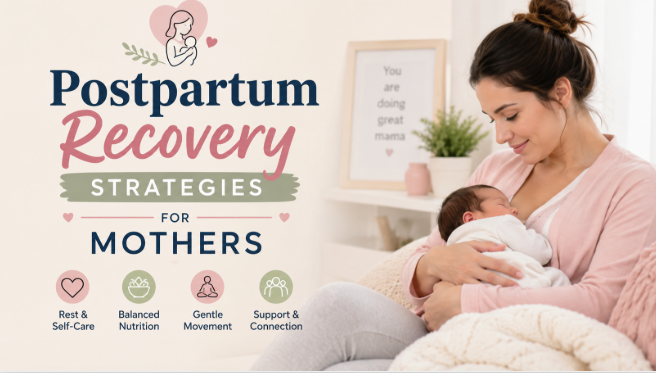
Understanding Postpartum Recovery
Postpartum recovery is a crucial phase that follows childbirth, encompassing a wide range of changes that new mothers experience physically, emotionally, and psychologically. This period typically extends for several weeks after the delivery, during which a mother’s body begins to heal and adjust to the significant alterations that come with having a baby. The physical aspect of recovery may include healing from the delivery process, whether vaginal or cesarean, and managing bodily changes such as uterine contractions, bleeding, and hormonal fluctuations.
On an emotional level, new mothers can encounter a spectrum of feelings ranging from joy to anxiety. The adjustment to motherhood and the demands of caring for an infant can be overwhelming. It is essential to recognize that feelings of sadness or uncertainty can occur, with some women experiencing what is known as postpartum depression. This condition requires attention and appropriate support, as it can significantly impact a mother’s overall wellness and her ability to connect with her newborn.
Furthermore, the psychological dimensions of postpartum recovery involve processing the life-altering events of childbirth. Women may find themselves grappling with their identities as mothers, alongside concerns about being adequate caregivers. This cognitive adaptation is vital for fostering a bond with the baby and establishing a nurturing environment. Effective postpartum recovery is not solely about physical healing but also involves emotional and psychological resilience. Adequate support from partners, family, and healthcare providers can play an essential role in facilitating this recovery process.
Hence, understanding the nuances of postpartum recovery is fundamental for new mothers. It allows for the acknowledgment of their experiences and the implementation of coping strategies that can enhance their well-being and positively influence their relationship with their newborns.
Physical Recovery After Childbirth
Physical recovery after childbirth is a critical aspect of a new mother’s journey. Both vaginal deliveries and cesarean sections come with their unique healing processes. For those who have experienced a vaginal delivery, it is important to be aware of the perineal soreness, swelling, and possible tearing that may occur. Utilizing ice packs and taking sitz baths can provide considerable relief during this time. New mothers should remain mindful of their body’s signals and avoid strenuous activities until they feel adequately healed.
On the other hand, mothers who underwent a cesarean section must pay particular attention to their incision site. Proper care and monitoring of this area are crucial, as they are at risk for infection. Activities that stress the abdominal muscles, such as heavy lifting or twisting movements, should be avoided for a period recommended by healthcare providers. Pain management through prescribed medication, as well as natural methods such as warm compresses, can aid in easing discomfort.
Another important aspect to consider is postpartum bleeding, also known as lochia, which can last for several weeks. Monitoring the color, amount, and odor of the bleeding is essential, as any sudden changes may warrant medical attention. Sufficient rest and proper nutrition play significant roles in enhancing overall recovery. Maintaining a balanced diet rich in iron, protein, and vitamins can help support healing and improve energy levels.
As new mothers begin their recovery, engaging in gentle exercises, such as walking or pelvic floor exercises, can facilitate strength rebuilding. It is advisable to consult with healthcare providers before starting any exercise regimen to ensure safety. Overall, understanding the complexities of physical recovery after childbirth can empower new mothers on their path to wellness.
Mental Health and Emotional Wellness
The postpartum period is often perceived as a joyful time for new mothers, yet it can simultaneously present significant mental health challenges. Many women may experience conditions such as postpartum depression (PPD) and postpartum anxiety, which can affect their overall emotional wellness. It is crucial for new mothers to be aware of the signs and symptoms of these mental health issues. Common indicators of postpartum depression include lingering feelings of hopelessness, fatigue, irritability, and difficulty bonding with the baby. In contrast, postpartum anxiety may manifest through excessive worrying, feelings of panic, and an overwhelming sense of fear regarding the baby’s well-being.
Recognizing these symptoms is a vital step towards improving mental health. New mothers should not hesitate to seek help if they notice any of these challenges. Consulting with healthcare professionals, such as pediatricians or mental health specialists, can provide necessary support and potential treatment options. Participation in support groups, either online or in-person, can also be immensely beneficial, as sharing experiences with other mothers may foster understanding and solidarity.
In addition to seeking professional help, there are various strategies that new mothers can adopt to maintain their emotional wellness. Prioritizing self-care, including adequate rest, balanced nutrition, and physical activity, plays a significant role in managing mental health. Engaging in mindfulness practices such as meditation or yoga can also help alleviate anxiety and promote a more positive mindset. Furthermore, establishing open communication with partners and loved ones about feelings and concerns can create a supportive environment that is conducive to emotional health. By taking these proactive steps, new mothers can navigate the complexities of postpartum recovery while prioritizing their mental wellness and ultimately fostering a healthier relationship with themselves and their baby.
Nutrition and Diet for Recovery
Nutrition plays a crucial role in the recovery of new mothers after childbirth. A well-balanced diet not only aids in healing but also provides the necessary energy to manage the demands of caring for a newborn. During the postpartum period, it is vital to focus on foods that promote healing and support overall health.
New mothers should aim to consume a variety of nutrient-dense foods. Key components include fruits, vegetables, whole grains, lean proteins, and healthy fats. Incorporating foods rich in vitamins and minerals, such as leafy greens and colorful fruits, can enhance recovery. Lean meats, fish, eggs, and plant-based proteins provide the necessary amino acids essential for tissue repair and energy replenishment.
Hydration is equally important during this time. Breastfeeding mothers, in particular, require sufficient fluids to maintain milk supply and overall hydration. Water should be a primary source of hydration, but consuming herbal teas or broths can also contribute positively. Aim to drink water regularly throughout the day, and consider carrying a water bottle as a reminder.
It is advisable to maintain balanced meals consisting of macronutrients – carbohydrates, proteins, and fats – to ensure sustained energy levels. A typical meal might include a serving of whole grains, a source of protein, and a side of vegetables. Snacks should also be healthy and include items like nuts, yogurt, or fruit to keep energy levels stable.
In summary, focusing on a nutritious and balanced diet significantly aids postpartum recovery. By prioritizing the intake of healing foods and staying hydrated, new mothers can better support their physical recovery and meet the increased demands of motherhood.
Postpartum Exercise and Activity Levels
Postpartum recovery is an essential phase for new mothers, and incorporating appropriate physical activity can significantly enhance this process. While the desire to return to pre-pregnancy fitness levels may be strong, it is crucial to approach postpartum exercise with caution. Experts generally recommend waiting at least six weeks after vaginal childbirth, or longer after a cesarean section, before resuming more structured workout routines. However, gentle movements can begin earlier, provided that they feel comfortable.
When a new mother feels ready to start exercising, it is advisable to begin with low-impact activities. Walking is often the most accessible option, helping to improve cardiovascular fitness without straining the body. Postnatal yoga and stretching exercises can also be beneficial, promoting flexibility and relaxation while supporting pelvic floor recovery. Core exercises specifically tailored for postpartum women can aid in rebuilding strength, but care should be taken to perform these safely.
Listening to one’s body is paramount during this period. Signs of excessive fatigue, pain, or complications should not be ignored, and adjustments to activity levels should be made accordingly. Engaging in group exercise classes designed for new mothers may provide not only fitness benefits but also social support, which can be vital for emotional well-being. Ultimately, the aim should be to sustain a balance between exercise and rest, fostering a recovery process that aligns with individual comfort and health needs.
Emphasizing gradual progression in activity can help establish a lifelong healthy routine, benefiting both physical and mental health. As mothers navigate this transformative period, finding joy in movement can improve their overall postpartum experience, making it a more positive journey toward regaining strength and vitality.
Support Systems: Family and Community
The importance of having a robust support system during the postpartum recovery phase cannot be overstated. After childbirth, new mothers face numerous physical and emotional challenges that can be overwhelming. A strong network of family and friends can play an instrumental role in easing these challenges, offering not just practical assistance but also emotional support.
Partners typically take the lead in providing immediate help, from responding to the baby’s needs during those sleepless nights to assisting with household chores. Their involvement fosters a collaborative family environment, which helps in reducing stress for new mothers. Furthermore, family members—be it grandparents, siblings, or close relatives—often can provide invaluable assistance through childcare, meal preparation, or even just providing a listening ear.
In addition to familial support, community resources are equally essential for postpartum recovery. Many communities offer parenting classes, lactation consultations, and mental health resources specifically tailored for new mothers. These services not only help in navigating the postpartum period but can also provide opportunities to connect with other mothers facing similar challenges. Joining local parenting groups or support networks, either in person or online, can facilitate a sense of belonging and understanding.
Support groups serve as a safe haven where experiences can be shared openly, and mothers can converse about their triumphs and struggles. The presence of peers who are on the same journey contributes to emotional resilience, enabling new mothers to feel less isolated. Forming connections within these circles not only promotes healing but can also help in creating lasting friendships.
To summarize, whether through family members or community resources, establishing a supportive network is critical for new mothers during their postpartum recovery. Engaging with loved ones and participating in community activities fosters resilience, ultimately enhancing the overall wellbeing of both the mother and her newborn.
Self-Care Strategies for New Mothers
Postpartum recovery is a critical phase for new mothers, characterized by significant physiological and emotional changes. Prioritizing self-care during this time is essential for physical healing and mental well-being. One effective strategy for managing stress is to practice mindfulness and deep-breathing exercises. These techniques can help reduce anxiety and promote a sense of calm amidst the demands of motherhood. Engaging in short mindfulness sessions throughout the day can foster a greater connection with oneself and alleviate feelings of being overwhelmed.
Finding time for oneself is often challenging for new mothers, yet it is crucial for personal well-being. Scheduling regular intervals for self-care, even if just for 10-15 minutes daily, can allow mothers to recharge. This can include taking a hot bath, reading a book, or enjoying a warm cup of tea in solitude. Additionally, incorporating a brief exercise routine like walking can also enhance mood and energy levels. This doesn’t necessitate an extensive time commitment; even short bursts of physical activity can produce beneficial effects.
Engaging in activities that promote relaxation and joy is another vital aspect of self-care. New mothers should consider hobbies they enjoyed before childbirth or explore new interests that excite them. Whether it’s painting, knitting, gardening, or journaling, these activities can provide a creative outlet and a sense of accomplishment, helping mothers reconnect with their passions. Moreover, social connections play a significant role in a new mother’s recovery; reaching out to friends or joining parent support groups can create a support network that provides emotional resilience.
Incorporating these self-care strategies empowers mothers to maintain their well-being during the demanding postpartum period. These practices not only aid in recovery but also nurture a positive mindset, laying the foundation for a healthy family dynamic moving forward.
Establishing a Routine with the Baby
Establishing a daily routine with your newborn is essential for both their well-being and your sanity as a new mother. A structured daily schedule helps manage time effectively, allowing for designated periods for feeding, sleeping, and self-care. Start by observing your baby’s natural patterns and behaviors. Every baby is unique, yet many will follow predictable patterns regarding naps and feedings.
Creating a sleep schedule for your infant can enhance their sleep quality, which in turn positively affects your own. Aim to lay your baby down for naps and nighttime sleep at consistent times. This practice not only provides a sense of security for the baby, but it also allows mothers to anticipate sleep periods for their own restful breaks. An effective tip is to create a calming bedtime ritual, such as dimming the lights and playing soft music, which signals that it’s time to wind down.
Feeding routines are equally important, whether you are breastfeeding or formula feeding. Establishing a cycle can help you anticipate when your baby will need to eat, thus providing a more structured day. If you are breastfeeding, consider keeping a log of feeding times, which may help in reducing anxieties related to tracking your baby’s nutritional intake. Likewise, formula-fed infants can benefit from a similar approach, as it encourages regular intervals for not only feeding but also diaper changes, contributing to a smoother daytime flow.
Incorporating self-care into your routine is paramount. As you create a structured environment for your baby, be sure to schedule time for yourself as well. This could be as simple as setting aside 15 minutes for a cup of tea or engaging in light exercise when the baby is napping. Balancing your needs with those of your baby enhances your emotional and physical health, ultimately strengthening your ability to care for them.
Resources and Further Reading
For new mothers navigating the intricacies of postpartum recovery, a plethora of resources is available to offer guidance, support, and information. Understanding the breadth of options can empower mothers as they transition into this new phase of life. Numerous books are well-regarded in the field of postpartum care. One must-read is “The Fourth Trimester” by Kimberly Ann Johnson, which addresses the physical, emotional, and social aspects of recovery. Another valuable title is ” postpartum Support” by Dr. Shoshana Bennett, which provides insight into emotional well-being and coping mechanisms.
In addition to literature, several websites serve as excellent resources for new mothers. The American Pregnancy Association (APA) offers a wealth of articles on postpartum recovery, including tips on physical health and emotional well-being. The Postpartum Support International (PSI) website stands as a crucial platform for understanding postpartum depression and provides resources directly related to mental health support. Their helpline and local support groups are particularly beneficial for mothers seeking community assistance.
Local organizations also play an integral role in providing support during the postpartum phase. Many communities have established mothers’ groups that meet regularly, allowing for personal interaction and shared experiences. Additionally, hospitals and birthing centers often have lactation consultants and postpartum doulas available to help mothers with their physical recovery after childbirth. Engaging with these local resources can significantly enhance a mother’s recovery experience, fostering connections that can alleviate feelings of isolation.
By utilizing these books, websites, and local organizations, new mothers can better equip themselves for the journey of postpartum recovery, ensuring they have the tools necessary to navigate the challenges and joys of motherhood effectively.