
What is Back Labor?
Back labor, often characterized by intense discomfort in the lower back during childbirth, differs significantly from the more common abdominal labor pains. While labor generally includes a range of sensations as contractions help to dilate the cervix, back labor is typically associated with a specific type of pain that originates from the lumbar region of the spine. This phenomenon can be attributed to the baby’s position in the womb; when a baby is in the posterior position, or facing upwards rather than downwards, the pressure during contractions can compress the nerves and tissues in the back. Consequently, this positioning can lead to higher levels of maternal discomfort.
Women experiencing back labor may describe their pain as deep, aching, or throbbing in nature, often feeling more intense than the cramps typical of abdominal labor. The sensation can fluctuate but tends to be more persistent in its nature, causing significant strain for the laboring individual. Understanding the mechanics behind back labor is crucial in addressing coping strategies to alleviate discomfort. The majority of women may not be aware of the potential for back labor until they are in the throes of labor; hence, education on the signs and implications of back labor can be immensely beneficial.
Physiologically, the position of the baby plays a vital role in determining the type and intensity of labor a mother experiences. Midwives and healthcare professionals often emphasize the importance of rotation techniques and alternative positions that can help prompt the baby to move into an optimal birthing position, thereby potentially reducing the intensity of back labor. Awareness and preparation can thus aid women in navigating the complexities associated with back labor more effectively.
Characteristics of Back Labor Pain
Back labor pain is a specific type of discomfort experienced during childbirth that differs significantly from traditional labor pain. The primary characteristic of back labor is its distinct location, typically centered in the lower back rather than the abdomen. This pain can often feel like a relentless ache or pressure, commonly described as radiating from the lower back towards the pelvis and possibly even down the legs. Women who experience this type of labor frequently report that the intensity of the pain can fluctuate, increasing in severity with each contraction.
The duration of back labor pain also varies among individuals. Some women may experience this discomfort consistently throughout the labor process, while others may encounter intermittent spells of back pain depending on the position of the baby. For many, the onset of back labor is often accompanied by a sense of pressure that might mislead expectant mothers into believing they are feeling standard labor pains. However, those who have experienced back labor describe a unique kind of discomfort that is both exhausting and overwhelming, often compared to a constant dull ache exacerbated by contractions.
Differentiating back labor from other types of labor pains is crucial for proper coping strategies. Typical labor contractions can feel more pronounced in the abdomen, whereas back labor pain centers on the back. Many mothers recount their experiences, emphasizing how the sense of urgency and desire to alleviate back pain compels them to shift positions frequently, hoping to find relief. The shared accounts of these women highlight the emotional and physical toll that back labor can impose, making awareness of its characteristics essential for expectant mothers approaching their birthing experiences.
Common Causes of Back Labor
Back labor is an experience characterized by pain that radiates into the lower back during the labor process. Several factors can contribute to this discomfort, typically stemming from the positioning of the fetus in conjunction with the anatomical factors related to the mother’s pelvis.
One of the primary causes of back labor is fetal positioning. If the baby is positioned in a posterior presentation—meaning the back of the baby’s head is facing the mother’s back—this can lead to increased pressure on the mother’s spine. This position can result in intense back pain, as the contractions not only exert pressure on the uterus but also affect the lower back, leading to what many mothers describe as an agonizing experience.
The size and shape of the mother’s pelvic structure also play a significant role in the occurrence of back labor. A narrow or irregularly shaped pelvis may create less room for the baby to descend during labor, which may lead to increased force on the back. Additionally, if the pelvic muscles are tense or not yet relaxed, it can complicate the labor process, making the experience more painful.
Furthermore, other health-related factors can contribute to back labor. Conditions such as sciatica, previous back injuries, or even the presence of certain musculoskeletal conditions can heighten back pain during labor. Hormonal changes that affect ligaments and muscles in preparation for delivery can also create discomfort in the lower back area. Understanding these common causes can aid expecting mothers in developing strategies to manage and cope with back labor more effectively.
Emotional Impact of Back Labor
Back labor can be an incredibly challenging experience for women during childbirth, evoking a complex array of emotional responses. The intensity of pain localized in the back can lead to heightened feelings of frustration and anxiety. Unlike typical labor, back labor is often marked by prolonged discomfort and can disrupt the anticipation of a fulfilling birthing experience. This unique pain can hinder a woman’s ability to cope effectively, adding layers of emotional strain to the physical burden she faces.
Women may find themselves grappling with intense sensations of helplessness. The chronic pain associated with back labor may lead to feelings of inadequacy, particularly if the anticipated birth experience does not align with their expectations. This disconnect can be emotionally taxing, as women often seek normalcy in their labor journey amid a backdrop of immense discomfort.
Furthermore, anxiety can stem from a fear of the unknown; uncertainty about how long back labor will last and whether they can endure the pain can heighten tension. These feelings of distress may be exacerbated if women feel unsupported or ill-prepared for the level of discomfort they encounter. Emotional support during this time proves invaluable, as having trusted partners, family, or professionals to encourage and reassure them may alleviate some psychological burdens.
Research indicates that emotional wellbeing directly influences the perception of pain during labor. Therefore, acknowledging and addressing the emotional impacts of back labor is crucial. Women who receive empathetic support and validation often report a more positive labor experience. Effective pain management strategies, along with emotional backing, can result in a more balanced perspective on childbirth, allowing for a healthier transition into motherhood.
Coping Strategies for Back Labor
Experiencing back labor can be a challenging aspect of the childbirth journey, characterized by intense pain in the lower back that can be quite debilitating. However, there are several effective coping strategies that can help alleviate this discomfort and provide some relief during labor.
First and foremost, focused breathing techniques play a crucial role in managing pain. Concentrating on one’s breath can create a calming effect which distracts from the pain sensation. Practicing deep, rhythmic breathing can help in promoting relaxation and reducing stress that might exacerbate pain during contractions.
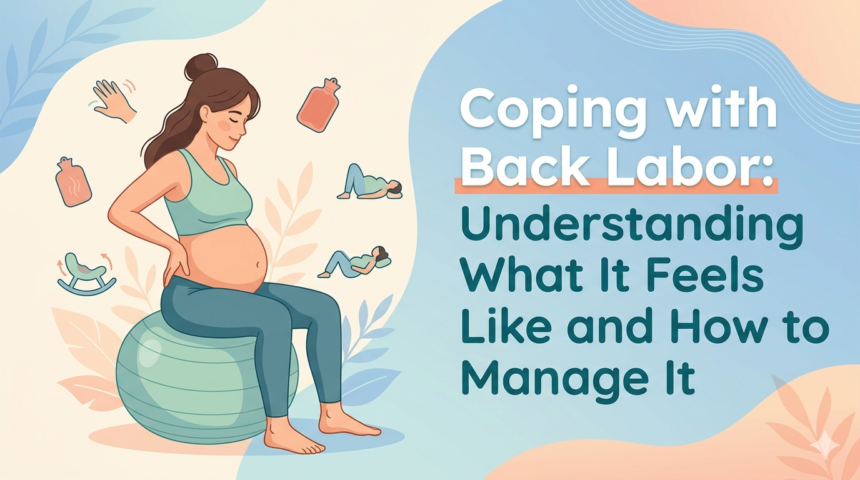
Changing positions frequently is another effective strategy. Movement can help shift the pressure in a way that may alleviate back pain. Options include standing, walking, or using a birth ball, which encourages pelvic mobility. Additionally, leaning forward while on hands and knees can relieve some pressure off the lower back.
Massage therapy also proves beneficial. Partner-assisted massage can help in soothing tense muscles and providing emotional support, while applying pressure to specific areas can release endorphins, our body’s natural painkiller. Utilizing a partner for continuous support through verbal encouragement or physical presence can enhance the pain management experience.
Moreover, utilizing heat or cold therapy can be helpful in easing back labor pain. Heat packs applied to the lower back or warm baths can promote relaxation of muscles, while a cold compress can numb sharp pain sensations. Trying out options like these during contractions can reveal what works best for individual comfort.
Incorporating these coping strategies can empower individuals during the labor process, reducing the intensity of back labor pain. By understanding and utilizing these techniques, a more manageable birthing experience can be achieved.
Role of Support Partners During Back Labor
Back labor can be an excruciating experience for individuals during childbirth, often manifesting as intense pain in the lower back due to the position of the baby. The support partner plays a crucial role in alleviating this discomfort and providing emotional strength during this overwhelming time.
One of the primary responsibilities of a support partner is to assist with pain management techniques. Encouraging the individual to shift positions can significantly impact how the labor progresses. Simple movements such as rocking back and forth, leaning on the partner, or trying various labor positions can help relieve pressure on the back. It is important for partners to be aware of different positions that may provide comfort and actively suggest these options during labor.
Furthermore, physical touch can play a vital role in pain relief. Partners can offer counter pressure on the lower back, which may help alleviate the sensation of pain. Simple acts like massage, providing warmth through heating pads, or applying cold compresses can also prove beneficial. Breathing techniques, which are often taught in prenatal classes, can be reinforced by the partner, creating a calming environment.
Emotional support is equally essential during back labor. The presence of a supportive partner can instill feelings of safety and reassurance, which can greatly enhance the individual’s ability to cope with pain. Validating feelings and encouraging words can make a significant difference. Practicing mindfulness and being attuned to the needs of the laboring partner can create a stronger bond and improve the overall birth experience.
In conclusion, the role of support partners during back labor is multifaceted, encompassing pain management and emotional comfort. Their involvement is crucial in navigating this challenging experience, leading to better outcomes for both the individual and the support partner.
Medical Interventions for Back Labor
Managing back labor pain can be challenging, but several medical interventions are available to assist expectant mothers in coping with the discomfort associated with this condition. Understanding the pros and cons of each method can help inform mothers-to-be about their options.
One of the most widely recognized options is the epidural anesthetic. An epidural involves the injection of medication into the epidural space surrounding the spinal cord. This method is generally effective in providing significant pain relief during labor, including alleviating back pain associated with uterine contractions. However, while epidurals can provide profound relief, they may also lead to a longer labor duration and can impede the ability to walk or change positions freely. Additionally, there are potential risks, such as a drop in blood pressure, which must be considered.
Another option is the spinal block, which is similar but involves a single injection of anesthetic into the spinal fluid. This technique provides rapid pain relief and is often used for cesarean sections. However, like the epidural, it can also affect mobility and may result in similar side effects.
Aside from neural blockades, other pain relief methods include intravenous medications such as opioids. These can help reduce discomfort but may not offer complete relief, and they carry the risk of side effects such as drowsiness and nausea. Non-pharmacological methods such as hydrotherapy, massage, and breathing techniques can complement medical interventions, providing additional coping strategies without the side effects of more invasive approaches.
Ultimately, managing back labor pain requires a tailored approach. Expectant mothers should discuss their preferences and medical history with their healthcare provider to implement a pain management strategy that best meets their individual needs.
Postpartum Care and Recovery
After experiencing back labor, the postpartum recovery process can present various physical and emotional challenges for new mothers. Understanding what to expect during this critical period is essential for a smoother transition into motherhood.
Physically, women may deal with soreness in the back and pelvis, especially if back labor was particularly intense. This discomfort could persist for several days or weeks. Additionally, many women experience uterine contractions as the body returns to its pre-pregnancy state. Engaging in gentle stretching, light walking, and pelvic floor exercises can play a vital role in physical recovery. It is advisable to listen to one’s body and consult with healthcare providers for personalized guidance on exercises that are safe to perform following childbirth.
Emotionally, new mothers may find themselves coping with a range of feelings, including joy, anxiety, and even postpartum depression. The experience of back labor may heighten feelings of vulnerability, particularly if the labor experience was challenging. Thus, it is vital for new mothers to monitor their emotional health carefully. Connecting with other mothers, joining support groups, or seeking professional help are effective strategies to address emotional well-being. Ensuring a supportive environment where one can share experiences and seek advice can significantly enhance recovery.
Additionally, support from family and friends is paramount during this period. New mothers should not hesitate to ask for help, whether it involves childcare, household tasks, or simply someone to talk to. Creating a solid support system can alleviate stress and foster a nurturing environment conducive to healing.
Preparing for Labor: Tips for Expectant Mothers
Preparation for labor is an essential aspect of the pregnancy journey, particularly for those who may be at risk for back labor. Understanding what to expect during this phase can empower expectant mothers and help them manage potential challenges effectively. Education plays a crucial role; attending prenatal classes can provide valuable insights into labor dynamics, including how back labor differs from other types of labor. Such classes offer techniques to cope with discomfort, which may be particularly beneficial for women prone to experiencing back labor.
In addition to prenatal education, creating a personalized birth plan is advisable. This plan serves as a roadmap for both the expectant mother and her healthcare team, detailing preferences concerning pain management, the atmosphere of the birth, and positions that might alleviate discomfort during labor. Incorporating specific strategies aimed at managing back labor, such as movement and positioning techniques, can be beneficial. Discussing these preferences with practitioners during prenatal visits ensures that everyone involved is informed and can work collaboratively toward the mother’s goals.
Open communication with healthcare providers is vital throughout the pregnancy. Expectant mothers should encourage regular discussions about any concerns, symptoms of back labor, and pain management options. Building a rapport with healthcare professionals can also include seeking second opinions or additional resources if expectations shift closer to labor. This proactive approach not only delineates the path to a more favorable birthing experience but also cultivates a sense of preparedness. Ultimately, balancing education, planning, and communication aids expectant mothers in preparing for labor, enhancing their confidence as they approach this significant life phase.