Understanding Gratitude and Kindness
Gratitude and kindness are pivotal values in child development, as they contribute significantly to forming lasting and positive relationships. Gratitude can be defined as the recognition and appreciation of the goodness in one’s life, while kindness entails being considerate, respectful, and compassionate towards others. Together, these values form a crucial foundation for emotional intelligence, allowing children to navigate their social environments effectively.
Teaching gratitude fosters a sense of perspective in children. It encourages them to acknowledge not only their own needs but also the actions and experiences of others. When children express gratitude, they engage in reflection and recognition of the many facets of their lives that contribute to their well-being. This practice strengthens their emotional resilience and happiness. Studies have shown that children who regularly practice gratitude tend to exhibit higher levels of optimism and lower levels of depression, suggesting a direct link between gratitude and emotional health.
Similarly, kindness plays a vital role in developing empathy and social skills. Through acts of kindness, children learn to put themselves in others’ shoes, understanding and responding to the emotions of those around them. This ability to relate fosters healthy social interactions, reduces conflict, and enhances cooperation among peers. Moreover, children who engage in kind behaviors are more likely to receive kindness in return, creating a positive feedback loop that strengthens community bonds.
In summary, incorporating concepts of gratitude and kindness into daily activities shapes children’s emotional development, equipping them with the skills necessary for establishing meaningful connections and contributing to the well-being of those around them. As parents and educators, fostering these values can lead to a more compassionate future generation.
Modeling behavior is a key aspect of parenting that significantly influences a child’s social and emotional development. Children are natural observers; they learn predominantly through imitation, absorbing the actions and attitudes displayed by their parents and caregivers. Therefore, when parents exhibit gratitude and kindness, they set a powerful example for their children to emulate.
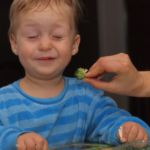
To cultivate gratitude, parents can incorporate simple yet meaningful practices into daily routines. For instance, expressing gratitude at mealtime can be an effective strategy. Parents may engage their children in conversations about what they are thankful for, whether it’s the food on their plates or the company at the table. This practice not only reinforces the value of appreciation but also enhances familial bonds, making gratitude a shared experience.
Furthermore, demonstrating kindness in everyday interactions provides children with tangible examples of how to practice these values. Simple acts, such as holding the door open for others or offering assistance to a neighbor in need, serve as powerful teaching moments. When parents involve their children in these acts, it allows kids to participate actively, reinforcing the notion that kindness is integral to their lives and communities.
Additionally, discussing the importance of gratitude and kindness during various situations can further instill these values in children. For instance, after experiencing a service or receiving help, parents should take the time to express thanks together, emphasizing the emotional significance behind the gesture. Overall, parents play a vital role in shaping their children’s perspectives on gratitude and kindness through modeling behavior consistently, encouraging thoughtful practices, and engaging in dialogues that highlight the value of these virtues.
Creating a Gratitude Habit
Instilling a habit of gratitude in children is a fundamental aspect of teaching them kindness and appreciation for the world around them. One effective method is maintaining a gratitude journal, where children can document things they are thankful for on a regular basis. This practice not only encourages reflection but also allows children to visualize their blessings, thereby nurturing a more positive outlook on life. Parents can initiate this activity by setting aside time each week for journaling, making it a family tradition that everyone participates in.
Another simple yet impactful way to foster gratitude is by sharing daily highlights during family meals. This practice encourages discussion and helps children recognize the positive moments in their lives, no matter how small. By creating space for each family member to express their appreciation, children learn that gratitude is not only about significant events but also about everyday joy. This ritual reinforces the value of kindness, as appreciating others is often intertwined with recognizing their contributions to our happiness.
Additionally, involving children in charitable activities can deepen their understanding of gratitude. Volunteering together at local shelters or food banks teaches children about the importance of giving back, instilling in them a sense of responsibility towards their community. Such experiences can profoundly affect their worldview, helping to cultivate empathy and a deeper appreciation for their own privileges. As children engage in these activities, they begin to understand the significance of kindness, transforming gratitude from a momentary feeling into a lifelong habit.
By consistently integrating these practices into daily life, parents can help their children develop a profound sense of gratitude and kindness that will serve them well as they grow and navigate the complexities of the world around them.
Teaching Through Stories and Media
Engaging children in the realms of gratitude and kindness can be effectively achieved through stories and various forms of media. Literature, films, and other storytelling mediums serve as powerful tools for instilling these essential values in young minds. When children are exposed to narratives that highlight acts of kindness and the importance of being grateful, they are likely to internalize these lessons more profoundly than through direct instruction alone.
Books such as “Gratitude: A Gratitude Journal for Kids” or “Have You Filled a Bucket Today?” offer relatable scenarios that speak to children’s everyday experiences. These stories not only capture their attention but also allow them to reflect on their own behaviors and the impacts of their actions on others. For instance, “Have You Filled a Bucket Today?” introduces the concept of emotional well-being and how acts of kindness can enhance both one’s happiness and that of those around them.
Movies are another dynamic avenue for reinforcing lessons of kindness and gratitude. Animated films like “Inside Out” or “Zootopia” convey these themes through engaging plots and relatable characters. They encourage children to empathize with others and recognize the importance of expressing gratitude in their relationships. Discussions after viewing these films can enhance their understanding, making it easier for children to articulate their thoughts about kindness and appreciation.
Storytelling, whether through traditional bedtime stories or digital storytelling platforms, also plays a crucial role. Parents can tailor stories to incorporate lessons of gratitude, allowing children to engage actively with the narratives. By prompting them to consider how characters show kindness or express gratitude, children can draw parallels to their own lives.
In conclusion, utilizing books and films as learning tools serves to foster a deeper understanding of gratitude and kindness in children, thus cultivating these essential virtues more effectively.
Encouraging Altruism Through Action
Teaching children the value of altruism through actionable steps can greatly enhance their sense of empathy and gratitude. Engaging in acts of kindness not only benefits others but also instills a profound sense of fulfillment in children. Parents can lead by example, demonstrating kindness in everyday situations and encouraging their children to join in.
One effective method for fostering altruism is by participating in community service projects as a family. Parents can research local organizations that cater to various needs, such as food banks, animal shelters, or environmental initiatives. By volunteering for a few hours together, children can see firsthand the impact of their contributions. This experience creates a tangible connection to the concept of helping others and reinforces the importance of giving back.
In addition to organized community service, parents can encourage their children to perform simple acts of kindness within their neighborhoods. This can include helping elderly neighbors with groceries, offering to mow a lawn, or organizing a clean-up day at a local park. Such activities promote a sense of community and highlight the significance of altruistic behavior in sustaining healthy relationships.
Furthermore, integrating kindness into daily family life can be achieved through small, intentional gestures. Families can create a kindness jar in which every member adds a suggestion for an act of kindness to perform during the week. These may include writing thank-you notes, cooking meals for others, or even leaving uplifting messages around the house or in community areas. Each act, regardless of its scale, reinforces the values of gratitude and kindness.
By incorporating these practices into daily routines, parents can effectively instill the principles of altruism and kindness in their children, creating a lifelong commitment to helping others and nurturing a more compassionate world.
Fostering Empathy in Children
Empathy is an essential skill that serves as a foundation for gratitude and kindness. Teaching children to understand and share the feelings of others is crucial in developing their emotional intelligence. When children learn to empathize, they become more aware of the needs and emotions of those around them, which naturally promotes acts of kindness.
One effective method for fostering empathy is through role-playing activities. By engaging children in role-playing scenarios, they can step into someone else’s shoes and experience different perspectives. This not only fosters understanding but also helps them recognize and identify emotions, enriching their ability to relate to others. For example, asking children to act out a situation where a friend is feeling left out can encourage them to consider how it feels to be in that position, leading to more compassionate behavior in real life.
Discussing feelings and emotions is another significant approach to nurturing empathy. Encouraging children to articulate their feelings and listen to others can enhance their emotional vocabulary. This can be facilitated by asking open-ended questions about how they or others might feel in various situations. Parents can enhance this experience by sharing their own feelings, which demonstrates the importance of emotional expression and validates children’s experiences.
Exploring different perspectives through stories or media is also valuable. Reading books or watching films that depict diverse characters and experiences allows children to reflect on and discuss the motivations behind each character’s actions. This practice not only broadens their understanding of the world but also encourages critical thinking about the impact of kindness and generosity in different contexts.
By integrating these methods into daily life, parents can successfully foster empathy in their children, laying the groundwork for a greater capacity for gratitude and kindness towards others.
Positive Reinforcement and Encouragement
Positive reinforcement plays a pivotal role in nurturing gratitude and kindness in children. When children display these behaviors, it is essential to acknowledge their actions appropriately. This not only reinforces the behavior but also instills a sense of value and purpose in their actions. For instance, when a child shares a toy with a sibling or friend, praising them for their kindness can help solidify this behavior as desirable. By highlighting their positive actions, children learn the importance of being kind and appreciative towards others.
To effectively implement positive reinforcement, consider using specific praise that describes what the child did well. Instead of a general “good job,” try saying, “I really appreciated how you helped your friend when he was feeling sad. That was very kind of you.” This type of encouragement communicates the exact behavior that is being recognized, making it clearer for the child to understand what they should continue to do.
Additionally, incorporating rewards can further motivate children to engage in kind and grateful behaviors. A reward system does not need to be extravagant; simple rewards like stickers, extra playtime, or even verbal acknowledgments can work effectively. Setting up a chart where children can track their acts of kindness and gratitude can provide visual reinforcement and encourage them to strive for more positive behaviors.
Furthermore, modeling kindness and gratitude as parents or caregivers plays a critical role alongside positive reinforcement. Children are observant and tend to imitate behaviors they see. Therefore, consistently showing gratitude and kindness in various scenarios will help them internalize these values. This dual approach of positive reinforcement, combined with modeling, can create an environment where gratitude and kindness thrive naturally, guiding children to develop strong moral foundations.
Handling Negative Emotions and Behavior
Teaching children about gratitude and kindness can be challenging, particularly when they exhibit negative emotions or behaviors such as ingratitude or unkindness. These moments are critical opportunities to guide children toward understanding the importance of empathy and appreciation. It is essential to approach these situations with patience and a constructive mindset.
Firstly, parents should acknowledge the child’s feelings when they act out. Instead of admonishing them for their behavior, one effective strategy is to ask open-ended questions that allow the child to express their emotions. For example, saying, “I noticed you didn’t want to share your toys. Can you tell me how you feel about that?” grants the child a safe space to articulate their thoughts and feelings. This not only validates their emotions but also prompts reflection on their actions.
Moreover, storytelling can be a powerful tool in navigating instances of unkindness or ingratitude. Sharing age-appropriate tales that highlight the consequences of such behaviors instills valuable lessons in a relatable format. After sharing a story, engage the child in a discussion about the characters’ choices and actions. Ask them how they might have acted differently, guiding them to a deeper understanding of gratitude.
Additionally, modeling positive behavior is critical. Children learn extensively through observation; therefore, demonstrating acts of kindness and appreciation in everyday life sets a precedent for them to follow. When children witness their parents express gratitude or perform kind acts, they are more likely to internalize these values themselves.
Finally, after addressing the negative behavior, it is beneficial to require the child to right their wrongs—whether through an apology or a gesture of kindness. This reinforcement teaches accountability and solidifies the importance of gratitude in interpersonal relationships. By transforming negative emotions into valuable learning experiences, parents can guide their children toward more positive expressions of gratitude and kindness.
Incorporating Gratitude and Kindness into Everyday Life
Integrating gratitude and kindness into the everyday routines of children can significantly shape their character and outlook on life. By consistently weaving these values into daily activities, parents can foster an environment that encourages compassionate behavior and appreciation.
One effective way to cultivate gratitude is by establishing morning rituals that frame the day positively. For instance, parents can introduce a routine where family members share one thing they are grateful for each morning during breakfast. This practice not only promotes a positive mindset but also encourages children to develop an awareness of the good things in their lives, no matter how small.
At the end of the day, bedtime reflections provide another opportunity to reinforce these values. Parents might encourage their children to think about their day and identify acts of kindness they performed or experienced, alongside moments for which they are grateful. Such nighttime discussions can deepen emotional connections while reinforcing the importance of gratitude and kindness.
In addition, families might incorporate acts of kindness into their weekly schedule. This could involve volunteering together at a local charity, where children can learn the value of giving back and helping others. These experiences in real-world settings can be incredibly impactful, shaping their understanding of empathy.
Another simple yet effective approach is to create a gratitude jar. Each family member can add notes about things or people they appreciate, which can be read together during family gatherings. This not only reinforces the act of identifying gratefulness but also provides an opportunity to celebrate it collectively.
Ultimately, the key is consistency. By embedding acts of kindness and gratitude into daily life, parents can cultivate a nurturing atmosphere that prepares children to thrive both personally and socially. As these values take root, they empower children to lead with kindness, significantly influencing their interactions with others.