
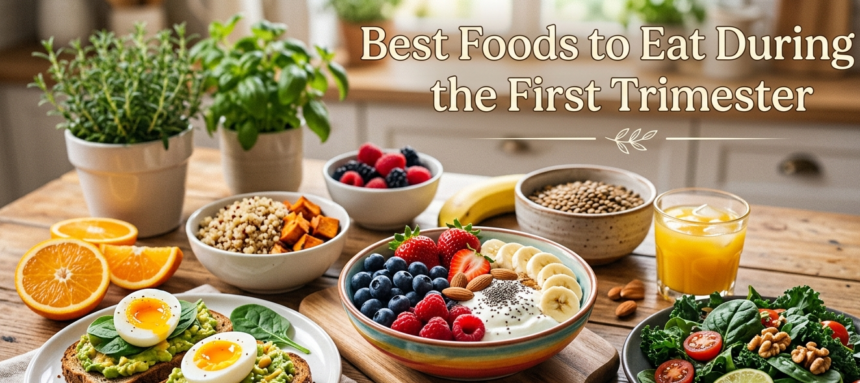
Understanding the First Trimester
The first trimester of pregnancy encompasses the initial 12 weeks from conception and is a crucial period for the developing fetus and the mother’s health. During these early weeks, the foundation for critical fetal development occurs, including the establishment of major organs and body systems. Therefore, understanding this trimester is essential for expectant mothers as it sets the stage for a healthy pregnancy.
Proper nutrition during the first trimester is of paramount importance. As the fetus grows, it relies heavily on the nutrients supplied by the mother’s diet. For instance, nutrients such as folic acid, iron, calcium, and essential fatty acids play vital roles in preventing neural tube defects and promoting healthy development. Mothers should prioritize a balanced diet rich in these nutrients to support fetal health and mitigate risks associated with nutrient deficiencies.
Beyond fetal development, the first trimester can significantly impact maternal health. Expecting mothers often experience a range of physical and emotional changes, including fatigue, nausea, and mood swings. A well-balanced diet can help manage these symptoms, providing the necessary energy and nutrients to support both physical and mental well-being. Foods rich in fiber, complex carbohydrates, and healthy fats can prove beneficial during this time, enhancing overall mood while ensuring the mother feels her best.
Additionally, dietary choices made during this trimester may influence long-term health outcomes for both the mother and child. Studies suggest that establishing healthy eating habits at this stage can lead to improved nutritional patterns later in life, thus reducing risks of obesity and related health issues. Therefore, recognizing the importance of food choices early on is vital for fostering a healthy relationship with nutrition throughout pregnancy.
Nutritional Needs in the First Trimester
The first trimester of pregnancy is a critical period marked by significant physical and hormonal changes in a woman’s body. During this stage, it is vital to ensure that both the mother and the developing fetus receive adequate nutrition. Nutritional needs increase during this time, necessitating a focus on certain vitamins, minerals, and macronutrients that play a crucial role in fetal development and maternal health.
One of the essential nutrients needed in higher quantities during the first trimester is folic acid. This B vitamin is fundamental in preventing neural tube defects and supporting overall brain and spinal cord development in the fetus. Pregnant women are recommended to consume at least 400 micrograms of folate daily, which can be achieved through foods such as leafy greens, nuts, and fortified cereals. Additionally, folic acid supplements may be advised to ensure sufficient intake.
Iron is another critical nutrient during this stage. As the body works to supply blood to the growing fetus, the need for iron increases to support hemoglobin production. A deficiency in iron can lead to anemia, which poses risks to both mother and baby. Excellent sources of iron include lean meats, beans, lentils, and dark leafy greens. To enhance iron absorption, pairing these foods with vitamin C-rich options like citrus fruits or bell peppers is recommended.
Calcium is also vital during the first trimester for the development of the baby’s bones and teeth. Pregnant women should aim for about 1,000 milligrams of calcium per day, which can be found in dairy products, fortified plant-based milk, and certain fish. Lastly, protein intake should be prioritized. It is essential for the growth of tissues and the production of hormones. High-quality protein sources include lean meats, eggs, dairy, and plant-based proteins like legumes and nuts.
Top Foods Rich in Folic Acid
Folic acid, also known as vitamin B9, is essential for pregnant women, particularly during the first trimester. It plays a crucial role in cell division and is instrumental in preventing neural tube defects (NTDs) and other developmental issues in the fetus. The recommended daily intake of folic acid for pregnant women is 600 micrograms, emphasizing the importance of incorporating folic acid-rich foods into your diet. Here are some of the top foods that can help you meet these dietary needs.
1. Leafy Greens: Dark, leafy vegetables are among the best sources of folic acid. Spinach, kale, and collard greens not only provide high amounts of vitamins but are also versatile for salads, smoothies, or cooked dishes.
2. Legumes: Foods such as lentils, chickpeas, and black beans are rich in folate. These beans can easily be added to soups, stews, and salads, making them a convenient choice for nutrient-dense meals.
3. Asparagus: This vegetable is particularly high in folic acid. Grilled or steamed asparagus makes for a delicious side dish or can be incorporated in salads and pasta.
4. Citrus Fruits: Oranges, lemons, and grapefruits are not only refreshing but offer a significant amount of folate. A glass of fresh orange juice in the morning can be an excellent way to boost your folic acid intake.
5. Nuts and Seeds: Almonds and sunflower seeds are good sources of folate and can be consumed as a snack or added to various dishes for added crunch and nutrition.
To effectively incorporate these folic acid-rich foods into your meals, consider adding legumes to your main dishes, including leafy greens in your salads, or snacking on citrus fruits and nuts throughout the day. By consciously including these foods in your diet during the first trimester, you not only support your health but also contribute positively to your baby’s development.
Iron and Protein-Rich Foods for Energy
The first trimester of pregnancy is a critical period that significantly influences both maternal health and fetal development. During this phase, many women experience increased fatigue, making it essential to focus on nutrition that supports energy levels. Iron and protein are two vital nutrients that play a crucial role in supporting these needs.
Iron is essential for producing hemoglobin, the protein in red blood cells responsible for transporting oxygen throughout the body. Adequate iron intake is particularly important during the first trimester as the body requires more oxygen to nourish the developing fetus. Common food sources rich in iron include lean meats such as chicken, turkey, and beef, as well as plant-based options like spinach, lentils, and fortified cereals. Consuming these foods can help prevent iron deficiency anemia and enhance energy levels during this time.
Protein also serves a significant purpose during early pregnancy as it contributes to the growth of fetal tissues, including the brain, and supports the development of vital organs. It is recommended that pregnant women increase their protein intake to ensure adequate support for both themselves and their growing baby. High-protein food sources include dairy products, eggs, beans, and nuts. Incorporating a mix of these foods into daily meals can help meet the increased demand for protein during the first trimester.
Combining iron and protein-rich foods can optimize energy levels and ensure that both mother and baby receive the necessary nutrients for healthy development. Meal planning that includes both nutrient types not only combats fatigue but also lays a solid nutritional foundation for the rest of the pregnancy. Therefore, consciously including iron and protein-rich options in regular meals is pivotal for a healthy first trimester.
Calcium Sources for Bone Development
During the first trimester of pregnancy, adequate calcium intake is essential for the development of the fetus’s bones and teeth. Calcium plays a crucial role in building a solid skeletal structure and ensuring healthy growth, especially in these early stages. The body requires more calcium during this period to support both the mother’s and the baby’s nutritional needs. While it is recommended that pregnant individuals aim for around 1,000 mg of calcium daily, understanding good sources of this crucial nutrient is vital.
Traditional dairy products serve as some of the richest sources of calcium, with options such as milk, cheese, and yogurt being highly recommended. A single serving of yogurt can provide approximately 300 mg of calcium, making it an excellent choice for expecting mothers. Additionally, cheese varieties like cheddar and mozzarella are also exceptional options, offering high calcium content in a small serving.
However, for those who are lactose intolerant or choose to avoid dairy, several non-dairy sources can provide an adequate amount of calcium. Leafy green vegetables such as kale and broccoli are good options, offering not only calcium but also other essential vitamins and minerals. Additionally, fortified non-dairy milk alternatives, such as almond, soy, or oat milk, often have added calcium, making these beverages beneficial substitutes.
Other noteworthy calcium-rich foods include almonds, tofu, and various fish with edible bones, such as sardines and canned salmon. Pregnant individuals should aim to incorporate a variety of these foods into their diet to ensure they’re receiving sufficient calcium. Consulting with a healthcare provider for personalized dietary advice is also recommended to ensure both mother and baby receive adequate nutrition for healthy development during this crucial timeframe.
Hydration and Its Importance
During pregnancy, hydration plays a crucial role in maintaining both maternal and fetal health. The body requires increased fluid intake to support the growth and development of the baby. Adequate hydration can also help alleviate common pregnancy symptoms, such as fatigue and morning sickness. Water is essential for various bodily functions, including the regulation of temperature, nutrient transportation, and the elimination of waste products, which is particularly important during the first trimester.
Notably, dehydration can impact energy levels, leading to feelings of lethargy and weakness. Pregnant women may find that staying well-hydrated can improve their overall mood, energy levels, and ability to manage daily tasks. It is recommended that pregnant women consume at least 8-10 cups of water per day, though individual needs may vary depending on activity levels and environmental conditions.
In addition to water, various hydrating foods can significantly contribute to fluid intake. For instance, fruits and vegetables with high water content, such as cucumbers, watermelon, oranges, and strawberries, offer both hydration and essential nutrients. Incorporating these foods into daily meals can not only satisfy thirst but also provide vital vitamins and minerals that support both maternal and fetal well-being. Additionally, consuming brothy soups and herbal teas can be effective ways of increasing fluid intake. It is advisable to limit caffeine and avoid sugary or carbonated beverages, as they may lead to dehydration or other health concerns during pregnancy.
By prioritizing hydration during the first trimester, pregnant women can enhance their overall health, support their developing baby, and improve their ability to cope with the physical and emotional changes that accompany this exciting journey.
Foods to Avoid During the First Trimester
During the first trimester of pregnancy, expecting mothers must exercise caution regarding their dietary choices. Certain foods can pose significant risks to both the mother and growing fetus. It is essential to be aware of these foods to minimize the chances of foodborne illness, which can have serious implications during pregnancy.
One primary category that should be avoided includes raw or undercooked animal products. This encompasses meats, poultry, and fish. Such foods can harbor harmful bacteria like Listeria and Salmonella, which can lead to severe complications. Additionally, pregnant women should steer clear of high-mercury fish, such as shark, swordfish, and king mackerel. These fish may contain elevated mercury levels, which can adversely affect fetal development.
Unpasteurized dairy products, including certain cheeses and milk, are also on the list of foods to avoid. These products might contain dangerous pathogens, including Listeria, that pose risks to both the mother and fetus. It is advisable for women in their first trimester to opt for pasteurized versions to ensure safety.
Processed foods that are high in sugar, saturated fats, and additives are best eliminated from the diet. These foods can lead to excessive weight gain and contribute to gestational diabetes risk. Instead, focusing on whole and more nutritious food options can promote better overall health during this critical period.
In conclusion, pregnant women in their first trimester should prioritize food safety and opt for well-cooked, pasteurized, and low-mercury food choices. Making informed decisions about diet will not only support the mother’s health but will also contribute positively to the development of the unborn child.
Meal Planning Tips for Expectant Mothers
Proper meal planning is crucial during the first trimester of pregnancy, as it helps ensure that expectant mothers receive the necessary nutrients for both themselves and their developing babies. The first step in successful meal planning is to focus on balanced meals that include a variety of food groups. Aim to incorporate fruits, vegetables, whole grains, lean proteins, and healthy fats into each meal. This diverse approach not only supports optimal health but also helps manage common symptoms associated with early pregnancy, such as nausea and fatigue.
When creating your meal plan, consider the specific nutritional needs during this period. Nutrients such as folate, iron, calcium, and omega-3 fatty acids are particularly essential. A well-rounded meal could include a serving of leafy greens, a lean protein like chicken or tofu, a portion of whole grains such as quinoa or brown rice, and a serving of healthy fats like avocado. This not only meets your nutritional requirements but also adds delicious flavors to your meals.
Shopping effectively is another vital component of meal planning. Prepare a grocery list based on your meal plan to ensure you have all ingredients on hand. Choose fresh, seasonal produce and opt for whole foods whenever possible. If time allows, consider batch cooking your meals during the weekends. Preparing meals in advance can save time during busy weekdays and helps prevent the temptation to rely on processed or unhealthy options.
Moreover, it can be beneficial to look for easy recipes that require minimal preparation. Simple dishes like stir-fries, salads, and smoothies can be nutritious, quick to prepare, and versatile. Experimenting with herbs and spices can also enhance the flavor without adding extra calories.
Ultimately, meal planning during the first trimester is not only about nourishment but also about fostering a positive relationship with food as you embark on this new journey of motherhood.
Listening to Your Body: Cravings and Nausea
During the first trimester of pregnancy, many women experience a range of physical changes that can significantly affect their eating habits. Commonly reported issues during this period include intense food cravings and nausea, both of which can challenge nutritional choices. Understanding how to navigate these challenges is essential to ensure both the mother and the developing fetus receive adequate nutrition.
Food cravings are a frequent occurrence for many women in early pregnancy, often influenced by hormonal fluctuations. These cravings can range from the desire for sweet treats to specific savory items. The key is to listen to your body while also making mindful choices. For example, if you’re craving sweets, consider healthier alternatives such as fresh fruits or yogurt, which can satisfy your sweet tooth while providing essential nutrients. Likewise, if salty snacks are calling your name, whole grain crackers or air-popped popcorn can offer satisfying options.
Conversely, nausea or morning sickness presents a different set of challenges. This condition can make eating seem daunting and may lead to limited food intake. For many, consuming small, frequent meals throughout the day is a helpful strategy. Incorporating bland foods such as crackers, toast, or bananas can help mitigate nausea. Staying hydrated is equally important, and sipping clear fluids or ginger tea may alleviate symptoms for some women.
Ultimately, balancing cravings while managing nausea is a critical aspect of maintaining a nutritious diet during the first trimester. Always consult with a healthcare provider for personalized advice, especially when navigating dietary changes. By staying attuned to your body’s responses and making thoughtful food choices, you can support your health and that of your growing baby during this crucial time.