The crib gets outgrown in a way nobody plans for. One morning, a toddler stands up, grips the top rail, and looks over it like it’s a fence worth testing. Time for a real bed, except a regular one feels too high and a bare mattress on the floor feels too open. Kids that age turn a lot in their sleep, and a flat mattress gives them no edge to stop against. That in-between spot is why low beds with rails keep showing up on parents’ shortlists. Rails provide a gentle boundary along the sides, while an open section lets a child climb in and out without help. Rail height and mattress size change how well that works, so it pays to look closer before ordering.
Features of Floor Beds with Rails
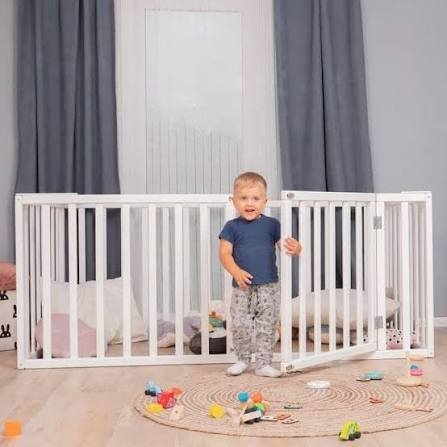
Picture a regular bed with the legs cut short and a guard added along the sides. The frame is a flat platform close to the floor with the mattress resting on slats. Rails run only part of the way down each side. That gap at one edge is on purpose; it’s the doorway. A crib has no doorway at all, only tall bars and a lot of lifting. A standard kids’ bed goes the other direction, with height and nothing to catch a roll. Floor models with rails sit between the two. Low enough to make getting in and out easier, with side rails that provide a defined edge around the sleeping area. They last longer than a crib too, since the mattress is bigger and on many models the rails come off later.
What Are the Rails For?
The obvious job of rails is keeping a child off the rug at midnight. They do that, but there’s more going on. Pillows and blankets stay on the bed, which saves a lot of picking up in the morning. During story time, a child can lean on a rail instead of slumping sideways. Rails also tell a young kid where sleeping happens, and that’s a real help when a new bed sits in a big room. Rail height should be considered alongside mattress thickness and the manufacturer’s specifications, since the usable height changes once the mattress is in place. Position matters too, since a rail along the full side and a rail with a gap behave very differently. One lets a sleepy child wander out in the dark; the other makes you carry them.
Key Criteria for Choosing a Bed with Rails
Rail height looks simple until you add the mattress. A thick one eats into it, so measure from the sleeping surface up. Gaps matter next. Anything between rails or slats should be too narrow for a small head or foot to slip through. Then check the mattress fit. The mattress should fit the frame exactly as specified by the manufacturer, with no hazardous gaps along the edges. Look for smooth, splinter-free wood, securely attached rails, and finishes with documented safety information suitable for children’s furniture. Shake the frame once it’s assembled. A bed that creaks and shifts under one adult hand won’t survive a jumping five year old, so tighten the bolts and recheck after a month.
How to Prepare the Room for a Floor Bed
Get down on your knees and look at the room from there. It’s the fastest check there is, and it takes two minutes. Anything a child can grab from the bed is now in play, so blind cords and lamp cables need attention first. Tall dressers should be bolted to the wall, because a child who can walk out of bed will also tug at the drawers. Leave a clear path from the bed to the door with no toy bins in the way. A thin rug beats a thick one, since thick ones catch small feet. Push heavy furniture a step back from the bed so there’s room for an adult to sit beside it. A low basket of books by the bed and a dim light near the floor make night trips easier on everyone.
Beds with Rails by BusyWood
BusyWood makes a Montessori floor bed with rails for families who want the low bed idea with a bit of safety built into the sides. The frames are wooden, so they feel solid under a hand and don’t flex when a child leans on them. Designs stay simple, with clean shapes that suit a plain nursery as easily as a busy one, and the rail layouts differ from model to model. Some cover more of the side, others leave more room to step out, which suits different ages. Wood tones and finishes come in a few options, handy if the room already has furniture you don’t plan to replace. The product pages list heights and sizes, so you can check the numbers before ordering anything.
Floor beds with rails look alike in photos and behave very differently at home. A frame that runs too long eats half the floor, and a mattress that doesn’t match the frame leaves gaps where small hands end up. Rails set too tall make a sleepy exit a chore, while rails set too short barely do their job. Wobbly joints show up fast, and a bed with no safety checks behind it isn’t worth the discount. Choose a size that fits the room and a rail layout that makes everyday use comfortable. The right choice comes down to the details that matter in everyday use.