
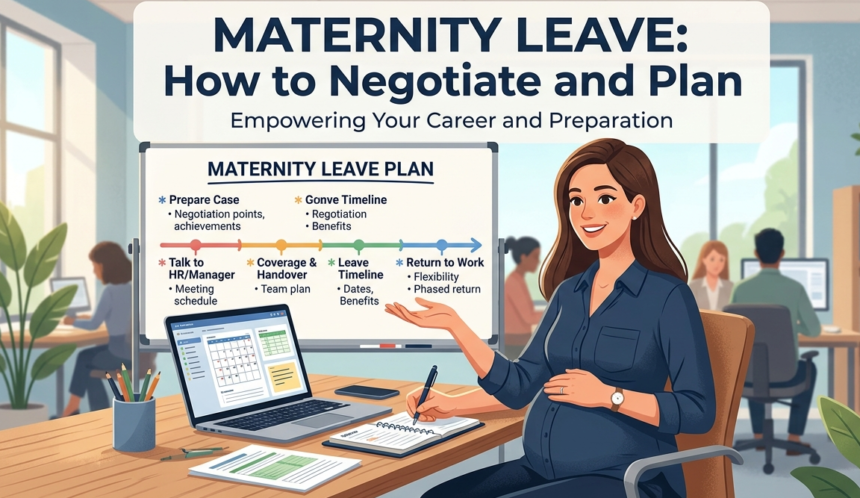
Understanding Maternity Leave Policies
Maternity leave policies vary significantly across different industries and countries. At their core, these policies are designed to support new mothers, allowing them to take time off work to recuperate and bond with their newborn. Understanding these policies is essential for navigating the often complex landscape of maternity leave.
Commonly, maternity leave is categorized into several types: paid leave, unpaid leave, and parental leave. Paid maternity leave provides mothers with a percentage of their salary during their absence, while unpaid maternity leave allows for job protection without a salary compensation. Parental leave, which may include both mothers and fathers, extends beyond the maternity period and is aimed at enhancing the ability of parents to care for their children during their formative months.
The duration of maternity leave also differs widely. In some countries, such as Sweden and Norway, new mothers can avail themselves of long-term paid leave lasting up to a year or more, promoting family bonding and child development. In contrast, other countries may only mandate a few weeks of paid leave, leaving mothers to negotiate additional time off with their employers.
Legal rights and protections for new mothers are an important aspect of maternity leave policies. In many jurisdictions, laws protect employees from discrimination and ensure that they can take maternity leave without fear of job loss. For example, the Family and Medical Leave Act (FMLA) in the United States provides eligible employees with up to 12 weeks of unpaid leave while maintaining job security.
Understanding these policies is crucial for expectant mothers planning their maternity leave, as it enables them to exercise their rights and prepare accordingly. Being informed will not only contribute to a more effective negotiation process with employers but also allow for a smoother transition into motherhood.
Timing Your Leave
Timing your maternity leave is a crucial aspect of planning for this significant life transition. To effectively determine when to start your leave, it is essential to consider a variety of factors, including your medical needs, personal preferences, and professional obligations. Early discussions with healthcare providers can provide insights on the appropriate time to commence your leave based on individual health circumstances and the expected delivery date.
Many expectant mothers aim to begin their maternity leave a few weeks before the expected due date. This approach allows for necessary rest and preparation for the arrival of the newborn, while also accommodating any unforeseen medical needs that may arise in the later stages of pregnancy. However, the decision should also reflect personal circumstances, such as the need for a smooth transition in work responsibilities and ensuring coverage of tasks during your absence.
Furthermore, balancing work obligations with the impending arrival of a child can be challenging. Communicating with your employer about your expected leave duration and potential return date is beneficial. This dialogue helps set clear expectations and facilitates a plan that addresses both your needs and those of the organization. Consider crafting a transition plan for your remaining colleagues, outlining essential tasks and responsibilities that will require attention during your maternity leave.
Ultimately, timing your maternity leave is about creating a balance that best suits your physical and emotional well-being while also fulfilling your work responsibilities. Taking the time to thoughtfully assess your situation and discuss it with your employer can lead to a more manageable and positive maternity leave experience.
Preparing for Your Absence
Preparing for your maternity leave is an essential step in ensuring that both you and your workplace can handle your temporary absence effectively. Begin by conducting a comprehensive assessment of your current responsibilities and ongoing projects. Identify tasks that will require attention during your leave and prioritize them according to urgency and complexity.
Delegating tasks is crucial at this stage. Engage with your team members early on to discuss their workload and identify who would be best suited to take over specific responsibilities. Offering detailed documentation on ongoing projects, including timelines and critical deliverables, can facilitate a smoother transition for your colleagues. Regular check-ins leading up to your leave can help clarify any outstanding questions they may have.
Moreover, informing relevant colleagues and stakeholders about your upcoming maternity leave is vital. Clearly communicate your expected return date and who will be the designated point of contact during your absence. This step enhances accountability and ensures that everyone is aware of their roles while you are away.
Additionally, consider setting up a communication plan. Decide how you would like to handle emails, urgent inquiries, and any other company communications during your leave. You might opt for an out-of-office response, directing queries to your designated team member or postponing non-urgent communications until your return. This proactive approach will contribute to maintaining workflow continuity and alleviate any pressure on you as you transition into this significant life phase.
By carefully planning and organizing your responsibilities, you can ensure that your maternity leave is a positive experience for both you and your team, thus paving the way for a seamless return to work post-maternity leave.
Constructing Your Leave Proposal
When drafting a maternity leave proposal, it is crucial to include essential details that will facilitate a smooth discussion with your employer. The first step in creating a compelling maternity leave proposal is to clearly outline the start and end dates of your leave. Providing specific dates gives your employer a concrete timeframe and allows them to plan accordingly. It is advisable to consider your due date and consult with your healthcare provider to determine how much time may be necessary for recovery and bonding with the newborn.
Next, address the impact on your team. This involves explaining how your absence may affect your current projects and responsibilities. Offering insight into your current workload can demonstrate that you are conscientious about your role within the organization. A well-considered proposal may include a list of tasks that must be managed in your absence, as well as an assessment of potential impacts on team productivity and morale.
Moreover, it is beneficial to provide a structured plan for covering responsibilities. This can include suggestions for interim coverage, such as identifying colleagues who might take on specific tasks or proposing temporary adjustments in workflows. Providing a recommendation for training sessions or informational handovers can also ease the transition during your maternity leave and reassure your employer that productivity will be maintained.
Lastly, address your flexibility in the arrangement. Expressing a willingness to work on a transitional basis before and after your leave, such as through reduced hours or remote work, can indicate your commitment to your role. This flexibility may foster goodwill, making it easier for your employer to grant your request. Crafting a thoughtful and comprehensive maternity leave proposal increases the likelihood of a positive discussion with your employer.
Negotiating Your Leave Terms
Negotiating maternity leave can feel daunting, but with the right approach, you can secure favorable terms that meet your needs. The key to a successful negotiation is preparation. Start by reviewing your company’s maternity leave policy and any pertinent labor laws in your area. Understanding what is legally mandated versus what your employer offers will give you a solid foundation for your discussion.
When you are ready to initiate the conversation, choose an appropriate time to meet with your supervisor or human resources representative. It is best to approach this discussion when they are not preoccupied or under stress. Frame the conversation around your commitment to your role and how a mutually agreeable leave plan can benefit both you and the organization. This can help your employer see the negotiation not just as a personal request, but as a means to maintain productivity and morale within the team.
Be clear about your needs—whether you prefer an extended leave or a flexible work arrangement. Anticipate potential pushbacks by preparing responses that address your employer’s concerns. For example, if they worry about workload, propose a plan for transitioning your responsibilities or suggest temporary coverage options. Showing that you have thought through the impact of your leave demonstrates your professionalism and reinforces your commitment to your position.
Finally, while negotiating, remain open to alternatives. Employers may offer creative solutions such as part-time work during the transition or additional unpaid leave. Approaching the negotiation with flexibility allows for a more productive discussion and can lead to an arrangement that fulfills your needs without alienating your employer.
Understanding Your Rights
Employers are legally obligated to provide certain rights to employees concerning maternity leave. The Family and Medical Leave Act (FMLA) in the United States serves as a cornerstone legislation that entitles eligible employees to take unpaid, job-protected leave for specific family and medical reasons, including maternity leave. Under FMLA, eligible employees can take up to 12 weeks of leave within a 12-month period for the birth of a child, adoption, or foster care placement, ensuring they may take time off without fear of losing their job. It is critical to note that this act applies only to employers with 50 or more employees within a 75-mile radius.
Other countries have implemented similar laws and regulations that safeguard maternity leave rights. For instance, in the United Kingdom, maternal rights are protected under the Maternity and Parental Leave Regulations, allowing mothers to take up to 52 weeks of leave, comprised of 26 weeks of ordinary maternity leave and 26 weeks of additional maternity leave. Furthermore, during this period, employees may be entitled to statutory maternity pay or maternity allowance, significantly easing financial concerns during the transition into parenthood.
It is important for employees to be aware that these rights vary significantly between countries and may depend on other factors such as length of employment, full-time or part-time status, and income levels. For instance, in Canada, maternity and parental leave policies differ by province, with many offering a combination of job protection, maternity pay, and benefits. For international employees or those working in multinational companies, understanding local regulations alongside company policies is paramount.
Employees should consult their employee handbook or HR department to gain clarity on their specific rights regarding maternity leave. Keeping informed on local regulations and discussing entitlements ahead of time can help clarify expectations and navigate this critical period smoothly.
Navigating Employer Discussions
Engaging in discussions with employers regarding maternity leave can be a crucial and sometimes daunting responsibility for expectant parents. To navigate this conversation effectively, preparation is key. Begin by thoroughly reviewing your company’s maternity leave policy and understanding your rights under applicable laws. This foundational knowledge not only empowers you to discuss the topic confidently but also helps ensure that your expectations align with company standards.
When scheduling a meeting with your employer or HR representative, choose a time that is conducive to an open and focused discussion. Ensure that you set aside sufficient time to address your questions and concerns. Clear communication is vital; express your intentions about your maternity leave in a straightforward manner. Articulate how and when you envision taking your leave, as well as how it might impact your role and responsibilities. Improving understanding can mitigate potential apprehensions your employer may have.
Anticipate possible concerns they might raise about coverage during your absence and be prepared to discuss potential solutions. Proposing a plan for delegating your tasks or training colleagues beforehand can reassure your employer that you are committed to the team’s success, even while on leave. Emphasize your willingness to collaborate on a flexible return-to-work plan that may include options such as part-time arrangements or remote work, enhancing the likelihood that your employer will be amenable to your proposals.
Lastly, practice active listening during discussions. Acknowledging your employer’s perspective can create a more cooperative atmosphere. Ensure that you follow up with a written summary of what was discussed to reinforce the agreement and provide clarity on both sides. This approach not only demonstrates professionalism but also serves as a reference point for future conversations. By effectively engaging in discussions about maternity leave, you can navigate this process with confidence and clarity.
Post-Leave Transition Planning
Transitioning back to work after maternity leave can be both exciting and challenging for many new parents. To facilitate a smoother reintegration into the workplace, it is important to have a structured plan that addresses various aspects of life at home and at work.
One of the critical considerations is the strategy for a gradual re-entry. Instead of jumping back into a full workload immediately, employees may benefit from negotiating a phased return. This could involve starting with part-time hours or flexible working arrangements that allow for a gradual build-up to full-time responsibilities. Discussing options with a supervisor in advance can help set expectations and alleviate any initial stress of returning to the office.
Childcare arrangements are another necessary aspect to factor into planning for your return. Early discussions with potential childcare providers can ensure that adequate support is available during work hours. Whether opting for daycare, a nanny, or sharing care with family members, securing reliable childcare is crucial for peace of mind while focusing on work duties.
Furthermore, maintaining a healthy work-life balance is essential during this transitional period. Creating a schedule that designates specific times for work and family can help prevent overlaps that may lead to feelings of being overwhelmed. Staying organized, perhaps through the use of planning tools or apps, can assist in managing both work commitments and family responsibilities effectively.
Ultimately, open communication with both colleagues and family members can foster a supportive environment during this transition. Sharing feelings, discussing workload, and seeking assistance when needed can make returning to work after maternity leave a more manageable experience.
Additional Resources and Support
Preparing for maternity leave encompasses not only understanding your rights but also tapping into various resources that can provide guidance and support. One valuable resource is the myriad of online forums and support groups designed specifically for new mothers. Platforms like Mothering and Maternity Stack Exchange offer mothers the opportunity to connect, share experiences, and seek advice from others who have navigated the same challenges.
In addition to support groups, online portals that focus on maternity leave policies can be incredibly beneficial. Websites like Pregnancy.org and the U.S. Department of Labor provide extensive information on maternity rights, including eligibility for leave, pay entitlements, and how to approach conversations with employers about your leave plan.
Furthermore, local community centers often host parenting classes and workshops that focus on the transition to motherhood. These resources not only provide essential information about maternity leave but also promote emotional well-being by allowing mothers to build supportive networks. Consider checking with your healthcare provider or local hospital for classes tailored to expecting parents.
Finally, engaging with professional organizations, such as the American Association of Obstetricians and Gynecologists, can also enhance your understanding of maternity leave rights and offer resources that align with current legislation. These organizations frequently provide updates on advocacy efforts, webinars, and additional reading materials, all aimed at empowering mothers during this critical time.