
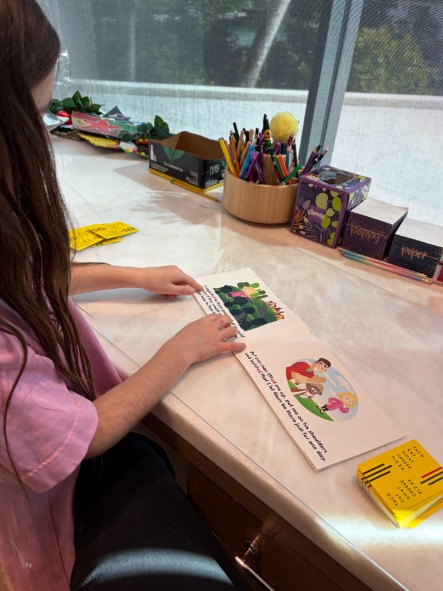
Kindergarten looks like the year a child learns to read, and for many it is mostly a year of memorizing a list of common words by sight. That works well enough until first grade, when the reading demand jumps sharply and a memorized list stops being enough. The gap between what one grade teaches and what the next expects is where a young reader’s confidence is often made or lost.
Sight Words Are Recall, Not Reading
Much of early kindergarten reading is built on sight words, the common words a child learns to recognize by their shape, like the, and, was, and said. A child can memorize a few dozen of them and appear to be reading simple books. The catch is that recognizing a memorized word and reading are not the same thing. Memorizing gives a child no way to handle a word they have not seen before, because there is no method underneath it, only recall. It looks like reading while the words stay familiar, and it stalls the moment they stop being familiar.
The First Grade Jump Is Steep
First grade raises the bar fast. A child is suddenly expected to read across subjects and absorb far more material than the year before, and the texts are full of words no one pre-taught. A child who only memorized a list has no tool for that flood of new words and begins to slip behind, often without anyone catching why. A child who can decode, sounding words out from their letters, meets the same flood with a method that works on words they have never encountered. This is the gap a strong Kindergarten Reading Program in New York is built to close, handing a child the decoding method before the demand arrives rather than after.
Confidence Follows the Foundation
The part that lasts longest is not academic. A six year old who starts struggling while classmates read fluently draws a quick conclusion about themselves, and that early sense of being behind is hard to undo. The reverse holds too. A child who reaches first grade already reading meets the year with the quiet assurance that they can, and that assurance tends to compound across the grades that follow. Same skill gap, very different path for the child carrying it.
Building It Before It Is Needed
The most effective time to build these skills is before a child needs them, not after the struggle has started. Play-based phonics instruction at the preschool and kindergarten stage, paired with an assessment that meets each child where they are, lays down the decoding foundation while the stakes are still low. Programs grounded in early, phonics-first literacy tend to work on that foundation ahead of the first grade jump rather than waiting to see which children slip behind and then trying to catch them up.
The child who reads comfortably in first grade usually learned the actual skill a year or more earlier. Kindergarten can teach a list of words, but the reading that holds up is built on being able to sound out the ones that were never on the list.


