
Key Takeaways
- Dental implants and dentures both replace missing teeth, but they use different approaches.
- Implants are placed in the jaw and support a crown, bridge, or denture, while traditional dentures are removable restorations.
- The right option depends on oral health, medical history, bone availability, lifestyle, treatment timeline, and budget.
- Implant-supported dentures can provide added retention for patients replacing a full arch of teeth.
- A personalized exam is essential before deciding which option fits your needs.
For people balancing busy workdays, family commitments, and community life in The Woodlands, missing teeth can affect more than a smile. Chewing, speaking, confidence, and daily comfort may all change. Patients exploring dental implant options Woodlands, TX, can consult Dental Specialists & Implant Center, a The Woodlands practice focused on implant dentistry, full-mouth tooth replacement, and implant-supported restorations. Its implant care page explains treatment options offered through a practice led by a board-certified periodontist. There is no universal winner in the dental implants versus dentures decision. A person replacing one front tooth may have very different priorities from someone who needs a complete upper or lower arch restored. The most useful choice is one that supports oral health, everyday function, and a maintenance routine the patient can realistically follow.
Why The Choice Matters
A replacement tooth should do more than fill a visible space. It should help a patient eat comfortably, speak clearly, maintain a balanced bite, and feel at ease during everyday conversations. Choosing based only on the lowest initial price or the appearance of a finished smile can leave important treatment considerations unaddressed. Understanding the practical differences is a good starting point. This overview of dental implants and dentures from Ohio State explains that both can replace missing teeth, but each involves distinct treatment steps, care needs, and adjustments.
How Each Option Works
Dental Implants
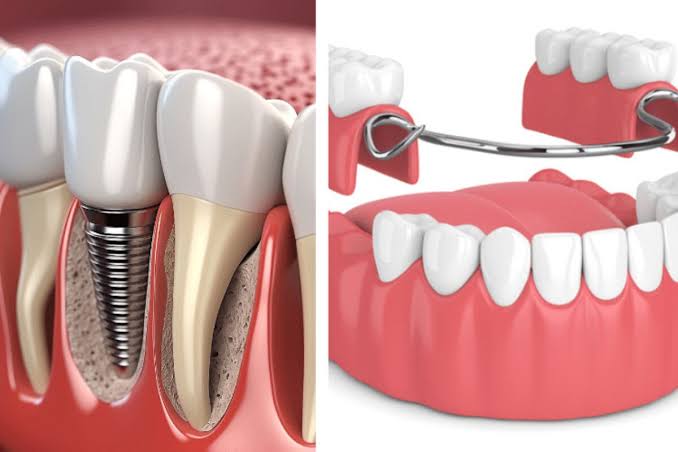
A dental implant is a surgically placed post that serves as support within the jaw. After healing, it may be restored with a single crown, a bridge, or a full-arch restoration. The exact number of implants and the restoration design depend on the teeth being replaced, the bite, and the available bone.
Traditional Dentures
Full dentures replace all teeth in an upper or lower arch. Partial dentures replace several missing teeth while working around remaining natural teeth. Both are removable, and they must be taken out for regular cleaning. A denture may require adjustments over time as oral tissues and bone change.
Implant-Supported Dentures
Implant-supported dentures combine elements of both choices. Implants provide retention and support, while the restoration may be removable or fixed. This approach can be worth discussing when a conventional denture feels loose, when adhesive is frustrating, or when a patient does not need an individual implant for every missing tooth.
Daily Comfort And Function
Comfort is personal. A well-made traditional denture can be a practical solution, particularly for patients who prefer a removable appliance or want to avoid surgery. Still, it may take time to adapt to speaking and eating with a new denture. Fit can also change, especially after teeth are removed or as supporting tissues remodel. Implants anchor implant-supported restorations, helping them feel more stable during meals, conversation, and social occasions. Patients should compare the daily realities of each option:
- Chewing firmer or sticky foods
- Speaking clearly during meetings or gatherings
- Removing and cleaning the restoration
- Using denture adhesive, if needed
- Managing repairs, relines, or replacement parts
- Keeping follow-up dental appointments
Oral Health And Jawbone Support
Natural tooth roots transmit forces to the jaw during chewing. After tooth loss, the bone in that area can change over time. Because implants are placed in the jaw, they provide support where a tooth root once was. Traditional dentures rest on the gums and underlying tissues rather than replacing the root structure. That distinction does not make implants automatic for every patient. Gum disease, untreated decay, medical conditions, smoking, medication use, and bone volume can influence treatment planning and healing. Implant restorations and dentures both need consistent hygiene. Dental plaque can accumulate on natural teeth and prosthetic surfaces, which is why routine cleaning remains important for all types of restorations.
Treatment Time And Recovery
Dentures may be completed sooner in some situations, particularly when they are fabricated as immediate or conventional removable restorations. Implant treatment often takes longer because it can include surgery, healing, and later placement of the final crown, bridge, or denture. Some cases also require preparatory treatment.
Typical Planning Steps
- Complete an exam and review medical and dental history.
- Evaluate gums, remaining teeth, bite, and bone support.
- Take dental imaging when appropriate.
- Discuss extractions, periodontal treatment, or grafting if needed.
- Review temporary tooth replacement and final restoration choices.
- Establish home-care instructions and follow-up expectations.
Cost And Long-Term Care
The initial fee is only one part of the financial picture. A complete estimate may include exams, imaging, extractions, grafting, surgical treatment, temporary teeth, the final restoration, future relines, repairs, and maintenance visits. Insurance coverage varies, so patients should request a written explanation of what is and is not included. Useful questions include whether a temporary restoration is part of the plan, how repairs are handled, and what future maintenance may cost. Dentures can need relines or replacement as the fit and materials change. Implant restorations also need professional monitoring and may eventually need repair or replacement of components.
Who May Benefit From Each Option
Implants May Be Worth Discussing When:
- A patient wants a fixed or more securely retained restoration.
- Bone and gum conditions are suitable, or can be prepared for treatment.
- The patient is healthy enough for the planned procedure.
- The patient can commit to home care and ongoing dental visits.
Traditional Dentures May Be Worth Discussing When:
- A patient prefers to avoid implant surgery.
- Multiple teeth need replacement at once.
- A removable treatment is preferred.
- Budget, health factors, or anatomy make implants less suitable.
Questions To Ask Before Treatment
- Which treatments fit the number and location of my missing teeth?
- Are my gums and remaining teeth healthy enough for the proposed plan?
- Is there enough bone for implants, and would grafting be needed?
- What will I need to clean at home each day?
- What risks, limitations, and maintenance needs should I expect?
- What does the full estimate include, both now and later?
Final Decision Checklist
Before moving forward, consider health, comfort, function, timing, and long-term upkeep together. The best plan should meet your eating and speaking goals, fit your budget with clear expectations, and remain manageable years after treatment is complete. Patients should also consider the condition of their gums and remaining teeth, available bone support, medical history, treatment timeline, recovery requirements, and the type of maintenance needed for each option. Understanding the potential benefits, limitations, additional procedures, and total costs can make it easier to prepare for the treatment process and avoid unexpected decisions later. A thorough consultation can help The Woodlands patients compare every suitable alternative, ask questions about risks and follow-up care, and choose an approach that fits their individual needs and long-term oral health goals.


