
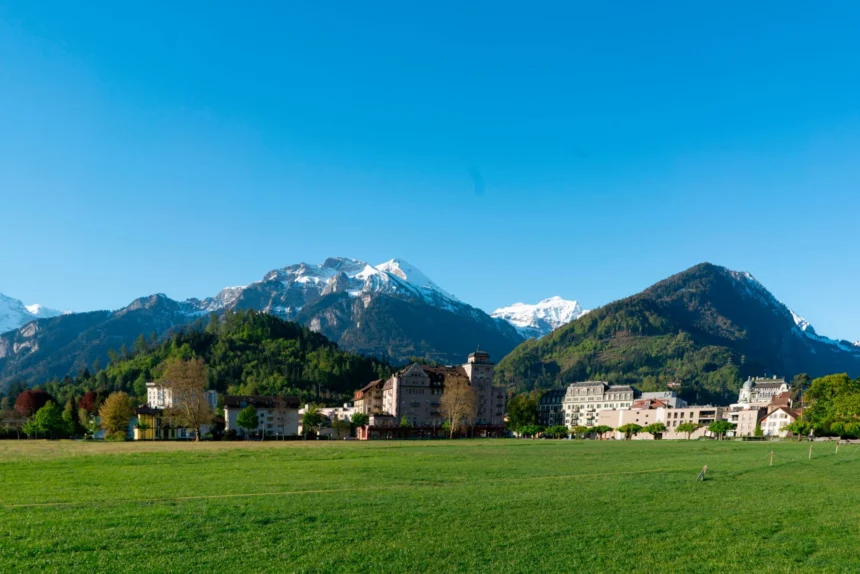
Relocating to Switzerland with family opens exceptional career opportunities and provides access to an enviable quality of life. Among the many essential priorities for expatriate parents, selecting an ideal educational path for their children remains paramount. The Swiss educational landscape is widely celebrated for its academic rigor, multilingual exposure, and commitment to holistic student development.
Because the nation hosts numerous multinational corporations, diplomatic headquarters, and research institutions, a specialized network of global schools has flourished across every canton. Parents researching options often turn to expert educational guides and online comparisons of Switzerland international schools to evaluate curriculum structures, language support programs, and boarding facilities before taking definitive steps.
Why Switzerland Represents a Global Benchmark in Education
Switzerland has long held a global reputation as a pioneer in modern educational philosophies. From the foundational methods of Pestalozzi and Piaget to the modern expansion of global diploma models, Swiss institutions emphasize balanced intellectual, social, and physical growth.
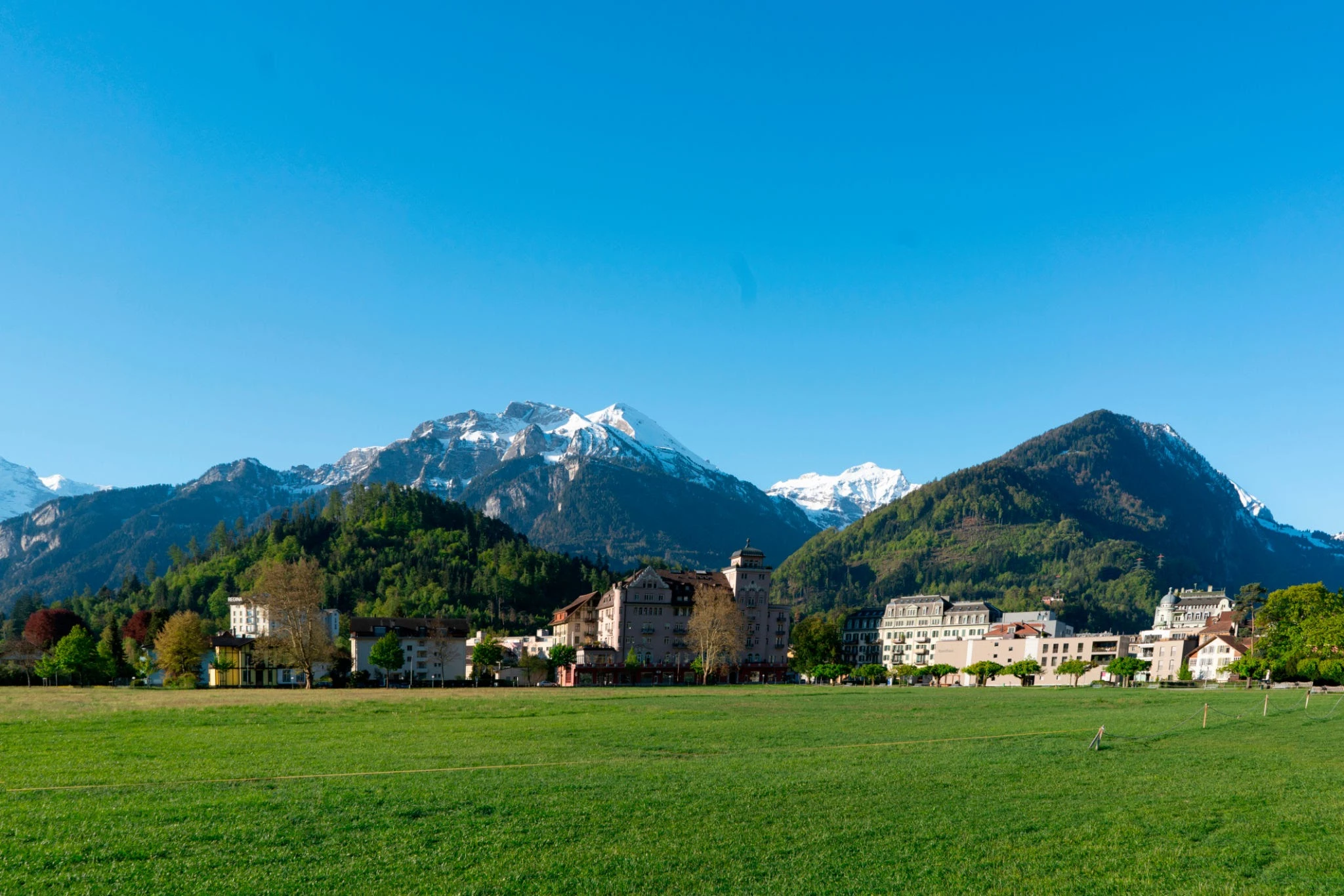
Living in a central European hub exposes students to a genuinely multicultural environment on a daily basis. Children naturally build cross-cultural competencies while surrounded by peers representing dozens of nationalities. Furthermore, the safe infrastructure and clean environment allow campuses to incorporate outdoor education, winter sports, and environmental science directly into their core learning activities.
Understanding the Primary Curriculum Pathways
Selecting the right academic program depends heavily on your family’s future mobility, your child’s learning preferences, and long-term university goals. Swiss global campuses typically feature one or more established international programs.
The International Baccalaureate Continuum
The International Baccalaureate (IB) framework originated in Geneva and remains one of the most widely adopted pathways across the country. It spans the Primary Years Programme (PYP), Middle Years Programme (MYP), and the rigorous Diploma Programme (DP). The IB emphasizes inquiry-based learning, critical thinking, community service, and independent research, preparing students for prestigious universities worldwide.
The British National Curriculum
Ideal for families accustomed to the UK system or planning a future transition to British higher education, this route follows Key Stages leading to International GCSEs and A-Levels. It allows students in their final two years of school to specialize deeply in three or four chosen subjects, aligning with specific career paths such as medicine, engineering, law, or humanities.
The American High School Diploma and AP Courses
Offering flexibility and broad foundational learning, the American pathway culminates in a High School Diploma. Students can take Advanced Placement (AP) courses in specific subjects to gain college-credit qualifications recognized by universities across North America and Europe.
The Swiss Maturité and Dual Pathways
Some private institutions offer bilingual tracks that combine global curricula with the local Swiss Maturité or Matura. This dual-pathway approach ensures seamless entry into top Swiss public universities such as ETH Zurich or EPFL, while keeping global higher education doors open.
Essential Criteria to Evaluate Before Making a Decision
Comparing educational institutions requires evaluating both academic excellence and daily practical realities to ensure a smooth transition for the whole family.
- Language Acquisition and Support: Determine whether the campus offers dedicated English as an Additional Language (EAL) modules, alongside structured German, French, or Italian immersion courses reflecting the local language region.
- Class Sizes and Pastoral Care: Look for favorable teacher-to-student ratios that enable personalized mentoring, active wellbeing monitoring, and individual goal-setting.
- Facilities and Extracurricular Life: Evaluate campus amenities such as STEM laboratories, performing arts centers, sports complexes, and seasonal outdoor activity programs.
- University and Career Counseling: Review the track record of higher education guidance counselors in assisting students with university admissions across the UK, US, Europe, and Switzerland.
- Commute and Logistics: Consider the daily proximity to major transport hubs or urban centers, as well as the availability of supervised bus transportation networks.
Day School vs Boarding Options
Switzerland is home to some of the world’s most prestigious private boarding campuses alongside dynamic urban day schools. Deciding between these settings depends on your family’s lifestyle and professional commitments.
Urban day schools cater primarily to resident expatriate families living near major cities such as Zurich, Geneva, Lausanne, Basel, or Zug. These institutions foster strong local parent-teacher communities and encourage daily family involvement.
Conversely, historic Swiss boarding schools offer immersive residential programs set in scenic alpine or lakeside locations. They provide structured academic supervision, round-the-clock pastoral care, and rich weekend activity programs that build lifelong global friendships and self-reliance in young adults.
Conclusion
Choosing among the premier international schools in Switzerland is a major milestone in your family’s journey. By aligning your selection with your child’s age, personality, language needs, and university aspirations, you provide them with a world-class foundation for lifelong success. Take time to review comprehensive school directories, attend open events, and visit campuses in person to choose your ideal educational partner with total peace of mind.


