
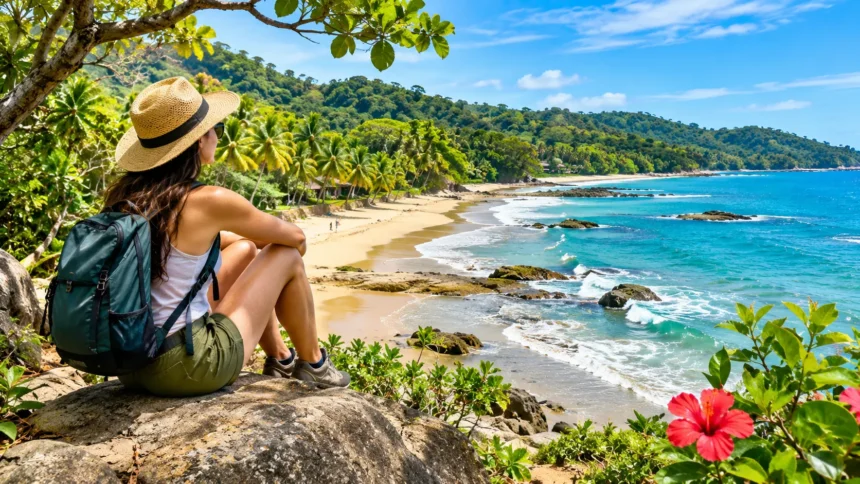
Imagine planning a tropical vacation only to discover crowded beaches, expensive resorts, and busy tourist attractions. You wanted somewhere peaceful, surrounded by nature and authentic local experiences. Instead, your vacation feels just as hectic as everyday life.
Montezuma Costa Rica offers a refreshing alternative with its tropical forests, beautiful waterfalls, picturesque beaches, and relaxed coastal atmosphere. This small village attracts travelers who appreciate natural beauty, wildlife, and a slower pace of life.
However, visiting a lesser-known destination requires some preparation. From transportation options to hidden attractions, this guide explains everything you need to know before planning your Montezuma vacation.
Where Is Montezuma Costa Rica?
Montezuma is a small coastal village located near the southern tip of the Nicoya Peninsula in Costa Rica’s Puntarenas Province. It sits along the Pacific coastline, surrounded by tropical vegetation, rocky shores, and sandy beaches. Its natural surroundings make it particularly attractive to nature lovers.
Unlike larger resort destinations, Montezuma maintains a relatively relaxed atmosphere. Small restaurants, independent hotels, local businesses, and colorful buildings contribute to its distinctive character. Visitors can enjoy nature without constantly navigating busy commercial areas.
However, its location means reaching Montezuma requires more planning than visiting destinations near major international airports. Understanding your transportation options beforehand can make the journey considerably easier.
What Makes Montezuma Costa Rica Worth Visiting?
Popular tourist destinations sometimes lose their original character as commercial development increases. Travelers looking for a more personal experience may find these locations overwhelming. Montezuma provides a different kind of coastal vacation.
Some of the main reasons to visit Montezuma include:
- Beautiful tropical beaches.
- Forest trails and natural waterfalls.
- Diverse wildlife and protected reserves.
- Relaxed village atmosphere.
- Independent restaurants and local businesses.
- Scenic coastal landscapes.
- Opportunities to experience Costa Rican culture.
- Accommodation for different travel budgets.
Montezuma appeals to travelers who value experiences rather than luxury attractions alone. Whether you enjoy observing wildlife, exploring nature, or relaxing near the ocean, this coastal village offers numerous possibilities.
10 Best Things to Do in Montezuma Costa Rica
Planning activities in an unfamiliar destination can become overwhelming. You may worry about missing important attractions or spending too much time traveling between locations. Fortunately, many of Montezuma’s highlights are located within the surrounding region.
The following ten attractions combine popular landmarks with quieter natural experiences. Choose activities according to your interests, available time, and local weather conditions.
1. Visit the Montezuma Waterfalls
The Montezuma waterfalls are among the village’s most recognizable natural attractions. Surrounded by tropical vegetation, the cascading water creates a beautiful setting for photography and nature observation. The main waterfall reaches approximately 20 meters in height.
Walking routes toward the waterfalls can become uneven, muddy, and slippery. Check current trail conditions, wear suitable footwear, and consider visiting with an accredited local guide. Avoid climbing wet rocks, jumping from waterfalls, or entering dangerous water.
2. Relax at Playa Montezuma
Playa Montezuma is located beside the main village, making it convenient for visitors staying nearby. The beach combines sandy areas, rocky formations, and tropical vegetation. Its coastal scenery provides a peaceful setting for relaxing.
Spend time enjoying the ocean views, photographing the coastline, or resting beneath shaded areas. Ocean conditions can change quickly, and strong currents may make swimming unsafe. Always follow local safety warnings and lifeguard guidance.
3. Discover Playa Grande
Playa Grande is a quieter beach located north of Montezuma. Its expansive shoreline and surrounding tropical vegetation create a beautiful natural setting. Visitors looking for coastal scenery away from the village center may particularly enjoy this destination.
The coastal route passes through natural areas and requires attention to weather and trail conditions. Confirm suitable access with local guides before visiting. Bring drinking water, sun protection, and respect the protected habitats surrounding the beach.
4. Explore Cabo Blanco Absolute Natural Reserve
Cabo Blanco is one of Costa Rica’s most historically significant protected natural areas. Established in 1963, it helped establish the country’s conservation movement. The reserve protects important forest ecosystems and coastal habitats.
Visitors may encounter monkeys, birds, butterflies, and other wildlife along designated trails. Wildlife sightings are never guaranteed, but the natural surroundings offer plenty to appreciate. Confirm opening days, entrance requirements, and trail availability before traveling.
5. Take a Guided Trip to Tortuga Island
Tortuga Island is known for its picturesque beaches and tropical coastal scenery. Organized excursions are available from the surrounding Nicoya Peninsula, including Montezuma. These trips provide opportunities to experience the region from a different perspective.
Choose a reputable tour operator that follows marine safety requirements and provides appropriate safety equipment. Activities depend on weather and sea conditions. Visitors can also enjoy the island’s scenery without participating in water-based activities.
6. Discover Piedra Colorada
Piedra Colorada is a small coastal area north of Montezuma. Its colorful stones, freshwater stream, and surrounding vegetation create an interesting contrast to the larger beaches. The location offers a quieter natural experience.
The area is particularly appealing to visitors interested in photography and coastal landscapes. Check access conditions and avoid entering unfamiliar water. Leave stones, shells, and other natural materials where you find them.
7. Visit Curú Wildlife Refuge
Curú Wildlife Refuge is located on the southern Nicoya Peninsula near Paquera. It protects several ecosystems, including tropical forests, coastal habitats, and mangroves. These environments support a diverse range of wildlife.
Visitors may observe white-faced monkeys, howler monkeys, birds, and other native animals. Guided wildlife experiences can help you understand the area’s biodiversity. Maintain a respectful distance from animals and avoid feeding or touching them.
8. Experience the Local Village Atmosphere
Traveling does not always require following a packed sightseeing schedule. Sometimes, the most memorable experiences come from exploring ordinary streets and interacting with local communities. Montezuma’s village center provides opportunities to experience this slower approach.
Explore independent shops, discover local artwork, and enjoy traditional Costa Rican dishes. Take time to appreciate the colorful buildings and relaxed surroundings. Supporting locally owned businesses also contributes to the community’s economy.
9. Learn About Romelia Wildlife Refuge
Romelia Wildlife Refuge protects important coastal habitats near Montezuma. Its surrounding beaches and forests provide valuable environments for native wildlife, including nesting sea turtles. Conservation activities help protect these sensitive ecosystems.
Visitors interested in sea turtle conservation should inquire about authorized educational experiences. Turtle nesting and sightings depend on the season and natural conditions. Always follow conservation guidelines and avoid disturbing nesting areas.
10. Enjoy the Natural Scenery Around Cabuya
Cabuya is a small coastal community located south of Montezuma. It offers a quieter atmosphere, beautiful ocean views, and access to the surrounding natural landscape. Its slower pace appeals to travelers seeking an authentic coastal experience.
Spend time appreciating the scenery, visiting local businesses, and learning about the area’s character. Cabuya also provides a convenient starting point for visiting Cabo Blanco. Arrange transportation beforehand because services may be less frequent than in larger towns.
Hidden Gems in Montezuma Costa Rica
Many visitors focus exclusively on the main beach and waterfalls. However, Montezuma’s surrounding region contains quieter locations that offer equally memorable experiences. Exploring beyond the most recognizable attractions can add variety to your vacation.
| Hidden Gem | What Makes It Special |
|---|---|
| Piedra Colorada | Colorful stones and natural coastal scenery |
| Playa Grande | Expansive shoreline and quieter surroundings |
| Nicolás Wessberg Natural Reserve | Protected forest and coastal landscapes |
| Romelia Wildlife Refuge | Wildlife and sea turtle conservation |
| Cabuya Village | Relaxed atmosphere and local culture |
| Cocalito Waterfall | Coastal waterfall and scenic surroundings |
| Curú Wildlife Refuge | Diverse wildlife and natural habitats |
Some locations have restricted access or challenging terrain. Speak with authorized local guides before planning visits to remote natural areas. Respecting environmental protections helps preserve these destinations for future travelers.
Best Beaches in Montezuma Costa Rica
Choosing the right beach can make a significant difference to your travel experience. Some coastal areas are convenient for sightseeing, while others offer quieter natural surroundings. However, attractive ocean views do not necessarily indicate safe swimming conditions.
| Beach | Best For |
|---|---|
| Playa Montezuma | Convenient coastal relaxation |
| Playa Grande | Nature observation and open coastal scenery |
| Piedra Colorada | Photography and peaceful surroundings |
| Playa Las Manchas | Scenic coastal views |
| Playa Cabuya | Local atmosphere and rocky landscapes |
| Playa Cocalito | Remote coastal scenery |
| Playa Santa Teresa | Beachside scenery and nearby day trips |
Beach conditions vary depending on tides, weather, and ocean currents. Always check local guidance before approaching the water. Travelers who prefer relaxing on land can still enjoy the area’s remarkable coastal beauty.
Best Time to Visit Montezuma Costa Rica
Unpredictable weather can affect transportation, outdoor activities, and sightseeing plans. Understanding Montezuma’s seasonal climate helps travelers choose a suitable time for their vacation. The Pacific region generally experiences distinct dry and rainy seasons.
Dry Season: December to April
The dry season generally offers sunnier conditions and fewer interruptions from heavy rainfall. Beaches and outdoor attractions are often easier to visit during this period. It is also a popular time for international travelers.
However, accommodation and transportation may become more expensive during busy travel periods. Popular hotels can fill quickly, especially around major holidays. Booking important arrangements in advance may help reduce uncertainty.
Green Season: May to November
The green season brings more rainfall and lush tropical landscapes. Waterfalls may become more impressive, and some accommodations may offer more competitive prices. The surrounding vegetation often appears particularly vibrant.
Heavy rain can also affect road conditions, trail access, and water safety. Travelers should maintain flexible plans and check local weather updates regularly. September and October can be particularly rainy along parts of the Pacific coast.
How to Get to Montezuma Costa Rica
Reaching Montezuma may seem complicated because the village is located away from major international airports. However, several transportation options connect the destination with other parts of Costa Rica. Your choice depends on your budget and available travel time.
By Car and Ferry
Travelers arriving near San José can drive to Puntarenas and take the ferry across the Gulf of Nicoya to Paquera. From Paquera, the journey continues by road through the southern Nicoya Peninsula toward Montezuma.
Confirm current ferry schedules, vehicle reservation requirements, and road conditions before departure. Allow extra time for delays and plan to arrive during daylight whenever possible. Rental companies can advise whether a particular vehicle is suitable for your route.
By Shuttle or Public Bus
Shared tourist shuttles provide a convenient alternative to driving. Some transportation services coordinate ferry crossings and onward connections, reducing the need to organize each part of the journey independently.
Public buses may provide a more economical option for budget-conscious travelers. However, connections can require additional waiting and planning. Verify current departure schedules and onward transportation before beginning your journey.
By Domestic Flight
Travelers with limited vacation time can consider domestic flights to nearby Cóbano Airport, depending on available airline routes. Ground transportation connects the airport with Montezuma and neighboring communities.
Domestic flights may involve additional luggage restrictions and weather-related schedule changes. Compare the complete journey cost, including airport transfers. Confirm current flight availability before making accommodation reservations.
Where to Stay in Montezuma Costa Rica
Finding suitable accommodation can be difficult when visiting an unfamiliar coastal destination. Staying too far from the village may increase transportation expenses. Meanwhile, some travelers prefer secluded surroundings rather than a central location.
Montezuma offers several accommodation options:
- Budget guesthouses and hostels.
- Boutique hotels.
- Family-friendly accommodation.
- Eco-lodges surrounded by nature.
- Beachfront properties.
- Vacation rentals.
- Small, independently operated resorts.
Staying near the village center provides convenient access to restaurants and local services. Accommodation outside town may offer quieter surroundings and beautiful natural views. Check accessibility, transportation arrangements, security, and guest reviews before booking.
What to Eat in Montezuma Costa Rica
Trying unfamiliar dishes can be one of the most enjoyable parts of traveling. Montezuma’s dining scene combines traditional Costa Rican cuisine with international influences. Visitors can discover satisfying meals at local restaurants and casual cafés.
Popular foods worth trying include:
- Gallo pinto: A traditional combination of rice and beans.
- Casado: A meal commonly featuring rice, beans, vegetables, and a protein source.
- Patacones: Flattened and fried green plantains.
- Fresh seafood: Prepared using various local cooking methods.
- Tropical fruits: Including mango, pineapple, and papaya.
- Arroz con pollo: A flavorful rice and chicken dish.
- Fresh fruit drinks: Prepared using locally available fruits.
Locally owned restaurants, known as sodas, often serve traditional meals. Ask about ingredients if you have food allergies or dietary requirements. Exploring local cuisine provides another meaningful connection with Costa Rican culture.
Is Montezuma Costa Rica Expensive to Visit?
Travel expenses can quickly become frustrating when unexpected transportation and activity costs appear. Montezuma accommodates different budgets, but prices vary depending on the season and your travel preferences. Careful planning can help you manage expenses.
| Expense | Budget-Friendly Approach |
|---|---|
| Accommodation | Guesthouses and small hotels |
| Meals | Traditional local restaurants |
| Transportation | Public buses or shared shuttles |
| Sightseeing | Accessible beaches and village exploration |
| Activities | Prioritize selected guided experiences |
| Shopping | Compare prices at local businesses |
Costa Rica may be more expensive than some neighboring Central American destinations. Create a realistic budget that includes transportation, food, accommodation, travel insurance, and emergency expenses. Check current prices rather than relying entirely on older travel guides.
Essential Travel Tips for Montezuma Costa Rica
Visiting a tropical coastal village requires different preparations from traveling to a major city. Weather, transportation, and environmental conditions can influence your experience. Making a few arrangements beforehand can prevent unnecessary problems.
Keep these travel tips in mind:
- Carry some local currency for smaller purchases.
- Pack sunscreen and suitable insect repellent.
- Bring comfortable, nonslip walking shoes.
- Check weather forecasts before outdoor excursions.
- Confirm ferry and transportation schedules.
- Keep important documents and valuables secure.
- Avoid isolated areas after dark.
- Choose reputable and authorized tour operators.
- Carry drinking water during sightseeing.
- Respect local wildlife and protected environments.
- Arrange appropriate travel insurance.
Learning basic Spanish greetings and common expressions can also improve everyday interactions. Maintain flexible plans because tropical weather can change unexpectedly. A well-prepared traveler can enjoy the destination without unnecessary pressure.
How Many Days Should You Spend in Montezuma?
Trying to explore every attraction within a single day can make your vacation feel rushed. Montezuma is particularly enjoyable when you have enough time to appreciate its relaxed atmosphere. Three to four days provide a reasonable starting point for many visitors.
| Day | Suggested Activities |
|---|---|
| Day 1 | Arrive, explore the village, and enjoy coastal views |
| Day 2 | Visit accessible waterfall viewpoints and local attractions |
| Day 3 | Explore Cabo Blanco or Curú Wildlife Refuge |
| Day 4 | Discover Cabuya, relax, and enjoy local cuisine |
This itinerary is flexible and can be adjusted according to weather, accessibility, and personal interests. Avoid scheduling too many activities immediately after arrival. Leaving some free time allows you to enjoy the destination at a comfortable pace.
Is Montezuma Costa Rica Safe for Tourists?
Safety is an important concern when visiting unfamiliar destinations. Montezuma welcomes travelers, but its natural surroundings and remote locations present certain considerations. Ordinary travel precautions remain important throughout your stay.
Keep personal belongings secure, avoid secluded locations at night, and arrange transportation through reliable providers. Families should supervise children near beaches, waterfalls, and unfamiliar natural areas. Follow official warnings about strong currents, heavy rainfall, and trail closures.
Check current travel advisories and local conditions before your departure. Costa Rica’s emergency telephone number is 911. Preparing for potential challenges can help you make informed decisions throughout your vacation.
Conclusion
Montezuma Costa Rica combines tropical beaches, beautiful waterfalls, wildlife reserves, and authentic coastal charm. Its relaxed atmosphere makes it an appealing alternative to busier tourist destinations. Travelers who appreciate nature and local culture can discover plenty of memorable experiences.
Planning your transportation, accommodation, and seasonal activities beforehand can make your vacation more enjoyable. Respect protected environments, follow local safety guidance, and support community businesses whenever possible. Allow enough time to experience the destination without rushing.
Start planning your Montezuma adventure by choosing your travel dates and identifying the attractions that interest you most. Arrange reliable transportation and create a flexible itinerary. With thoughtful preparation, Montezuma can become one of the most memorable stops on your Costa Rican journey.
Frequently Asked Questions
Is Montezuma Costa Rica worth visiting?
Yes. Montezuma is worth visiting for its beautiful beaches, waterfalls, wildlife, and relaxed atmosphere. It particularly appeals to nature lovers and travelers seeking a quieter coastal destination.
What is Montezuma Costa Rica famous for?
Montezuma is famous for its tropical waterfalls, scenic coastline, artistic village atmosphere, and nearby wildlife reserves. Its natural surroundings attract travelers interested in photography, conservation, and outdoor sightseeing.
What is the best month to visit Montezuma?
January and February are popular months because they generally fall within the dry season. Travelers seeking greener landscapes and fewer visitors may prefer other months, depending on weather conditions.
Do you need a car in Montezuma Costa Rica?
A car is not essential if you stay near the village center. However, visiting surrounding reserves and neighboring communities may require taxis, public transportation, or organized tours.
How far is Montezuma from San José Costa Rica?
Montezuma is approximately 170 kilometers from San José, depending on the route. Travel time varies considerably according to road conditions, ferry schedules, traffic, and your chosen transportation method.