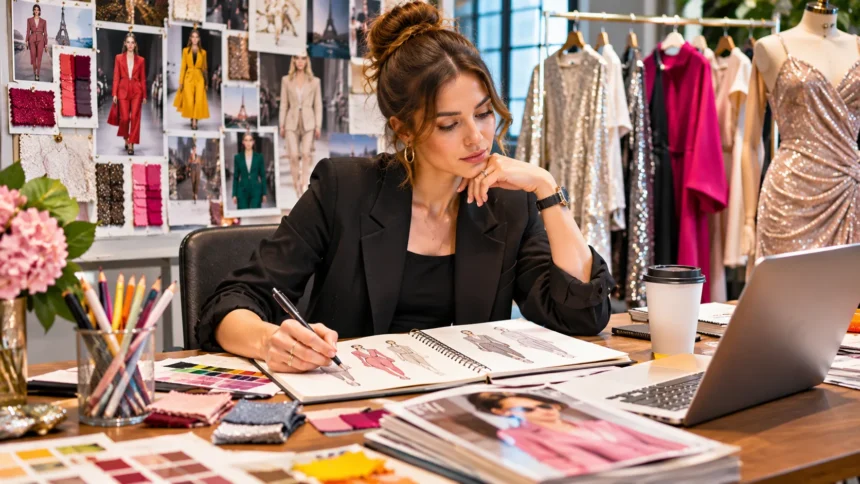
Fashion trends are constantly changing, influencing the clothes people wear, the colors they choose, and the way they express their personal style. From runway collections and celebrity outfits to streetwear and social media, new fashion ideas can emerge from many places. Understanding where these trends come from helps explain why certain styles suddenly become popular.
Learning how fashion trends start is useful for fashion enthusiasts, designers, students, and anyone interested in personal style. Fashion trends do not usually appear overnight. They develop through creativity, cultural influences, consumer behavior, and the gradual adoption of new ideas by different groups of people.
This guide explains how fashion trends begin, why they become popular, and how they spread across the fashion industry. You will also discover practical ways to recognize emerging trends, experiment with new styles, and develop a personal approach to fashion without simply copying what everyone else wears.
What Are Fashion Trends?
Fashion trends are styles, colors, designs, or clothing preferences that become popular among groups of people during a particular period. They can involve specific garments, accessories, fabrics, or ways of combining outfits. Some trends last only a few months, while others remain influential for several years. Their popularity depends on changing consumer interests and cultural influences.
For example, oversized blazers, wide-leg trousers, and vintage-inspired sneakers have experienced periods of renewed popularity. These styles often combine familiar clothing elements with updated proportions or styling techniques. Fashion trends can also involve broader ideas, such as minimalist wardrobes or sustainable clothing choices. Not every trend requires purchasing entirely new garments.
Trends differ from personal style because they reflect wider patterns in fashion behavior. Personal style develops through individual preferences, habits, and self-expression. Someone may enjoy a popular trend without adopting every detail. Understanding this distinction helps people explore fashion while maintaining clothing choices that suit their lifestyle.
How Do Fashion Trends Start?
Fashion trends often begin when designers, artists, communities, or individuals introduce new styling ideas. These ideas may appear in runway collections, everyday street fashion, entertainment, or online platforms. When other people find a style appealing, they may begin adopting it. Repeated exposure can gradually increase its visibility and popularity.
For example, a designer might introduce an unusual jacket silhouette during a fashion presentation. Fashion editors and content creators may highlight the design, encouraging wider interest. Clothing brands might then develop related styles for different audiences. As more people begin wearing similar garments, the original idea can develop into a recognizable fashion trend.
However, trends do not always move from luxury runways to everyday wardrobes. Some emerge from youth communities, local cultures, or practical clothing needs before gaining mainstream attention. Social media can also accelerate this process. Fashion trends usually develop through several overlapping influences rather than a single source.
The Role of Fashion Designers in Creating Trends
Fashion designers play an important role in introducing new ideas through clothing collections and creative presentations. They experiment with silhouettes, fabrics, colors, and garment construction to communicate a particular vision. Their designs may reflect cultural changes or reinterpret earlier fashion movements. These creative decisions can influence how other people approach clothing.
During fashion weeks, designers present collections to editors, buyers, stylists, and other industry professionals. Certain designs attract attention because they offer fresh interpretations of familiar styles. These ideas may later appear in retail collections or inspire related garments. However, not every runway design becomes a widely adopted trend.
Designers also respond to existing consumer preferences rather than creating every trend independently. They observe street fashion, cultural movements, and changing lifestyle needs. This exchange between designers and the public helps fashion evolve. Understanding this relationship explains why trends often appear simultaneously across different clothing categories.
How Fashion Weeks Influence New Trends
Fashion weeks provide opportunities for designers to present upcoming collections and introduce creative ideas. Major events take place in cities such as Paris, Milan, London, and New York. These presentations attract industry professionals, media organizations, and fashion enthusiasts. The collections can influence future clothing directions and consumer expectations.
Runway shows often highlight recurring design elements, including color combinations, garment proportions, and fabric choices. Fashion editors and buyers observe these patterns to identify potential market opportunities. For example, several collections featuring relaxed tailoring may indicate growing interest in comfortable structured clothing. These observations can influence future retail selections.
However, fashion weeks represent only one part of the trend development process. Everyday consumers may prefer practical adaptations rather than wearing runway designs exactly as presented. Retailers often adjust proportions, materials, and styling to suit broader audiences. This process helps transform creative concepts into clothing that people can use in daily life.
How Social Media Creates Fashion Trends
Social media has become an important influence on how fashion trends start and spread. Platforms such as Instagram, TikTok, and Pinterest allow users to share outfits and styling ideas with large audiences. A creative outfit can reach many people through recommendations and reposts. This visibility can quickly increase interest in particular clothing styles.
For example, a content creator may share several ways to style a vintage denim jacket. Other users might recreate the outfit using clothes they already own. As similar posts become more common, the styling idea may develop into a recognizable trend. Social media allows this process to happen across different countries and communities.
Online popularity does not guarantee that a fashion trend will remain influential. Some styles disappear quickly after receiving temporary attention. Others become established because people find them useful and adaptable. Learning to distinguish short-lived online excitement from lasting clothing preferences helps fashion enthusiasts make more thoughtful styling decisions.
The Influence of Celebrities and Fashion Influencers
Celebrities and fashion influencers often contribute to trend popularity by introducing styles to wider audiences. Their outfits appear in photographs, interviews, events, and social media content. Fans may become interested in particular garments or accessories after seeing them worn publicly. This visibility can influence shopping preferences and styling choices.
For example, a musician wearing a distinctive jacket during a public appearance may attract attention to that style. Fashion publications and online creators might discuss similar pieces or provide outfit inspiration. Clothing brands may respond to increased interest by featuring related designs. Repeated exposure helps certain trends become more recognizable.
However, celebrity influence does not mean everyone needs to purchase the same clothing. Many popular looks can be adapted using existing wardrobe pieces. Personal comfort, budget, and individual preferences should remain important considerations. Using celebrity fashion as inspiration rather than a strict rule allows more creative expression.
How Street Style Shapes Fashion Trends
Street style refers to clothing choices that emerge from everyday people and communities rather than formal runway presentations. It reflects local culture, lifestyle needs, music scenes, and individual creativity. Streetwear often introduces unexpected combinations of familiar garments. These ideas can eventually attract attention from designers and fashion publications.
For example, oversized hoodies, relaxed trousers, and sneakers became important elements of modern casual fashion through different cultural influences. Their popularity developed through communities, music, sports, and everyday clothing preferences. Designers later explored similar silhouettes in high-fashion collections. This demonstrates how trends can move from public spaces into the wider fashion industry.
Street style continues to influence fashion because it shows how people actually wear clothing. Designers and retailers observe these choices to understand changing preferences. Local styling differences also contribute to fashion diversity. Exploring street style can provide practical inspiration without requiring expensive or highly specialized clothing.
How Music and Pop Culture Influence Fashion
Music and popular culture have influenced fashion trends throughout history. Musicians, films, television programs, and entertainment communities often introduce distinctive clothing styles. These looks can become associated with particular movements or generations. Fashion enthusiasts may adopt elements that reflect their interests and cultural identities.
For example, punk music influenced the popularity of leather jackets, distinctive accessories, and unconventional clothing combinations. Hip-hop culture also played an important role in shaping modern streetwear. Different music scenes have contributed recognizable footwear, silhouettes, and styling choices. These influences continue to appear in contemporary fashion.
Pop culture trends can also encourage renewed interest in clothing from earlier decades. A popular film or television series may inspire audiences to explore vintage garments. Designers and retailers sometimes respond by introducing updated interpretations. This relationship between entertainment and fashion helps explain why familiar styles regularly return in new forms.
The Fashion Trend Cycle Explained
The fashion trend cycle describes how a style develops, becomes popular, and eventually loses widespread attention. It is commonly explained through stages such as introduction, growth, peak popularity, decline, and possible revival. The exact timing varies between trends. Some styles move through these stages quickly, while others remain relevant for years.
During the introduction stage, a design may appear among a small group of early adopters. As more people notice and adopt the style, its popularity grows. At the peak stage, similar designs become widely available across retail markets. Eventually, consumer interest may decrease as preferences shift toward different looks.
Not every trend follows this sequence in a predictable way. Some clothing styles remain popular because they are practical and versatile. Others disappear temporarily before returning with updated details. Understanding the trend cycle helps shoppers recognize why certain garments become widely available and why fashion frequently revisits earlier decades.
Why Old Fashion Trends Come Back
Fashion trends often return because designers and consumers find new inspiration in earlier styles. Clothing from previous decades can feel fresh when combined with modern fabrics, proportions, and accessories. Cultural nostalgia also influences fashion preferences. People may become interested in garments associated with familiar music, films, or historical periods.
For example, wide-leg jeans, vintage sneakers, and retro jackets have experienced renewed popularity at different times. Modern styling often changes how these garments are worn. A classic item may be paired with contemporary basics to create a different overall look. This allows older fashion ideas to remain useful without appearing identical to their original versions.
The return of past trends also reflects fashion’s ongoing relationship with cultural memory. Secondhand clothing and vintage shopping make earlier designs accessible to new audiences. Reusing existing garments can support creative styling while extending their useful life. Understanding fashion history provides valuable inspiration for developing original outfit combinations.
How Fashion Brands Identify Emerging Trends
Fashion brands study consumer behavior, shopping patterns, and cultural developments to understand changing clothing preferences. Trend forecasting helps businesses anticipate which styles may attract interest in future seasons. Brands may review runway collections, social media activity, and retail performance. These insights support product development and marketing decisions.
For example, a retailer might notice increasing interest in relaxed workwear through customer feedback and sales information. The company could then explore clothing designs that combine comfort with professional styling. Fashion brands also consider seasonal needs and price expectations. This research helps them develop products that reflect actual customer demand.
However, trend forecasting involves uncertainty because consumer preferences can change unexpectedly. A style attracting online attention may not produce strong sales. Successful brands therefore combine research with practical product testing and customer feedback. Understanding this process explains why some predicted trends become popular while others never achieve widespread adoption.
The Role of Color Trends in Fashion
Color trends influence clothing collections, accessories, and outfit combinations throughout the fashion industry. Designers often select color palettes that reflect seasonal themes or creative concepts. Consumer preferences and cultural influences also affect which shades become popular. Different colors may appear across multiple brands during the same period.
For example, neutral tones can become popular when consumers prefer simple and versatile wardrobes. Bright colors may attract attention during periods when expressive styling is fashionable. However, color popularity varies across regions, seasons, and individual preferences. A trending shade does not automatically work for every outfit or occasion.
People can explore color trends without changing their entire wardrobe. Adding a scarf, shirt, or accessory in a new shade provides an easy starting point. Combining fashionable colors with familiar basics creates balanced outfits. Personal preference remains more important than following every seasonal color prediction.
How Technology Changes Fashion Trends
Technology influences fashion through digital communication, online shopping, and new design tools. Social media allows styles to spread internationally, while digital platforms help consumers discover clothing from different markets. Fashion companies also use technology to understand customer interests. These developments have changed how trends are introduced and adopted.
Artificial intelligence and digital design tools can support trend analysis, product development, and creative experimentation. Some brands use virtual presentations and digital visualizations to explore new clothing concepts. Online retailers can also analyze purchasing patterns to understand changing demand. These technologies provide additional information for fashion planning.
However, technology does not determine fashion preferences entirely. Cultural influences, personal comfort, affordability, and everyday needs remain important. Digital tools can help identify trends, but human creativity continues to shape clothing decisions. Understanding technology’s role provides a clearer picture of how modern fashion evolves.
How to Spot Fashion Trends Early
Recognizing emerging fashion trends begins with observing repeated styling ideas across different sources. Fashion shows, street photography, magazines, and social media can provide useful inspiration. Instead of focusing on one popular post, look for patterns appearing in several places. Repeated designs may indicate growing interest in a particular style.
For example, you might notice similar jacket shapes appearing in runway collections, retail displays, and everyday outfits. This consistency can suggest that the silhouette is becoming more popular. However, not every repeated idea develops into a lasting trend. Consider whether the style is practical and adaptable for everyday use.
Keeping a simple fashion inspiration folder can help organize interesting ideas. Save outfit photographs, color combinations, and garment details that match your preferences. Reviewing these examples over time makes recurring patterns easier to recognize. This approach encourages thoughtful observation rather than immediately purchasing every new item.
Easy Ways to Try New Fashion Trends
Trying new fashion trends does not require replacing your entire wardrobe. Start by choosing one element that interests you, such as a color, accessory, or clothing silhouette. Combine it with familiar pieces you already enjoy wearing. This allows you to experiment without making significant changes to your usual style.
For example, someone interested in oversized tailoring could try styling a relaxed blazer with existing trousers or jeans. A person exploring vintage fashion might add a secondhand accessory to a simple outfit. Small adjustments can create fresh combinations. The goal is to discover which ideas feel useful and enjoyable.
Another approach is to test trends through outfit combinations before buying new garments. Look through your wardrobe for similar shapes, colors, or textures. Borrowing appropriate accessories or exploring secondhand options can also provide variety. Taking a gradual approach helps you make clothing choices that reflect your interests and budget.
How to Develop Your Personal Fashion Style
Personal style develops through understanding your preferences, daily activities, and clothing needs. Fashion trends can provide inspiration, but they should not determine every wardrobe decision. The most useful outfits support your lifestyle and allow comfortable self-expression. Developing personal style is a process of exploration rather than following fixed rules.
Begin by identifying clothing pieces you regularly enjoy wearing. Consider which colors, fabrics, and outfit combinations feel practical for your daily routine. You can then experiment with new styling ideas while keeping familiar elements. This approach makes fashion exploration more manageable and helps establish consistent preferences.
Personal style can change naturally as interests and circumstances evolve. There is no requirement to maintain one specific aesthetic permanently. Combining classic pieces with selected trends creates opportunities for variety. The most meaningful style choices are those that reflect your own interests rather than external expectations.
Common Mistakes When Following Fashion Trends
One common mistake is purchasing clothing simply because a style is receiving widespread attention. A trending item may not match your everyday needs or existing wardrobe. Buying without considering practicality can lead to unnecessary spending. Evaluating how often you might use an item helps create more thoughtful purchasing decisions.
Another mistake is copying complete outfits without adapting them to personal preferences. Fashion inspiration can be useful, but exact imitation is not necessary. Different people have different routines, climates, and clothing requirements. Adjusting colors, accessories, and garment combinations allows trends to become more relevant to individual lifestyles.
Trying to follow every emerging trend can also make fashion feel overwhelming. New styles appear frequently, especially through digital platforms. There is no need to adopt each one. Focusing on a few ideas that genuinely interest you helps maintain a more enjoyable relationship with clothing and personal style.
Conclusion
Fashion trends begin through a combination of creativity, cultural influence, consumer behavior, and communication. Designers, celebrities, street style communities, and digital platforms all contribute to introducing new clothing ideas. Some styles gain attention quickly, while others develop gradually. Understanding these influences explains why particular garments become popular across different audiences.
Learning how fashion trends start also makes it easier to recognize emerging styles and understand the fashion cycle. Trends can develop through runway collections, everyday clothing choices, and changing cultural interests. Older styles may return with updated details. Fashion continues evolving because people reinterpret familiar ideas and experiment with new combinations.
The best way to explore fashion trends is to approach them with curiosity rather than pressure. Start with simple styling changes, observe what interests you, and make thoughtful wardrobe choices. Personal expression matters more than following every popular look. By understanding the trend development process, you can enjoy fashion creatively while maintaining a style that reflects your preferences.
Frequently Asked Questions
How do fashion trends start?
Fashion trends start when designers, communities, celebrities, or individuals introduce styling ideas that attract wider attention. Social media, fashion shows, cultural influences, and consumer adoption can help these styles become popular.
Who decides what becomes a fashion trend?
No single person controls fashion trends. Designers, consumers, influencers, retailers, and cultural communities all influence which styles gain popularity. Trends usually develop through repeated adoption and changing consumer preferences.
How long do fashion trends usually last?
Fashion trends can last anywhere from a few months to several years. Their duration depends on consumer demand, cultural relevance, practicality, and how frequently people continue wearing the style.
Why do old fashion trends return?
Old fashion trends return because designers and consumers reinterpret familiar styles. Nostalgia, vintage shopping, cultural influences, and new styling combinations can make clothing from earlier decades appealing again.
How can beginners follow fashion trends?
Beginners can start by exploring fashion inspiration, identifying styles they enjoy, and experimenting with existing wardrobe pieces. Small changes involving accessories, colors, or clothing combinations make trend exploration easier and more affordable.