
Introduction
Educational programs often depend on preparation. Whether it is an after-school workshop, summer camp, classroom project, museum activity, or community learning session, the materials need to be ready before the group arrives. When supplies are scattered or missing, even a well-planned activity can feel messy. Teachers, facilitators, and volunteers may spend too much time looking for markers, worksheets, craft tools, or activity kits instead of guiding the group.
Good organization helps an educational program feel calmer and more professional. It also gives participants more time to learn, create, and interact. The goal is not to make every activity overly controlled, but to create a system that supports movement, sharing, and cleanup.
Start by Grouping Materials Around Each Activity
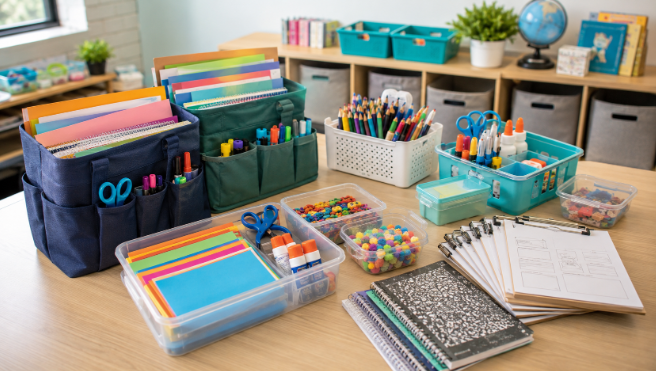
One of the easiest ways to organize group materials is to prepare them by activity rather than by supply type. Instead of keeping all scissors in one box, all paper in another, and all glue somewhere else, facilitators can create ready-to-use activity sets. Each set should include exactly what the group needs for that session.
For example, a science activity kit may include worksheets, measuring tools, labels, and safety notes. A craft activity kit may include paper, fabric pieces, markers, glue, and cleanup cloths. A reading activity kit may include books, discussion cards, pencils, and small notebooks.
Reusable carriers such as Custom Tote Bags can be useful for organizing materials by class, group, or station. They make it easier for teachers or volunteers to move supplies between rooms without carrying loose items in their arms.
Make Materials Easy for Participants to Access
Group activities work best when participants can find what they need without waiting for constant instructions. Supplies should be placed where they are visible and reachable. If children are involved, materials should be organized at a height they can use safely. If adults are participating, clear labels and simple stations can reduce confusion.
A strong setup usually includes separate zones for:
- shared supplies
- personal materials
- finished work
- cleanup items
- extra supplies
This keeps the activity moving smoothly. It also reduces the chance that participants will accidentally use the wrong materials or mix unfinished projects with completed ones.
Choose Durable Storage for Repeated Programs
Many educational programs repeat the same activities throughout the year. This means storage materials need to last. Thin boxes, flimsy bags, or unmarked containers may work once, but they quickly become difficult to manage if the program runs weekly or seasonally.
For heavier supplies or repeated transport, Wholesale Canvas Tote Bags can be a practical option because canvas is generally sturdy enough for regular handling. Programs that move between classrooms, libraries, community centers, or outdoor learning spaces often benefit from durable carriers that can be reused across multiple sessions.
The storage method should match the materials. Paper needs protection from bending. Art supplies need separation from wet items. Books and learning kits need stable support.
Build Cleanup Into the Activity Plan
Cleanup should not be an afterthought. If facilitators wait until the end to think about cleanup, the room can become chaotic. A better approach is to plan cleanup from the beginning.
Each station should have a clear place for used materials, trash, reusable supplies, and finished work. Participants can be taught to return items as part of the activity. This gives the group a sense of responsibility and helps the next session start more easily.
For younger groups, visual labels or color-coded containers can help. For older participants, simple written instructions are usually enough.
Keep Backup Supplies Separate
It is useful to have extra materials, but they should not be mixed with the main activity supplies. Backup items should stay in a separate bag or box so facilitators can access them when needed without cluttering the work area.
This is especially helpful when attendance changes unexpectedly. If more participants arrive than planned, the facilitator can quickly add materials without disrupting the session.
Conclusion
Educational programs run more smoothly when materials are organized before the activity begins. By grouping supplies by activity, using durable storage, creating clear stations, and planning cleanup, facilitators can reduce stress and create a better learning environment.
Good organization does not remove creativity from group activities. It gives participants the structure they need to focus, explore, and enjoy the experience.


