
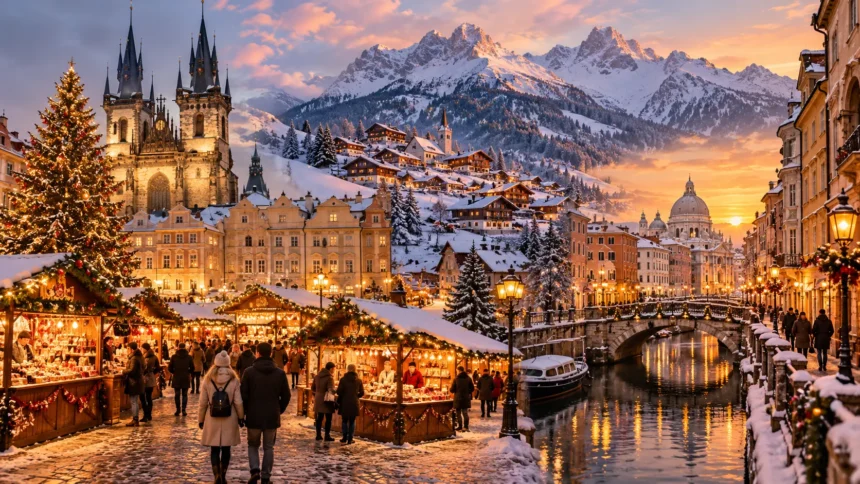
Europe becomes a beautiful travel destination during December and January, offering everything from snow-covered mountains to charming Christmas markets and historic cities. Winter transforms many European destinations into magical places filled with festive decorations, seasonal activities, and breathtaking scenery. Whether you love snowy landscapes, cultural attractions, or peaceful city breaks, there are plenty of wonderful places to explore.
December is particularly attractive for travelers who enjoy Christmas celebrations, illuminated streets, and traditional winter markets. January often brings quieter city centers, excellent winter sports conditions in suitable mountain regions, and opportunities to experience Europe without the busiest holiday crowds. Both months offer distinctive experiences depending on the destination.
Choosing the best places to visit in Europe in December and January depends on your preferred weather, activities, and travel budget. Northern Europe offers snowy landscapes and opportunities to see the Northern Lights, while southern destinations provide relatively mild temperatures. This guide explores beautiful European winter destinations, popular attractions, and practical travel tips to help you plan a memorable vacation.
Why Visit Europe in December and January?
Europe offers a different travel experience during winter compared with the busy summer season. Historic cities look beautiful beneath festive lights, mountain landscapes attract winter sports enthusiasts, and indoor cultural attractions provide comfortable sightseeing opportunities. Many destinations also celebrate traditional events that give visitors insight into local customs.
December is known for Christmas markets, seasonal decorations, and holiday celebrations in cities across Central and Northern Europe. January often provides a calmer atmosphere after the New Year festivities. Travelers who prefer quieter sightseeing may find this period attractive, although ski resorts and certain winter destinations remain busy.
Winter travel also offers a wide variety of climates. Northern countries may experience freezing temperatures and snowfall, while Mediterranean destinations are generally milder. Understanding these regional differences helps travelers choose locations that suit their preferred activities, clothing requirements, and overall comfort.
1. Vienna, Austria – Best for Christmas Markets and Historic Architecture
Vienna is one of the most beautiful European cities to visit in December. Austria’s capital is famous for its imperial architecture, elegant streets, traditional cafés, and festive Christmas markets. The historic surroundings create an especially attractive atmosphere during the winter season.
Visitors can explore Schönbrunn Palace, St. Stephen’s Cathedral, and the magnificent Hofburg complex. Seasonal markets are a major attraction in December, offering handmade decorations, local crafts, and traditional food. Some winter markets continue into early January, although individual opening dates vary.
January is also an enjoyable time to discover Vienna’s museums, classical music performances, and coffeehouse culture. Cooler weather makes indoor sightseeing particularly appealing. Travelers interested in European history, architecture, and traditional winter experiences will find Vienna an excellent destination.
2. Prague, Czech Republic – Best for a Fairytale Winter City Break
Prague is a charming European destination known for Gothic architecture, cobblestone streets, and historic landmarks. During December, the city becomes particularly atmospheric with festive lights and beautifully decorated public squares. Its medieval appearance makes it an appealing choice for travelers seeking a traditional winter setting.
Old Town Square, Charles Bridge, and Prague Castle are among the city’s most famous attractions. Visitors can explore traditional Christmas markets during the festive season and admire views across the Vltava River. The historic center is particularly beautiful in the evening when buildings and streets are illuminated.
January often brings fewer visitors after the main holiday period, making sightseeing more relaxed. Snowfall is possible but not guaranteed, so travelers should not plan their entire visit around snowy conditions. Warm clothing and comfortable walking shoes are essential for exploring Prague’s historic streets.
3. Rovaniemi, Finland – Best for Snowy Winter Adventures
Rovaniemi is a popular winter destination located in Finnish Lapland, close to the Arctic Circle. The city is particularly famous for its snowy landscapes, winter activities, and association with Santa Claus. December and January offer a distinctive northern European experience with very short daylight hours.
One of the most popular attractions is Santa Claus Village, where visitors can explore festive surroundings and cross the Arctic Circle. The region also offers opportunities to experience snowy forests and observe the Northern Lights under suitable conditions. Aurora sightings depend on solar activity, cloud cover, and darkness.
January is a particularly atmospheric month for travelers who enjoy deep winter conditions. Temperatures can fall far below freezing, making suitable clothing and weather preparation essential. Visitors should choose reputable activity providers and select experiences appropriate for their comfort and ability.
4. Budapest, Hungary – Best for Thermal Baths and Winter Sightseeing
Budapest is one of Europe’s most attractive winter city break destinations. The Hungarian capital features impressive architecture, historic bridges, cultural landmarks, and famous thermal baths. Its combination of indoor and outdoor attractions makes it appealing during both December and January.
Visitors can explore Buda Castle, Fisherman’s Bastion, and the Hungarian Parliament Building. December brings festive markets and seasonal decorations to popular public spaces. The city’s famous thermal bath complexes offer another memorable experience, particularly during colder weather.
January can be a good time to enjoy Budapest with a quieter atmosphere following the holiday season. Visitors can discover museums, traditional restaurants, and scenic viewpoints throughout the city. Public transportation also makes it convenient to explore different neighborhoods without relying entirely on walking.
5. Strasbourg, France – Best for Traditional Christmas Atmosphere
Strasbourg is a beautiful city in northeastern France, close to the German border. It is internationally recognized for its charming historic center, half-timbered buildings, and traditional Christmas markets. The city’s picturesque streets create a wonderful atmosphere during the festive season.
The Grande Île historic district is a UNESCO World Heritage Site and one of Strasbourg’s main attractions. Visitors can admire Strasbourg Cathedral, explore Petite France, and walk beside scenic canals. Christmas decorations and festive markets make December especially popular, although most traditional markets close before January.
January offers a different experience, with quieter streets and greater opportunities to appreciate the city’s architecture. Travelers can still explore museums, historic neighborhoods, and local cuisine. Strasbourg is particularly appealing to visitors who enjoy culture, photography, and relaxed walking tours.
6. Innsbruck, Austria – Best for Alpine Scenery and Winter Sports
Innsbruck is surrounded by the Austrian Alps, making it one of Europe’s most scenic winter destinations. The city combines colorful historic buildings with dramatic mountain landscapes. December and January are popular months for visitors interested in Alpine scenery and winter activities.
The Old Town features attractive streets, traditional buildings, and the famous Golden Roof. Nearby mountain areas provide opportunities for skiing and other seasonal recreation when conditions allow. Cable cars and mountain viewpoints also attract travelers who want to admire the surrounding landscape.
December often brings festive decorations and seasonal markets, while January offers opportunities to enjoy winter mountain scenery. Weather in Alpine areas can change quickly, making advance planning important. Visitors should check local operating conditions and use suitable equipment and professional services for mountain activities.
7. Tromsø, Norway – Best for Northern Lights Experiences
Tromsø is a beautiful destination in northern Norway, famous for Arctic landscapes and opportunities to observe the Northern Lights. Located above the Arctic Circle, the city experiences polar night during part of the winter. This creates unusual lighting conditions and a memorable atmosphere for winter travelers.
Visitors can explore the Arctic Cathedral, local museums, and scenic viewpoints overlooking the surrounding fjords. Northern Lights excursions are popular because the region lies within an area where aurora displays can occur. However, sightings are never guaranteed and depend heavily on weather and solar activity.
January offers long hours of darkness that can provide suitable conditions for aurora observation. Travelers should prepare for cold temperatures, icy surfaces, and potentially unpredictable winter weather. Tromsø is especially attractive to people interested in Arctic nature, photography, and distinctive northern landscapes.
8. Rome, Italy – Best for Historic Attractions and Mild Winter Weather
Rome is an excellent destination for travelers who prefer cultural sightseeing without extreme northern European winter conditions. Italy’s capital is famous for ancient monuments, beautiful public squares, historic churches, and remarkable architecture. December and January are generally cooler and quieter than the busiest summer months.
The Colosseum, Roman Forum, Pantheon, and Trevi Fountain are among the city’s most popular attractions. Visitors can also explore Vatican City and enjoy traditional Italian cuisine. December brings festive decorations, while January often provides a calmer setting for discovering historic neighborhoods.
Rome’s winter weather is generally milder than that of Central and Northern Europe, although rain and chilly days are common. Comfortable walking shoes and a suitable jacket are useful for sightseeing. Travelers who prioritize museums, history, and local food may find Rome particularly appealing.
9. Lisbon, Portugal – Best for a Warmer European City Break
Lisbon is one of the best European destinations for travelers who want to avoid severe winter cold. Portugal’s capital offers colorful neighborhoods, scenic viewpoints, historic trams, and beautiful architecture. December and January are cooler than summer but generally milder than many northern European cities.
Visitors can explore Belém Tower, Jerónimos Monastery, and the traditional streets of Alfama. The city is also famous for its viewpoints overlooking the Tagus River. Seasonal decorations add charm in December, while January can provide a quieter atmosphere for exploring cultural attractions.
Winter weather in Lisbon may include rain and wind, so visitors should prepare for changing conditions. However, the relatively mild climate can make walking tours enjoyable on clear days. Lisbon is especially suitable for travelers interested in history, scenic city views, and relaxed urban exploration.
10. Reykjavik, Iceland – Best for Dramatic Winter Landscapes
Reykjavik provides a memorable starting point for exploring Iceland’s extraordinary winter scenery. The capital is known for colorful buildings, coastal views, and its connection to the country’s natural attractions. December and January offer long nights, distinctive landscapes, and opportunities to experience Icelandic winter culture.
Visitors can discover Hallgrímskirkja Church, explore the waterfront, and enjoy the city’s museums. Excursions outside Reykjavik may include waterfalls, geothermal areas, and other natural landmarks. Northern Lights viewing is also popular, although visibility depends on weather and solar activity.
Icelandic winter conditions can be challenging because of strong winds, snow, and rapidly changing weather. Travelers should monitor official forecasts and choose suitable transportation arrangements. Reykjavik is particularly attractive for visitors interested in photography, geology, and dramatic natural landscapes.
11. Salzburg, Austria – Best for Romantic Winter Scenery
Salzburg is a beautiful Austrian city known for Baroque architecture, historic streets, and mountain scenery. Its compact old town becomes especially attractive during December when festive decorations enhance the historic surroundings. The city is also closely associated with the composer Wolfgang Amadeus Mozart.
Visitors can explore Hohensalzburg Fortress, Mirabell Palace, and Salzburg Cathedral. December Christmas markets create a traditional winter atmosphere, while nearby landscapes provide opportunities to appreciate Alpine scenery. The historic center is particularly appealing for relaxed sightseeing and photography.
January is a quieter time to explore Salzburg after the busiest holiday celebrations. Museums, historic buildings, and traditional cafés offer comfortable indoor experiences. The surrounding region may provide snowy scenery, although actual conditions vary depending on temperature and elevation.
12. Kraków, Poland – Best for History and Winter Charm
Kraków is one of Poland’s most beautiful historic cities and an attractive destination for winter travelers. Its medieval old town, impressive public squares, and traditional architecture create a charming atmosphere. December is especially popular because of festive decorations and seasonal activities.
The Main Market Square is one of Kraków’s most recognizable landmarks. Visitors can also explore Wawel Royal Castle, St. Mary’s Basilica, and the historic Kazimierz district. Christmas markets commonly take place during the festive season, offering local crafts and traditional Polish food.
January is typically cold, with possible snowfall and shorter daylight hours. The city remains appealing for travelers interested in museums, cultural heritage, and historical attractions. Comfortable winter clothing makes it easier to explore the old town and enjoy outdoor sightseeing.
13. Amsterdam, Netherlands – Best for Canals and Winter City Life
Amsterdam offers a distinctive winter experience with picturesque canals, historic buildings, and world-famous museums. The city’s narrow streets and waterfront scenery create a beautiful setting during December and January. Seasonal lighting can make evening walks particularly attractive.
Visitors can explore the Rijksmuseum, Van Gogh Museum, and Anne Frank House, although advance reservations are important for certain attractions. Canal cruises provide another way to appreciate Amsterdam’s architecture. The city also features cafés, markets, and interesting neighborhoods that remain enjoyable in winter.
January can be quieter after the holiday period, but cold weather, rain, and wind are common. Snowfall is possible but not reliable, so travelers should prepare for damp conditions. Amsterdam is particularly suitable for people interested in art, architecture, museums, and relaxed city exploration.
14. Edinburgh, Scotland – Best for Historic Streets and New Year Celebrations
Edinburgh is a fascinating winter destination known for medieval architecture, dramatic viewpoints, and historic landmarks. Scotland’s capital becomes particularly lively around Christmas and New Year. The contrast between its historic buildings and winter atmosphere makes it attractive for sightseeing and photography.
Edinburgh Castle, the Royal Mile, and Calton Hill are among the city’s most popular attractions. Seasonal celebrations and winter events draw visitors during December. The city’s Hogmanay festivities are especially well known, although event schedules, tickets, and availability vary.
January offers opportunities to explore museums and historic neighborhoods after the major celebrations. Weather can be cold, windy, and wet, making waterproof clothing useful. Travelers who enjoy historic architecture, cultural events, and traditional city experiences may find Edinburgh an excellent winter destination.
15. Zermatt, Switzerland – Best for Snowy Mountain Views
Zermatt is a beautiful Alpine destination in Switzerland, famous for its views of the Matterhorn. The village offers traditional mountain architecture, scenic landscapes, and access to extensive winter recreation areas. December and January are particularly popular with visitors seeking dramatic snow-covered scenery.
Travelers can explore the village, enjoy mountain viewpoints, and discover scenic railway experiences. The Gornergrat railway is especially famous for its panoramic views of the Matterhorn and surrounding peaks. Winter sports are also important attractions, although operating conditions depend on weather and mountain safety requirements.
Zermatt is generally more expensive than many European city break destinations, particularly during popular holiday periods. Booking accommodation early can provide more choices. Visitors who appreciate Alpine landscapes and peaceful mountain surroundings may find the experience worth the additional planning.
Best Places to Visit in Europe in December for Christmas Markets
December is one of the most attractive months for visiting traditional Christmas markets across Europe. Cities such as Vienna, Prague, Strasbourg, Salzburg, and Kraków are known for festive public squares and seasonal decorations. These markets often feature local crafts, holiday gifts, and regional food specialties.
The atmosphere varies depending on the destination. Vienna offers grand imperial surroundings, while Strasbourg is famous for its half-timbered architecture and festive streets. Prague combines medieval landmarks with illuminated market squares, creating a particularly atmospheric setting for winter photography.
Travelers should check exact market dates before booking because many traditional Christmas markets close on or shortly after December 24. Others continue through the end of December or into early January. Planning around confirmed opening schedules helps avoid disappointment and makes it easier to select the most suitable destination.
Best Places to Visit in Europe in January for Snow
January can be an excellent month for travelers who want to experience snowy European landscapes. Destinations such as Rovaniemi, Tromsø, Zermatt, and Innsbruck offer access to winter scenery. However, snowfall and snow coverage vary significantly according to location, altitude, and seasonal weather patterns.
Northern Finland often experiences established winter conditions during January, making Lapland attractive for snowy travel experiences. High-altitude Alpine destinations may also provide suitable conditions for winter recreation. Travelers interested in mountain activities should review current forecasts and resort operating information before booking.
Snow-related travel requires additional preparation, including warm clothing, suitable footwear, and flexible transportation plans. Severe winter weather can occasionally disrupt journeys or outdoor activities. Selecting destinations with a variety of indoor and outdoor attractions helps maintain an enjoyable itinerary when conditions change.
Best Warm Places to Visit in Europe in December and January
Not every European winter vacation needs to involve freezing temperatures or snowy scenery. Southern destinations such as Lisbon, Rome, and parts of southern Spain often experience comparatively mild winters. These locations are attractive for travelers who prefer cultural sightseeing and comfortable city exploration.
The Canary Islands, which belong to Spain, are another popular option for winter sunshine. Destinations such as Tenerife and Gran Canaria generally offer milder conditions than much of mainland Europe. However, temperatures vary by altitude, location, and daily weather, so beach conditions are not guaranteed.
Southern European destinations can still experience rainfall, wind, and cool evenings. Travelers should pack layers and review seasonal forecasts rather than expecting summer-like conditions. These destinations are particularly appealing for visitors interested in history, scenic coastlines, and outdoor sightseeing without extreme winter cold.
Is December or January Better for Visiting Europe?
December is generally better for travelers who want festive decorations, Christmas markets, and seasonal celebrations. Major European cities often become especially lively during the weeks leading up to Christmas. However, accommodation prices can increase around Christmas and New Year, particularly in popular destinations.
January may be more suitable for travelers who prefer quieter city breaks after the holiday period. Museums, historic neighborhoods, and cultural attractions can be easier to enjoy without peak festive crowds. However, ski resorts and destinations famous for winter experiences may remain popular throughout the month.
The best choice depends on the experience you want. Choose December for traditional festive atmosphere and holiday events, or January for winter scenery and potentially quieter cultural sightseeing. Checking accommodation prices, seasonal schedules, and weather expectations will help you make the right decision.
Budget Tips for Visiting Europe in Winter
Traveling through Europe in December and January can be affordable when destinations and dates are selected carefully. Major holiday periods often bring higher accommodation prices, while some cities become less expensive after New Year. Comparing different travel dates can help identify better-value options.
Central and Eastern European cities such as Kraków, Budapest, and Prague may offer more affordable accommodation and dining than certain premium Alpine destinations. However, prices vary by neighborhood, travel period, and accommodation category. Choosing centrally located hotels can also reduce local transportation expenses.
Travelers can save money by combining free attractions with selected paid experiences. Historic neighborhoods, public viewpoints, and seasonal displays often provide enjoyable sightseeing opportunities. Booking transportation early and checking attraction schedules can help create a practical winter itinerary without unnecessary expenses.
Essential Travel Tips for Europe in December and January
Packing appropriate clothing is one of the most important parts of planning a European winter vacation. Northern and Central European destinations may require insulated outerwear, gloves, and warm footwear. Southern cities often need lighter layers, although waterproof clothing can still be useful during rainy weather.
Winter daylight hours are shorter, especially in northern countries. Travelers should plan outdoor sightseeing around available daylight and check seasonal attraction opening times. Some museums, tours, and transportation services may operate reduced schedules around public holidays.
Weather-related flexibility is also important. Snow, ice, heavy rain, and strong winds can occasionally disrupt travel plans. Choosing reliable transportation options, monitoring local forecasts, and allowing time between connections can help create a more comfortable and enjoyable winter journey.
Conclusion
Europe offers an extraordinary variety of destinations during December and January, from traditional Christmas markets to dramatic snowy mountain landscapes. Vienna, Prague, and Strasbourg are especially attractive for festive winter experiences, while Rovaniemi and Tromsø provide opportunities to discover Arctic scenery. Destinations such as Rome and Lisbon offer comparatively mild conditions for cultural sightseeing.
Choosing the right destination depends on your preferred weather, activities, travel budget, and holiday schedule. December is ideal for festive celebrations and decorated city centers, while January can offer quieter cultural experiences and excellent winter scenery. Comparing seasonal conditions and attraction schedules helps you plan a more rewarding trip.
Whether you want to explore historic streets, admire snow-covered mountains, or experience Europe’s winter traditions, there are beautiful places to discover. Planning transportation, accommodation, and suitable clothing in advance can make the journey more comfortable. With the right itinerary, a December or January vacation can become one of your most memorable European travel experiences.
Frequently Asked Questions
1. Which European Country Is Best to Visit in December?
Austria is an excellent December destination because cities such as Vienna and Salzburg offer traditional Christmas markets and beautiful architecture. The Czech Republic, France, and Finland are also popular for different winter experiences.
2. What Are the Best Places to Visit in Europe in January?
Rovaniemi, Tromsø, Zermatt, Budapest, Prague, and Rome are attractive January destinations. The best choice depends on whether you prefer snowy landscapes, Northern Lights experiences, cultural sightseeing, or milder weather.
3. Where Is the Warmest Place in Europe in December and January?
The Canary Islands are among the mildest European destinations during winter. Tenerife and Gran Canaria often offer relatively warm conditions, although temperatures vary and outdoor weather is not always suitable for swimming.
4. Is Europe Cheaper in December or January?
January can be less expensive for many European city breaks after the New Year holiday period. However, popular ski resorts and winter destinations may remain costly because of seasonal demand.
5. Can You See the Northern Lights in Europe in December and January?
Yes, Northern Lights sightings are possible in destinations such as Tromsø in Norway, Finnish Lapland, and Iceland. However, sightings are never guaranteed because they depend on solar activity, darkness, and clear skies.


