
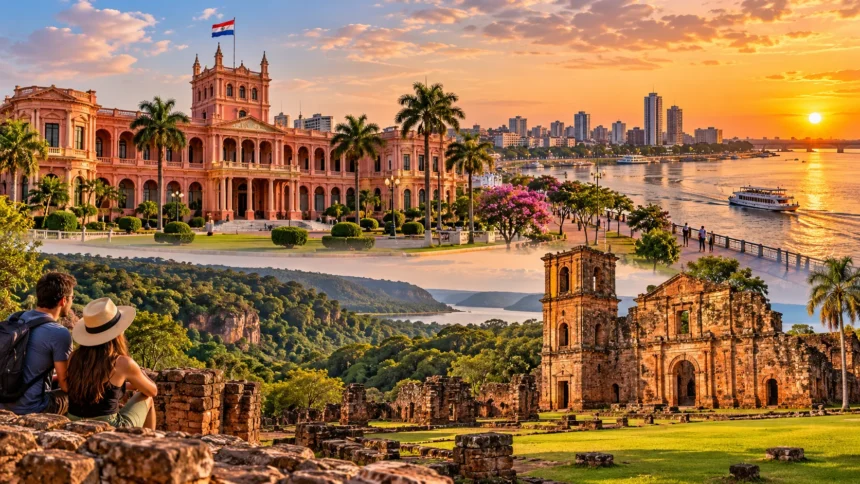
Paraguay is one of South America’s most overlooked travel destinations, filled with natural beauty, fascinating history, and authentic cultural experiences. Located between Brazil, Argentina, and Bolivia, this landlocked country has beautiful waterfalls, historic cities, peaceful lakes, and diverse wildlife. Whether you enjoy exploring historical landmarks, discovering traditional food, or spending time outdoors, there are plenty of memorable things to do in Paraguay.
Unlike some of South America’s busiest destinations, Paraguay allows travelers to experience a more relaxed atmosphere and connect with local traditions. From the lively streets of Asunción to the beautiful countryside of the Chaco region, every destination reveals something different. This Paraguay travel guide explores the best attractions, cultural landmarks, and outdoor experiences to help you plan a rewarding journey.
Explore Asunción and Its Historic Landmarks
Asunción, the capital of Paraguay, is an excellent starting point for exploring the country’s history, culture, and everyday lifestyle. Founded in 1537, the city features colonial-era buildings, important national monuments, colorful neighborhoods, and modern shopping districts. Walking through its historic center reveals beautiful architecture alongside markets and public spaces where residents gather throughout the day.
One of the most recognizable attractions is the Palacio de los López, a magnificent government building overlooking the Paraguay River. Nearby, visitors can discover the National Pantheon of Heroes, an important monument honoring significant figures from Paraguayan history. The surrounding streets contain historic buildings, cafés, and architectural details that reflect the country’s fascinating political and cultural heritage.
Asunción’s Costanera is another enjoyable place to experience the capital, especially during the cooler morning or evening hours. This waterfront promenade provides attractive views across the Paraguay River and opportunities to appreciate the surrounding landscape. Visitors can also explore cultural spaces such as Manzana de la Rivera, where historic architecture and artistic activities highlight the city’s creative identity.
Discover the Beautiful City of Encarnación
Encarnación is one of Paraguay’s most appealing destinations, located along the Paraná River near the Argentine border. Known for its attractive waterfront, lively atmosphere, and nearby historical attractions, the city welcomes travelers interested in relaxation and cultural sightseeing. Its modern urban spaces and traditional neighborhoods make it an interesting destination for visitors exploring southern Paraguay.
The Costanera de Encarnación is among the city’s best-known attractions, featuring scenic walking areas and beautiful views across the river. Playa San José is a popular riverside beach where visitors can enjoy the surroundings and relax during warmer weather. Swimming should only take place when local authorities confirm that designated areas are safe and open.
Encarnación is also known for its colorful carnival celebrations, which traditionally feature elaborate costumes, music, and lively performances. Outside the carnival season, visitors can explore local markets, public squares, and restaurants serving regional Paraguayan dishes. The city also serves as a convenient base for visiting the nearby Jesuit mission ruins, adding historical interest to a waterfront holiday.
Visit the UNESCO-Listed Jesuit Missions of Paraguay
The Jesuit Missions of La Santísima Trinidad de Paraná and Jesús de Tavarangue are among Paraguay’s most important historical attractions. These UNESCO World Heritage Sites preserve the architectural remains of settlements established during the Jesuit missionary period. Their impressive stone structures, open courtyards, and religious buildings reveal important chapters of colonial history and the experiences of Guaraní communities.
Trinidad is particularly famous for its extensive ruins, including the remains of a large church, residential areas, and decorative stone carvings. Visitors can walk through the historic grounds while imagining how the settlement once functioned as a community. Architectural details and carved religious imagery demonstrate the interaction between European missionary traditions and Indigenous artistic influences.
Jesús de Tavarangue is another remarkable site, known for the monumental remains of an unfinished church. Its towering stone walls and distinctive arches make it especially impressive for visitors interested in photography and architectural history. Exploring both missions provides a deeper understanding of Paraguay’s cultural heritage, although opening hours and guided visit arrangements should be checked beforehand.
Admire the Powerful Saltos del Monday Waterfalls
Saltos del Monday is one of Paraguay’s most beautiful natural attractions, located near Presidente Franco in the Alto Paraná department. These impressive waterfalls form where the Monday River drops dramatically through a forested landscape. The combination of powerful flowing water, rocky surroundings, and lush vegetation makes the area a memorable destination for nature lovers.
The surrounding park contains viewpoints where visitors can appreciate the waterfalls from different angles. Depending on seasonal rainfall, the volume of water can change considerably, influencing the appearance and sound of the cascades. Photography enthusiasts often enjoy the contrast between white rushing water and the deep green vegetation surrounding the river.
Visitors should follow designated walkways and respect any barriers or restrictions around the viewing areas. Wet surfaces and powerful currents can make the environment hazardous outside established visitor zones. Combining a waterfall visit with other Alto Paraná attractions can be convenient, particularly for travelers staying in Ciudad del Este or exploring Paraguay’s eastern region.
Discover the Impressive Itaipu Dam
Itaipu Dam is one of the world’s most significant hydroelectric engineering projects, situated on the Paraná River along the border between Paraguay and Brazil. The enormous structure demonstrates the importance of renewable electricity generation and international cooperation. Its impressive scale makes it a fascinating attraction for travelers interested in engineering, infrastructure, and modern technology.
Visitor experiences may include guided tours introducing the dam’s history, construction, and electricity generation process. Some tours feature observation points where guests can appreciate the size of the structure and the surrounding reservoir. Available experiences depend on current operational arrangements, so visitors should confirm tour schedules, booking requirements, and identification rules before arriving.
The Itaipu area also includes environmental and educational attractions associated with conservation and regional biodiversity. These facilities can help visitors understand the relationship between energy production, surrounding ecosystems, and environmental management. A visit to Itaipu adds an interesting educational experience to a Paraguay itinerary, particularly when combined with nearby natural attractions.
Explore Ybycuí National Park and Its Natural Beauty
Ybycuí National Park is a beautiful protected area that introduces travelers to Paraguay’s forests, wildlife, and historical heritage. Located in the Paraguarí department, the park contains green landscapes, streams, and walking routes surrounded by native vegetation. It is an appealing destination for visitors who want to experience the country’s natural environment beyond its main cities.
The park’s forested surroundings support a variety of plants, birds, and other wildlife, making it interesting for nature photography and observation. Walking along designated trails allows visitors to appreciate the vegetation and natural scenery at a comfortable pace. Conditions can vary after rainfall, so appropriate footwear and attention to marked routes are important.
Ybycuí also contains historical remains connected to Paraguay’s nineteenth-century iron industry, adding a cultural dimension to its natural attractions. Learning about the site’s industrial history provides insight into a lesser-known aspect of the country’s past. Travelers should confirm current park access, available guides, and trail conditions before arranging an excursion.
Experience the Wildlife and Landscapes of the Gran Chaco
The Gran Chaco is one of Paraguay’s most distinctive natural regions, covering a vast area of forests, grasslands, wetlands, and dry landscapes. Its remarkable environment supports wildlife adapted to different ecological conditions. For travelers interested in biodiversity and remote natural scenery, the Paraguayan Chaco presents an entirely different experience from the country’s eastern cities.
The region is home to numerous bird species, mammals, and native plants, making it an important destination for ecological research and wildlife observation. Visitors may learn about animals such as armadillos, anteaters, and various native birds through guided nature experiences. Wildlife sightings are never guaranteed, and respecting natural habitats is essential for responsible tourism.
Traveling through the Chaco requires thoughtful preparation because distances between communities can be considerable and facilities may be limited. Weather conditions and seasonal flooding can also influence road accessibility. Choosing experienced local guides and established routes allows visitors to better understand the environment while respecting the Indigenous and other communities living throughout the region.
Visit San Bernardino and Lake Ypacaraí
San Bernardino is a popular lakeside town located approximately 50 kilometers from Asunción, making it an attractive excursion from the capital. Situated beside Lake Ypacaraí, the town is known for its scenic surroundings and relaxed atmosphere. Its history includes the influence of German immigrants, which remains visible in aspects of local culture and architecture.
Visitors can enjoy views of the lake, explore local streets, and spend time at restaurants or cafés overlooking the surrounding landscape. The town becomes particularly lively during the summer holiday season when residents from Asunción visit for recreation. Outside busy periods, San Bernardino can feel quieter and more suitable for relaxed sightseeing.
Lake Ypacaraí is famous for its natural beauty and cultural significance, including its association with traditional Paraguayan music. However, water quality concerns can affect recreational activities, and swimming should not be assumed safe. Visitors can appreciate the scenery from approved public areas while checking current environmental guidance before considering any water-based activities.
Explore Areguá and Its Traditional Pottery
Areguá is a charming town near Lake Ypacaraí, celebrated for its artistic heritage, traditional architecture, and pottery workshops. It is an excellent destination for travelers interested in Paraguayan handicrafts and local cultural traditions. Its peaceful streets and distinctive buildings provide a different atmosphere from the busy commercial districts of Asunción.
Pottery is an important part of Areguá’s identity, with local artisans making decorative ceramics, household items, and traditional clay products. Visitors can browse workshops and markets to discover different designs and learn about regional craftsmanship. Purchasing directly from local makers can support traditional skills and help maintain the town’s artistic heritage.
Areguá is also associated with strawberry cultivation and seasonal food traditions, which attract visitors interested in local produce. The town’s historic center contains attractive buildings and cultural spaces that reward slow exploration. Combining a visit to Areguá with nearby San Bernardino can make an enjoyable day trip focused on architecture, art, and lakeside scenery.
Discover Cerro Corá National Park and Paraguayan History
Cerro Corá National Park is an important protected area in northeastern Paraguay, near the city of Pedro Juan Caballero. The park combines natural landscapes with major historical significance, making it appealing for visitors interested in the country’s past. Its rolling hills, native vegetation, and open spaces form an attractive setting for both sightseeing and historical reflection.
The area is closely associated with the final events of the Paraguayan War in 1870, giving it a significant place in national memory. Historical monuments and commemorative spaces help visitors understand the importance of the location. Learning about these events adds context to Paraguay’s political history and the lasting cultural impact of nineteenth-century conflicts.
The surrounding landscape also contains natural areas that support wildlife and regional vegetation. Visitors can appreciate the scenery while following established routes and respecting protected spaces. Because Cerro Corá is located away from Paraguay’s most common tourist routes, checking transportation options, visitor facilities, and current access conditions is particularly useful.
Experience Traditional Paraguayan Food and Culture
Paraguayan cuisine is an essential part of the country’s cultural identity, combining Indigenous Guaraní traditions with influences introduced during the colonial period. Corn, cassava, cheese, and meat appear in many familiar regional dishes. Exploring local food allows travelers to understand how everyday ingredients and family cooking traditions contribute to Paraguay’s distinctive culinary heritage.
Sopa paraguaya is one of the country’s best-known foods, although its name can surprise visitors because it is a savory cornbread rather than a liquid soup. Chipa is another traditional favorite, commonly prepared using cassava starch and cheese. Mbejú, a popular cassava-based flatbread, is also worth discovering through traditional food markets and local bakeries.
Tereré, a refreshing drink made with yerba mate and cold water, is especially important in Paraguayan social life. Friends and family members often share the drink during everyday gatherings, reflecting the importance of community and hospitality. Learning about tereré, traditional music, and the Guaraní language gives visitors a richer understanding of Paraguayan culture beyond its sightseeing attractions.
Plan the Best Time and Travel Route for Paraguay
Paraguay has a subtropical climate across much of the country, with hot summers and generally milder winter conditions. The period from approximately May to September is often more comfortable for city sightseeing and outdoor exploration. However, regional weather varies, particularly between eastern Paraguay and the Chaco, so travel plans should consider specific destinations.
Travelers arriving in Asunción can explore the capital before visiting nearby towns such as Areguá and San Bernardino. Longer trips may continue toward Encarnación, the Jesuit missions, and eastern attractions near Ciudad del Este. Since transportation connections and road conditions vary, arranging destinations by region can reduce unnecessary travel and allow more time for sightseeing.
Before departure, check entry requirements, transportation schedules, accommodation options, and current local travel guidance. Spanish and Guaraní are Paraguay’s official languages, so learning a few useful expressions can improve everyday communication. Carry appropriate clothing for hot weather, plan outdoor activities carefully, and leave room in your itinerary to enjoy Paraguay at a relaxed pace.
Conclusion
Paraguay is a rewarding South American destination that combines natural beauty, historical landmarks, and authentic cultural experiences. From exploring Asunción’s historic buildings to discovering the impressive Saltos del Monday waterfalls, travelers can enjoy a wide variety of attractions. Its distinctive cities, traditional communities, and beautiful landscapes make the country an interesting choice for curious visitors.
Nature lovers can explore the Gran Chaco, discover protected forests, and admire scenic lakes, while history enthusiasts can visit the Jesuit missions and Cerro Corá National Park. Traditional food, colorful markets, and local handicrafts add another dimension to the experience. These attractions reveal Paraguay’s diverse character and its deep connections to Indigenous and colonial heritage.
The best things to do in Paraguay depend on your travel interests, available time, and preferred destinations. Whether you choose a short city break or a longer journey through different regions, careful planning will help you enjoy the country’s highlights. With its welcoming cultural traditions and varied scenery, Paraguay deserves consideration when exploring South America’s lesser-known destinations.
FAQs
What are the best things to do in Paraguay?
Popular activities include exploring Asunción, visiting the Jesuit missions, discovering Saltos del Monday, touring Itaipu Dam, and experiencing Encarnación. Nature lovers can also explore national parks and the Gran Chaco.
Is Paraguay worth visiting for tourists?
Yes, Paraguay offers beautiful landscapes, historical attractions, and authentic cultural experiences. It is particularly appealing to travelers interested in exploring less crowded South American destinations and learning about local traditions.
What is the best time of year to visit Paraguay?
May through September often brings more comfortable temperatures for sightseeing in many regions. Summer can be very hot, so travelers should consider local weather conditions when planning outdoor activities.
How many days do you need to explore Paraguay?
Seven to ten days can cover several major attractions and cities. A two-week itinerary provides more time to explore national parks, visit historical sites, and travel between different regions comfortably.
What is Paraguay most famous for?
Paraguay is known for its Guaraní heritage, traditional tereré drink, Jesuit mission ruins, hydroelectric power, and beautiful natural landscapes. Its vibrant cultural traditions and historic cities also attract visitors.


