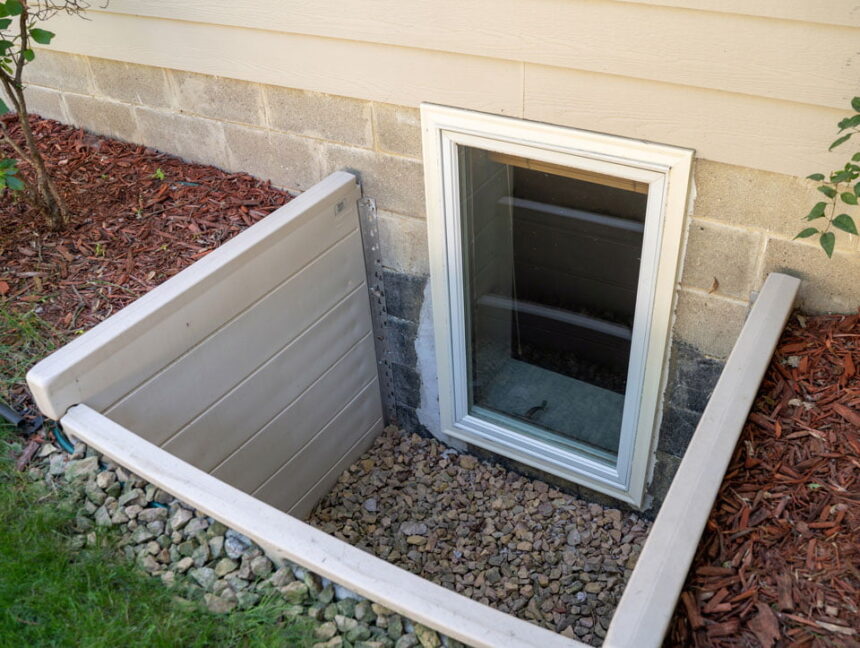
Egress windows often serve as specialized exit points that builders install directly into basements and lower-level living spaces. These architectural features provide a secondary escape route in an emergency. They also bring in natural light and improve ventilation in otherwise dark, enclosed interior rooms. Here are some of the factors to evaluate when selecting egress windows:
Window Styles
You can evaluate designs to find a style that fits your wall dimensions. Available designs include casement windows. They operate on a side hinge and swing outward, creating an unobstructed opening; this design often functions well in lower levels because it maximizes the available exit area.
Sliding windows offer another functional option for lower-level applications. These units glide horizontally along a built-in track. This design often presents a practical solution for wide, horizontal wall openings. Sliding windows can suit outdoor spaces with limited areas because they do not protrude into the exterior opening.
Other common styles include double-hung windows, which open vertically with two operable sashes. This traditional design works well throughout different levels of a home. Awning and hopper windows are also options, particularly for smaller basement openings where targeted ventilation and natural light are desired. For a more distinctive architectural look, some homes incorporate specialty styles, such as bay and bow windows or tilt-and-turn designs.
Installation Quality
Professional window installation begins with an assessment of the existing wall opening, including its dimensions, framing, and condition. Installers take precise measurements before ordering or manufacturing the windows so the units match the opening. Proper sizing helps the window sit correctly within the frame and allows tracks, hinges, locks, and other operating components to function as designed. Installation also involves aligning the window and sealing the perimeter against air and water infiltration. Before work begins, ask the installer for a detailed estimate that outlines the products, installation work, and project scope. Clear communication throughout the process helps you understand what the installation involves and what work the installer will complete.
Energy Efficiency
When evaluating egress windows, review their energy performance along with the required opening size. Egress windows must meet minimum opening dimensions for emergency escape and rescue, which often results in a larger glass area than smaller basement windows. Larger glass areas affect heat transfer, while basement rooms also experience temperature changes because much of the surrounding wall is below ground level.
Review the window’s energy ratings for its specific size and configuration. The U-factor measures how readily heat passes through the window; the air leakage rating indicates how much air passes through gaps in the window assembly. Lower U-factor values indicate better resistance to heat transfer. Energy-efficient replacement windows with appropriate ratings help reduce heat loss during cold weather and heat gain during warmer months.
Material Durability
The material of an egress window affects its resistance to moisture, temperature changes, and physical wear. Common frame materials include vinyl, fiberglass, wood, and aluminum, and each has different maintenance and durability characteristics. Vinyl frames resist moisture and do not require painting, while fiberglass frames resist warping and expansion caused by temperature changes. Wood frames provide a traditional appearance but require regular maintenance to protect them from moisture. The frame and hardware also need to remain structurally sound so the window opens properly during an emergency. Selecting materials based on the window’s location, exposure, and maintenance requirements helps match the window to the conditions around the opening.
Explore Available Egress Windows
Some window providers offer warranties or insurance coverage for eligible installations, with terms that differ by company and product. Review the coverage details to determine whether it addresses issues such as mechanical defects, seal failures, or material deterioration. Also evaluate the maintenance requirements of the egress window you plan to install. Contact a trusted installer to evaluate your space and select the right egress window for your basement.