
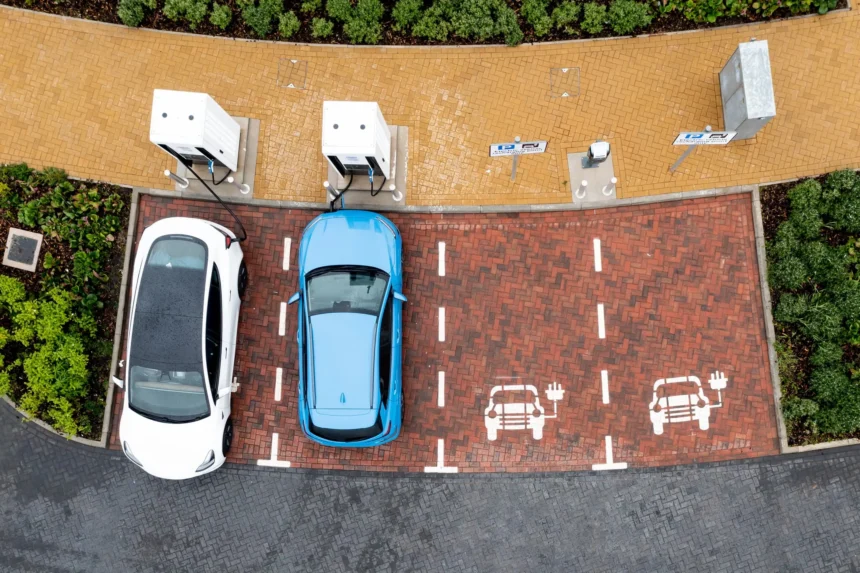
Promoting sustainable practices in garages transforms how drivers interact with dense metropolitan transit networks. When vehicle operators use systems like digital reservations, they may help reduce urban idling time by eliminating the need to search for spaces. Here are a few ways to promote sustainable parking practices:
Space Usage Optimization
Parking garages maximize limited footprints by using advanced structural configurations, such as stackable platform systems. When facilities implement mechanical car lifts, they double their capacity without expanding the garage’s physical footprint. Multi-level layouts preserve space for green parks or community housing. Integrating garage spaces into mixed-use buildings turns storage structures into efficient neighborhood transit hubs. Drivers access these spaces when they visit retail shops, residential towers, or commercial business offices. Centralized complexes decrease the demand for sprawling storefront lots, and this helps reduce regional carbon-intensive construction.
Online Booking Options
Online reservation systems mitigate urban pollution by altering how drivers plan their city commutes. When vehicle operators secure a spot online, they eliminate the need to drive around looking for a vacancy. This process reduces unnecessary fuel consumption since cars reach their destinations without delay; digital booking may make arrival routines predictable and eco-friendly.
Garage booking platforms promote environmental sustainability by shifting consumer transactions online. Clients process their reservation details and ticket purchases electronically; drivers do not need to collect paper stubs. This paperless setup reduces commercial waste across garage operations.
Digital Signage Deployment
Digital signage can reduce vehicle emissions by streamlining driver navigation through dense garage structures. Electronic screens broadcast space availability and capacity limits to motorists before they enter a garage. This real-time feedback eliminates the need for vehicles to enter full facilities, and it helps reduce emissions associated with space searches. Active digital boards guide incoming drivers to open slots. Display systems provide real-time updates for multi-use community hubs during neighborhood gatherings. During an event, operators may use adaptive electronic screens to broadcast parking tier updates and directional restrictions to guests. Real-time updates may prevent gridlock around the garage and enable drivers to park their cars quickly; the system helps manage heavy traffic flow during peak operational hours.
Automated Check-ins
Automated check-in systems reduce transit gridlock by matching a driver’s online booking directly to garage entrances. When a motorist approaches a garage gate, automated readers recognize their license plates and grant them access. This technological synchronization prevents long queues from forming on public roads by reducing time wastage at the entrance. Eliminating manual check-in steps helps garages maintain vehicle flow during peak traffic; drivers quickly get into their designated multi-level slots without wasting extra fuel. This fast-paced process prevents harmful exhaust fumes from accumulating inside enclosed garage structures.
The system also helps facility operators track live occupancy. A continuous reporting database allows administrators to optimize utility configurations. They can use underused levels of a garage for different uses; this includes markets or community gatherings.
Structured Lane Markings
Structured lane markings promote sustainability by enabling organized traffic flow within garages. Pavement arrows provide spatial guidance to drivers navigating through the facility. Painted lanes optimize smaller layouts by showcasing boundaries where individual vehicles must be centered. Clear markings help prevent overlapping cars from obstructing adjacent driving lanes. Eliminating these bottlenecks helps prevent clients from stalling traffic or wasting fuel while maneuvering into tight corners. Many garages have pedestrian crosswalks, which isolate walking corridors from driving lanes; this helps guide individuals as they walk within a garage.
Explore Parking Garages
Garages utilize various systems to streamline navigation and parking within the facility and reduce emissions. Some garages have motion-sensored lighting systems that illuminate driving lanes and walking paths when vehicles or pedestrians are moving, reducing electricity consumption. Use a parking garage that promotes sustainable practices.