
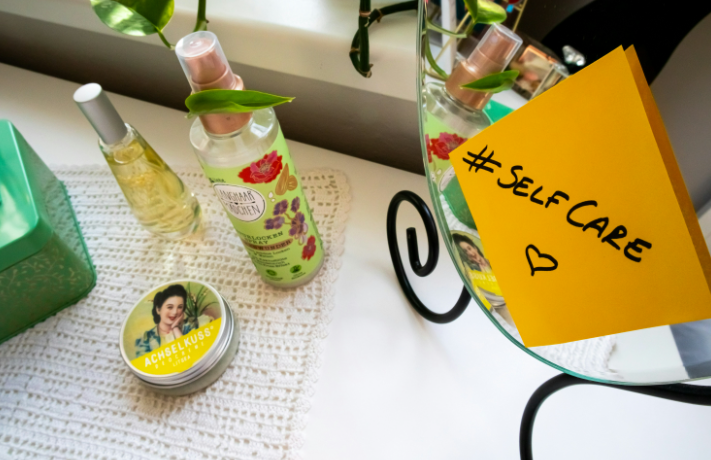
Introduction: The Importance of Self-Care for Moms
In the dynamic and often overwhelming role of being a mother, self-care can frequently be overlooked. Self-care is a vital concept that encompasses any activity that we deliberately engage in to take care of our mental, emotional, and physical health. For busy moms, these moments dedicated to personal well-being are not indulgences but necessities that contribute significantly to their overall effectiveness as caregivers. When a mother prioritizes her own health and happiness, she not only enhances her own energy levels but also improves her capacity to nurture her family.
Despite its significance, many mothers experience guilt when they carve out time for themselves. This guilt may stem from cultural expectations, personal beliefs, or societal pressures that dictate that caregivers should be selfless and constantly available for their children and family. Such reasoning can lead to neglecting one’s own needs, which can ultimately result in stress and burnout. It is essential to recognize that by nurturing oneself, a mother can provide better support and care for her loved ones. The journey of motherhood is inherently demanding, and maintaining one’s well-being is imperative.
Prioritizing self-care allows mothers to recharge and reconnect with themselves, enabling them to face daily challenges with renewed energy and resilience. Engaging in self-care practices also sets a powerful example for children, instilling in them the importance of wellness and personal boundaries. By adopting simple daily self-care habits, busy moms can alleviate feelings of guilt while creating a balanced approach to parenthood. Therefore, embracing self-care is not only beneficial but necessary for mothers seeking harmony in their multifaceted roles.
Identifying the Guilt: Understanding Your Feelings
The emotional landscape for busy mothers often includes complex feelings of guilt, particularly when it comes to the subject of self-care. A variety of factors contribute to this guilt, including societal expectations, personal beliefs, and the demands associated with motherhood. This section aims to shed light on these elements, ultimately helping mothers to better understand and manage their feelings.
Societal expectations play a significant role in the guilt experienced by many mothers. Society often upholds an idealized image of motherhood that includes being perpetually available and self-sacrificing. This cultural narrative suggests that a “good” mother should prioritize her children’s needs above her own. Consequently, when a mother takes time for herself, she may feel as though she is betraying these societal values, thereby generating feelings of guilt that can be hard to shake off.
Additionally, personal beliefs and upbringing can greatly influence how a mother views the concept of self-care. For instance, if a woman was raised in an environment where putting oneself first was frowned upon, it can be difficult for her to break this cycle of thinking. The internalized notion that prioritizing oneself is selfish rather than necessary can perpetuate feelings of guilt, making it challenging for her to take the time she deserves.
Moreover, the pressures of modern life often exacerbate these feelings of inadequacy. Juggling work, family, and personal obligations can lead many women to feel overwhelmed. In such circumstances, prioritizing self-care may seem like a luxury they cannot afford, leading to a perpetual cycle of neglecting their own needs. Understanding these factors is crucial for mothers who want to break free from guilt and make self-care a realistic aspect of their lives.
Simple Self-Care Practices for Busy Moms
For many busy moms, the idea of self-care can seem like a luxury that is difficult to prioritize amidst daily responsibilities. However, incorporating simple self-care practices into one’s routine is not only possible but essential for maintaining emotional and physical well-being. The following practices require minimal time investment yet can yield significant benefits.
One effective self-care practice is to establish a morning ritual, even if it lasts just a few minutes. This could include enjoying a warm cup of tea or coffee in silence, practicing a few deep breathing exercises, or engaging in a brief mindfulness meditation. Such simple actions can set a positive tone for the day, allowing for a moment of calm before the bustling activities commence.
Another beneficial practice involves taking short breaks throughout the day, even if only for five minutes. Stepping away from daily tasks to stretch, take a walk, or engage in a quick mindfulness exercise can refresh the mind and body. These small pauses can help busy moms recharge, thereby enhancing their overall mood and productivity.
Additionally, integrating light physical activity into routine chores can substantially improve one’s physical health while feeling less like a chore. For instance, playing an active game with the kids or opting to walk during errands instead of driving offers a dual benefit of fitness and quality time spent with family.
Moreover, creating a gratitude journal can serve as a profound yet simple self-care activity. Spending just a few minutes each day reflecting on positive experiences helps cultivate a growth mindset and improves mental health. This practice encourages busy moms to recognize the little joys in their hectic lives.
Incorporating these straightforward self-care practices into daily life not only enhances emotional and physical well-being but also fosters a more balanced family environment, making it possible for busy moms to thrive without the weight of guilt.
Time Management Tips for Incorporating Self-Care
Balancing the roles of a mother, spouse, and professional can be a daunting task, often leaving little room for self-care. However, effective time management strategies can alleviate feelings of guilt associated with taking time for oneself. One key approach is prioritization; by recognizing self-care as an essential component of overall well-being, busy moms can shift their mindset to view this time as a necessity rather than a luxury. This involves assessing daily responsibilities and determining which tasks are truly urgent and which can be deferred.
Scheduling is another powerful strategy for incorporating self-care. A well-structured daily or weekly plan that allocates specific blocks of time for personal activities can help maintain consistency. For instance, early morning moments or evenings after the household winds down can serve as ideal times for moms to engage in activities such as reading, meditating, or enjoying a leisurely bath. Utilizing digital calendars or planners may assist in visually organizing these time slots, ensuring that self-care is not overlooked amidst other commitments.
Setting boundaries is equally critical in fostering an environment conducive to self-care. It is essential for busy moms to communicate their needs to family members and ask for support when necessary. Establishing “do not disturb” times, designating certain days for personal activities, or even seeking external help for childcare can create space where self-care can flourish without interruption. By defining these boundaries, moms can mitigate feelings of guilt associated with stepping away from responsibilities, recognizing that investing time in self-care ultimately enhances their ability to care for others.
Incorporating self-care into daily routines is vital, and with the right time management approaches, busy moms can achieve a healthier balance between personal well-being and familial responsibilities.
Making Self-Care a Family Affair
In the hustle and bustle of daily life, busy moms often grapple with the challenge of prioritizing self-care while balancing family commitments. A practical solution lies in involving the entire family in self-care activities, creating an environment that nurtures well-being for both mothers and their children. By integrating self-care into family routines, moms can model positive behavior and instill healthy habits in their children.
One effective way to incorporate self-care is through family exercise sessions. Whether it’s going for a walk, practicing yoga in the living room, or participating in a family dance-off, these activities not only boost physical health but also enhance emotional connections within the family. Consider setting aside a specific time each week for family exercise, making it a fun and anticipated routine that everyone looks forward to.
Another creative approach to self-care as a family is to designate a ‘family spa day’ at home. Engaging children in simple relaxation activities like DIY facials or manicures can foster creativity while teaching them the importance of taking time to unwind. This can also serve as a teaching moment about self-care, illustrating how caring for oneself is not just a personal priority, but a family affair.
Additionally, shared reading time can be a calming ritual that enhances family bonding. Parents can take turns reading aloud or listening to audiobooks together, creating a calm atmosphere that allows everyone to wind down at the end of the day. This not only promotes literacy but also reinforces the idea that self-care can be a shared, enjoyable experience.
By embracing these self-care activities as a family, busy moms not only take care of their own needs but also teach their children valuable lessons about the significance of maintaining personal well-being. In this way, self-care becomes an integral part of family life rather than a separate, sometimes neglected, task.
Creating a Guilt-Free Mindset Around Self-Care
It is common for busy moms to experience feelings of guilt when they consider taking time for themselves. Shifting your mindset from guilt to empowerment regarding self-care is essential not only for personal well-being but also for your overall effectiveness as a parent. Beginning this transformation requires an acknowledgment that self-care is not a self-indulgence, but rather a necessary component of maintaining one’s physical and mental health.
Start by recognizing and challenging any negative thoughts that arise when you think about self-care. For instance, rather than viewing a moment of relaxation or a break from responsibilities as selfish, try to reframe it as an act of courage and self-respect. It can be helpful to create a list of affirmations that reinforce these positive beliefs. Phrases like “Taking care of myself enables me to better care for my family” or “I deserve time to recharge” serve as reminders that self-care strengthens your ability to support others.
Incorporating journaling into your daily routine can also facilitate a shift in mindset. Prompt yourself to write about your feelings surrounding self-care. Questions such as “What do I enjoy doing for myself?” or “How can I integrate small acts of self-care into my daily routine?” can initiate thought-provoking reflections, allowing you to uncover deeper insights into your needs. By documenting positive experiences and realizations, you will start to solidify the value of self-care in your mind.
Furthermore, consider the perspective shift of viewing self-care as an investment in your well-being. Just like financial investments yield future benefits, nurturing yourself ensures you have the energy, patience, and mental clarity to face daily challenges. This mindset establishes a guilt-free approach to self-care, as it reminds you that you are contributing to both your own health and your family’s happiness.
Overcoming Obstacles to Self-Care
Busy moms often face numerous challenges when endeavoring to integrate self-care into their daily routines. The most common obstacles include time constraints, low energy levels, and limited resources. Understanding these hurdles is the first step toward developing effective self-care habits.
Time is a predominant factor that inhibits self-care practices. Juggling work, household duties, and family obligations can leave moms feeling as though there are not enough hours in the day. To combat this issue, it is essential to prioritize self-care by incorporating it into existing schedules. This could mean setting aside even just ten minutes daily for mindfulness, meditation, or a quick workout. Creating a specific time for self-care can help solidify its place within a busy mom’s day.
Energy levels are another hurdle that many mothers contend with, especially after a long day of caregiving and multitasking. Engaging in self-care can often feel like an additional task rather than a relaxing activity. To counteract this challenge, moms should seek to align self-care activities with their energy levels. For example, engaging in gentle stretches or mindfulness exercises might be preferable during times of low energy while a brisk walk or a yoga session could be organized during periods of higher energy.
Lastly, resources can also be a barrier to self-care. Many moms feel that they require expensive health club memberships or extensive treatment regimes to prioritize their well-being. However, effective self-care can be pursued without incurring significant costs. Practicing gratitude, leveraging online resources for guided fitness, or even participating in community events can foster a sense of well-being without the accompanying financial burden.
While the challenges of time, energy, and resources may seem daunting, they are not insurmountable. With practical strategies and a commitment to prioritizing self-care, busy moms can find ways to nurture themselves without guilt.
Real-Life Stories: Moms Who Practice Self-Care
Integrating self-care into a busy parenting routine is undeniably challenging, yet many mothers have successfully navigated this journey. One such mom, Sarah, an elementary school teacher and mother of two, found herself overwhelmed by daily responsibilities. Initially, the concept of self-care felt indulgent and unachievable due to her packed schedule. However, after attending a workshop, she decided to commit just ten minutes each morning for herself. This time allowed her to focus on mindfulness through meditation, setting a positive tone for the day. Sarah reported that by prioritizing this small time slot, her productivity improved significantly, fostering a better mood and a calmer approach to parenting.
Another inspiring story comes from Jessica, a single mom working tirelessly to support her family. Jessica faced particular emotional struggles, as she often felt guilty about taking time away from her children. After a friend introduced her to the concept of scheduled “me time,” Jessica began setting aside one evening a week for activities she loved, such as painting or reading. Initially apprehensive about the time investment, she soon realized that these self-care practices not only rejuvenated her spirit but also enhanced her interaction with her children, who responded positively to her newfound energy and engagement.
Moreover, Mia, a mom of three young children, experienced significant challenges when it came to self-care. She felt it was impossible to find time amidst countless family obligations. Eventually, she discovered that incorporating her self-care routines into family activities—like taking family walks or engaging in yoga at home—was an effective strategy. This not only allowed Mia to take care of herself but also provided valuable family bonding time, reinforcing the idea that self-care can be both fulfilling and integrated into everyday life.
These stories reveal that while the journey of integrating self-care may come with obstacles, the breakthroughs achieved can lead to impactful improvements, allowing mothers to thrive both personally and within their families.
Conclusion: The Lifelong Journey of Self-Care
Embracing self-care is essential for every busy mom, especially given the multiple roles she balances daily. Throughout this discussion, we have highlighted various simple yet effective daily self-care habits that can seamlessly integrate into even the most hectic schedules. These habits range from prioritizing relaxation and mental health to establishing a structured routine that includes physical activity and mindful practices.
Importantly, it is crucial to understand that self-care is not a one-time event, but rather a lifelong journey. Each mom’s experience will be unique, shaped by individual circumstances and needs. Therefore, the key to successful self-care lies in the recognition that even small actions can accumulate to foster significant changes in well-being over time. Simple practices—such as reading for pleasure, taking a short walk, or engaging in a creative hobby—can significantly enhance mental clarity and emotional resilience.
As busy moms navigate their daily responsibilities, it is vital to permit themselves the grace to prioritize their health and happiness without guilt. By incorporating these self-care practices into their routines, they not only create a healthier environment for themselves but also for their families. These small, consistent efforts can ignite a positive ripple effect that benefits everyone around them.
In essence, viewing self-care as an ongoing journey rather than a destination enables moms to foster a sustainable approach to their well-being. By nurturing themselves, they cultivate the energy and enthusiasm necessary to face life’s challenges while continuing to support and nurture their loved ones. Taking this step not only enriches their lives but also serves as a powerful model for children, underscoring the importance of self-love and care.