
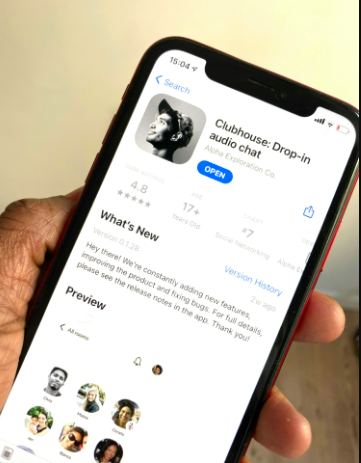
Introduction to Social Media
Social media refers to the tools and platforms that facilitate the creation, sharing, and exchange of content among users. These platforms have evolved significantly since their inception in the early 2000s, transitioning from simple social networking sites to comprehensive ecosystems that encompass a diverse array of functionalities. The early platforms, such as Friendster and MySpace, primarily focused on connecting individuals with friends and fostering online communities. However, the advent of giants like Facebook, Twitter, and Instagram has transformed social media into a critical component of daily communication and interaction.
The significance of social media in contemporary society cannot be overstated. It serves not only as a means of connecting friends and family but also plays a crucial role in information dissemination, marketing, and social activism. Users can share news, opinions, and updates in real-time, which has democratized access to information and empowered individuals to become content creators. This shift has led to the rise of citizen journalism, where ordinary people can report events and issues directly from the ground, often challenging traditional media narratives.
Furthermore, the influence of social media extends beyond individual interactions. Businesses leverage these platforms to engage with customers, promote products, and build brand loyalty. Social media marketing has become an essential strategy for companies to reach broader audiences and cultivate relationships with consumers. Additionally, social media serves as a space for cultural exchange, allowing users to discover and engage with diverse perspectives.
In conclusion, the evolution of social media from its nascent stages to its current prominence highlights its integral role in shaping modern communication and societal dynamics. Understanding this influence is vital, as it paves the way for further exploration of its impacts on various aspects of everyday life.
Types of Social Media Platforms
Social media has transformed the way we communicate, share information, and connect with others. Different platforms serve distinct functionalities, catering to diverse user needs. Understanding these types can help users make informed choices about where to engage online.
One common category of social media platforms focuses on image sharing. These platforms, such as Instagram and Pinterest, allow users to upload, edit, and share visual content. They emphasize aesthetics and creativity, encouraging users to showcase their lifestyles, talents, or interests through curated photo feeds. Hashtags play a crucial role in improving content visibility, facilitating the discovery of relevant images.
Video-sharing platforms, like YouTube and TikTok, have gained immense popularity in recent years. They provide users with the means to create, upload, and share video content, ranging from tutorials and vlogs to entertainment and educational materials. These platforms foster engagement through likes, shares, and comments, creating dynamic communities centered around video content.
Professional networking sites, such as LinkedIn, are designed specifically for career-oriented users. They allow individuals to create professional profiles, connect with colleagues, and share industry-related content. This platform emphasizes connecting professionals and facilitating opportunities for career advancement through networking.
Messaging applications, including WhatsApp and Facebook Messenger, serve a different purpose by focusing on direct communication. These platforms enable users to send text messages, share multimedia content, and make voice or video calls. As a result, they promote real-time communication and enhance personal connections across geographical boundaries.
In summary, social media platforms can be categorized into distinct types, including image-sharing, video-focused sites, professional networks, and messaging applications. Each caters to specific needs, making social media a versatile tool for connection and communication in modern society.
The Role of Social Media in Communication
Social media has fundamentally transformed the way individuals communicate with one another, ushering in an era characterized by instantaneous connection and unprecedented accessibility. Platforms such as Facebook, Twitter, Instagram, and WhatsApp have redefined communication dynamics, enabling users to share their thoughts, images, and experiences in real time. This immediacy allows for the quick dissemination of information, making social media a pivotal tool in both personal and professional contexts.
One of the primary advantages of social media is its ability to bridge geographical gaps. People can maintain relationships across continents, share experiences, and support one another from afar. The integration of text, image, and video content allows for a richer form of interaction, providing a multimedia dimension that traditional communication methods often lack. Furthermore, social media fosters a sense of community, where individuals with similar interests can connect, thus expanding their social networks beyond immediate physical confines.
However, the impact of social media on personal relationships can be double-edged. While it enables smoother communication and the ability to stay in touch, it can also lead to superficial relationships, as online interactions sometimes lack the depth of face-to-face conversations. Furthermore, the constant connectivity can lead to challenges, such as the pressure to maintain an online persona, which may not reflect one’s true self. Additionally, the prevalence of miscommunication through digital channels can lead to misunderstandings, as non-verbal cues are often absent.
Overall, social media plays a crucial role in shaping modern communication. As individuals continue to navigate this evolving landscape, they must balance the benefits of quick, accessible communication with the potential drawbacks that come with it. The influence of social media on communication remains significant, and its effects continue to evolve in response to technological advancements and societal changes.
Social Media and Marketing Strategies
In today’s digital landscape, social media has emerged as a pivotal tool for businesses to connect with their target audiences. Marketing strategies leveraging these platforms have revolutionized the way organizations promote their products and services. With billions of active users worldwide, social media marketing allows companies to reach a diverse demographic efficiently and effectively.
One of the key advantages of utilizing social media for marketing is the ability to engage directly with consumers. Brands can foster relationships, encourage dialogue, and build community around their products. This interaction nurtures consumer loyalty and generates user-generated content, which is invaluable for credibility. According to recent trends, companies are increasingly prioritizing customer engagement on platforms ranging from Facebook and Instagram to TikTok and LinkedIn. Each of these channels presents unique opportunities that marketers can capitalize on to tailor their messages effectively.
Successful campaigns often incorporate data-driven approaches to refine marketing strategies. Businesses are now using analytics to track consumer behavior, allowing them to craft personalized marketing messages that resonate strongly with their audience. For instance, A/B testing on social media ads helps brands understand what visuals, messages, or calls-to-action encourage shares and conversions. By analyzing engagement metrics, companies can adapt their strategies in real-time, ensuring they remain relevant in an ever-changing digital environment.
Case studies of various organizations illustrate the potential of impactful social media campaigns. For example, the viral success of the ALS Ice Bucket Challenge demonstrated how engaging content could raise awareness and funds for a cause in a staggering manner. Similarly, brands like Wendy’s have effectively used Twitter for marketing campaigns that combine humor and consumer interaction, contributing to increased brand visibility and customer loyalty.
In conclusion, integrating social media into marketing strategies is essential for businesses aspiring to thrive in the contemporary marketplace. The continuous evolution of platforms and user demographics necessitates a flexible, informed approach in order to harness the power of social media marketing successfully.
Social Media’s Impact on Mental Health
Social media has become an integral part of everyday life, significantly influencing various aspects of modern society. One of its most profound effects is on mental health, where it functions as a dual-edged sword. On one hand, platforms like Facebook, Instagram, and Twitter can foster connections, community support, and a sense of belonging. These interactions can play a crucial role in enhancing an individual’s self-esteem and mental well-being, especially for those who may feel isolated or marginalized in their daily lives.
Engagement in online communities centered around shared interests or experiences can provide users a safe space to express themselves, seek advice, and receive affirmation from others. This virtual camaraderie can be particularly beneficial for mental health, offering individuals a sense of empowerment and support.
However, the relationship between social media and mental health is not exclusively positive. Numerous studies indicate that excessive use of social media may lead to issues such as anxiety, depression, and loneliness. The curated nature of online profiles often promotes unrealistic standards of beauty and success, contributing to negative self-perception and low self-worth among users. Moreover, the phenomenon of social comparison is heightened in the social media environment, with users frequently measuring their lives against the seemingly perfect portrayals of others, which can result in feelings of inadequacy.
The pressure to continually maintain an online presence, accumulate ‘likes,’ and gain followers can also lead to heightened stress. This aspect becomes particularly concerning for younger individuals, who are more susceptible to the influences of peer validation. Consequently, the impact of social media on mental health is complex, necessitating a balanced approach to its use in order to maximize benefits while minimizing potential harms.
Privacy Concerns and Data Security
In the digital age, social media platforms have revolutionized the way individuals communicate, share information, and connect with others. However, this transformation has also raised significant concerns regarding privacy and data security. Users often unknowingly expose vast amounts of personal information, making them vulnerable to various risks, including data breaches and unauthorized data sharing.
One of the most notable controversies surrounding privacy on social media was the Cambridge Analytica scandal, which highlighted how third-party applications could access user data without their consent. This incident prompted widespread outrage and a demand for greater transparency regarding data handling practices. As users become more aware of these privacy issues, there has been an increasing call for stricter regulations and guidelines to protect personal data.
Furthermore, current social media platforms often utilize complex algorithms that personalize user experiences while simultaneously collecting sensitive information. This duality raises questions about the ethical implications of data collection practices and users’ understanding of their own privacy settings. Many individuals may not fully comprehend how their data is used or may overlook privacy settings that could safeguard their personal information.
In recent years, several governments have implemented legislations, such as the General Data Protection Regulation (GDPR) in the European Union, aiming to enhance user privacy and data security. These regulations impose stricter requirements on social media companies to obtain explicit consent from users before processing their personal information. However, enforcement and compliance remain constant challenges, as users must remain vigilant about their digital footprints.
Overall, navigating the intricate landscape of privacy and data security on social media requires both awareness from users and accountability from platforms. As the influence of social media on modern society continues to grow, it is imperative to address these privacy concerns actively to foster trust and ensure the safety of users in the digital realm.
The Power of Influencers
In recent years, the phenomenon of social media influencers has dramatically transformed how brands communicate with their audiences. These individuals, often possessing significant followings on platforms such as Instagram, TikTok, and YouTube, have risen to prominence as key figures in the marketing landscape. Influencers serve as a bridge between companies and consumers, utilizing their platforms to promote products and services in a manner that feels authentic and relatable. Their ability to cultivate loyalty among followers has made them a powerful force in shaping public opinion.
One of the primary impacts of influencers is their ability to influence consumer behavior. When followers see their favorite influencers endorsing a product, it often garners trust and can prompt immediate purchasing decisions. This trend has led many companies to allocate substantial portions of their marketing budgets to collaborate with influencers, recognizing the potential return on investment. Influencers not only promote products but also narrate personal experiences, making recommendations based on their genuine usage, which can enhance credibility.
However, the rise of influencer marketing is not without ethical considerations. The blurring of lines between genuine endorsement and paid promotion can lead to skepticism among consumers. Transparency is crucial in influencer partnerships to ensure that followers understand when content is sponsored. Regulatory bodies, such as the Federal Trade Commission (FTC) in the United States, have established guidelines to promote honesty in advertising, requiring influencers to disclose paid partnerships. This ethical imperative aims to preserve consumer trust while maintaining the influencers’ authenticity.
Therefore, as influencers continue to evolve in their roles, understanding their responsibilities is critical. With their power comes the obligation to use it wisely, ensuring that their promotional efforts align with truthfulness and ethical standards. The influence they exert can significantly shape modern consumer culture and collective societal values, making it essential to navigate this space thoughtfully.
Social Media in Education
In recent years, social media has emerged as a powerful tool within the educational landscape, providing both educators and students with new avenues for engagement, collaboration, and learning. Its influence extends beyond mere communication to reshape pedagogical approaches and foster learning communities. Educational institutions have recognized the potential of platforms such as Facebook, Twitter, and LinkedIn to enhance educational experiences and facilitate peer-to-peer interaction.
One significant benefit of utilizing social media in education is the ability to create dynamic learning environments. Educators can use these platforms to share resources, post assignments, and engage in discussions, which encourages active learning and participation. For instance, Twitter can serve as a virtual classroom, where educators encourage students to engage with course material in real-time using hashtags related to their field of study. This experience broadens access to diverse perspectives and enhances critical thinking.
Moreover, social media helps in building communities. Educational institutions often turn to platforms like Facebook groups to foster community among students and faculty. These groups can serve as spaces for collaborative projects, networking, and support, enabling students to share knowledge and resources while fostering a sense of belonging. Many institutions have started creating official pages and groups that communicate important updates, sharing achievements and events which further solidifies their community.
Additionally, social media provides a wealth of information and resources for educators. By following thought leaders and education-related accounts, teachers can stay informed about the latest trends, methodologies, and innovations in their field. This continuous professional development not only enhances their teaching practices but also inspires them to incorporate social media strategies into their curriculum.
Ultimately, social media has reshaped education, creating opportunities for enhanced engagement, community building, and resource sharing. As educators increasingly recognize its value, the role of these platforms in educational contexts will likely continue to evolve, offering new possibilities for teaching and learning.
The Future of Social Media
As we look ahead, the landscape of social media is poised for significant transformation, driven by emerging technologies and evolving user expectations. With the rapid advancement of artificial intelligence (AI) and machine learning, personalized content delivery is expected to take center stage. Users will increasingly encounter tailored experiences that align closely with their preferences and behavior, potentially enhancing their engagement and satisfaction. This shift could result in a more connected but also more fragmented social media ecosystem, where highly curated feeds lead to echo chambers, presenting challenges in information diversity.
Moreover, the rise of augmented reality (AR) and virtual reality (VR) technologies is anticipated to redefine the way individuals interact on social platforms. These immersive experiences will enable users to engage in a multisensory manner, fostering deeper connections and more meaningful interactions. For instance, virtual hangouts could become commonplace, allowing users to interact with friends and family in a digital space that mimics the physical environment.
Changes in user behavior also play a crucial role in shaping the future of social media. Younger generations demonstrate a marked preference for ephemeral content, as evidenced by the popularity of platforms like Snapchat and Instagram Stories. This trend might prompt established social networks to adapt their formats and functionalities to retain user interest. Additionally, privacy concerns are becoming increasingly paramount; users are now more cautious about data sharing and are likely to gravitate towards platforms that prioritize transparency and user control.
The societal impact of these developments is profound. Social media has the potential to mobilize communities around social issues, fostering activism and awareness. However, the risks associated with misinformation and polarization cannot be overlooked. As social media evolves, society will need to navigate these complexities, ensuring that the platforms serve a constructive purpose while promoting genuine dialogue and understanding among users.